Someone has to own how the room feels
Someone has to own how the room feels
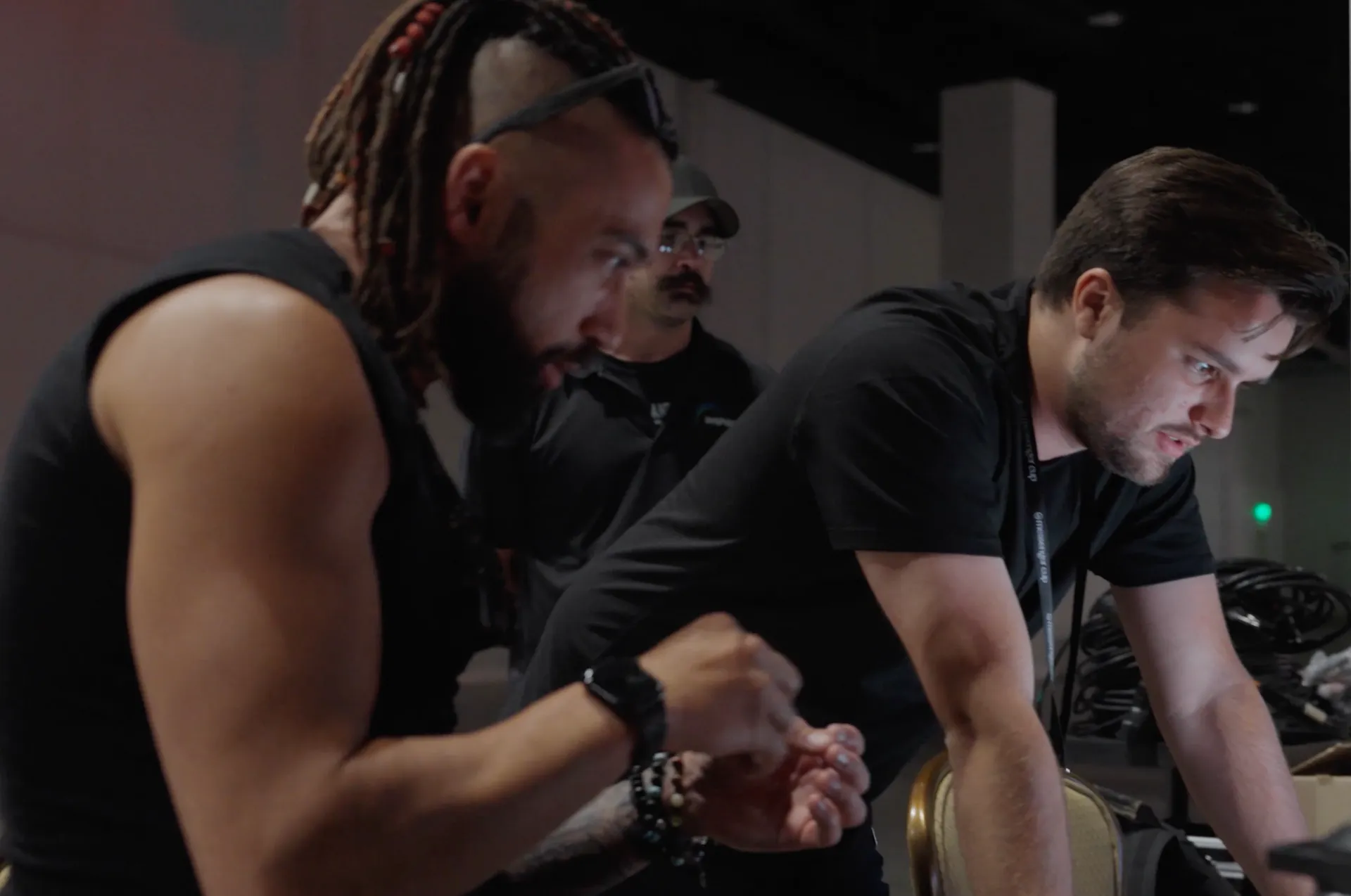
Five minutes before doors, this is my real job:
Listen. Edit. Decide.
“Sight-lines okay for the CEO walk-on?”
“Trim the intro by 20 seconds?”
“Drop FOH to 30% so cameras breathe?”
That’s the work. Not glamorous. Not loud. But it’s what keeps the night from feeling chaotic.
I used to think events were built on big moments.
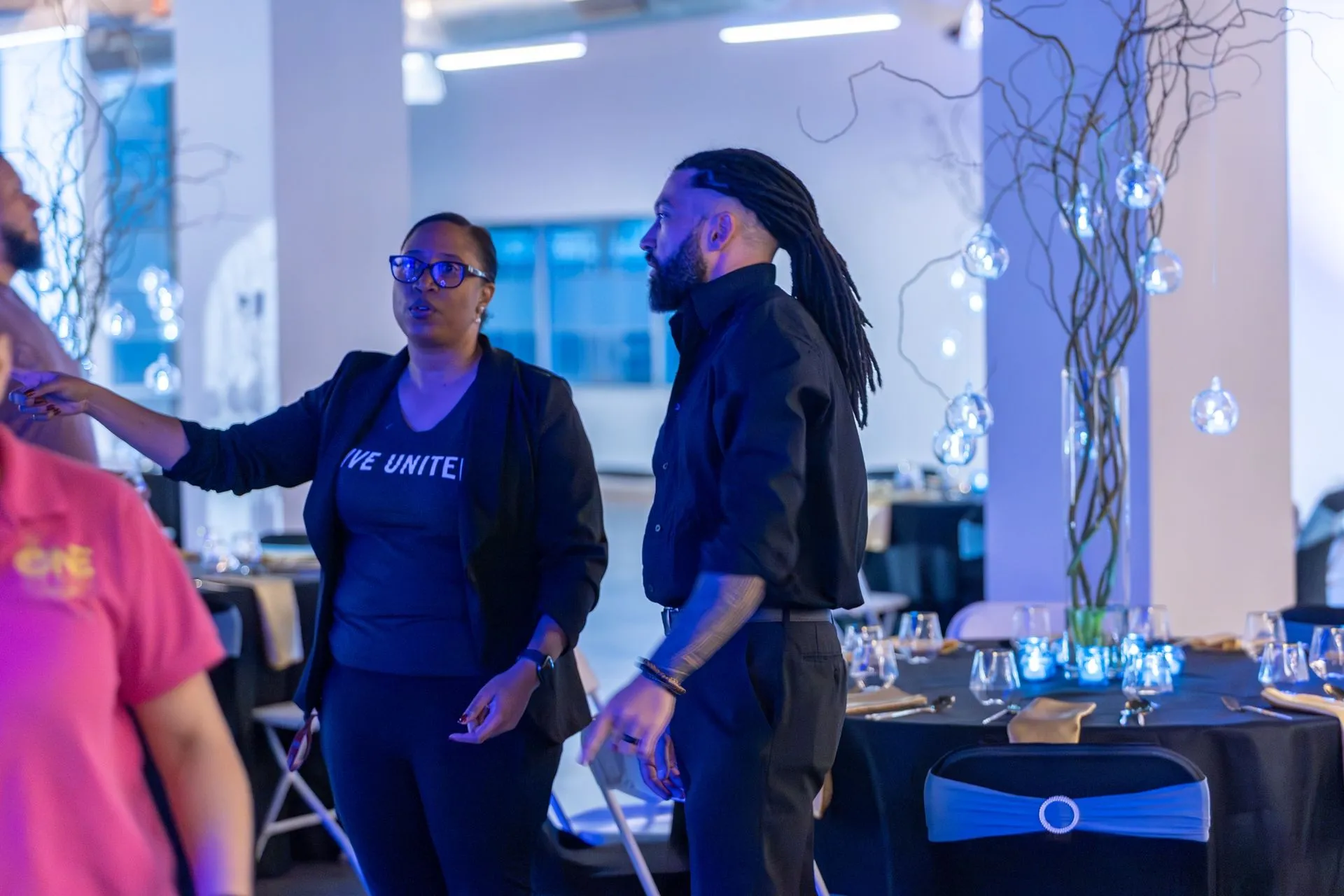
Now I think they’re built on small, calm decisions like this, where you protect the run-of-show, the guest experience & the planner’s heartbeat.
Because most events don’t “go wrong” in some dramatic way.
They just feel… disconnected.
Everything technically happens. Everyone does their part. The room looks good.
And still, something’s off.
That “off” usually comes from one thing: responsibility got split into pieces.
AV is doing AV. Décor is doing décor. Entertainment shows up and does their set. Catering runs food. Everyone’s in their lane... but nobody is owning the whole room.
So the planner (or the client) becomes the glue. The translator. The person carrying ten threads at once while trying to look calm.
If responsibility is fragmented, the room feels fragmented.
And the room tells the truth, even when the timeline says everything is “fine.”
Here’s what people feel when nobody owns the room...
They feel it when:
- the sound is just slightly too hot and conversation dies
- the lighting is fighting the moment instead of supporting it
- transitions take too long and the energy drops
- nobody knows where to look, where to go, or what’s next
- entertainment feels like an interruption instead of part of the night
- the planner keeps getting pulled aside for decisions that should already be handled
None of that shows up in the budget spreadsheet.
But it shows up in bodies. People get restless. Or checked out. Or tense.
And once the room loses trust, it’s hard to get it back.
What Hana actually does
We’re not showing up as “another vendor.”
We’re the team that makes the final calls when it matters, so the planner isn’t carrying it alone.
We’re tracking the full experience in real time: how guests enter, where attention goes, when energy is rising or dying, what’s dragging, what needs to tighten, what needs to breathe.
A simple example:
If the room is getting restless, we don’t “push through because it’s on the schedule.” We cut what needs to be cut, tighten the transition, adjust FOH, and reset the room before it slips further.
That’s ownership.
The “5 minutes to doors” checklist (this is real value, not theory)
Here are a few of the exact checks we run before we open doors. Not the cute ones. The ones that save the night.
1) Sight-lines
- Stand where guests will stand. Not where the stage looks best.
- Walk the CEO path / VIP path if there is one. Fix bottlenecks now, not during the walk-on.
- Identify the “dead zones” where people won’t see anything and either redesign the moment or move the audience.
2) FOH + camera reality
- FOH doesn’t get to be a vibe. It needs to serve the room and the camera.
- If it’s too bright, the room feels exposed and people don’t relax.
- If it’s too dark, guests get lost and the energy gets weird.
- We pick a starting level and adjust after we see real bodies in the space.
3) Audio and mic discipline
- If the mic is harsh, people brace. They don’t lean in.
- If walk-on music is too loud, the room feels aggressive.
- If it’s too quiet, the moment dies.
- You set a standard and you stick to it. No “we’ll fix it live.”
4) Transitions
- Most events bleed out in transitions.
- No dead air. No wandering. No “hold on while we…”
- If something needs a reset, we do it with intention and a clear cue, not confusion.
5) Who has the final call
- This is the one nobody wants to address.
- When something changes (and it will), who decides?
- If the answer is “let’s ask three people,” you’re already late.
That’s what it looks like to own how the room feels.
Not with hype. With standards.
If you’re planning something soon, ask yourself this
Who is responsible for how this room feels, from the first step in to the last moment out?
Not who booked the vendors. Not who made the timeline.
Who is actually accountable for the emotional result and the on-site decisions that protect it?
If your answer is “kind of everyone,” you’re about to be the one carrying it.
If you want our full one-page “5 Minutes to Doors” checklist, email me and I’ll send it. It’s the exact trade notes we use before every show.
New posts, straight to your inbox.
Real lessons from real corporate events, no filler.



-1920w.jpg)
-1920w.jpg)