Ultimate Guide to Memorable Event Entertainment with Hana Events + Experiences
Most planners already know they want entertainment. What they don't know is how to choose it. Ask five different companies and you'll get five different answers, mostly built around whatever that company happens to sell. Here's how we actually think through the decision, from the first call to the last cue of the night.
Entertainment is one piece of a bigger machine. At Hana we build the whole event: planning, production, design & the performances that make a night land. This guide covers the entertainment piece of that process, how to choose it, place it & avoid the mistakes that quietly wreck an otherwise well-planned night.
What moment do you want people to remember?
Start here before you look at a single performer roster. Every strong event has one moment guests bring up after they leave: the room going dark before a feature act, the toast that lands right before dessert, the entrance that sets the tone for the whole night. Name that moment first. Once you know it, the rest of the entertainment plan works backward from it instead of getting built as a list of acts nobody weighed against each other. A spreadsheet line called "entertainment" is not a plan. A specific moment is.
How do you match entertainment to your audience and the room?
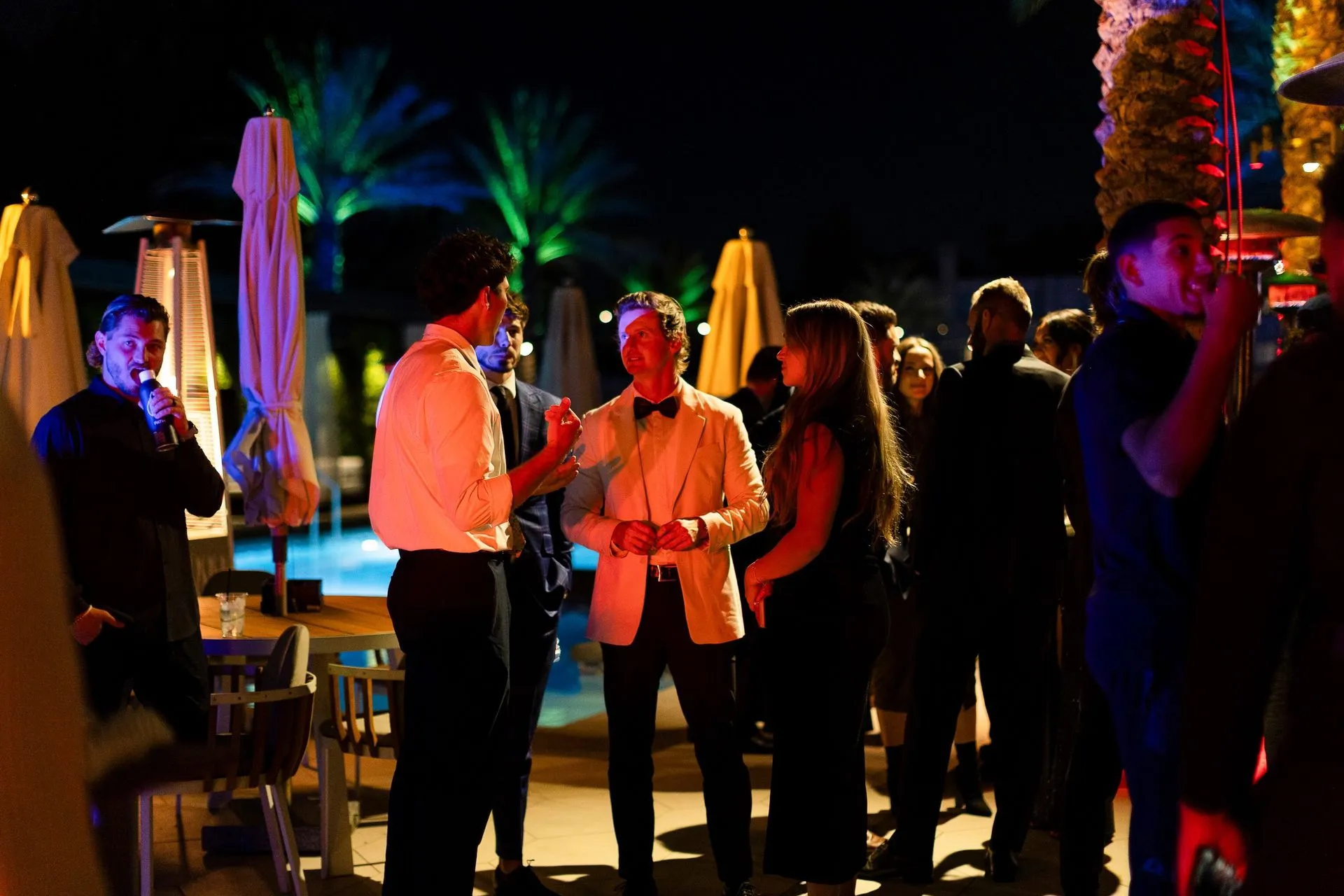
The right act for one crowd is the wrong act for another. A room of executives expecting a refined evening needs a different register than a product launch built for energy. Age range, formality, how well the group knows each other & how much of the night is standing and mingling versus seated all change the read.
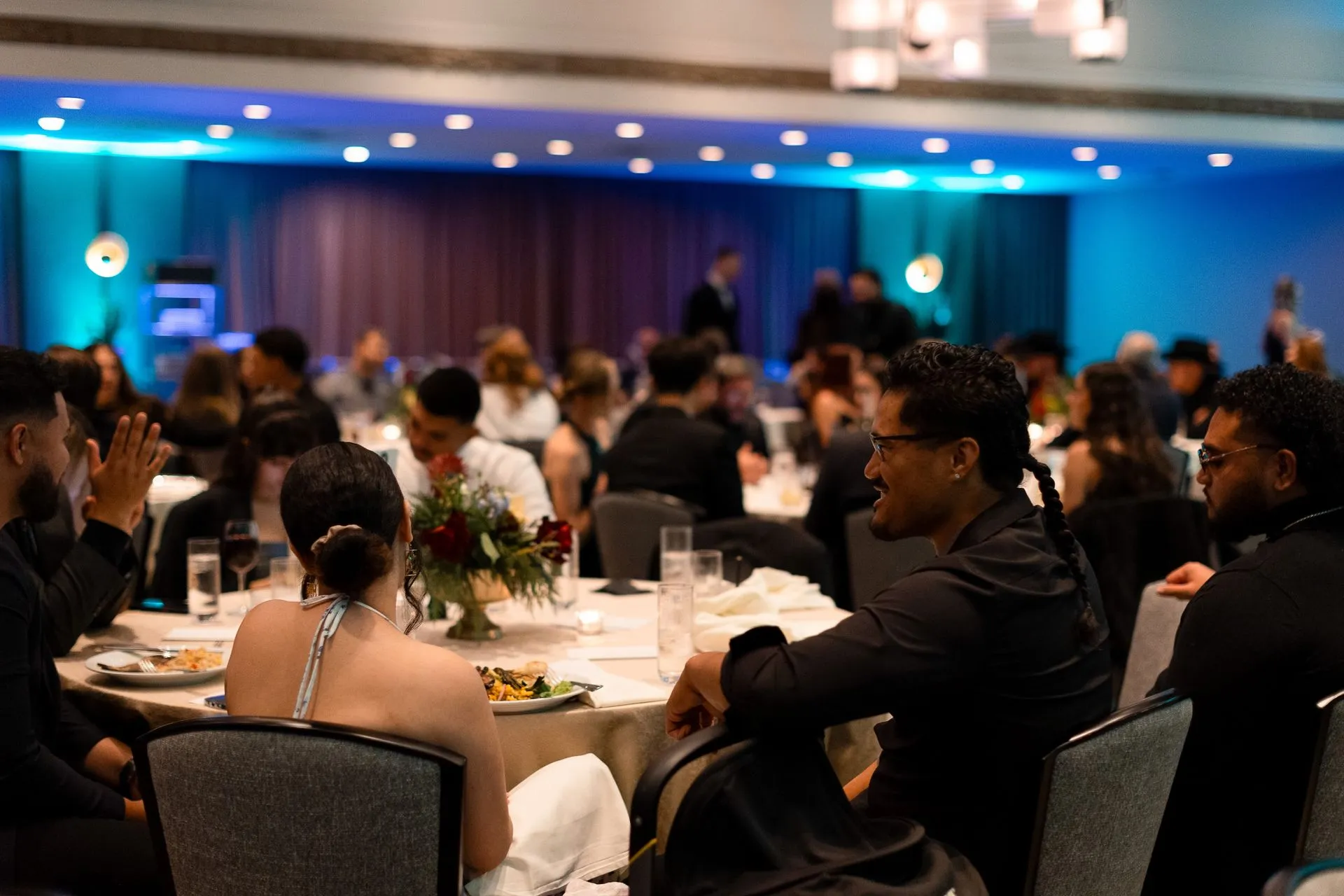
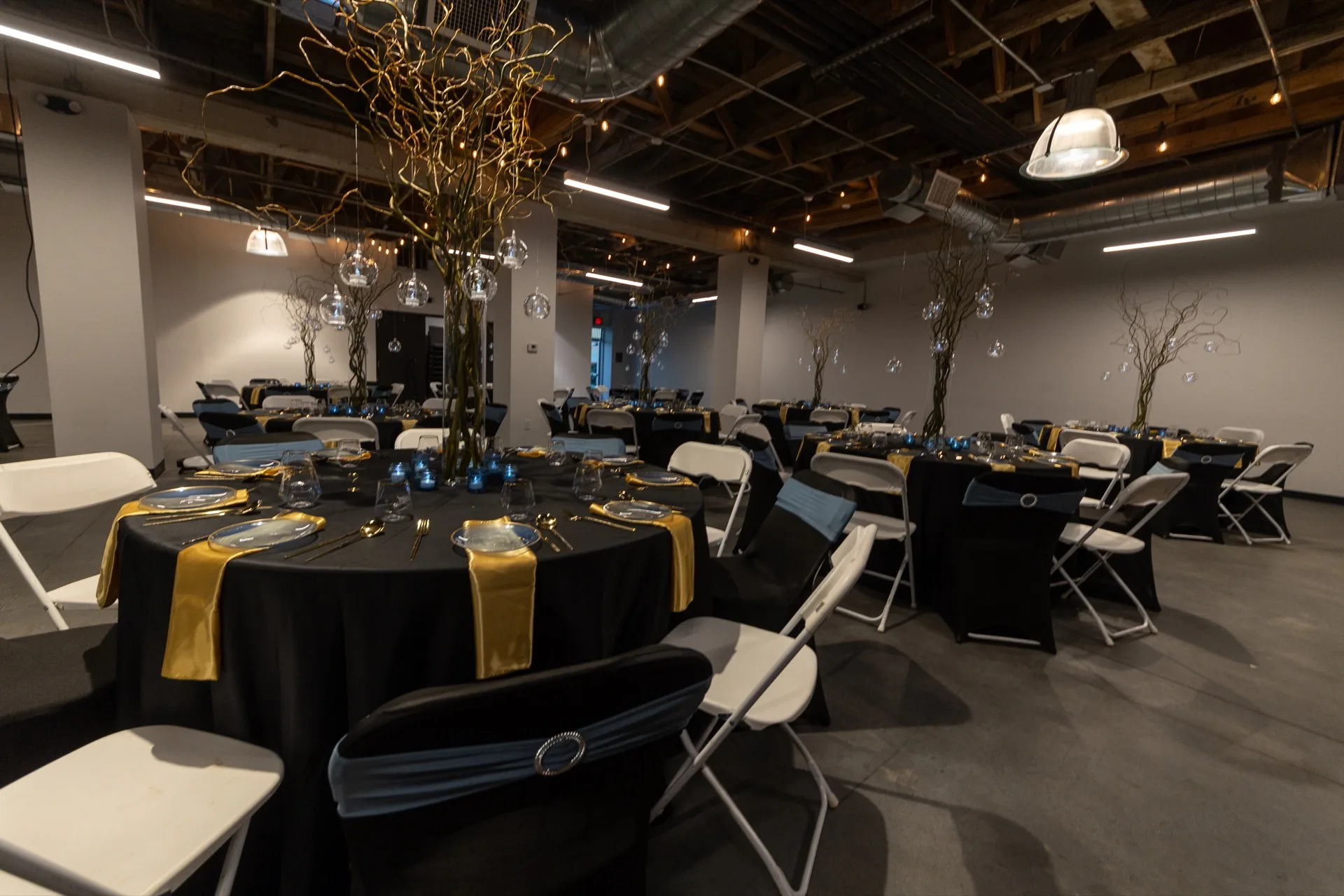
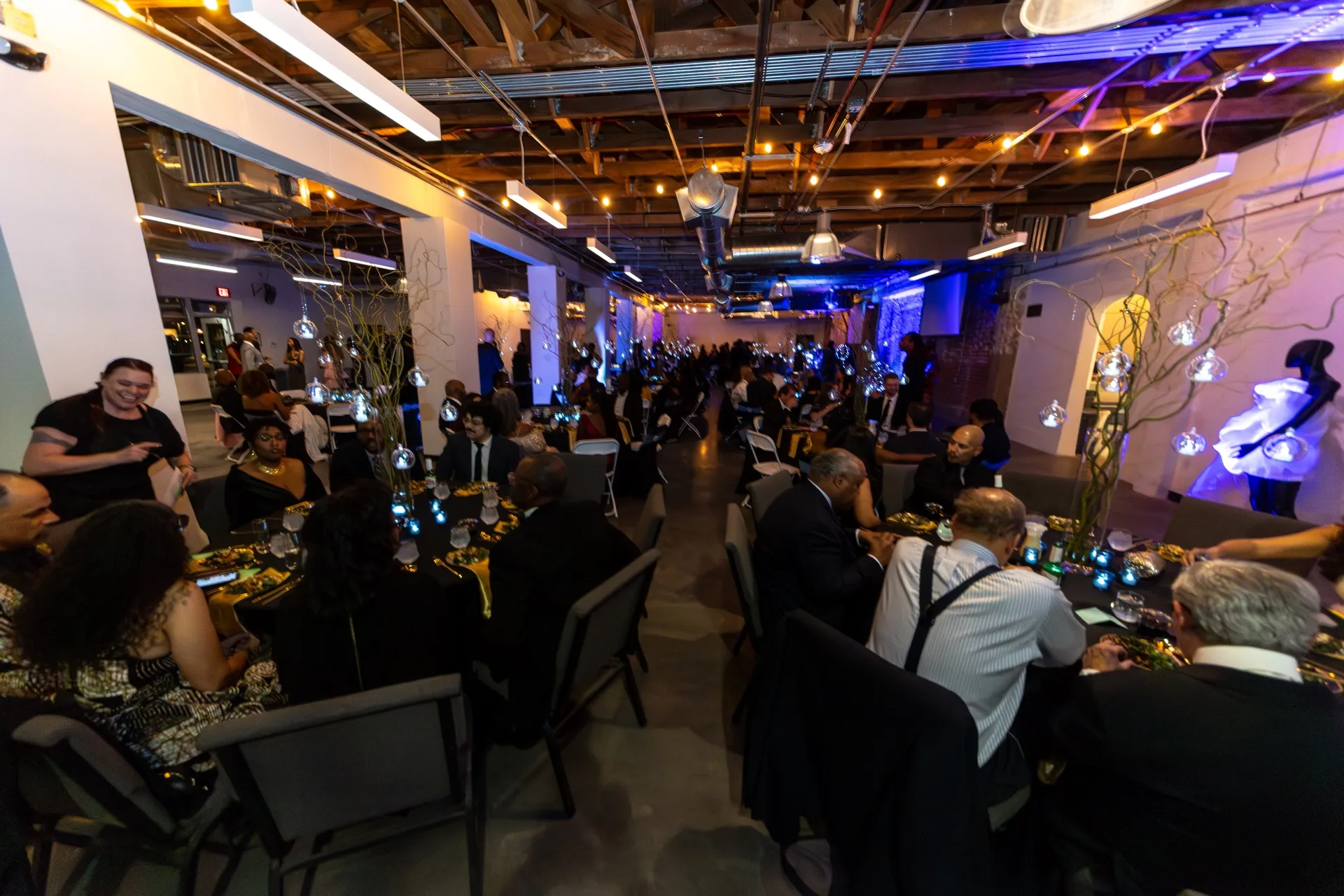
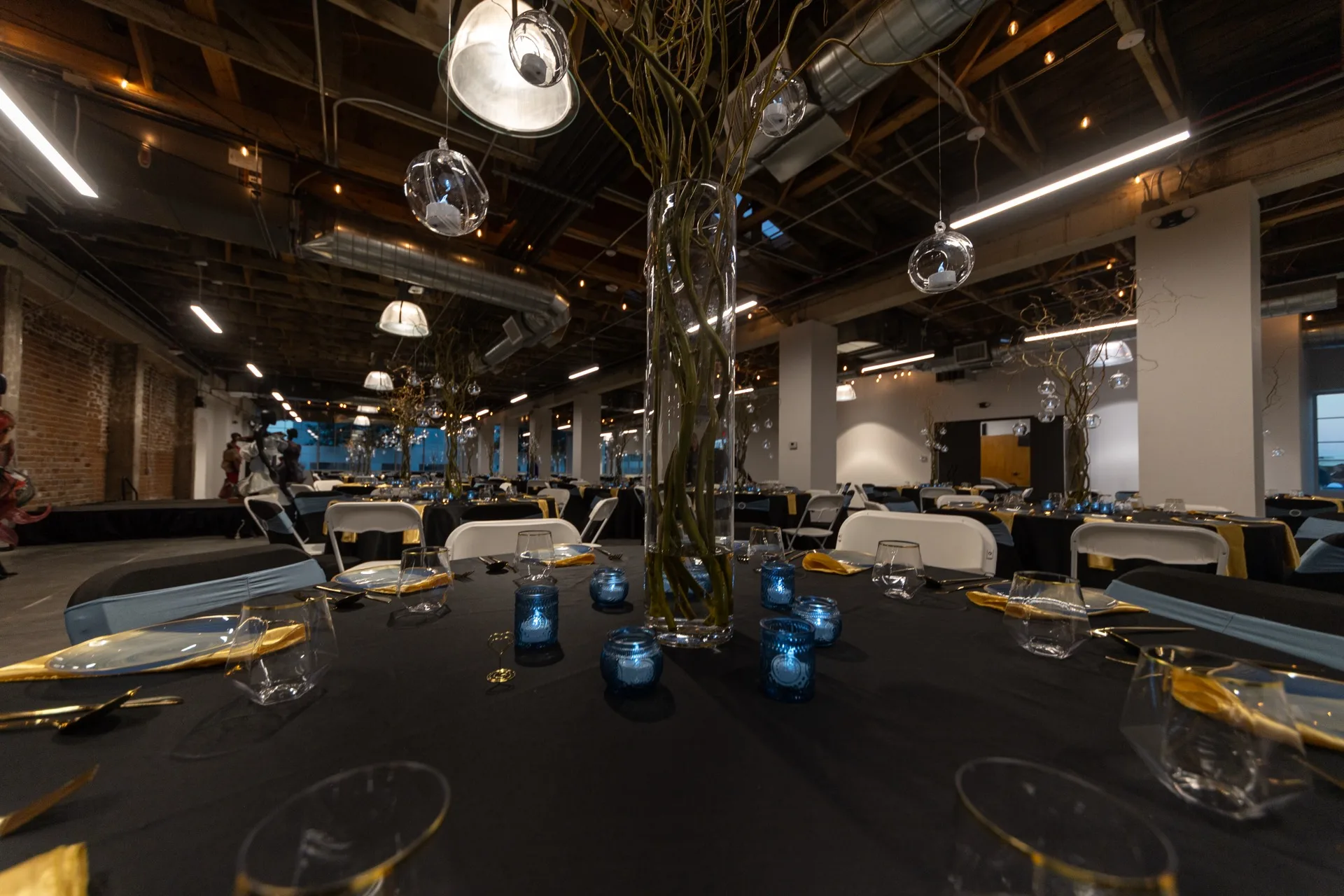
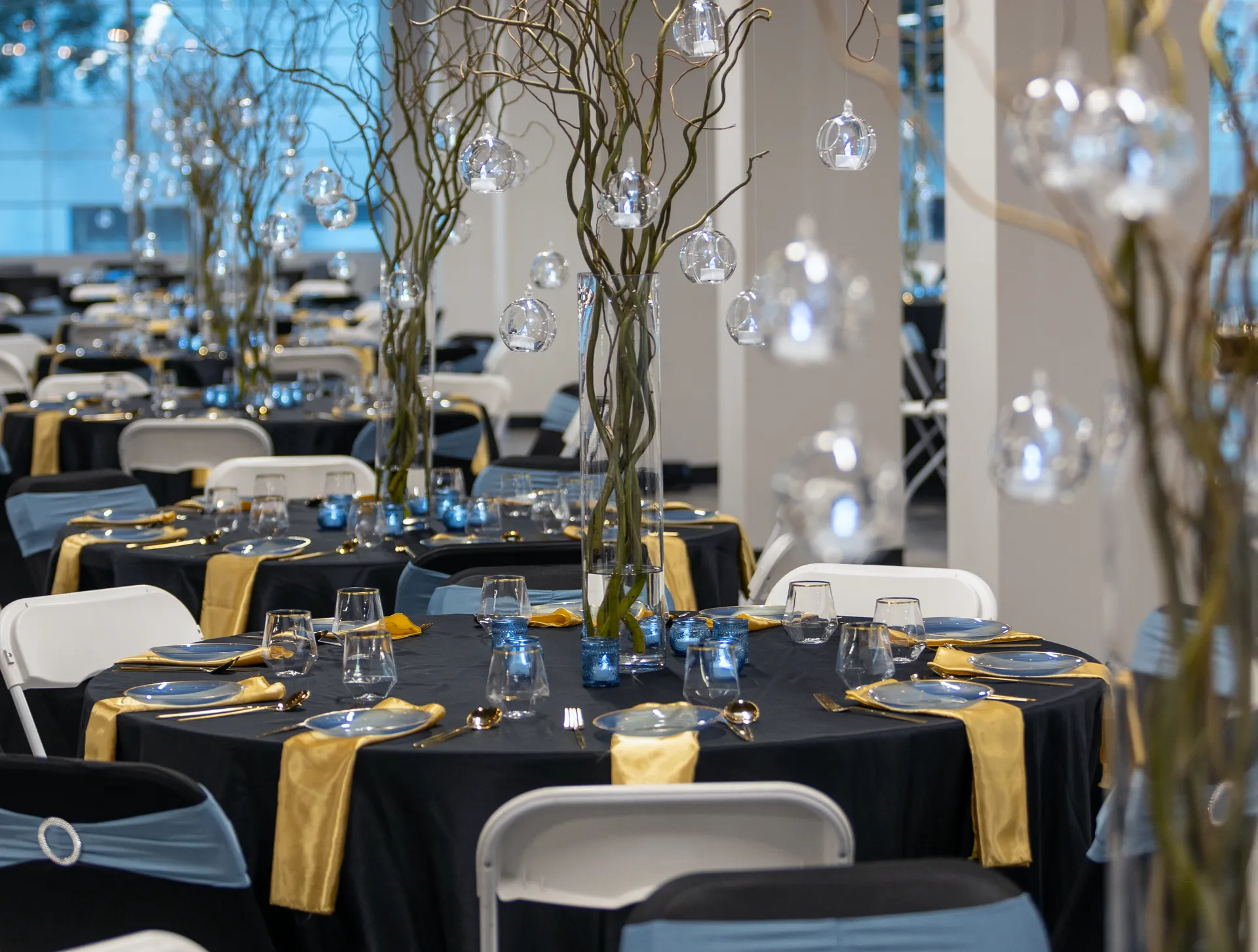
The room matters as much as the crowd. A ballroom with a stage and sightlines supports a feature show. A cocktail reception with people moving around needs performers who work the space instead of holding it. Ceiling height, noise limits, load-in access & whether the venue allows open flame all shape what's actually possible before anyone falls in love with an idea.
Ambient, feature, or fully produced: which one do you need?
Most entertainment falls into one of three tiers, and knowing which one you're buying keeps expectations honest.
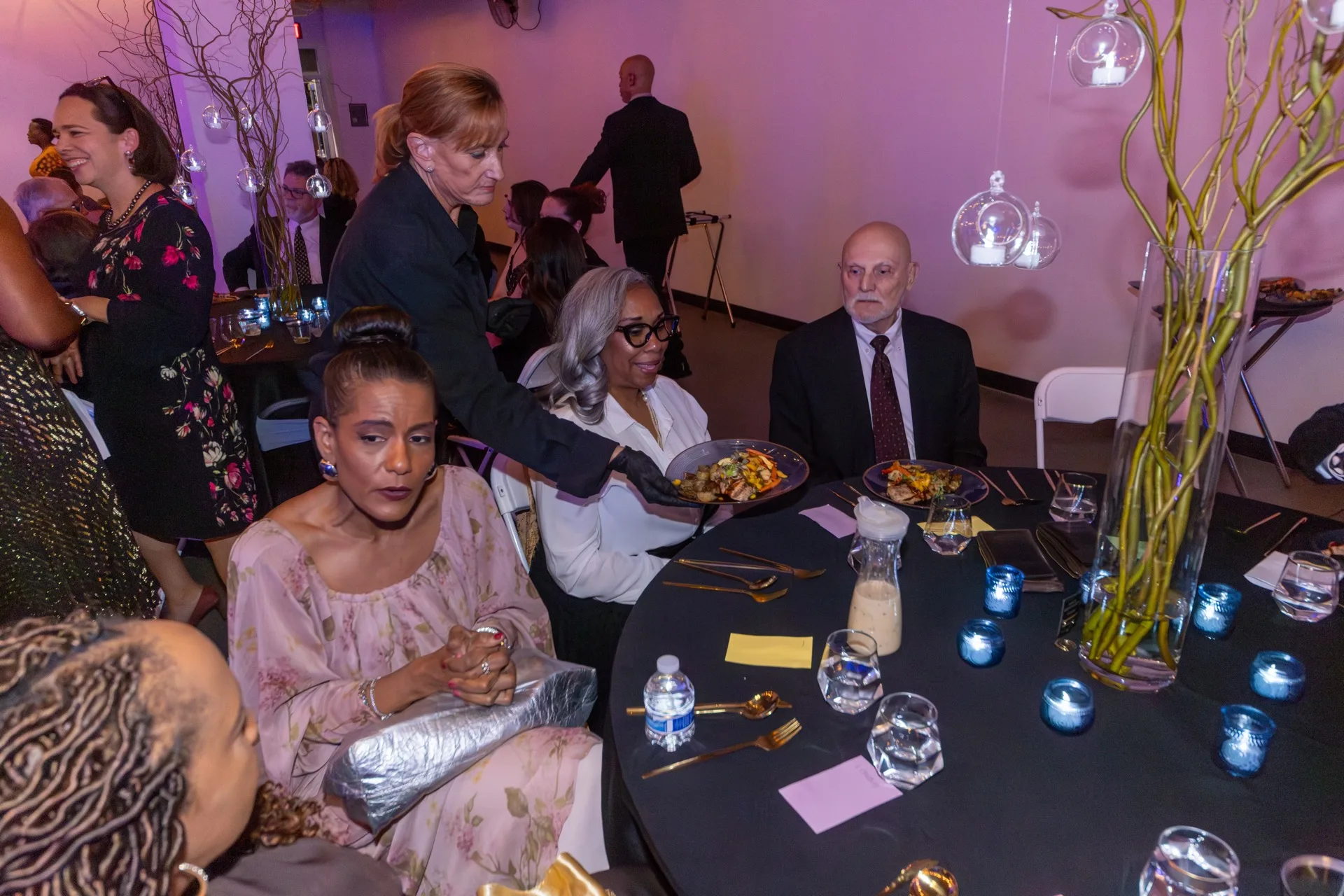
- Ambient: performers who work the room during cocktail hour or dinner, adding energy without asking for full attention. Roaming acts, a soloist, background elements that support conversation instead of interrupting it.
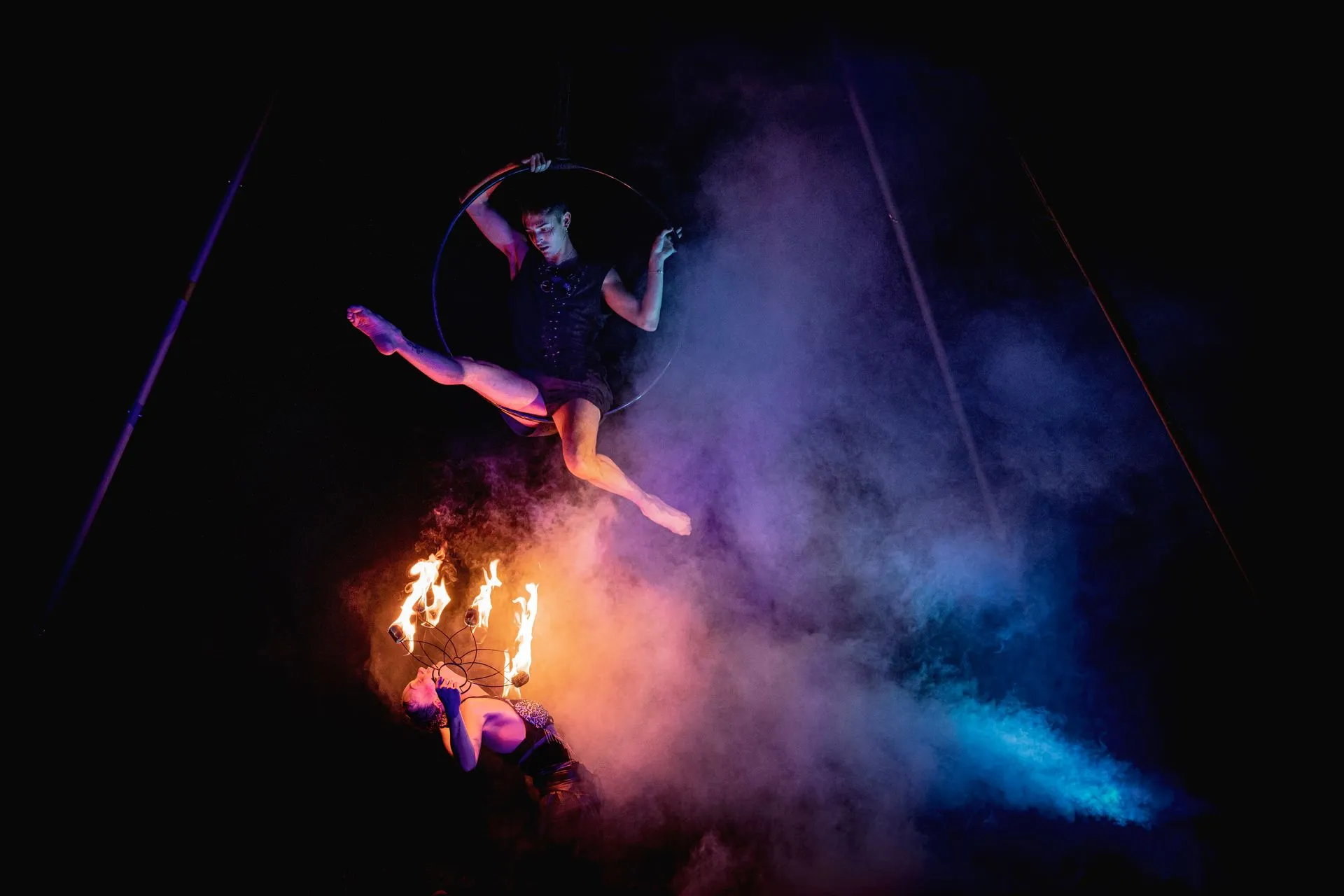
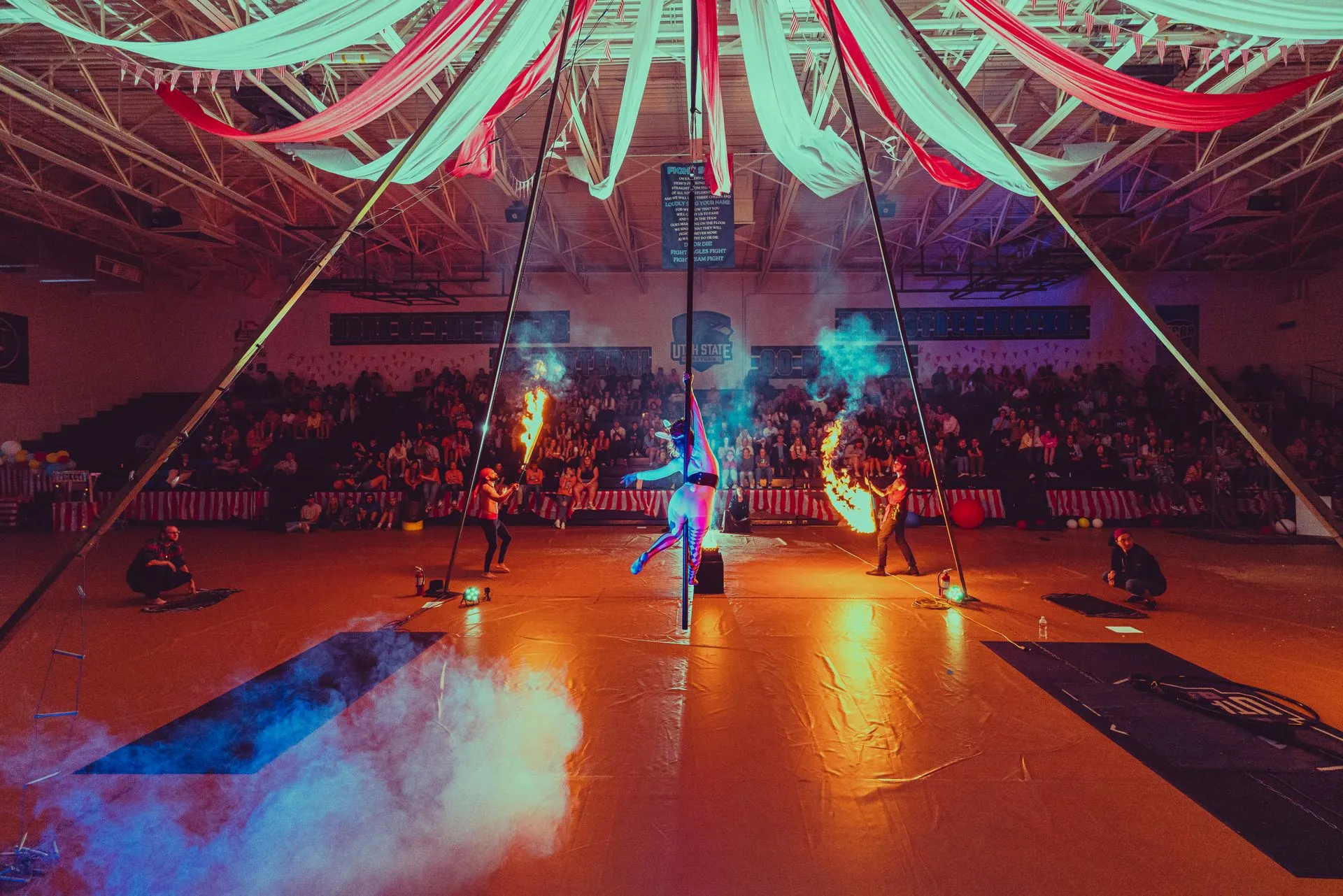
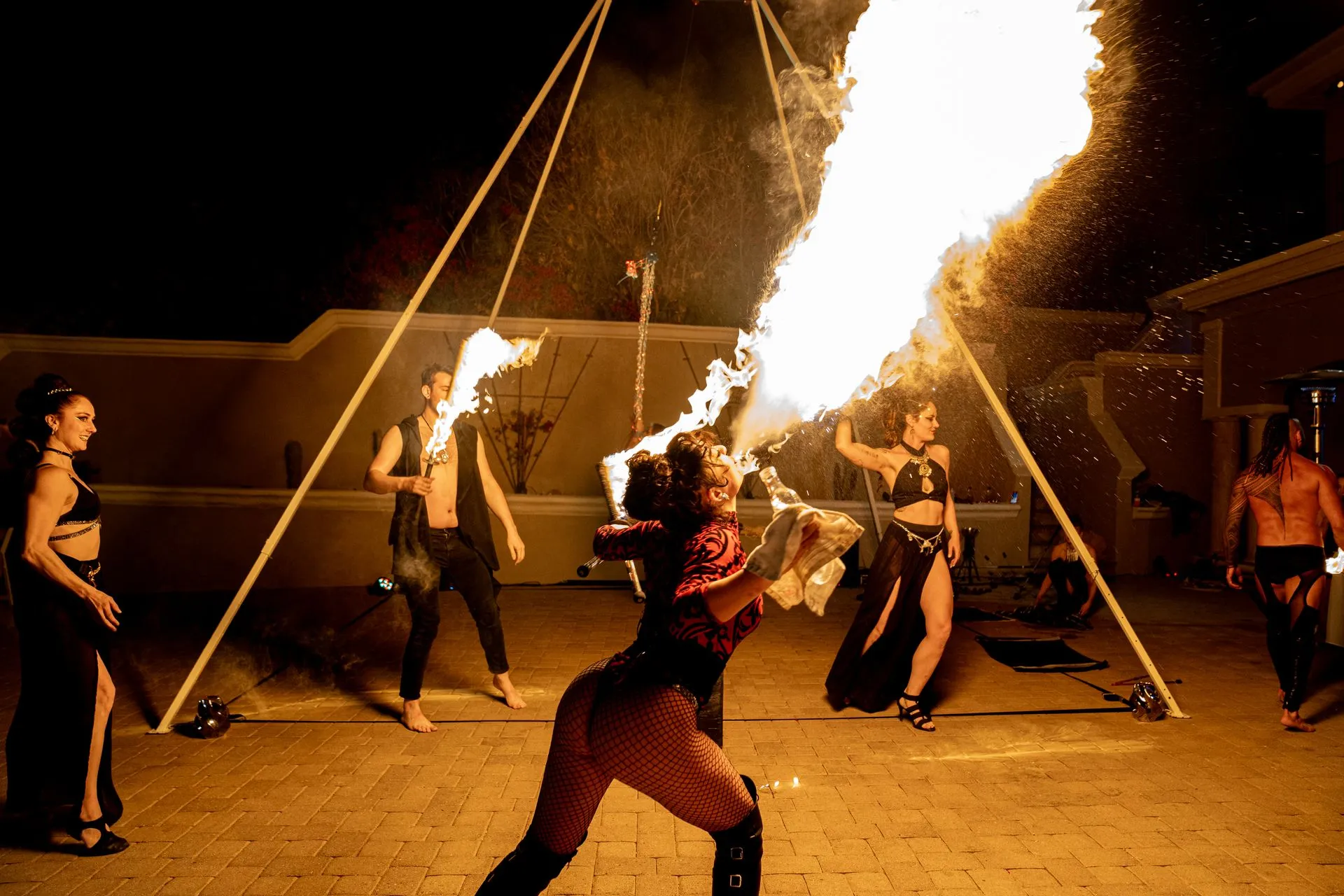
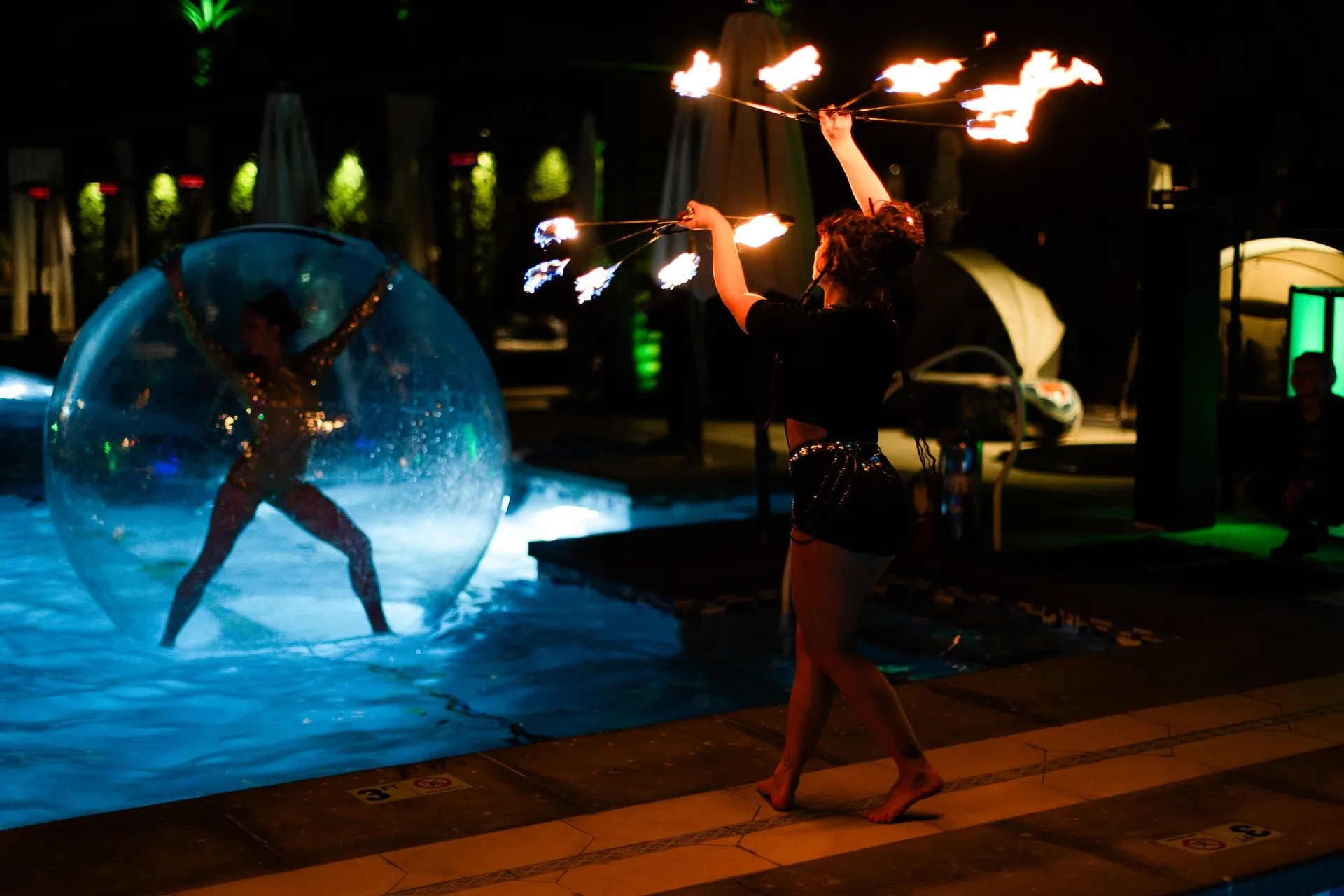
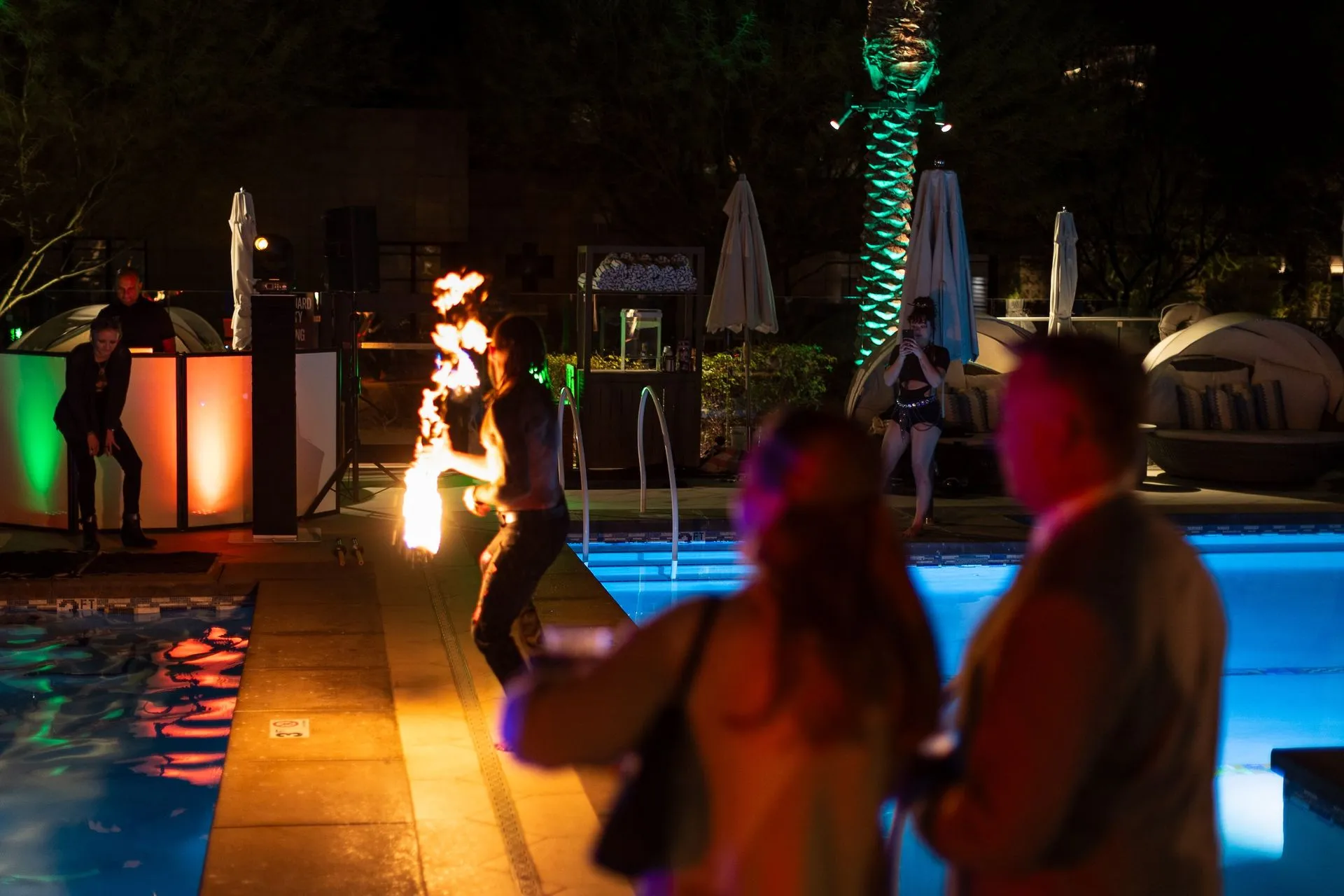
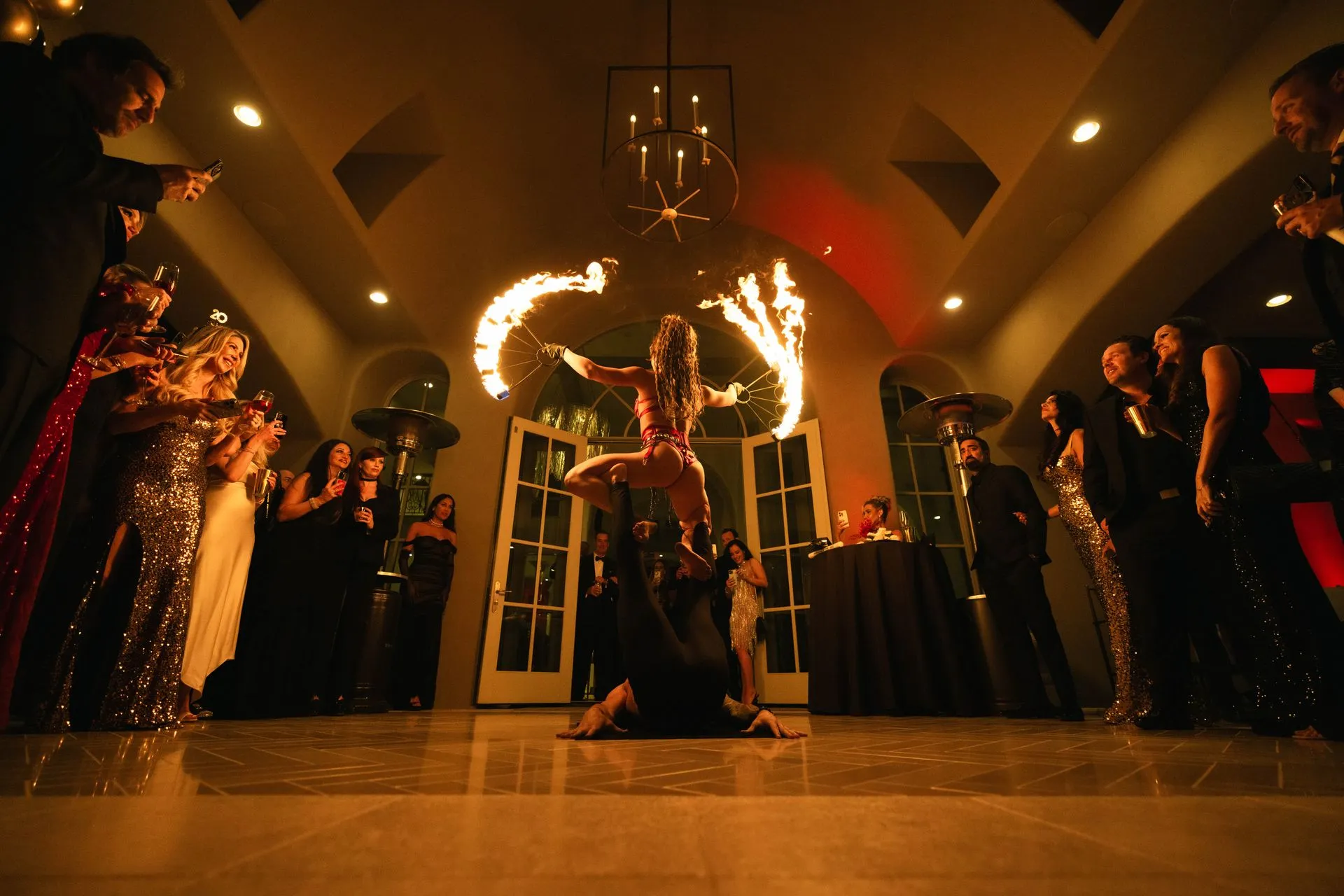
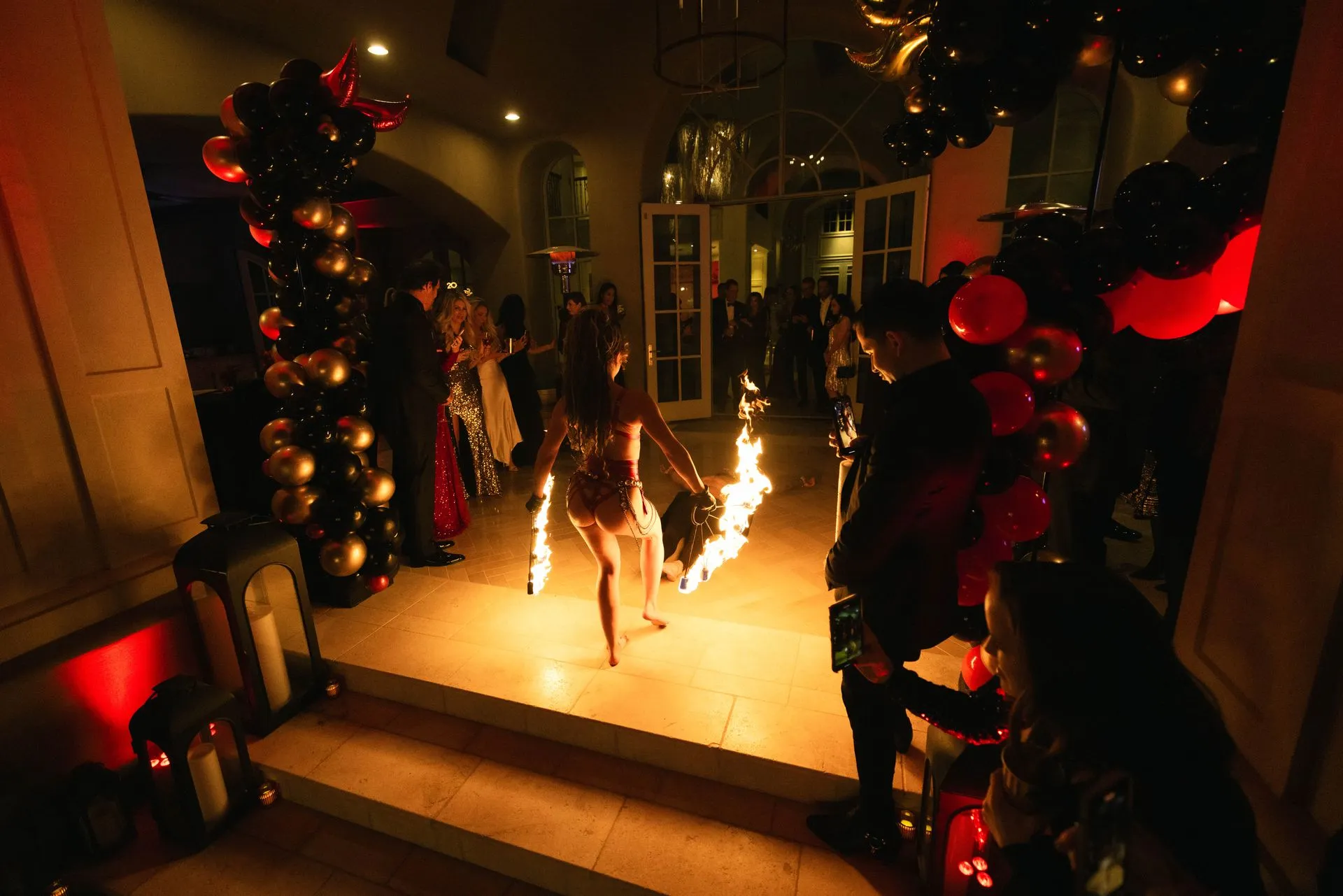
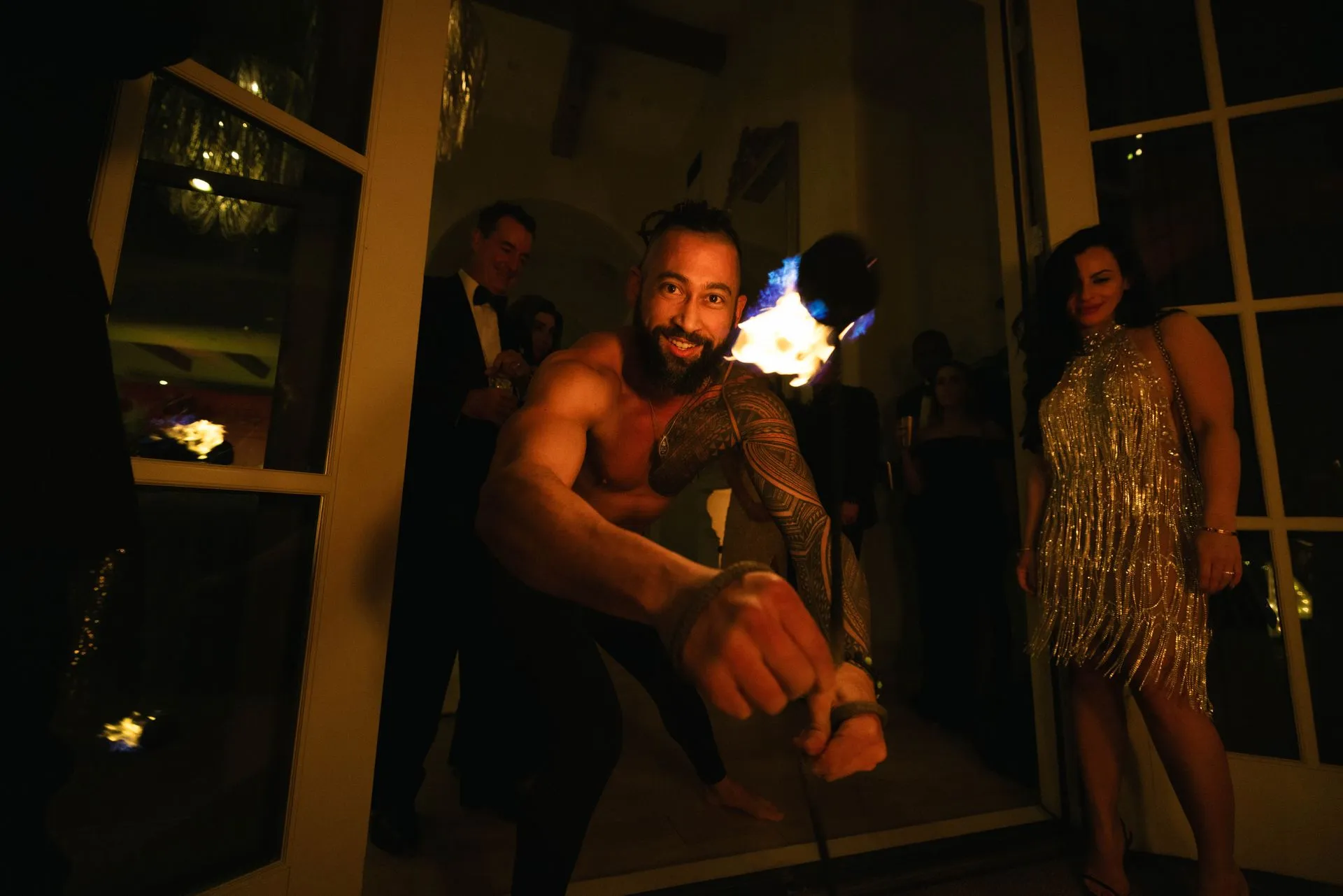
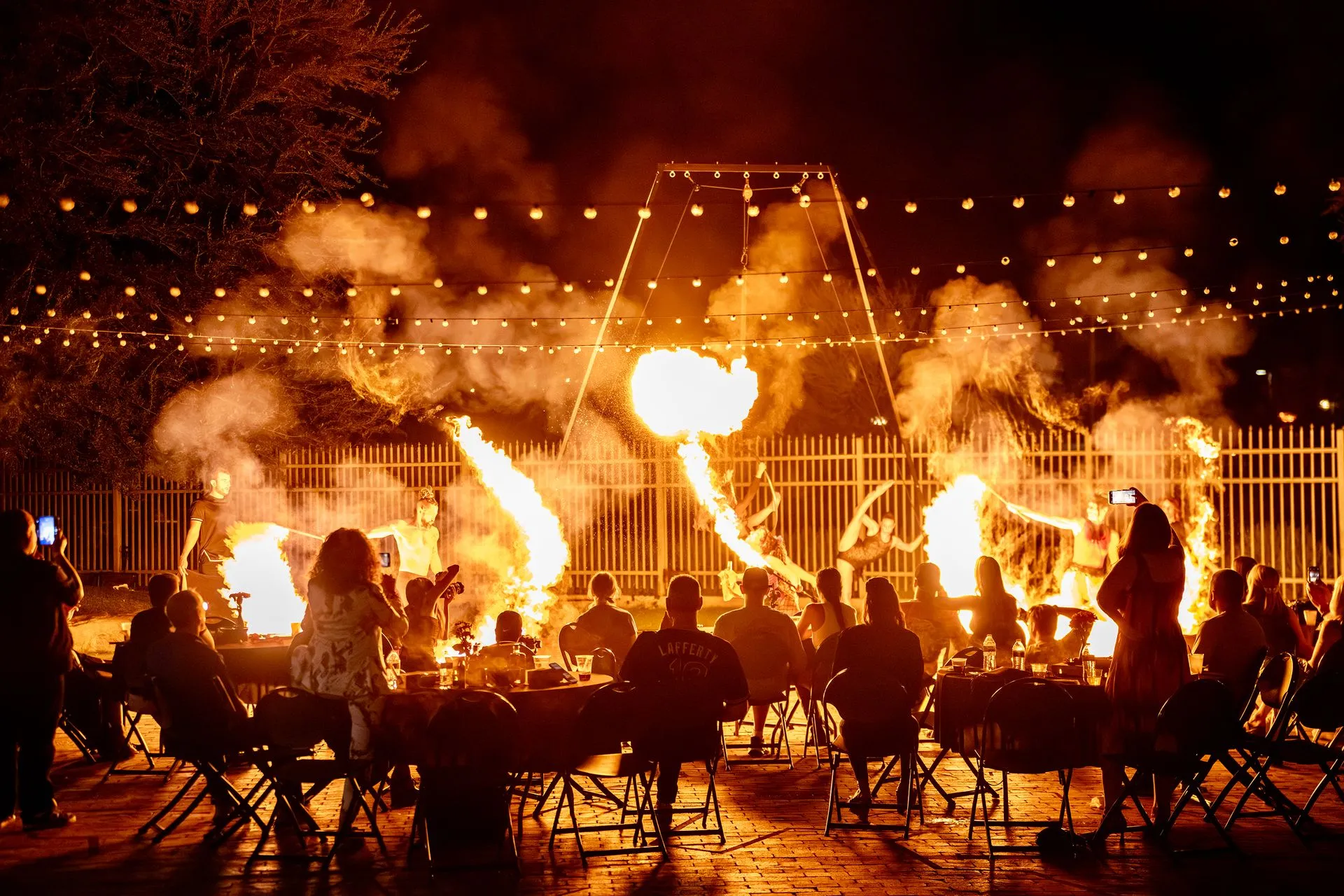
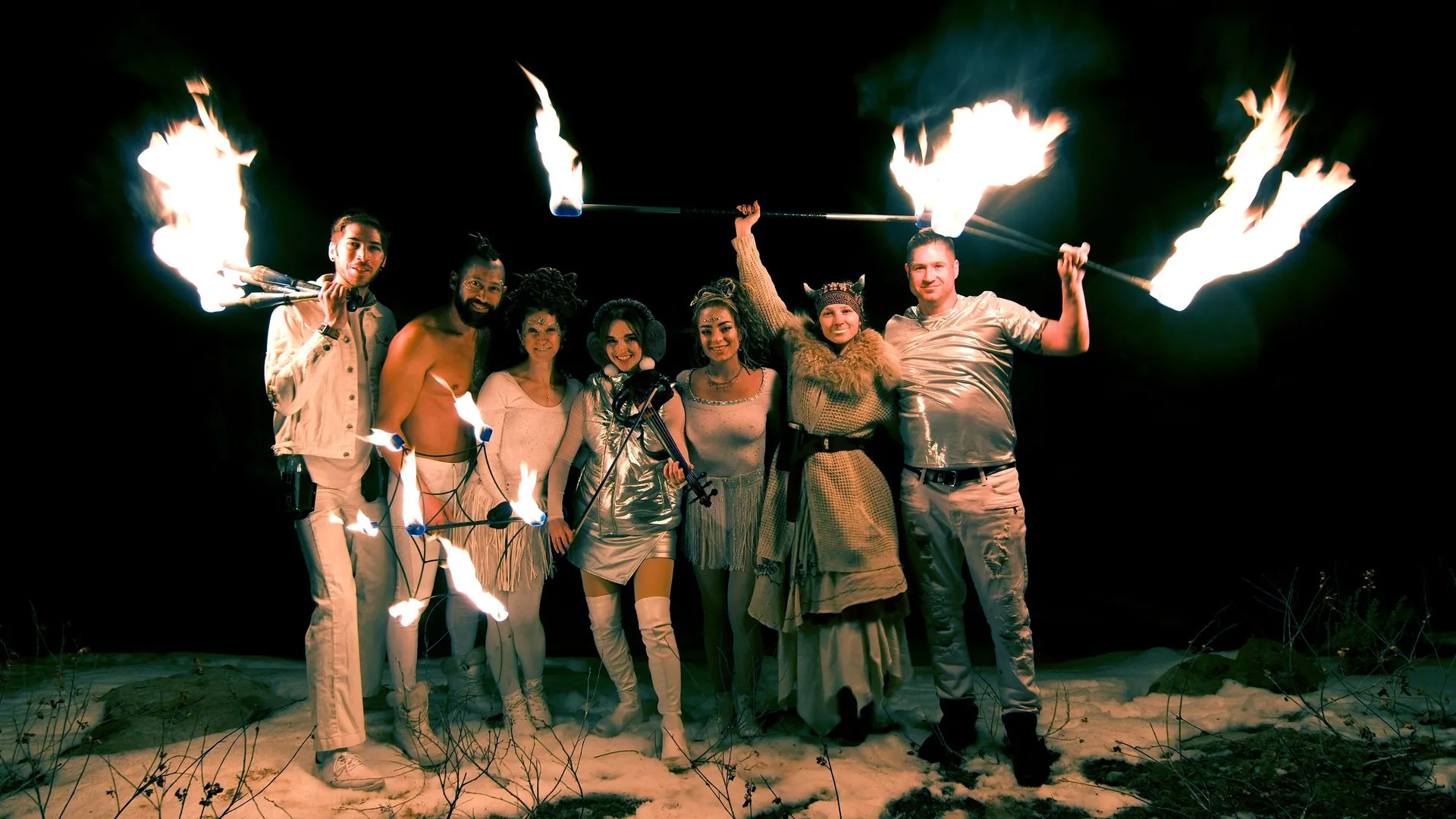
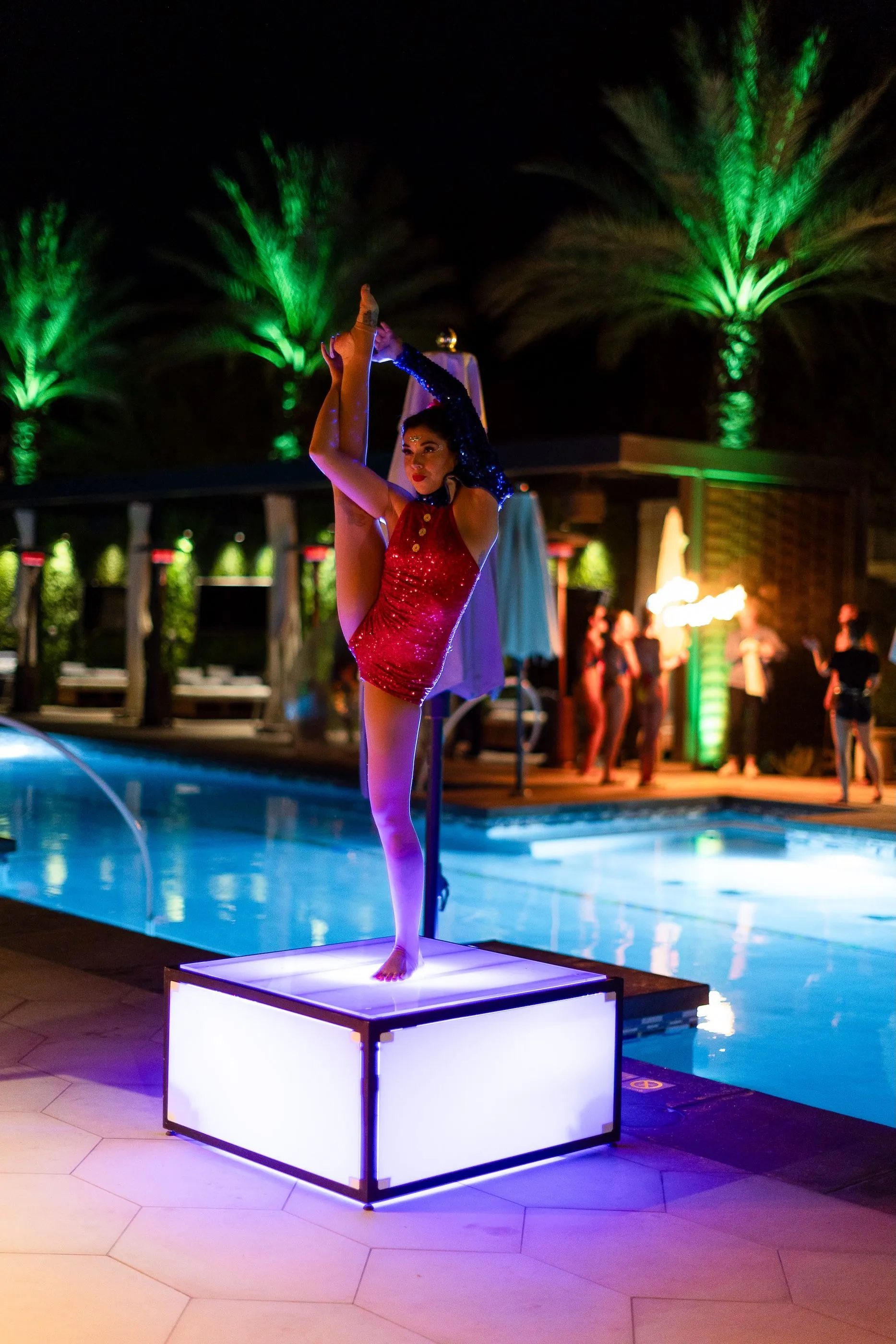
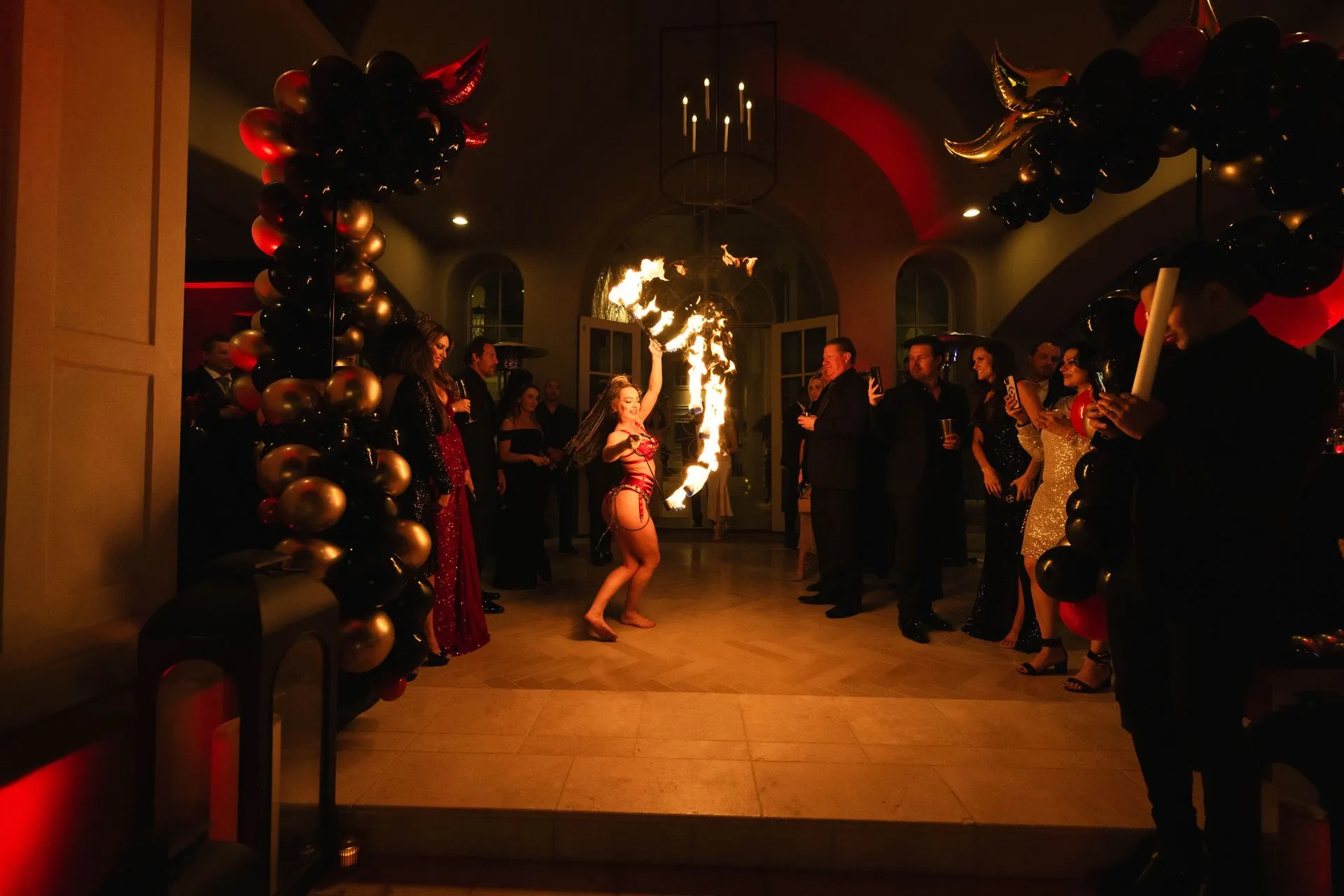
- Feature: a single act built as the moment of the night. Everyone stops & watches. This is where a fire show, an aerial piece or a headline performer earns its spot on the program.
- Fully produced: entertainment, staging, lighting & flow designed as one system rather than booked as separate line items. The right call when entertainment carries a real share of the night, not just a slot inside it.
Most events need some mix of the three. A dinner might run ambient through the reception, then hand the room to one feature moment before things open up. Knowing which tier you're paying for stops you from overspending on ambient filler or underbuilding the moment that was supposed to be the whole point of the night.
Where does entertainment fit inside the run of show?
Timing kills more entertainment than talent ever does. A performance that lands at the wrong moment, mid-meal, during a speech nobody can hear over, right as half the room steps outside, reads as an interruption instead of a highlight, no matter how good the act is.
Build entertainment into the run of show early, not as an afterthought once the schedule is locked. Know what's happening five minutes before & five minutes after each performance. A feature act needs a real transition in and out, not a scramble. Ambient performers need clear boundaries so they don't compete with a speaker or a toast. The best entertainment often reads as if it were part of the venue itself. That only happens with real timing work beforehand.
What mistakes derail entertainment at otherwise well-planned events?
We see the same three mistakes over and over, usually on events that got everything else right.
- Booking acts instead of an experience. A list of unrelated performers, each good on its own, rarely adds up to a cohesive night. Every act should serve the moment you named at the start, not just fill a gap in the schedule.
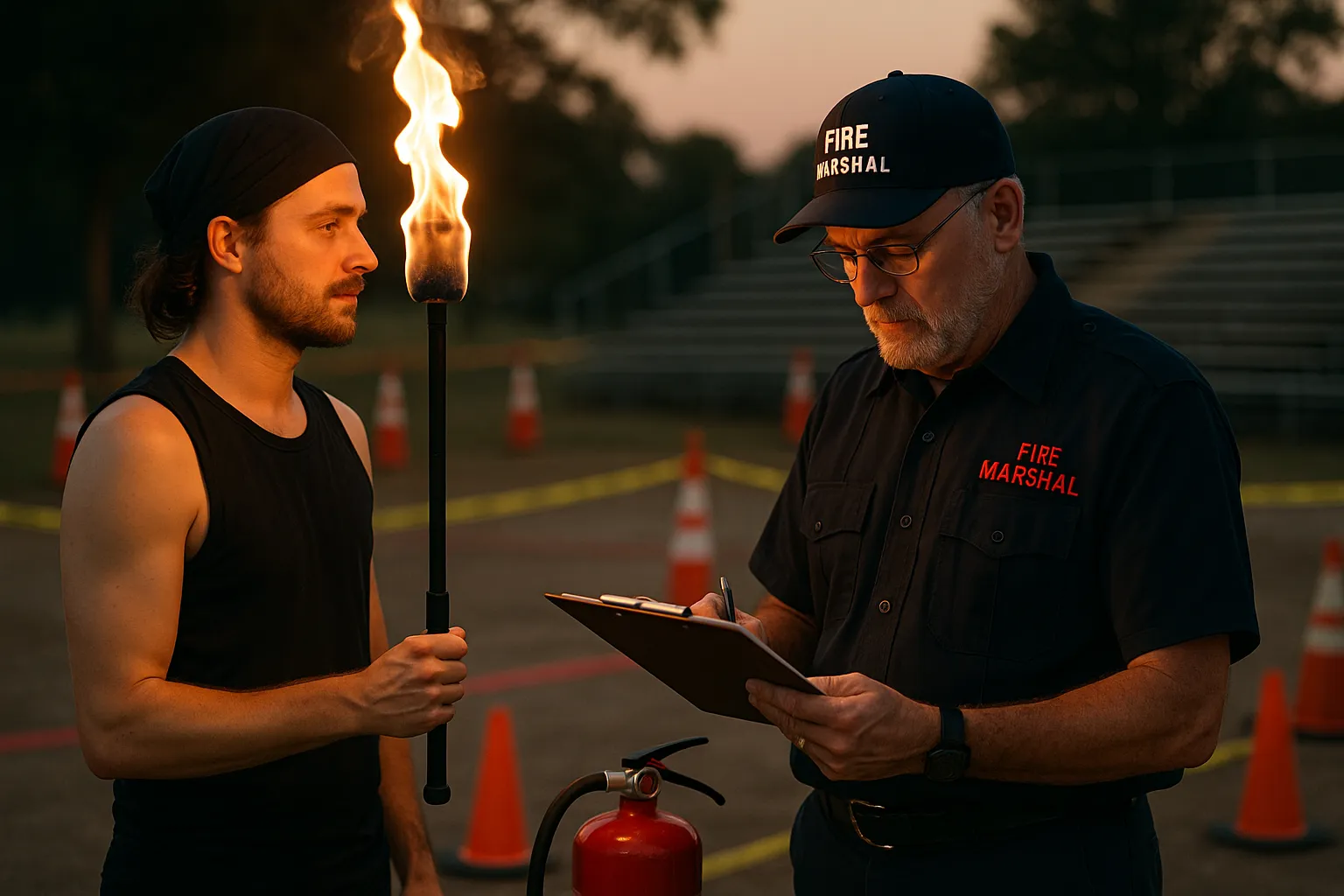
- Ignoring production, permits & insurance. Fire performance needs a permit and a safety plan. Aerial needs rigging and load checks. Skipping that isn't a shortcut, it's a liability sitting quietly until it isn't.
- Cramming too much into the night. More acts is not more impressive. It's more competing for attention, more transitions to manage & a guest experience that never settles into any one moment.
How do you vet an entertainment company before you book?
A few direct questions tell you more than any highlight reel.
- Do they carry liability insurance & handle permits, or is that on you?
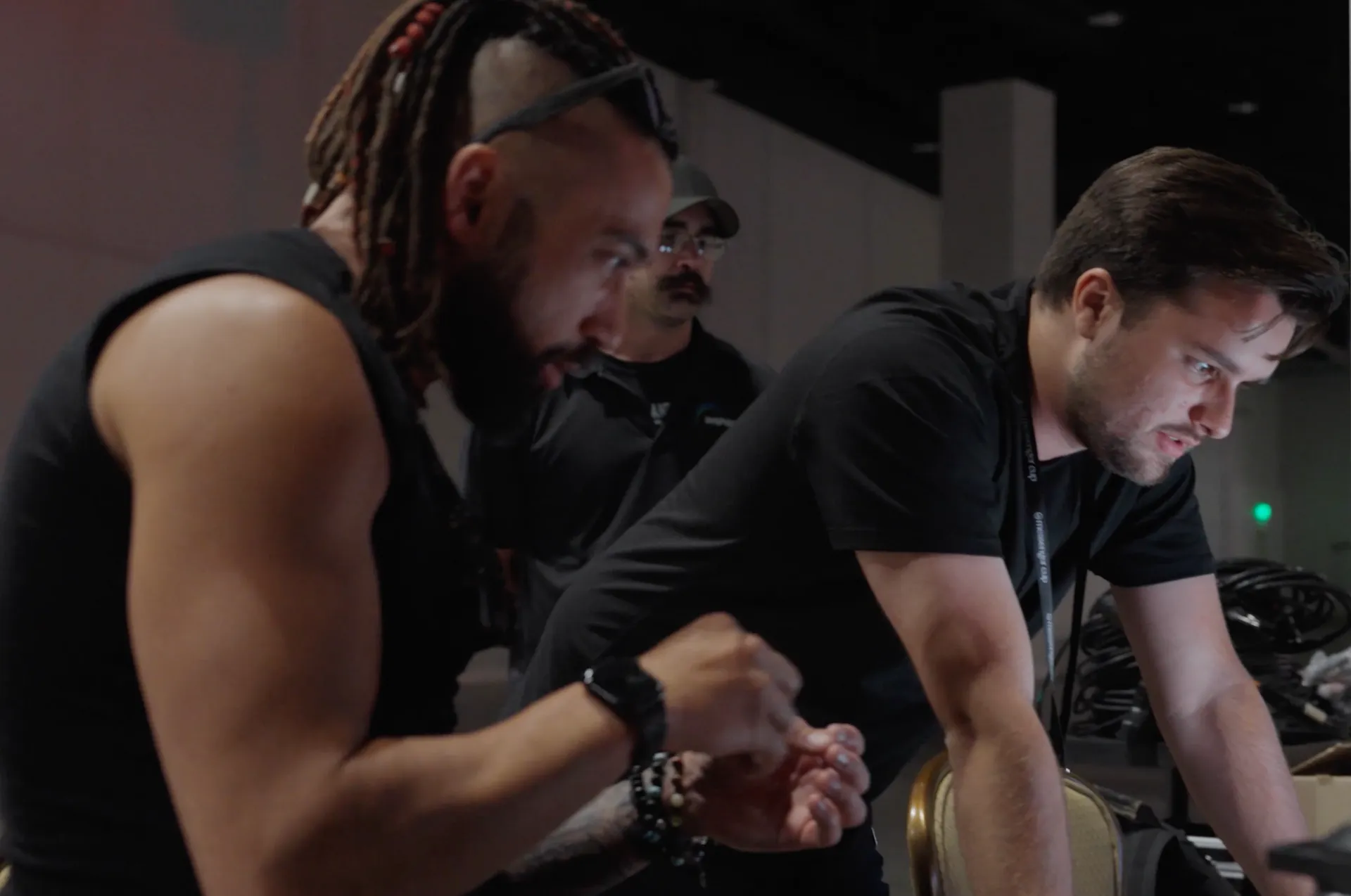
- Who's actually on site the night of, and do they own the schedule or just their own performance?
- What happens if a performer is sick or a piece of equipment fails? Is there a real backup plan, or just a hope one isn't needed?
- Can they speak to your venue's specific restrictions, ceiling height, fire code, noise limits, before you sign anything?
If a company can't answer those directly on the first call, that's the answer.
Good entertainment is not the loudest thing in the room. It's the moment that gets remembered because someone thought it through ahead of time, timed it right & owned every detail that could have gone wrong. That's the work behind the acts.
If you're planning something and want help figuring out what fits, tell us about your event. We've also written about what entertainment actually costs and how we think about event strategy and design more broadly. Our full range of custom entertainment lives at entertainment experiences.
New posts, straight to your inbox.
Real lessons from real corporate events, no filler.





-1920w.jpg)
-1920w.jpg)