How to Build a Run of Show for a Corporate Event
Somewhere around hour two, most corporate events hit the same wall. The speaker ran long, dinner came out slow, the band is waiting for a cue nobody agreed on & the person who planned the whole thing is standing by the bar doing math in their head instead of talking to their CEO. None of that is a talent problem or a venue problem. It's a timeline problem. The fix is a document most planners have heard of but few actually build: the run of show.
What a run of show is
A run of show is a minute-by-minute timeline of your entire event, from doors opening to the last guest leaving. For every segment it answers five things: what happens, when it starts, how long it runs, who owns it & what cue moves the room to the next moment. Bizzabo describes it as an event execution roadmap, a living document that lays out the full timeline with cues, ownership & contingency planning built in. That's the right frame. Your agenda is what attendees see. The run of show is what your team runs the room from.
The team at Centric Events calls it the script of your live event. That comparison earns its keep: theater has used this exact discipline for a century because a room full of people & moving parts does not stay on the rails by goodwill.
Why this one document decides whether your event lands
Events rarely fail at the segment level. The keynote is fine, the band is good & the food arrives. Events fail between the segments: a transition nobody scripted, an awkward four minutes of dead air while the AV team finds a slide, energy pushed too high too early with nowhere to land. Guests can't name what went wrong. They just remember the night feeling flat.
The stakes are rising, not falling. In the Amex GBT 2026 Global Meetings & Events Forecast, meeting professionals named improving the attendee experience with more memorable events their top priority for the second year running. And Freeman's 2026 attendee research found that while 70% of attendees rank in-person events as a top source of professional learning, only about half actually engage with keynote sessions. Attention is not given to you because people showed up. It has to be designed for, minute by minute.
What goes in one
Seven columns cover almost every event we run:
- Time: the clock start for the row, to the minute during show segments
- Duration: how long the segment actually takes, measured honestly
- Segment: what is happening in plain words
- Owner: one name. Not a team, not a vendor, one person
- Cue: the exact trigger that starts the segment (a line, a light change, a song)
- Tech: what audio, lighting & AV are doing during the segment
- Contingency: what happens if the segment before it runs long or short
If seven columns feels heavy, consider what full-scale productions run on: stage managers on large shows call 200 to 300 cues a night to keep transitions smooth & pacing intact. Your corporate event doesn't need 300 cues. It needs the same habit of deciding things before the room is watching.
How to build it, step by step
1. Start from the emotional shape, not the clock
Before any times go on paper, decide where the room should be at each stage of the night. Settled & curious at doors. Warm by dinner. Peaked once, on purpose, at the moment you choose. Landed & connected by the close. Every timing decision afterward serves that shape. This is the same thinking we walk clients through in event strategy & design. It's the step most timelines skip.
2. Block the segments, then time them honestly
List every segment of the night, then assign durations you actually believe. Buffets take longer than the caterer says. Award winners walk slower than you think. A room of 300 people does not quiet down in zero minutes. Honest times now save public gaps later.
3. Put one name on every row
The single most common failure we see in other people's timelines: shared ownership. When the cue belongs to three people it belongs to no one. The room can feel the gap while they look at each other. One owner per row & one person who owns the whole document on the night.
4. Script the transitions like segments
Give every transition its own row, with its own owner & cue. The 90 seconds between the CEO's toast & the band's first song is not empty time. It's the moment the room decides whether the night has momentum. Walk-in music, a light shift, an emcee line: something intentional carries the room across.
5. Rehearse the handoffs, not the acts
Your speakers know their remarks & your performers know their sets. What nobody has practiced is the seam between them. On the walkthrough, skip the middles & run the edges: the last 30 seconds of each segment into the first 30 of the next. That hour of rehearsal buys more polish than any other hour you'll spend.
6. Build the contingency column last
Once the timeline is real, walk it & ask one question per row: what happens if this runs long? Decide now what compresses & what never gets cut. When dinner runs 20 minutes over on the night, you want that decision already made, calmly, weeks earlier.
Where entertainment fits
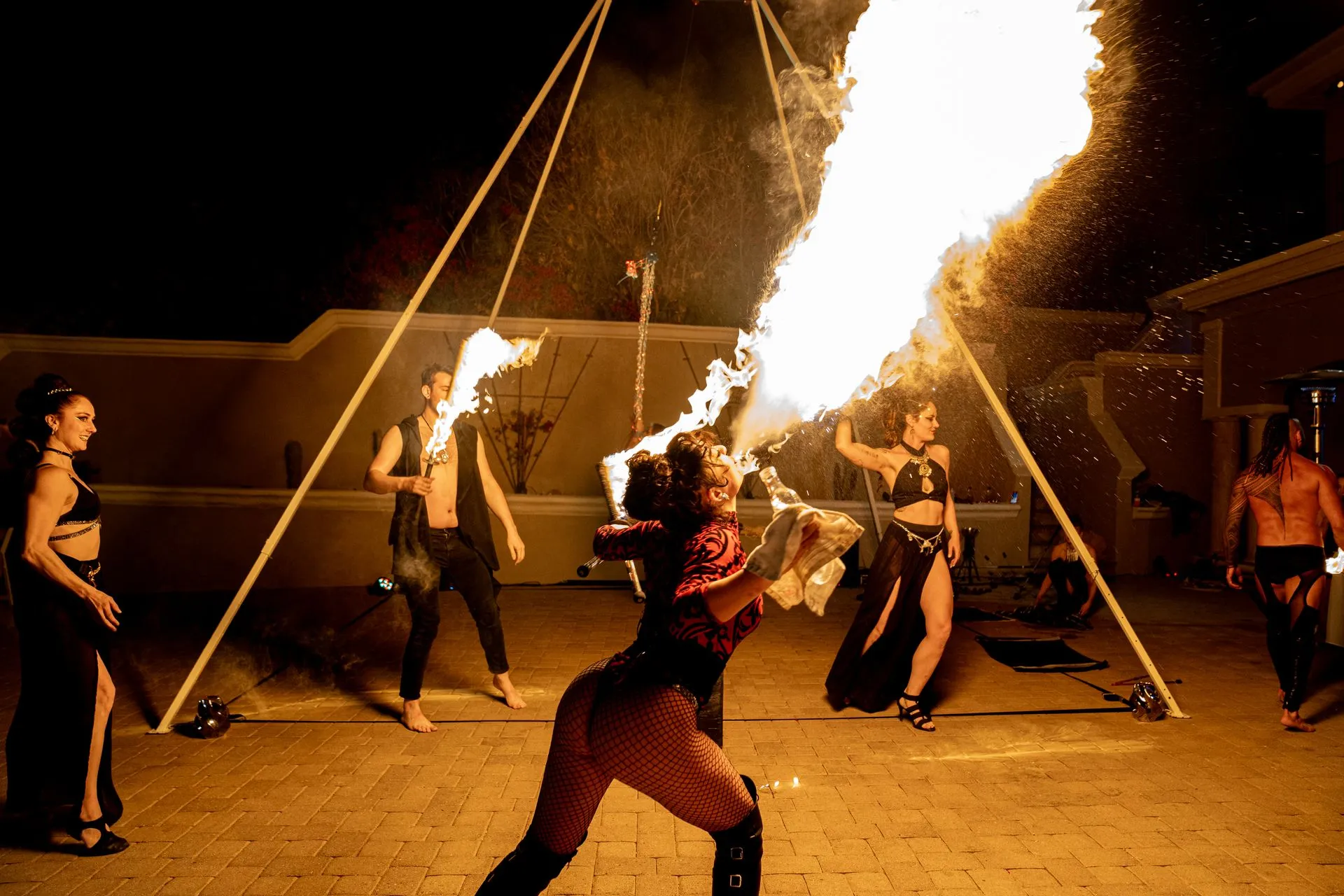
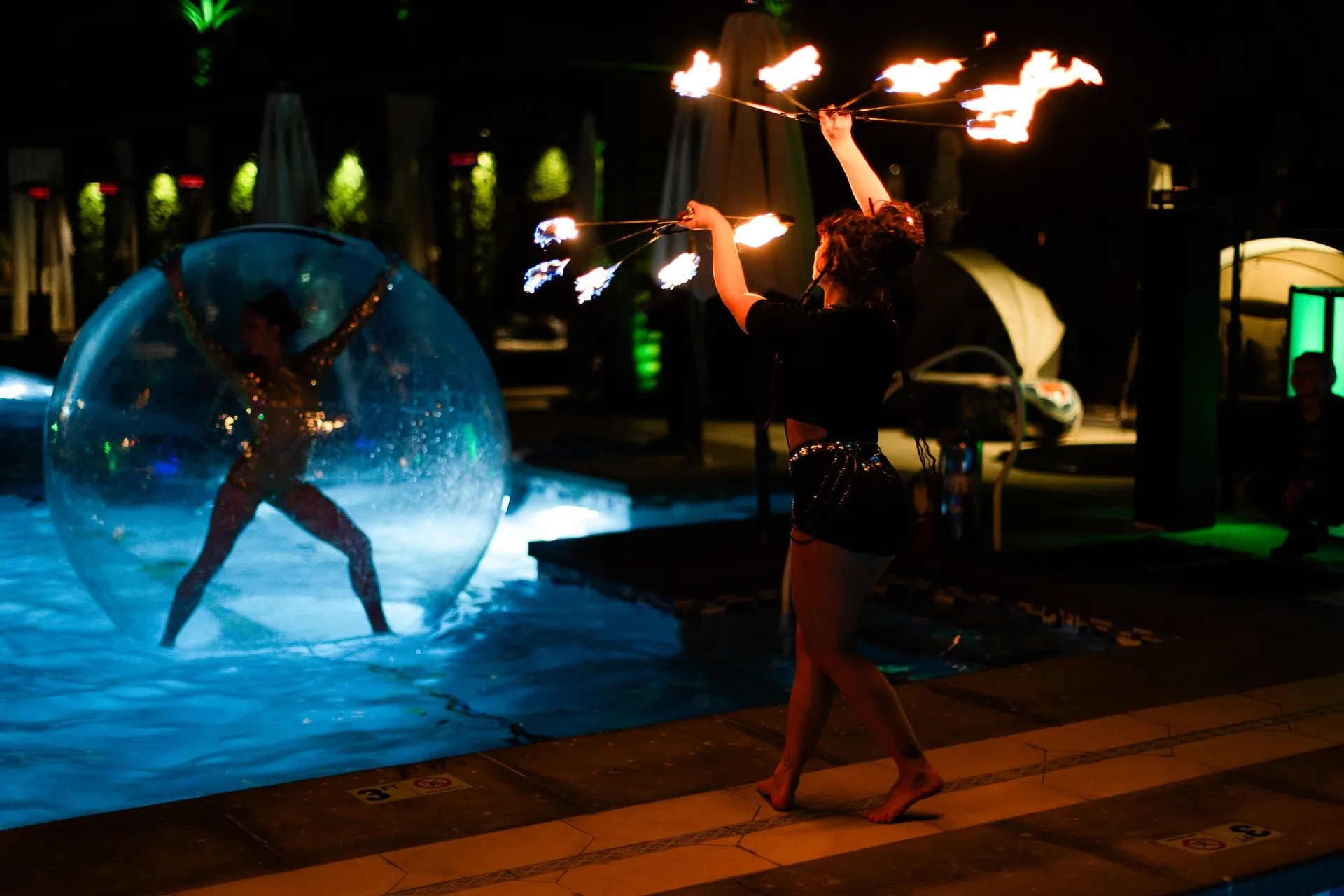
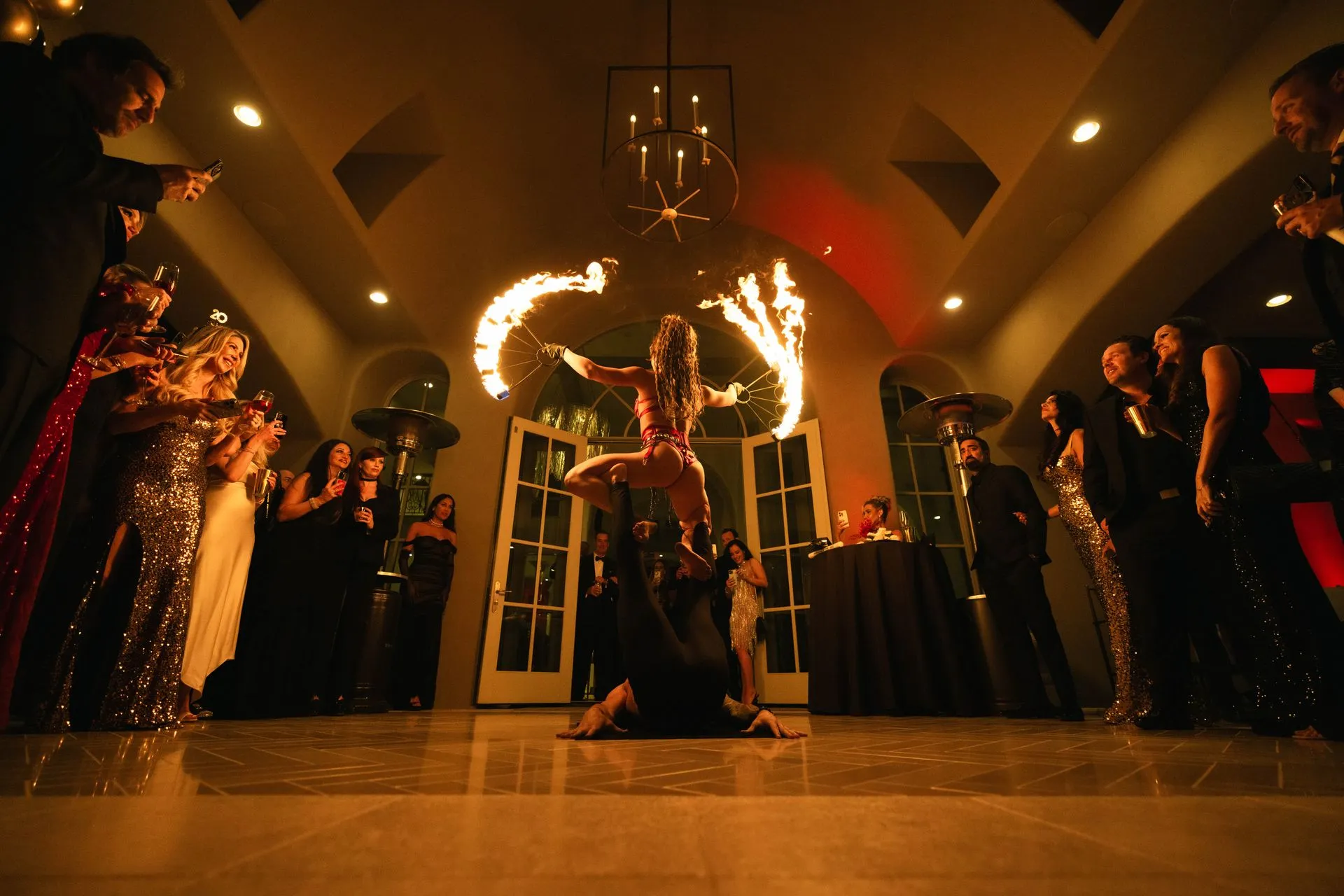
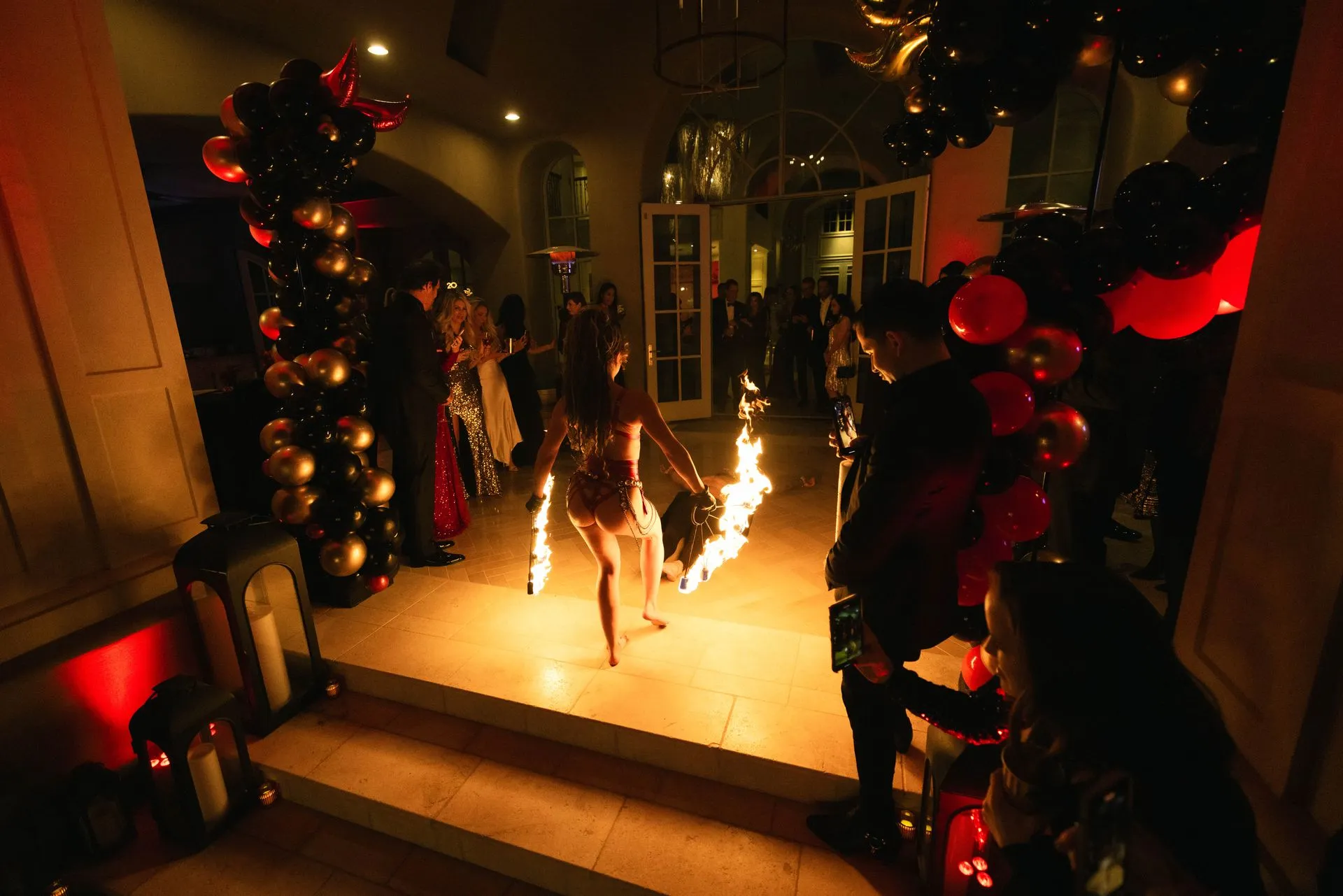
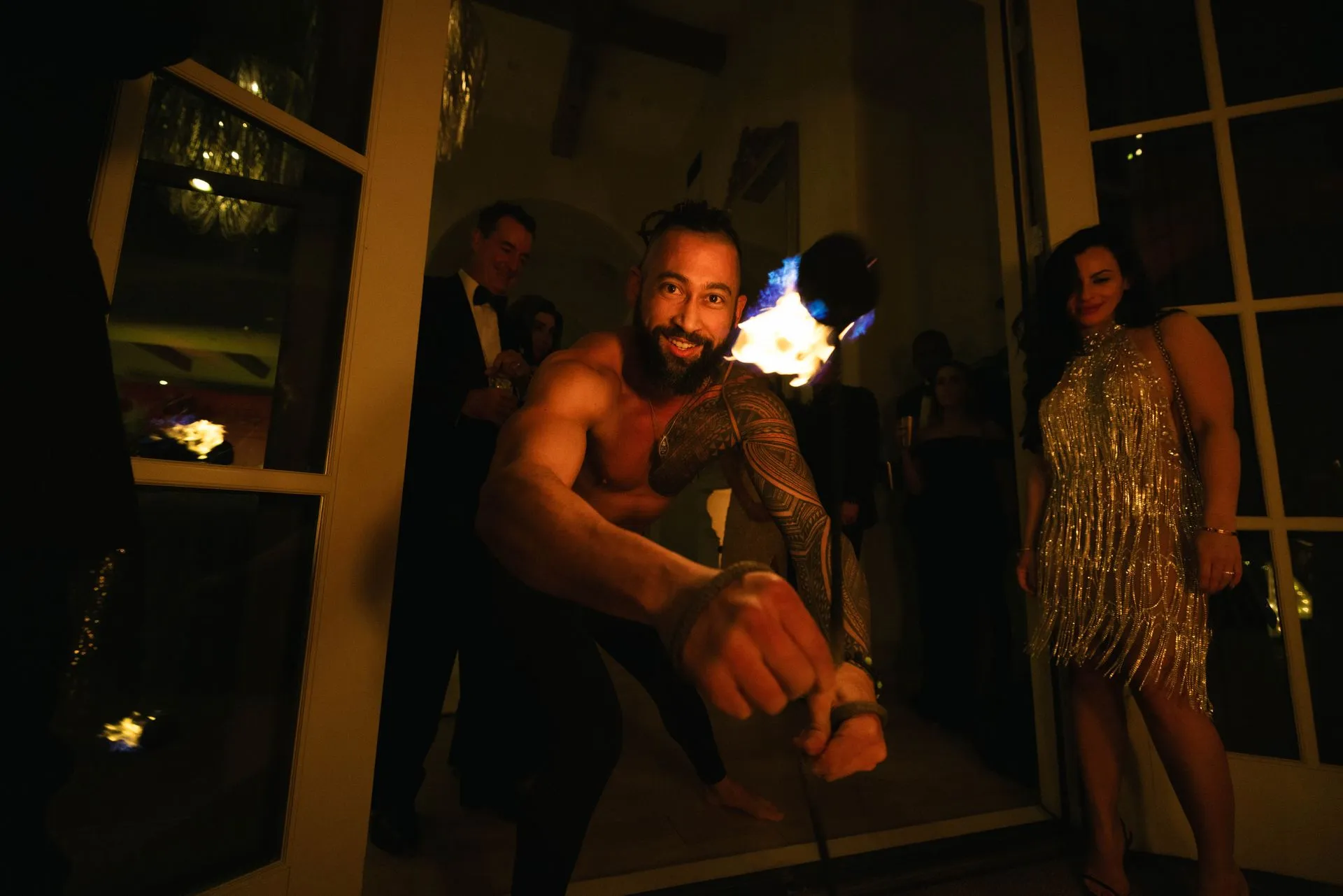
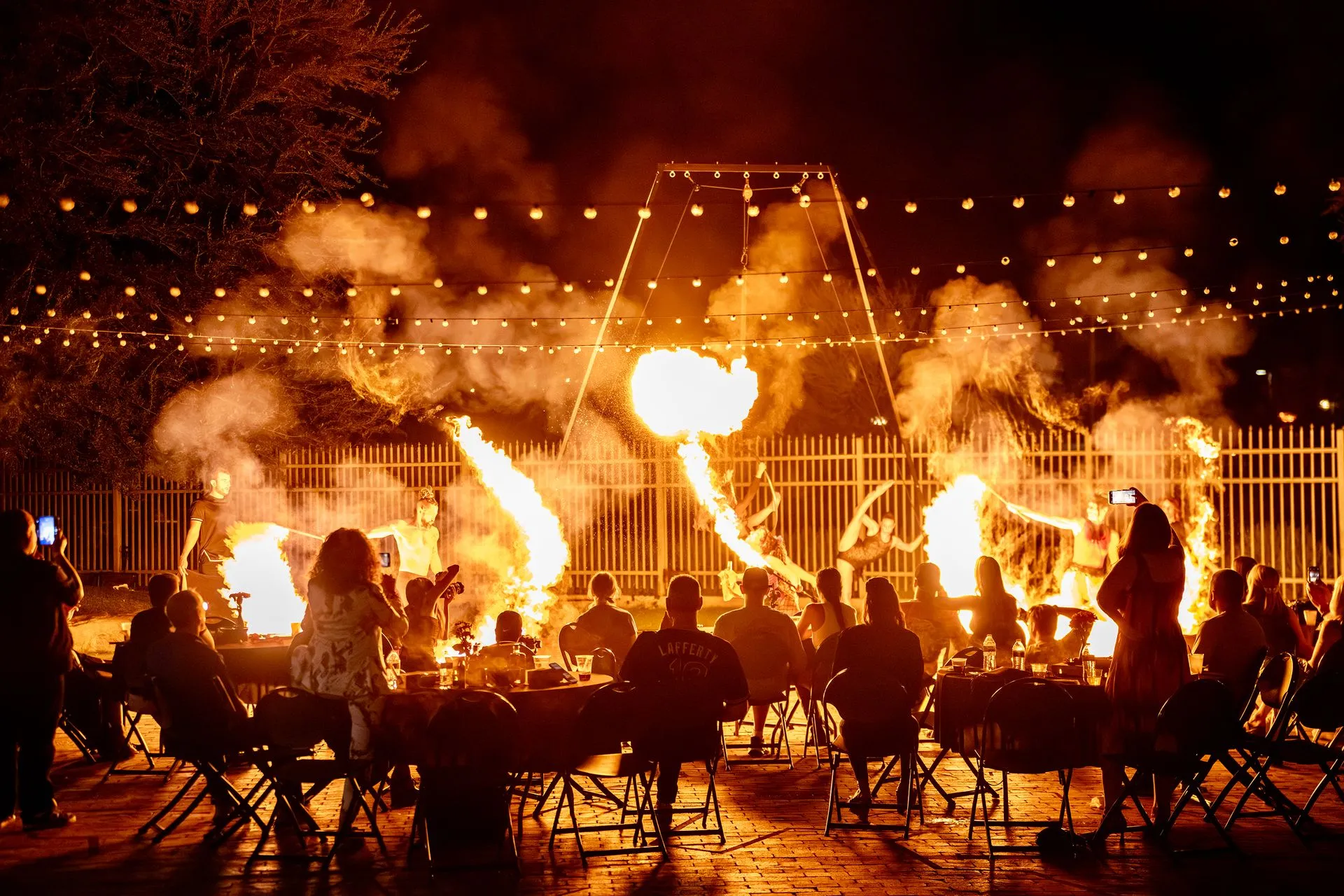
Entertainment placed by the clock is filler. Entertainment placed by the emotional shape is punctuation: it lifts the room right when the energy would naturally dip & gives the night its peak on purpose. That placement question, not the act itself, is usually the difference between entertainment people watch & entertainment people feel. It's also why the answer to what entertainment costs is really a question about what the moment is doing for the room, which we break down in our guide to corporate entertainment pricing.
Run of show FAQs
What's the difference between an agenda & a run of show?
The agenda is the guest-facing outline: dinner at 7, speaker at 8. The run of show is the internal, minute-by-minute version with cues, owners & contingencies. If your agenda has a column for who calls the lighting change, it's already becoming a run of show.
Who should own the run of show?
One person, present in the room, empowered to make timing calls on the night without a committee. At events we produce, that's us, so the planner can actually be at their own event. Whoever it is, the room should never be waiting while two people decide whose call it is.
How detailed should a run of show be?
Minute-level during show segments (speeches, performances, awards, reveals), five-minute blocks during open flow (cocktails, dinner service, dancing). Detail follows risk: the parts of the night where timing is visible to guests get the tightest rows.
When should a run of show be locked?
Structure locked two weeks out, final version 48 hours out & one owner for any changes on the day. A run of show that's still being edited by group text at 5pm is a warning sign, not a workflow.
If you'd rather hand the whole timeline to someone who builds one every week, that's the job. Tell us about your event & we'll show you exactly what we'd do with your room: start the conversation here.
New posts, straight to your inbox.
Real lessons from real corporate events, no filler.

-1920w.jpg)
-1920w.jpg)