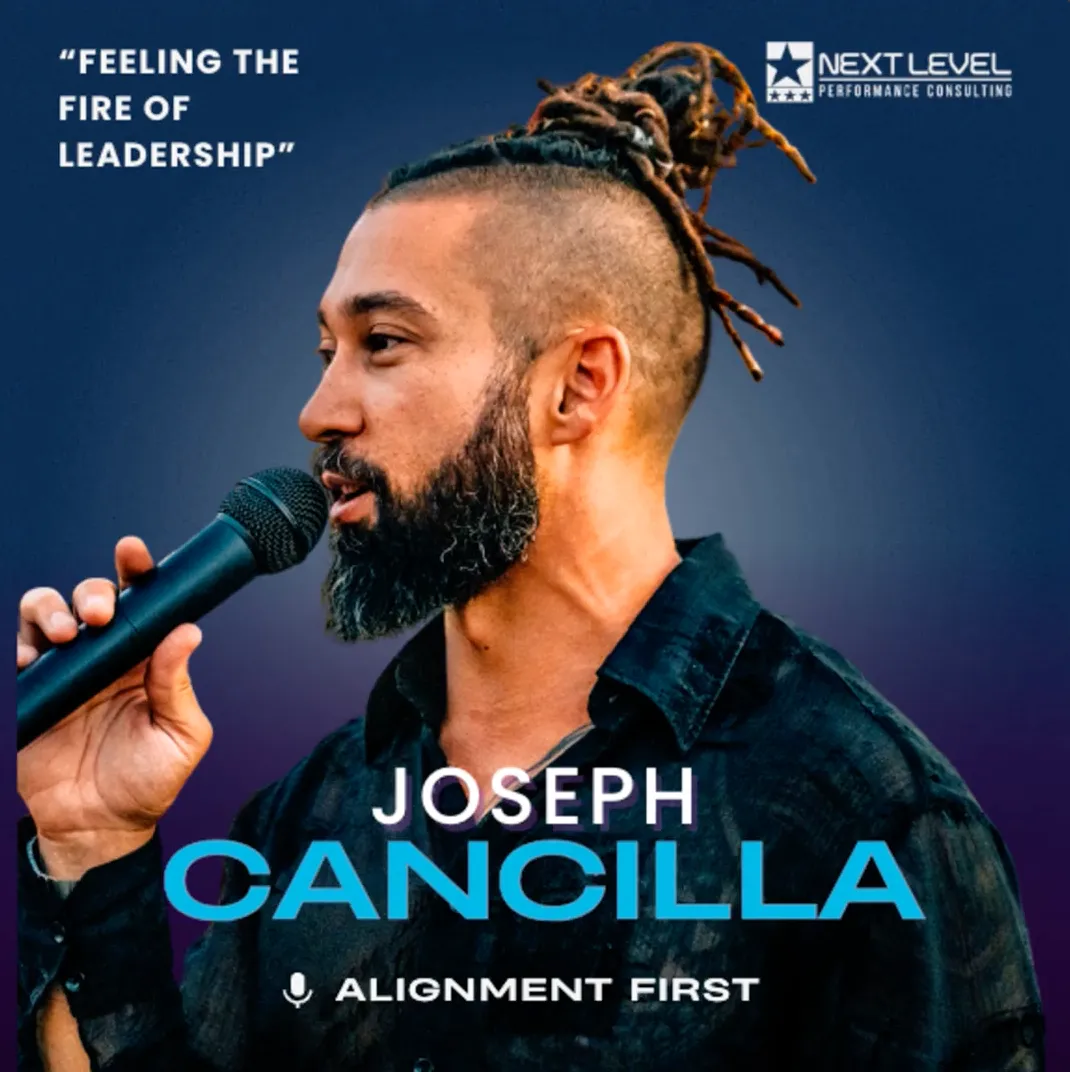
Feeling the Fire of Leadership Podcast
What fire, grief, and 30 bad shows on a microphone taught me about designing events people actually remember.
Estimated read time: 9 minutes Originally shared on the
Alignment First Podcast with Mycal Anders— expanded here.
I was in a three-piece suit. 75 executives in a conference room in Park City, Utah. The kind of summit where everyone is networking hard and nodding harder.
The organizer opened the first morning with a simple icebreaker: What's the most unique thing about you?
I was the third person to go. I said I was a Samoan Fire-Knife dancer.
Dead silence.
By the first break, she had asked me to perform at the closing dinner. By the end of that day, my wife at the time, had driven an hour to my house to pick up fire equipment I had only touched once in six years.
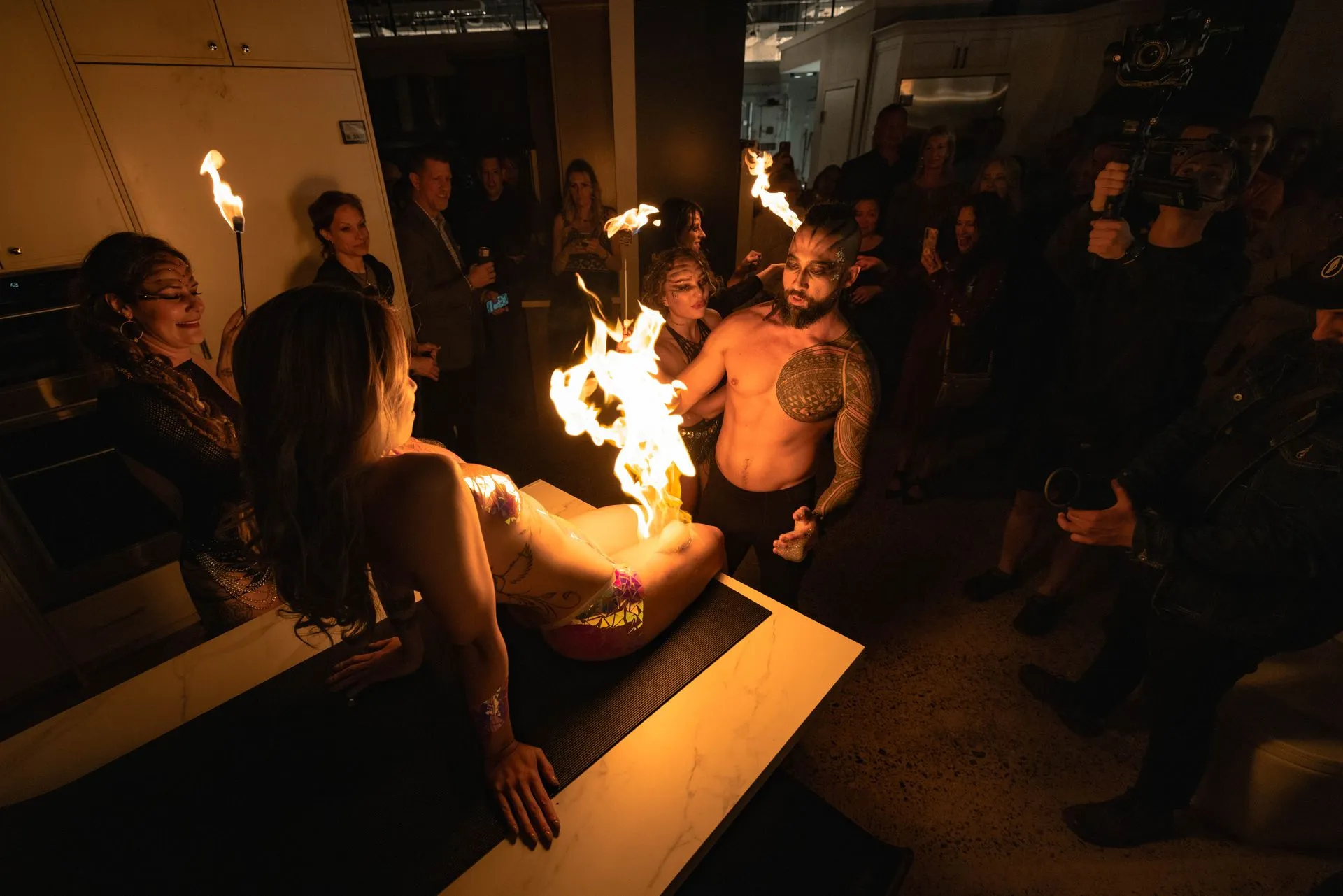
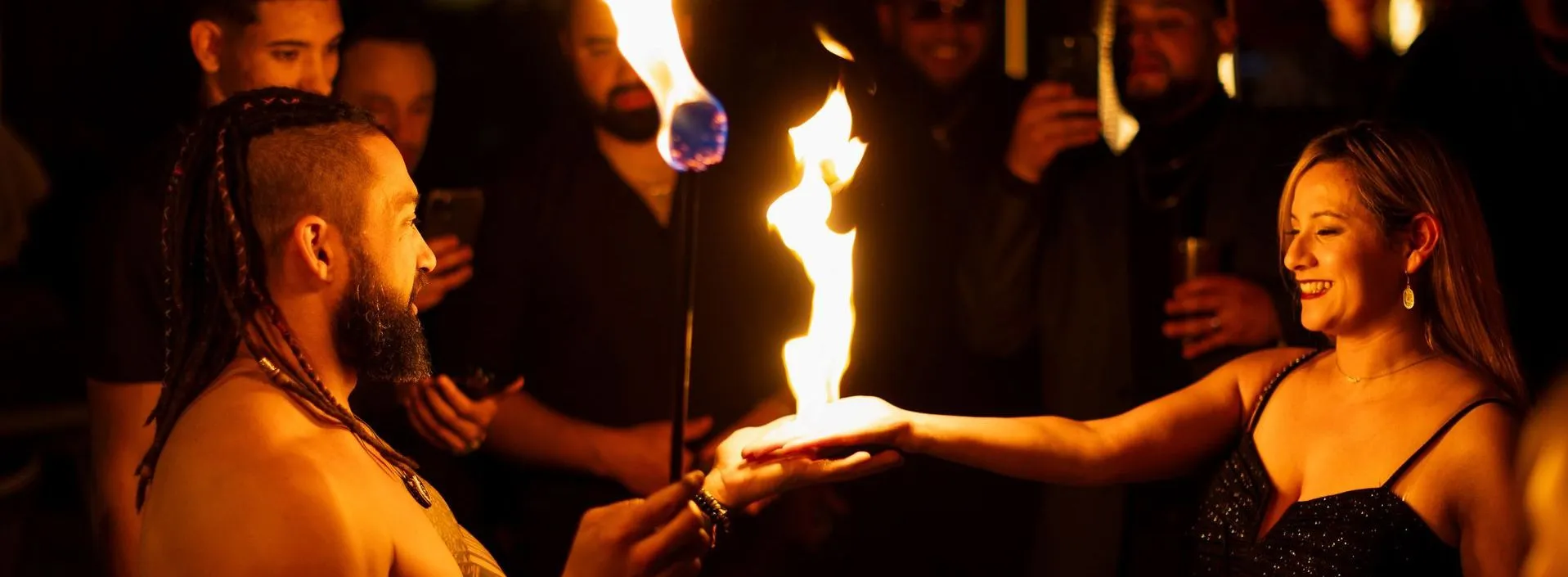
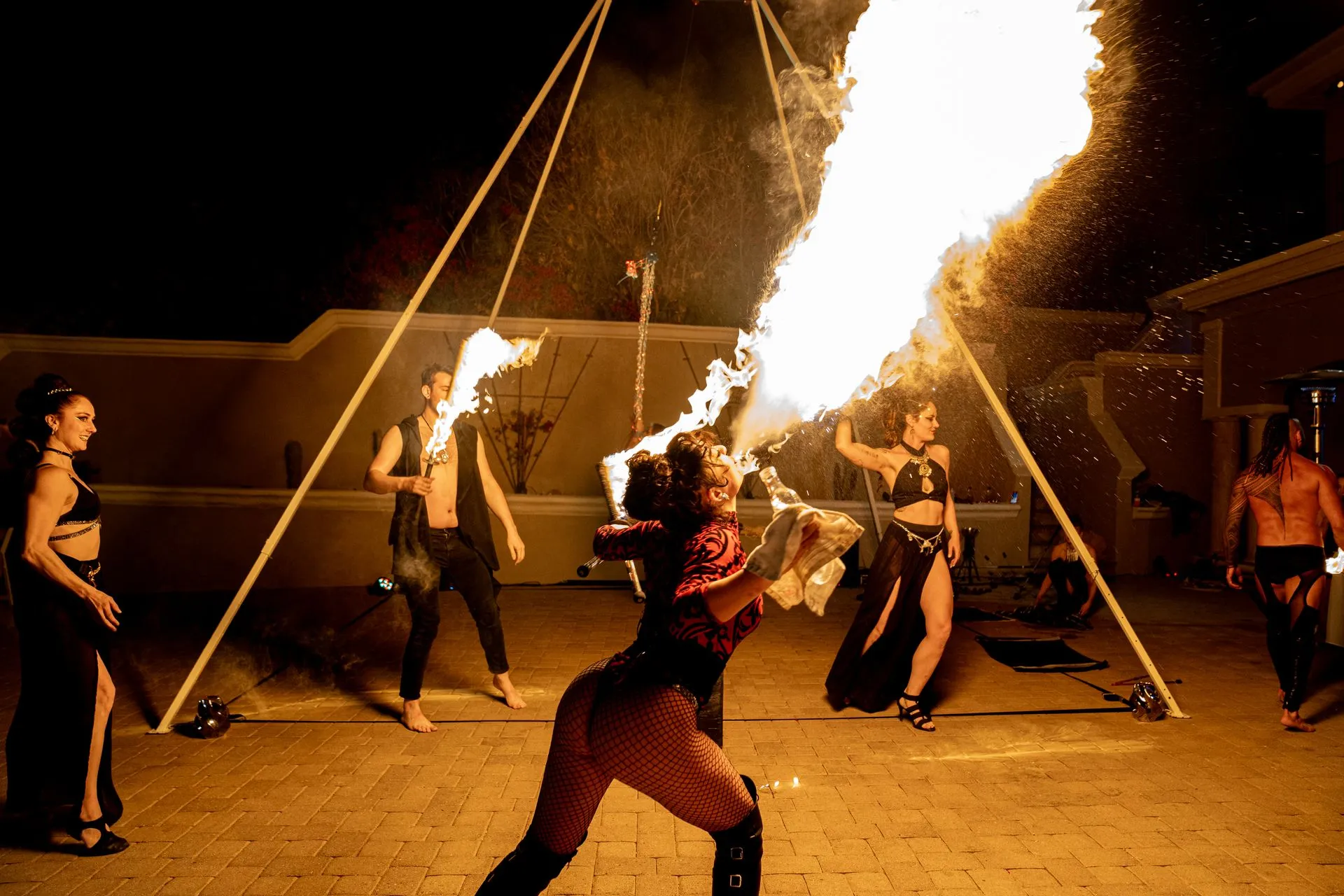
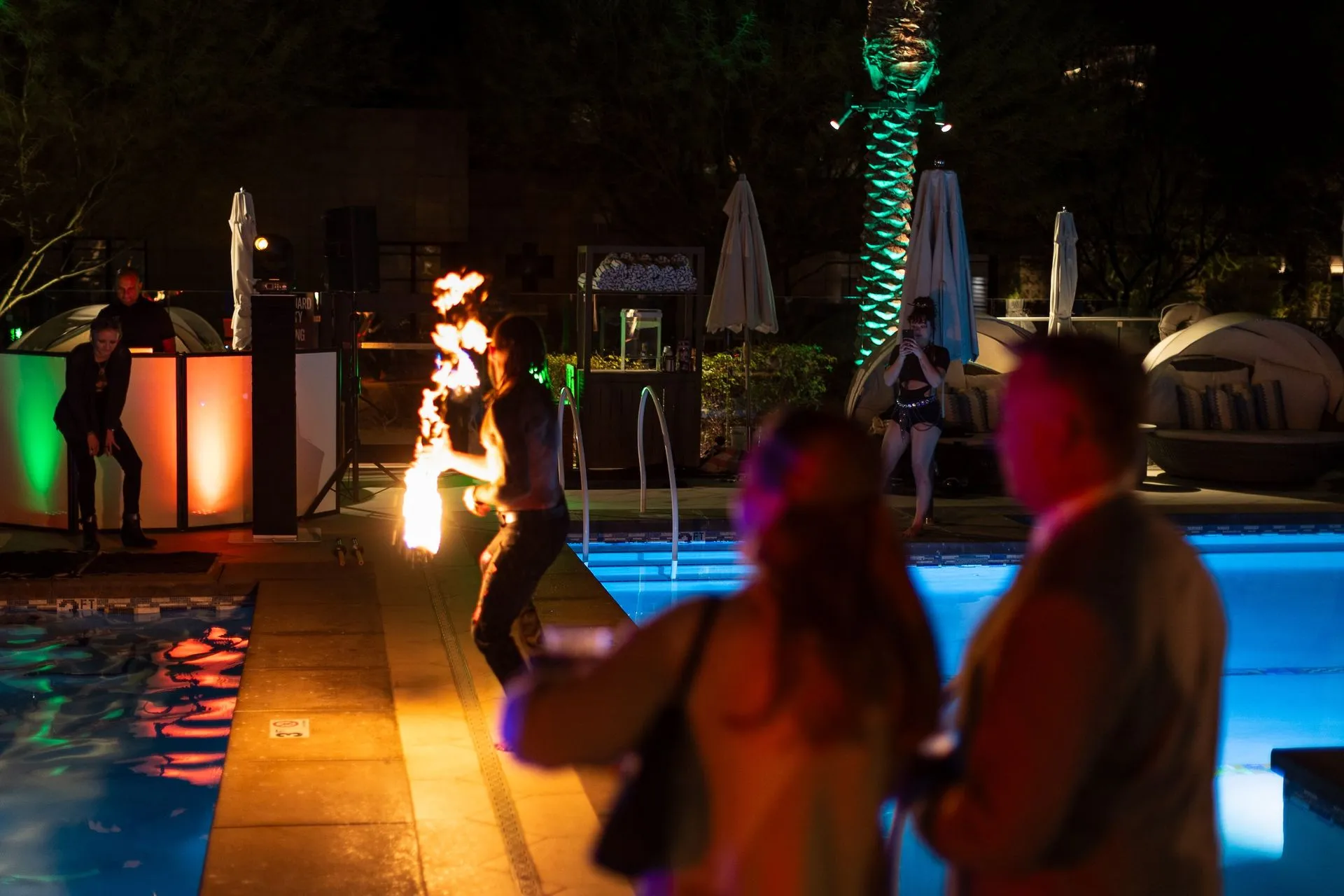
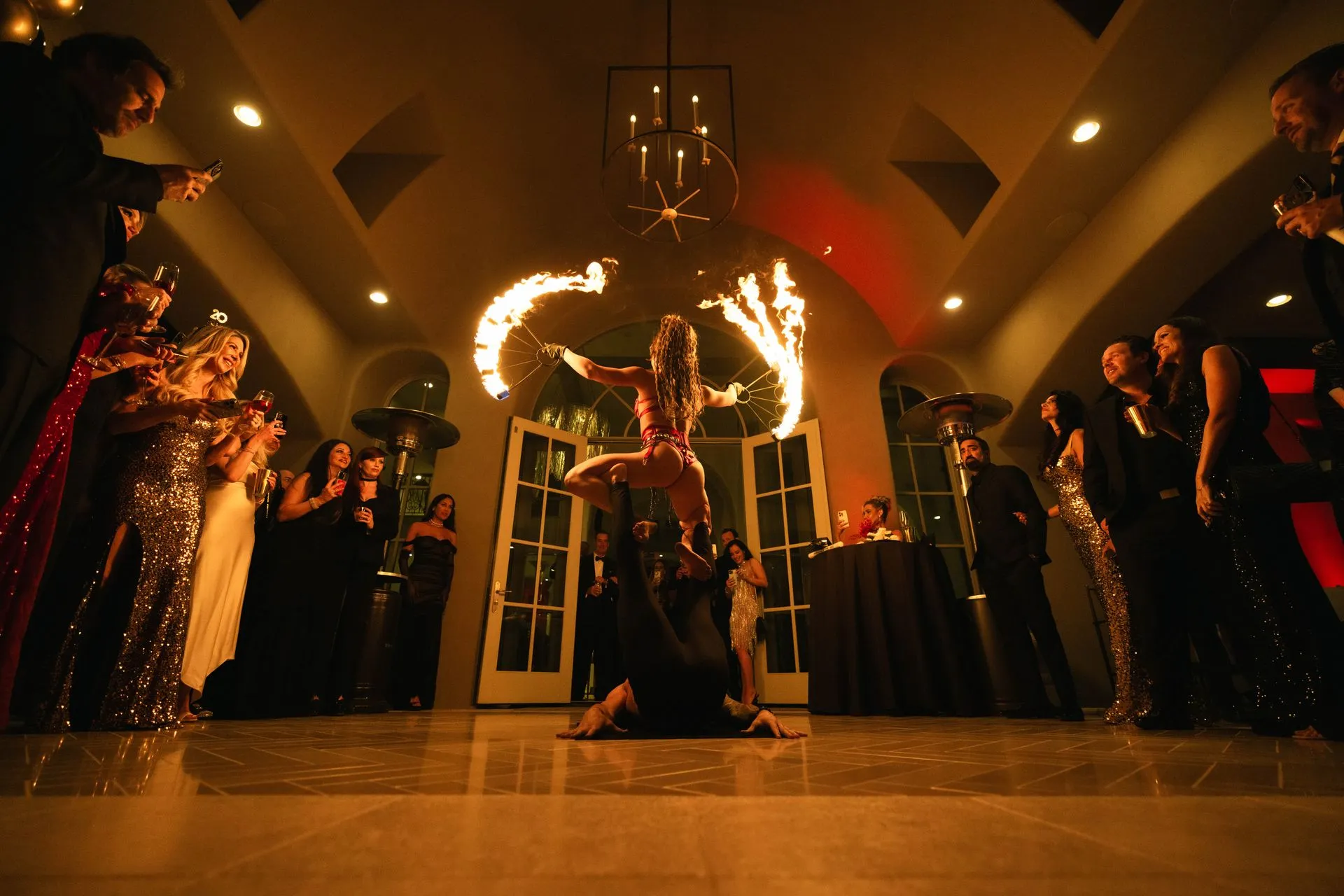
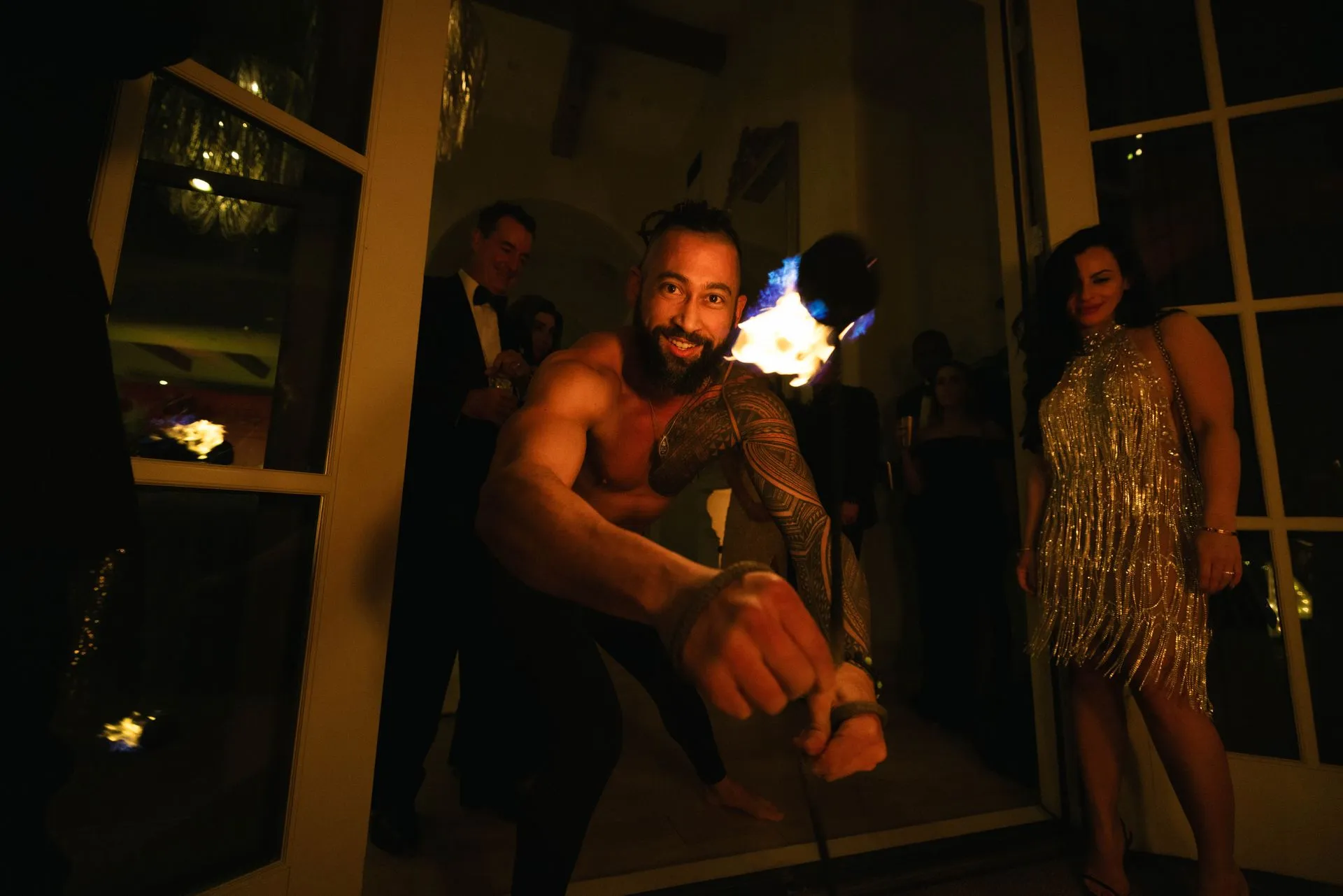
That night, I went from that three-piece suit to a small sarong and leaves wrapped around my head. I set up a tiny Bluetooth speaker in the courtyard, put on some Polynesian music, and started throwing fire in front of a crowd of corporate executives who had no idea what they were about to feel.
That was the night that changed the direction of everything I was building.
But to understand why, you need the part of the story I don't usually tell first.
The Six Years I Didn't Touch Fire
My brother and I learned fire together.
We were teenagers in Utah, driving up and down the valley doing Polynesian fire shows for $50. I started training with fire when I was 12. He was right there with me. That was our thing: our shared language, our hustle, our version of growing up.
When he died, I didn't pick up any of my fire equipment for six years.
I also didn't grieve. Not really. Instead, I did what a lot of us do when something is too heavy to look at directly: I got busy. I built a marketing company to 15 employees. I worked 14-hour days. I filled every hour until there was no space left for what needed to come out.
Research on grief and avoidance is consistent on this: busyness is one of the most socially acceptable ways to avoid emotional processing. Nobody tells the productive person to slow down. The calendar stays full. The feelings stay buried.
I'm not sharing this to be heavy. I'm sharing it because it's the only honest answer to the question I get asked all the time: Why does Hana design events the way we do?
The answer comes from what I learned when I finally stopped running from what I felt & started understanding what presence actually costs & what it gives back.
What the Marine Corps Taught Me to Unlearn
Before the fire, before the marketing company, before any of this, there was six years in the United States Marine Corps.
The Corps gave me real things: discipline, standards, the ability to function under pressure, and a value system I still carry. But it also gave me a set of operating defaults that were genuinely harmful in a civilian world.
The biggest one was empathy.
Not that the Marine Corps killed it. I'll be honest, I was already working on a deficit before I enlisted. But by the time I got out, empathy wasn't in my vocabulary at all. I didn't understand why people needed validation. I couldn't comprehend why someone would want me to acknowledge their experience without immediately solving it or dismissing it.
I eventually learned that you can validate someone's experience, really feel it with them, without agreeing with them and without enabling them further. That distinction sounds small. It changed how I lead a room.
And leading a room, literally and figuratively, is the entire job.
$300 and One Contact
November 2023. My partner Rose and I moved to Arizona.
One contact in the state. $300 left in the bank after the move. Every bill from Utah still running. Arizona bills starting on top of them.
No promised income. No safety net. Just a clear direction and a decision that the old way of doing things had run its course.
I didn't have a plan. I had clarity, and I'd learned by then that those are not the same thing, but clarity is the one worth betting on.
I got relentless about networking. Found a group called Scottsdale Living. Started showing up everywhere. One connection led to another. From $300 and one contact, we built something real in this market faster than I expected, because I'd finally learned to let people in instead of just performing at them.
That distinction, performing at versus pulling in, became the core design principle behind everything we create at Hana.
30 Shows of Being Genuinely Bad on a Microphone
When my original emcee partner left the company, everyone looked at me.
I didn't want the job. I had spoken from a stage in other contexts, but picking up a microphone to host a fire show, coordinating performers, managing client expectations, keeping the audience's attention & doing all of that in real time with no transition, was something else entirely.
I was bad. Not charmingly rough. Bad bad.
I'd come off setting up speakers, coordinating with six performers, handling last-minute client requests & walk directly to the microphone with zero time to collect myself. I'd say things the audience didn't respond to. I'd make jokes that landed flat. I'd blank on everything I meant to say the second I stepped in front of the crowd.
It took about 30 shows before I started to get it. The shift was clarity on the impact I was after, more than confidence. Once I stopped thinking about how I was coming across and started thinking about what I wanted people to feel when they walked away from the show, the delivery followed.
Now I can walk into any room, pick up a microphone, and go. But the reps weren't glamorous. They were the whole thing.
What All of This Built
Here's what 28 years working with fire, six years of grief I didn't touch, one Marine Corps discharge, 30 rough shows on a microphone, and a $300 relocation to a city where I knew no one have in common:
They all taught me the same thing about presence.
Presence is a design choice, not a performance.
Most people think of presence as something a performer has or doesn't have: natural charisma, stage confidence, star quality. And sure, those things exist. But what I've learned from standing in front of thousands of audiences across three states is that presence is engineered, not faked.
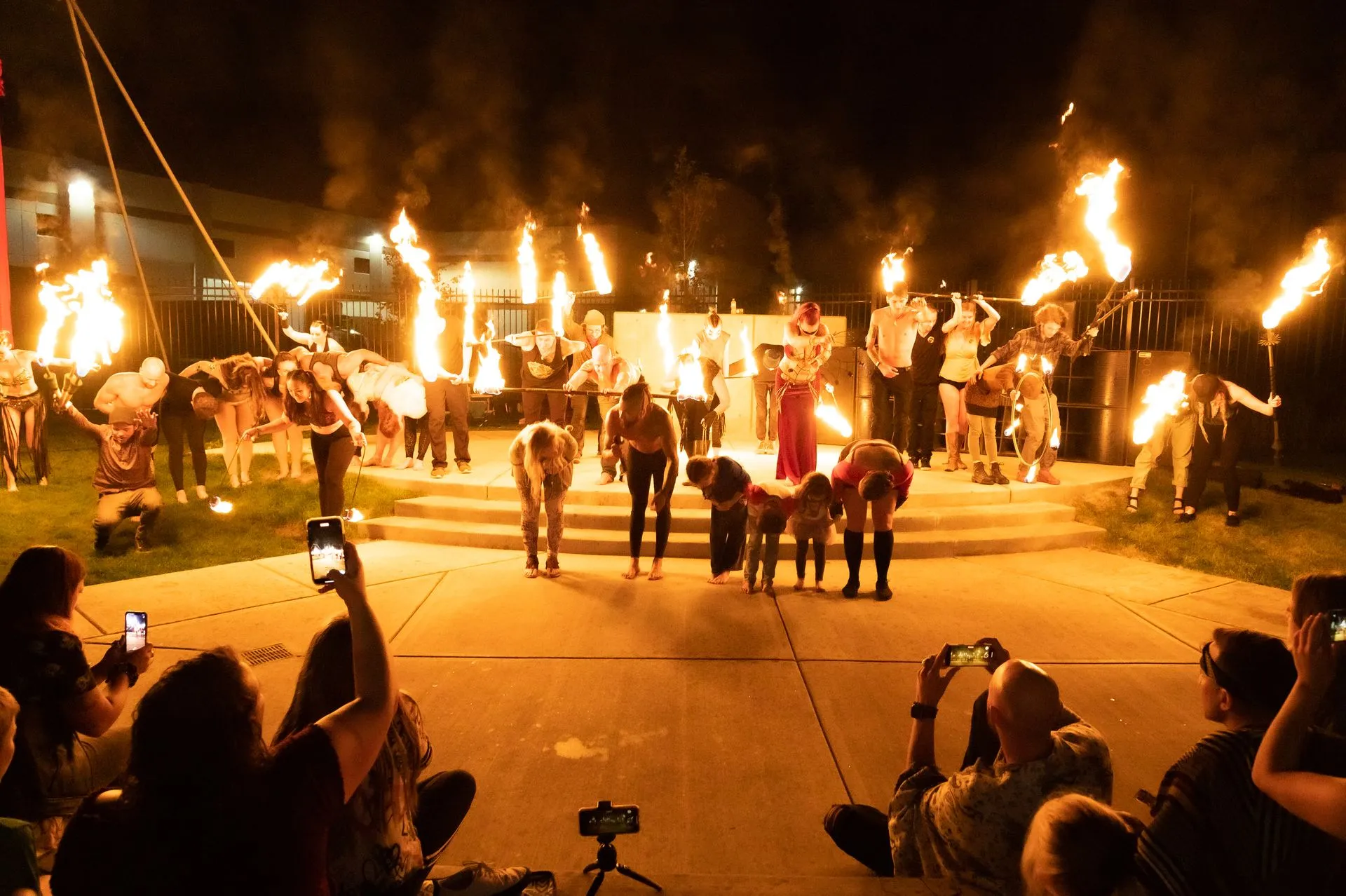
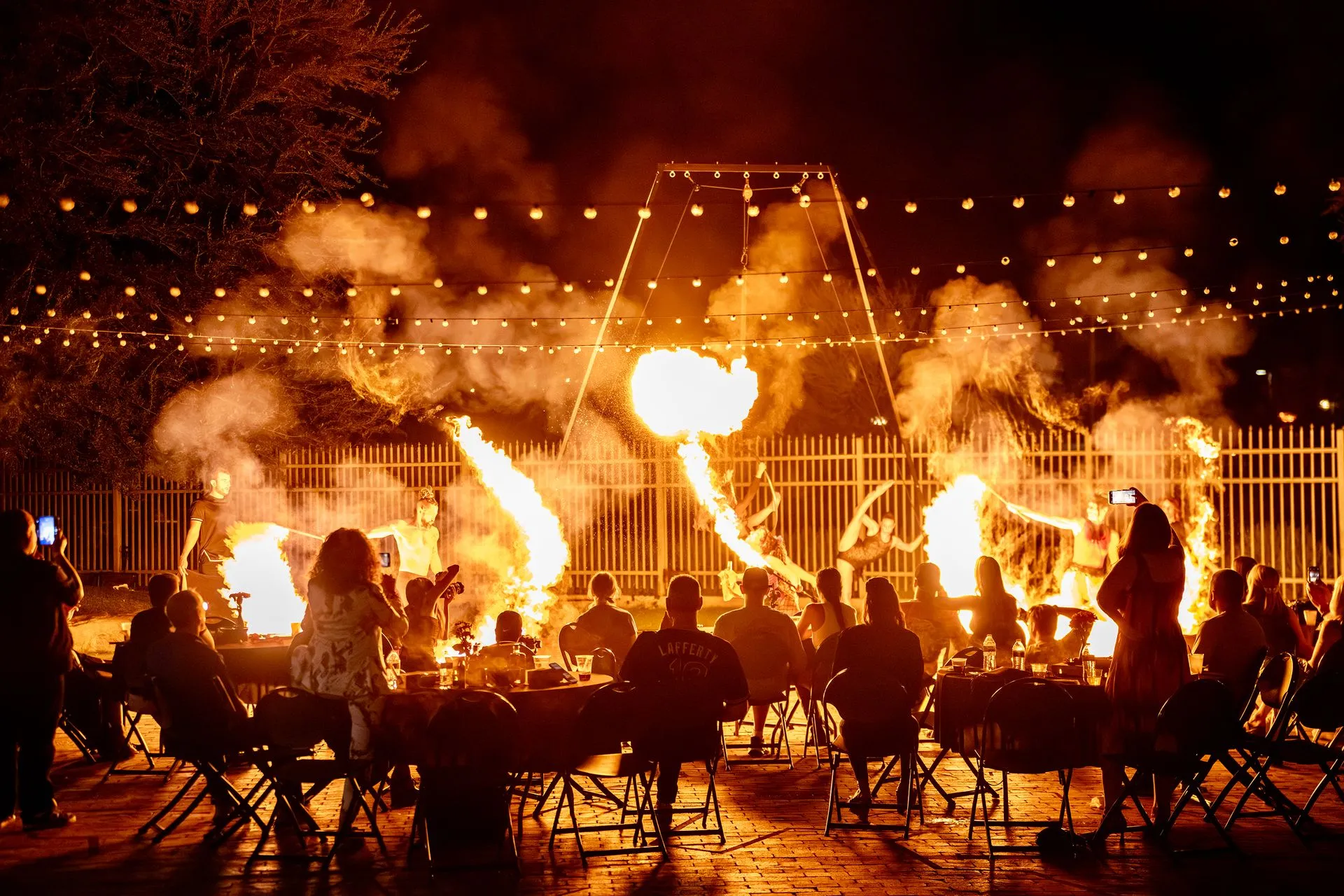
The music that starts three minutes before the performance begins, the pacing of the reveal, the silence before the chaos, the way the emcee frames what the audience is about to experience: none of it happens by accident. The moment we call "Chaos," our grand finale, where all performers go at once, no choreography, pure free-flowing presence shared with the room, is the result of every decision that came before it.
At Hana Events + Experiences, that's what we're actually selling. Not fire. Not performers. Not a show.
We're selling the conditions for that room shift: from checked-out to present, from scattered to connected, from "another corporate event" to something people talk about six months later.
Why Most Corporate Events Still Miss It
I'm going to be direct about something.
Most corporate events fall flat not because the logistics failed, but because nobody was responsible for how the experience felt.
Eight vendors. Zero owners of how the experience felt. Everyone did their job. The AV worked. The catering was on time. The entertainment showed up. And still, two hours in, half the room is on their phones.
The questions nobody asks their vendor list:
- Who is responsible for how the transitions feel?
- Who owns the emotional pacing of the evening?
- Who is thinking about what guests carry out of that room?
When nobody owns those questions, the experience fragments, not because anything went wrong, but because the connective tissue was never designed.
That fragmentation is what Hana exists to solve.
We're not a talent broker & we're not an entertainment vendor who shows up, performs & leaves. We take responsibility for how the whole thing feels, from the concept through the compliance through the custom design through the closing moment.
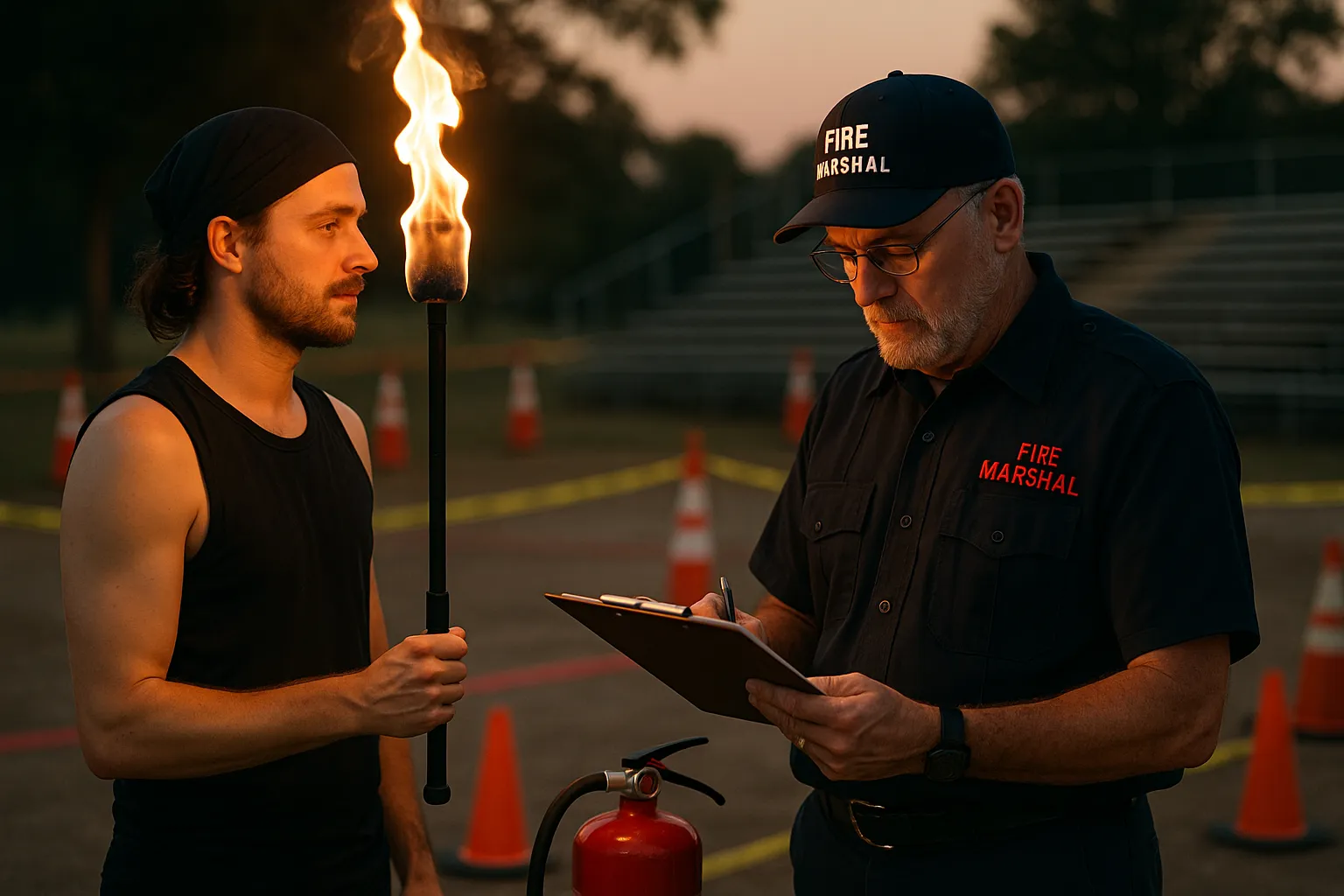
Fire permits, jurisdictional compliance, performer management, run of show, custom entertainment built around your audience and your outcome: we own all of it, so you don't have to manage eight conversations to pull one room together.
Someone has to be responsible for how the experience feels.
That's the job. That's the whole job.
What We Build at Hana
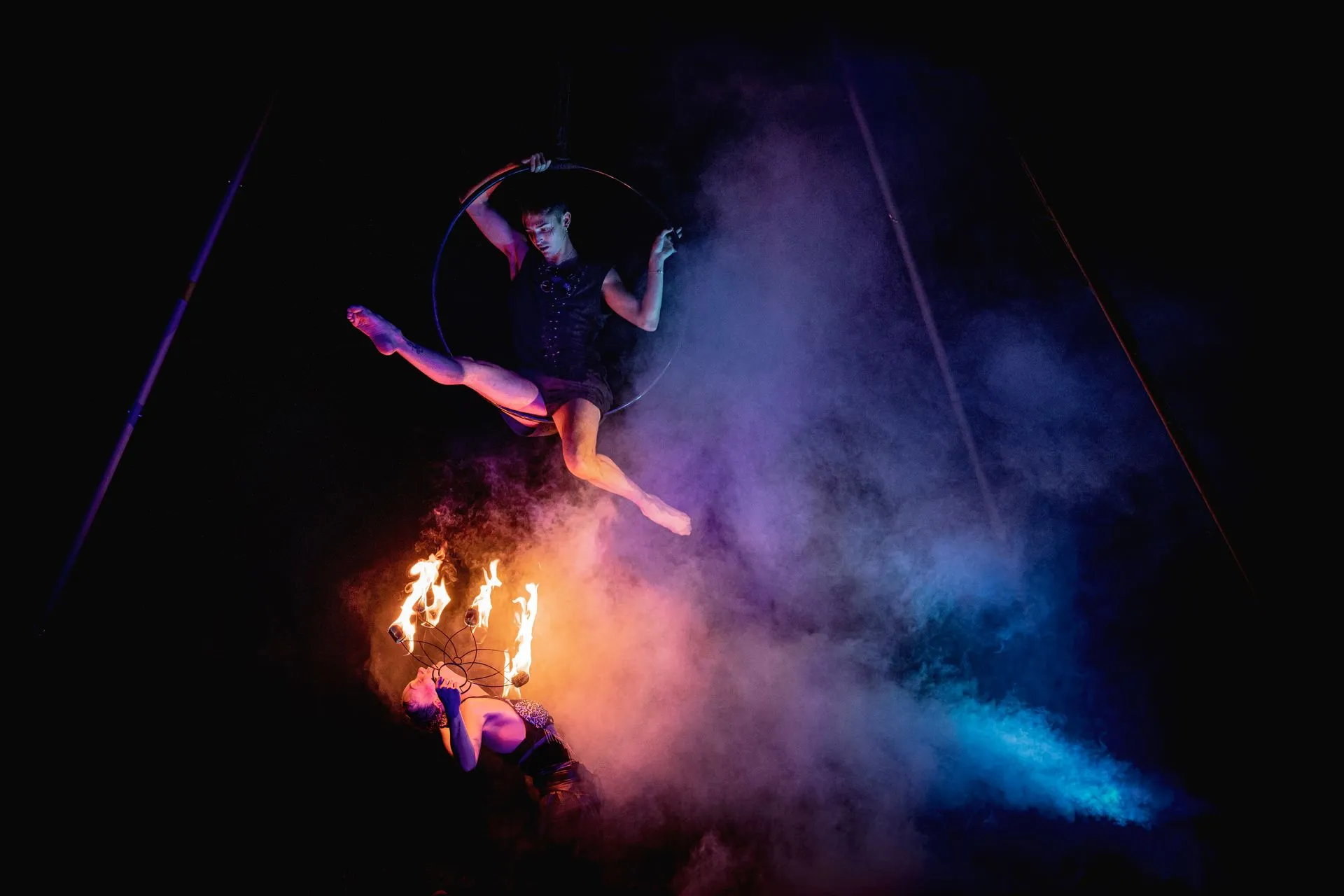
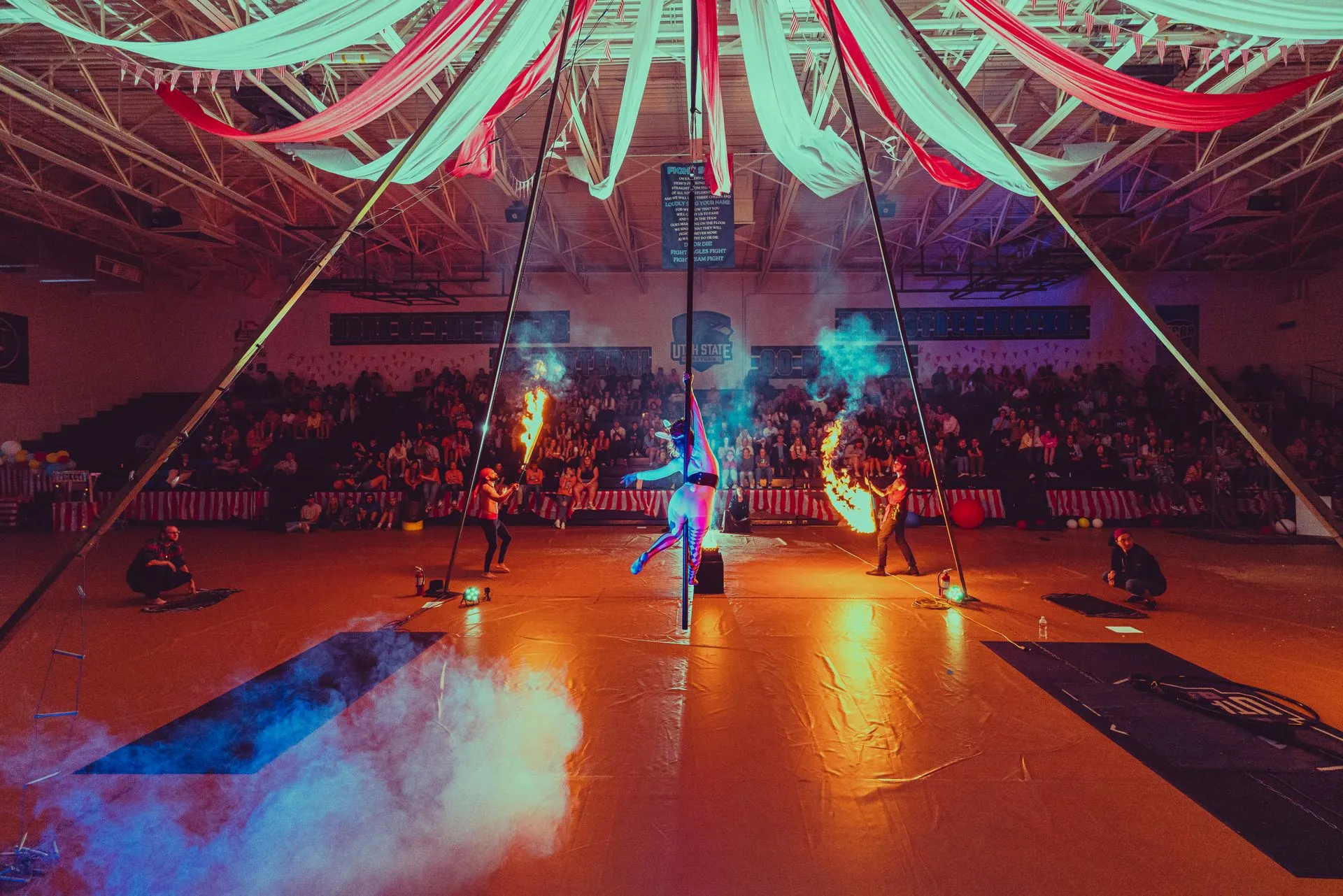
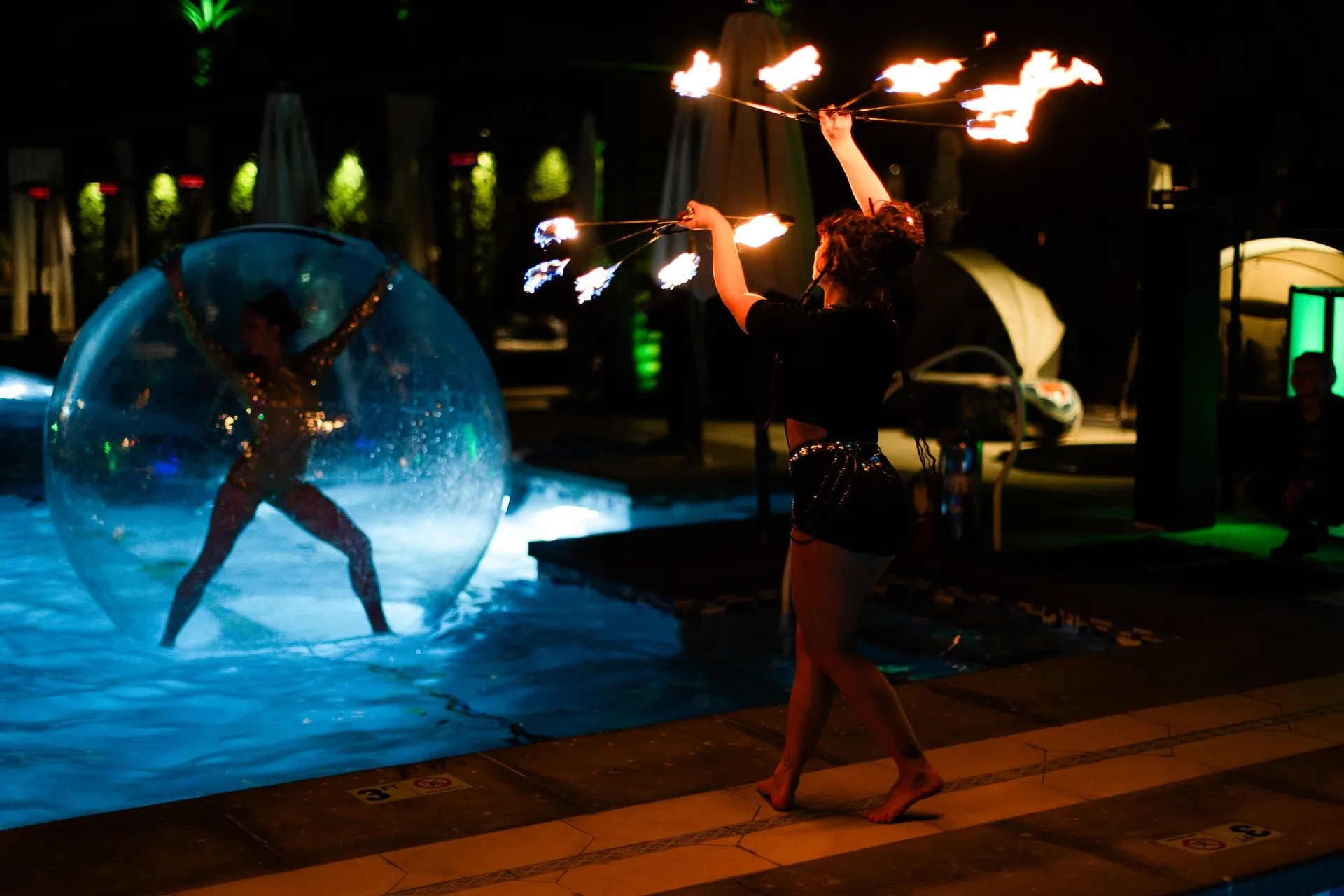
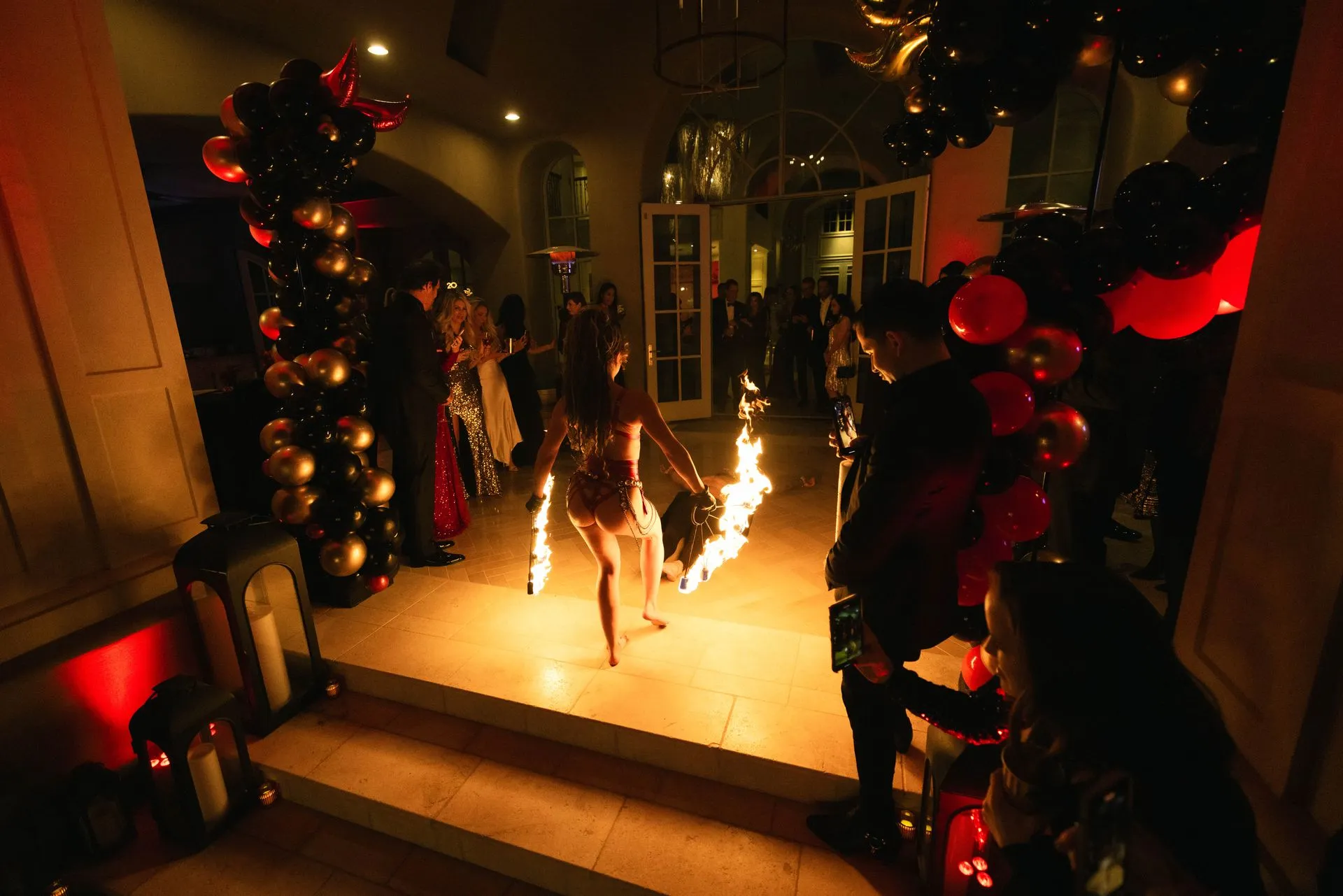
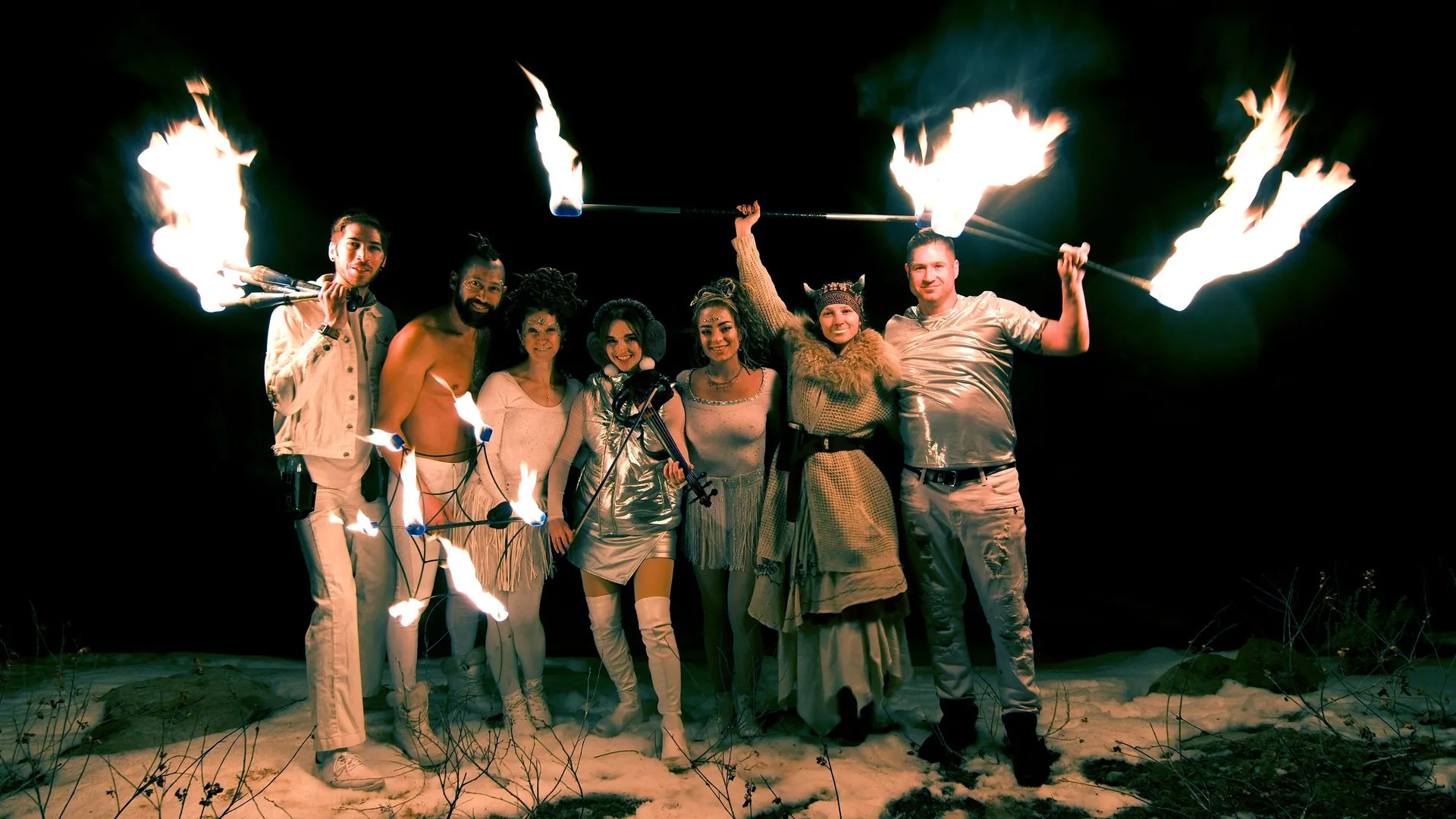
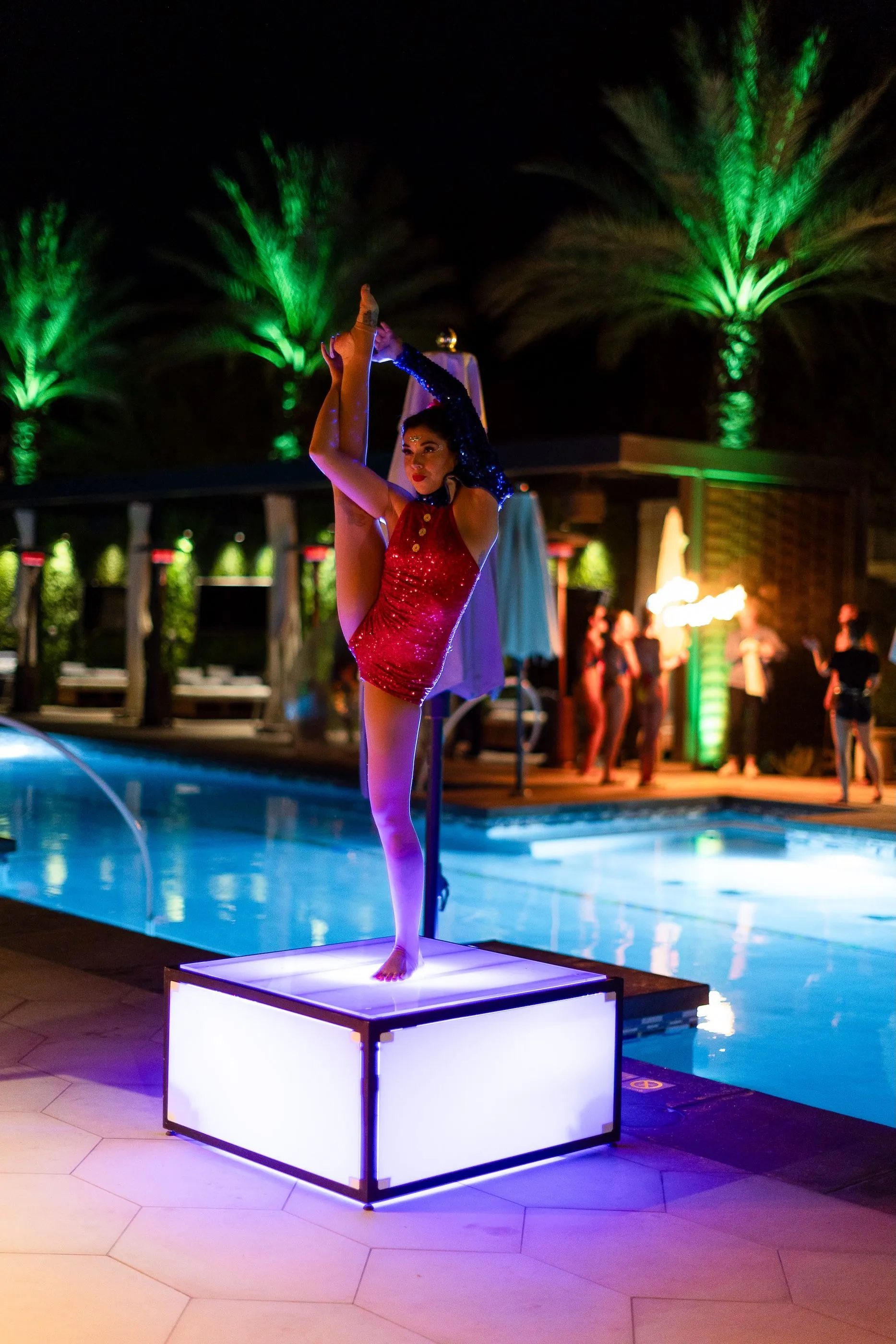
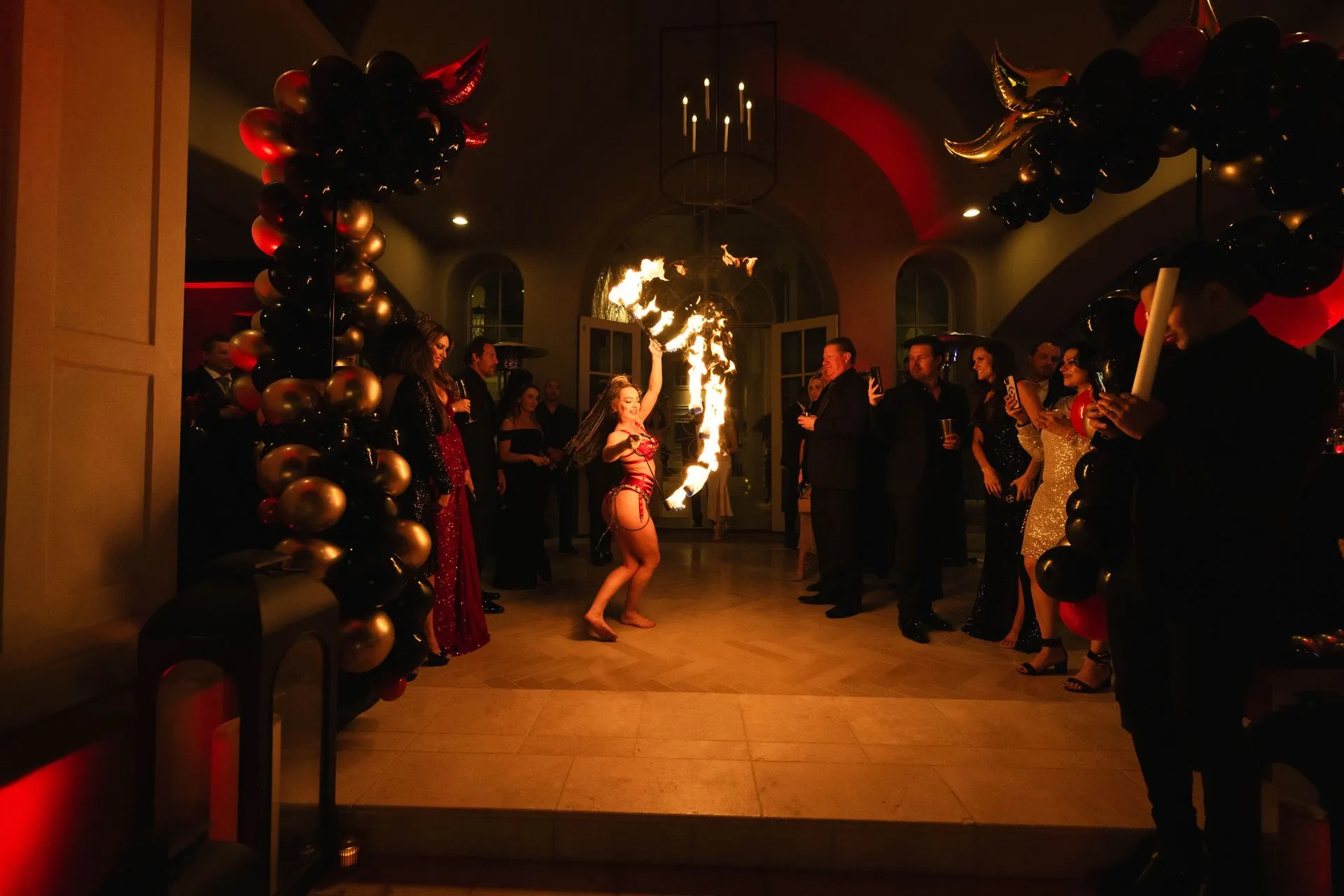
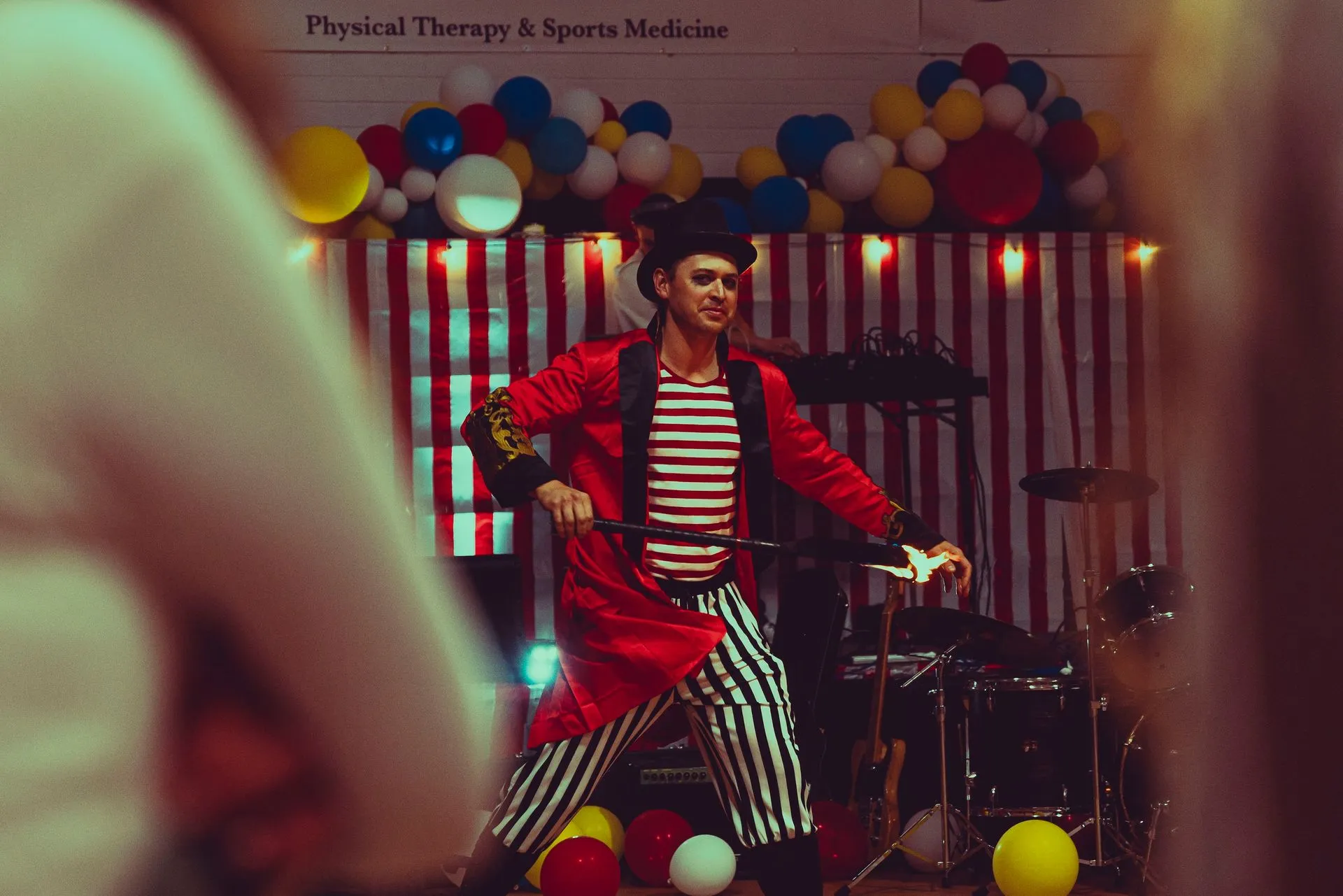
We run four signature show categories — Hana Cirque (fire circus), Hana Heat (ground variety fire), Hana Glam (showgirls, drag, cabaret), and Hana Luaus (Polynesian, which is where we started 11 years ago) — but the shows aren't the product.
The product is the designed experience those shows create inside.
Every show we produce is custom-built for the audience in the room. Not the theme. Not the client's color palette. The people. Who they are, what they resonate with, what they need to feel in that room on that night. That's the starting point of every brief we take.
We retain about 80% creative control, because if the client steers the whole ship, what they get is what they could have gotten from anyone. Our job is to know things about what makes a room come alive that most clients don't know to ask for.
And we manage all of it: fire safety compliance, jurisdictional permits, insurance, performer management, logistics, and on-site execution across Arizona, Nevada, and Utah.
That's the trust architecture, not a feature list.
The Honest Version
I've been doing some version of this work for almost three decades. Fire since I was 12. Entertainment professionally for over 11 years. Events for going on 5.
The version of Joseph who showed up to that summit in Park City, stiff in a three-piece suit, carrying six years of unprocessed grief, over-scheduled and under-present, didn't know any of this yet.
But he said one honest thing in a room full of people. And everything followed from that.
What I know now is that the events that land, the ones people actually remember, are never the ones with the biggest budget or the most impressive production. They're the ones where someone cared enough to design for how the room was going to feel.
That's what presence is: a decision, not a talent.
If you're planning a corporate event, resort activation, or brand experience in Arizona, Nevada, or Utah — and you want to talk about what it would look like to have someone actually own that for you — a discovery call is a good place to start.
No pitch, no pressure, just a conversation about what you're building.
Joseph Cancilla is the Founder & Executive Director of
Hana Events + Experiences — a full-service experiential design & production agency operating in AZ, NV, and UT. Marine Corps veteran. 15+ years across immersive entertainment, event production, and custom experience design. You can hear the full conversation this post is based on at
Alignment First with Mycal Anders.
Thank you for reading,
Joseph Cancilla
New posts, straight to your inbox.
Real lessons from real corporate events, no filler.
-1920w.jpg)
-1920w.jpg)