Why We NEED More People Talking About Emotional Intelligence NOW!
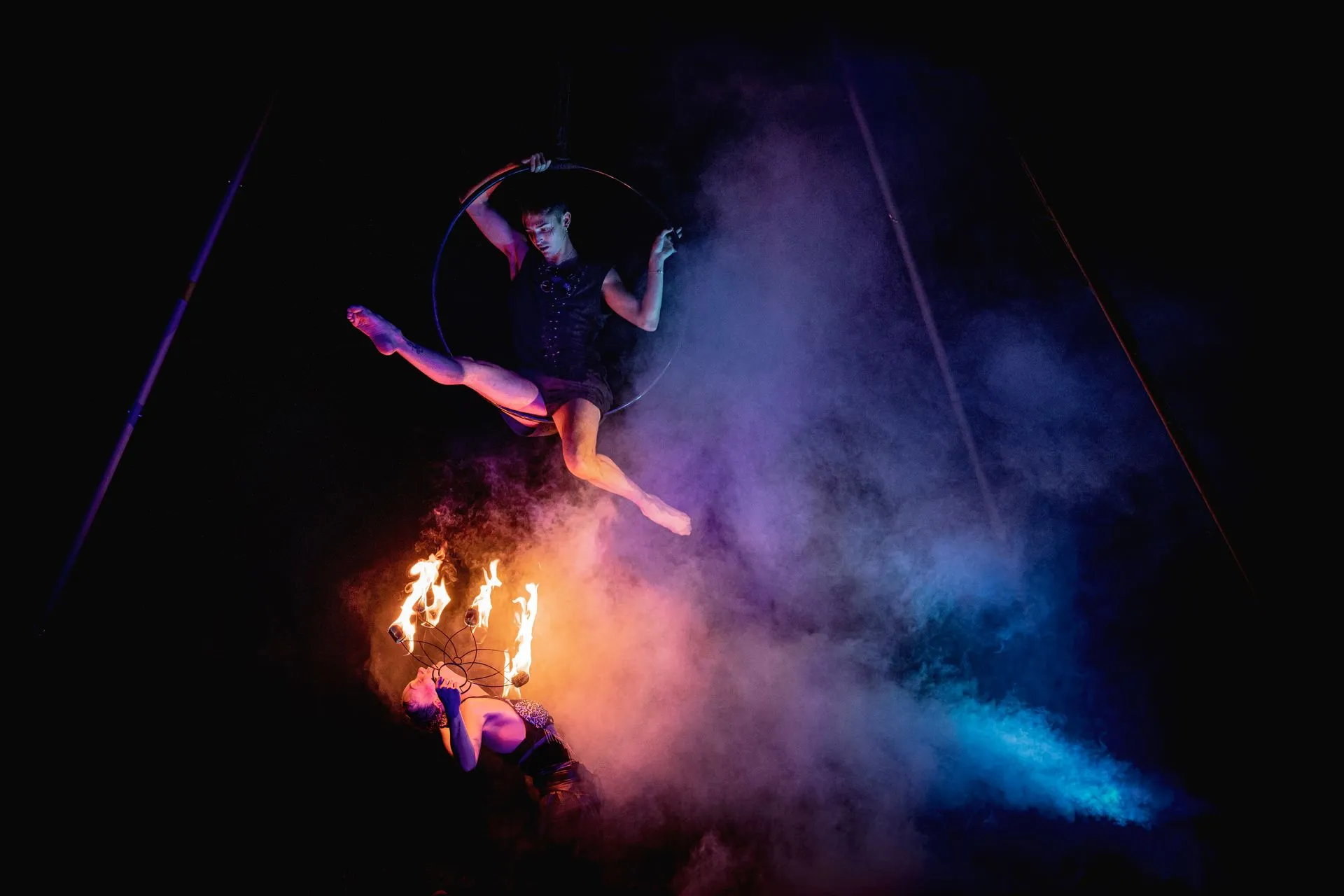
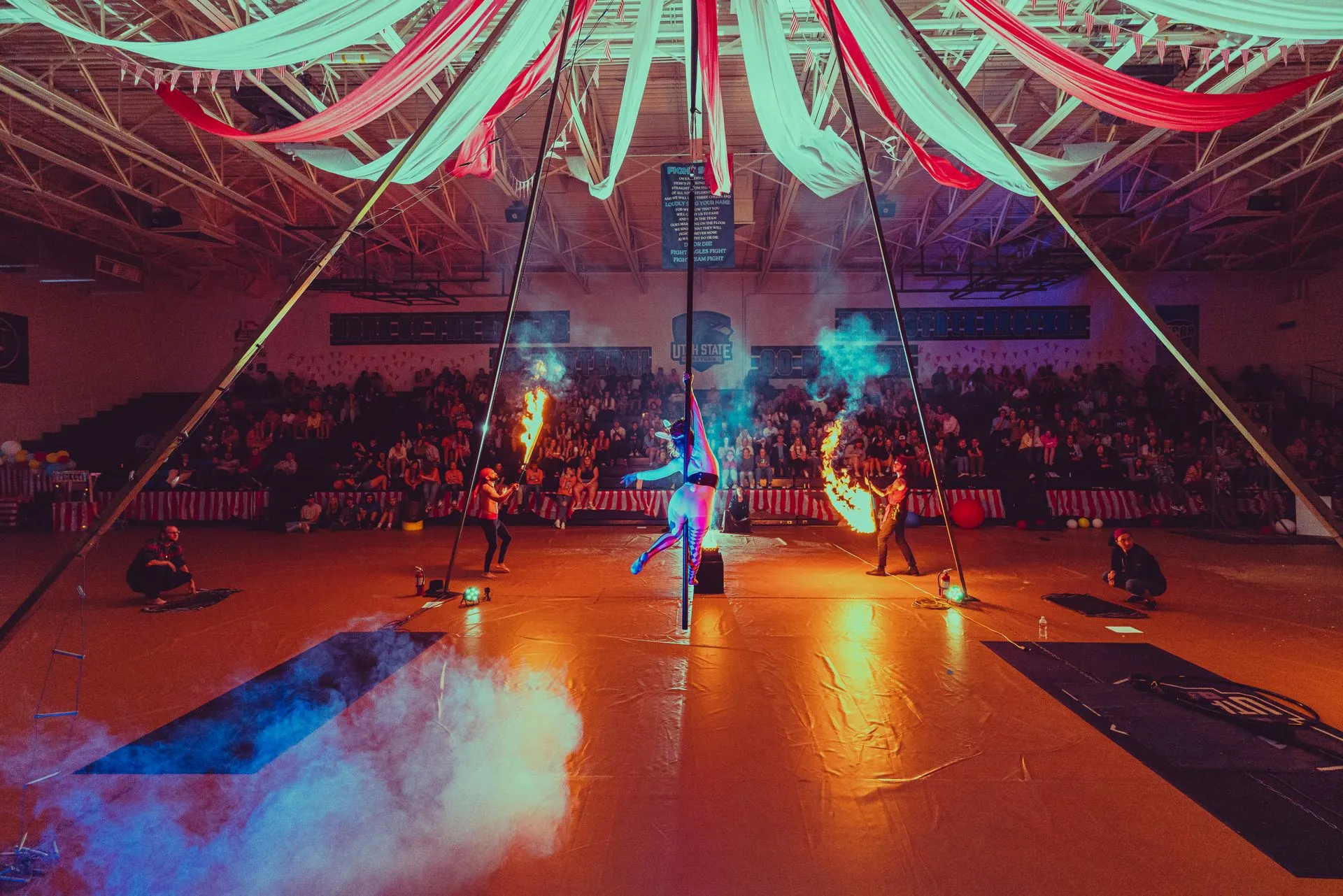
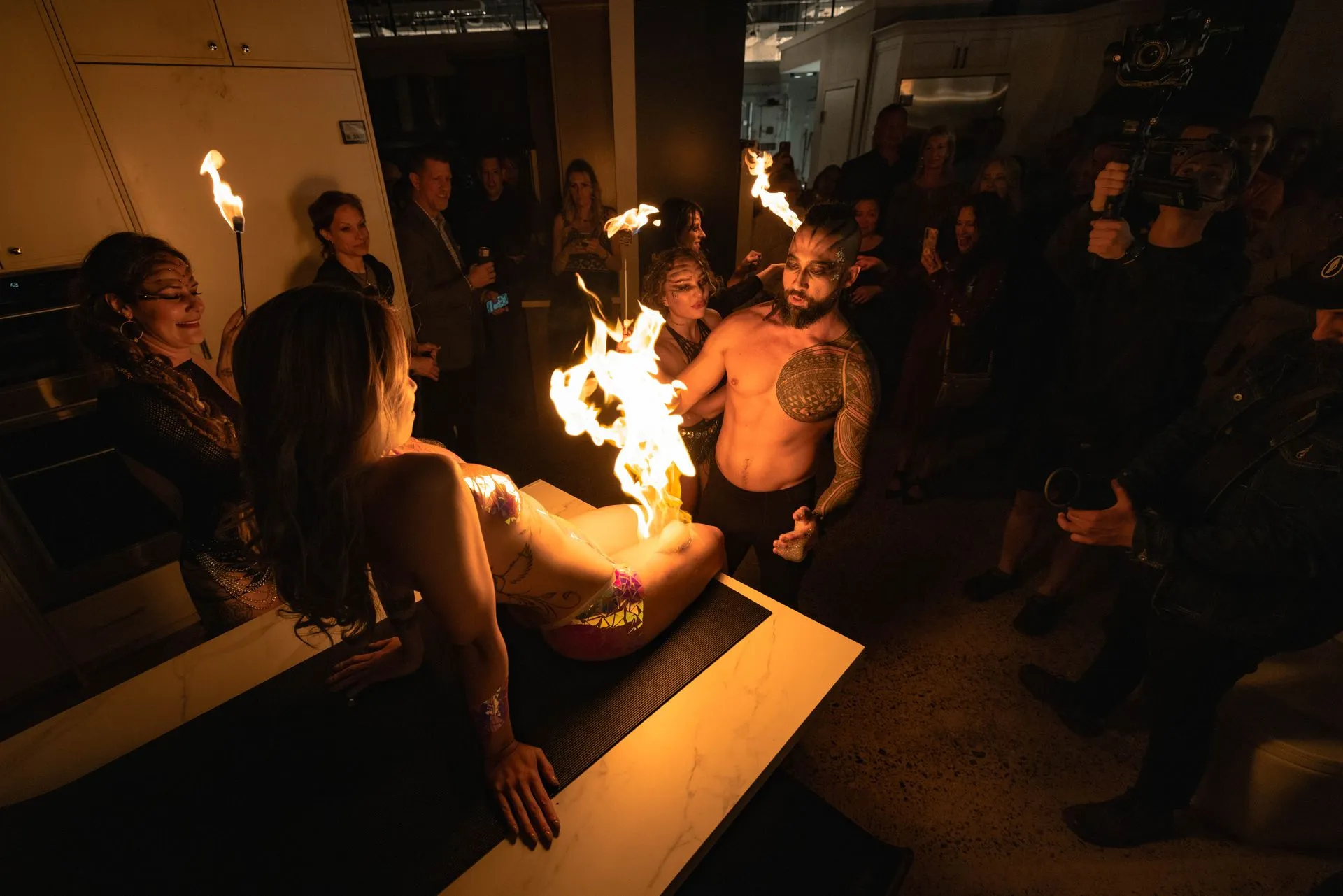
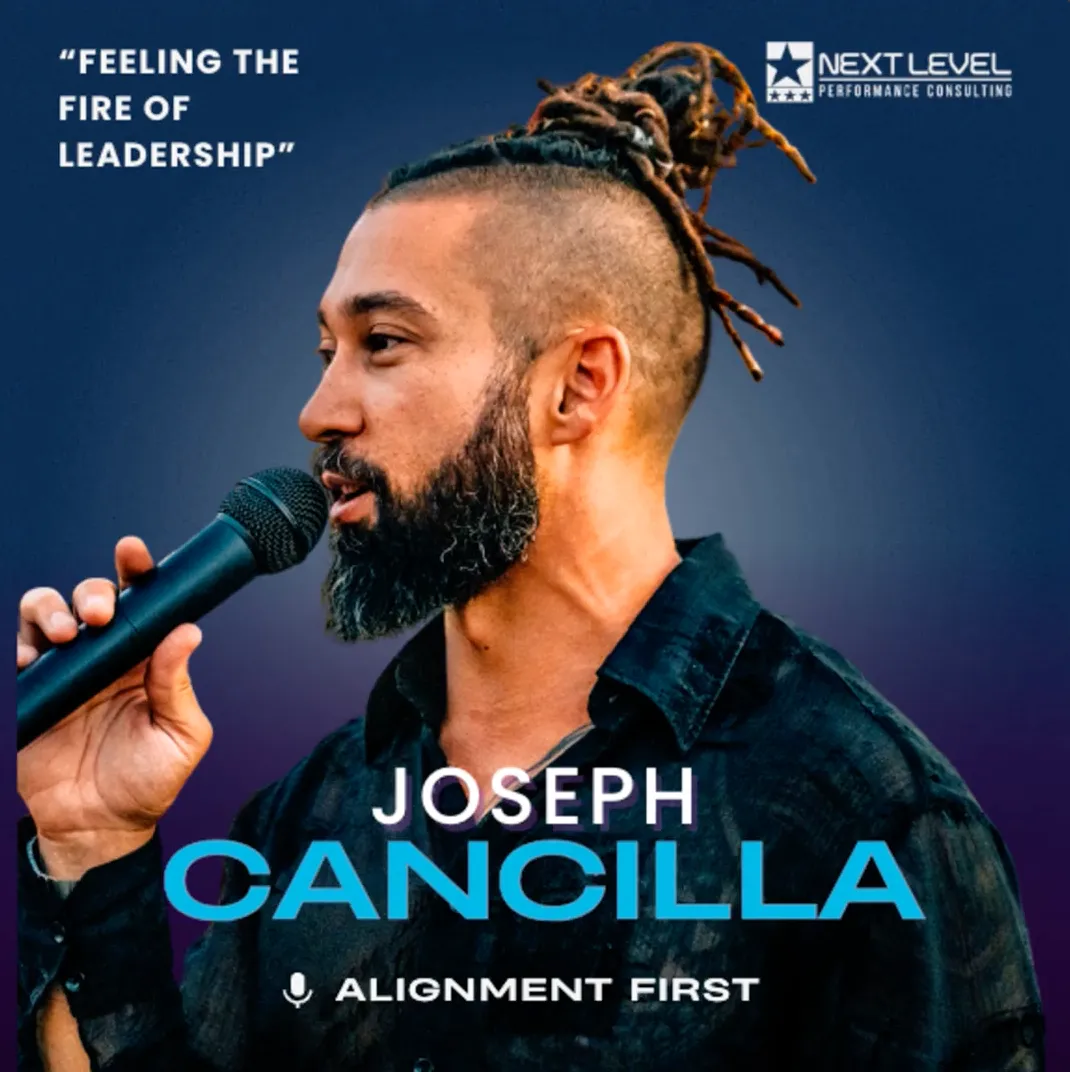
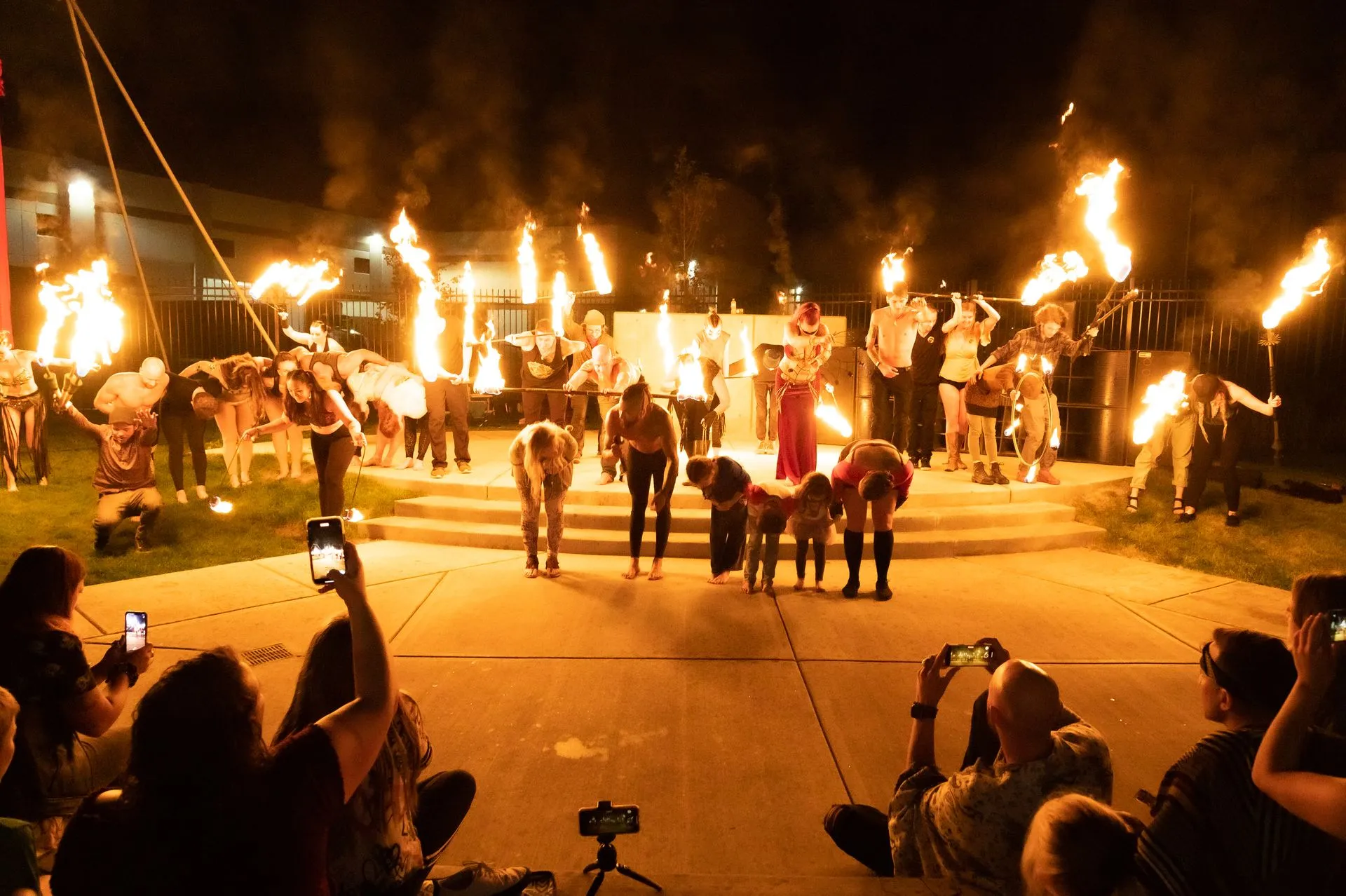
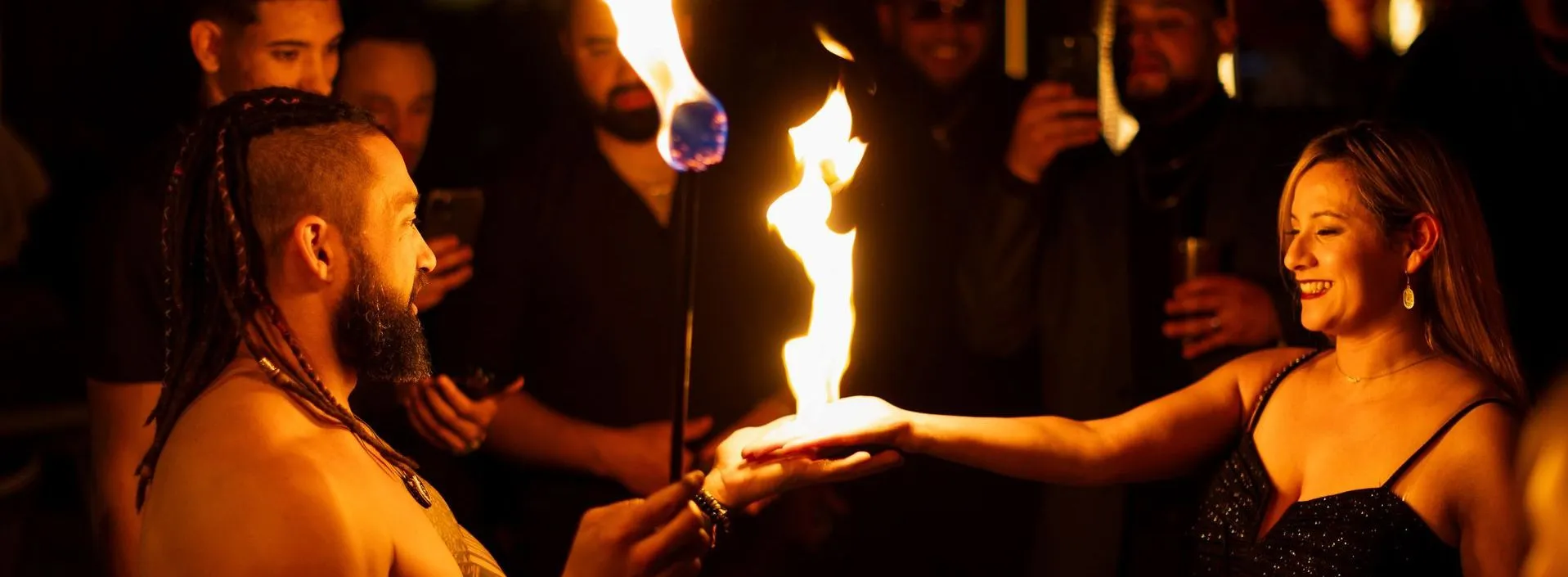
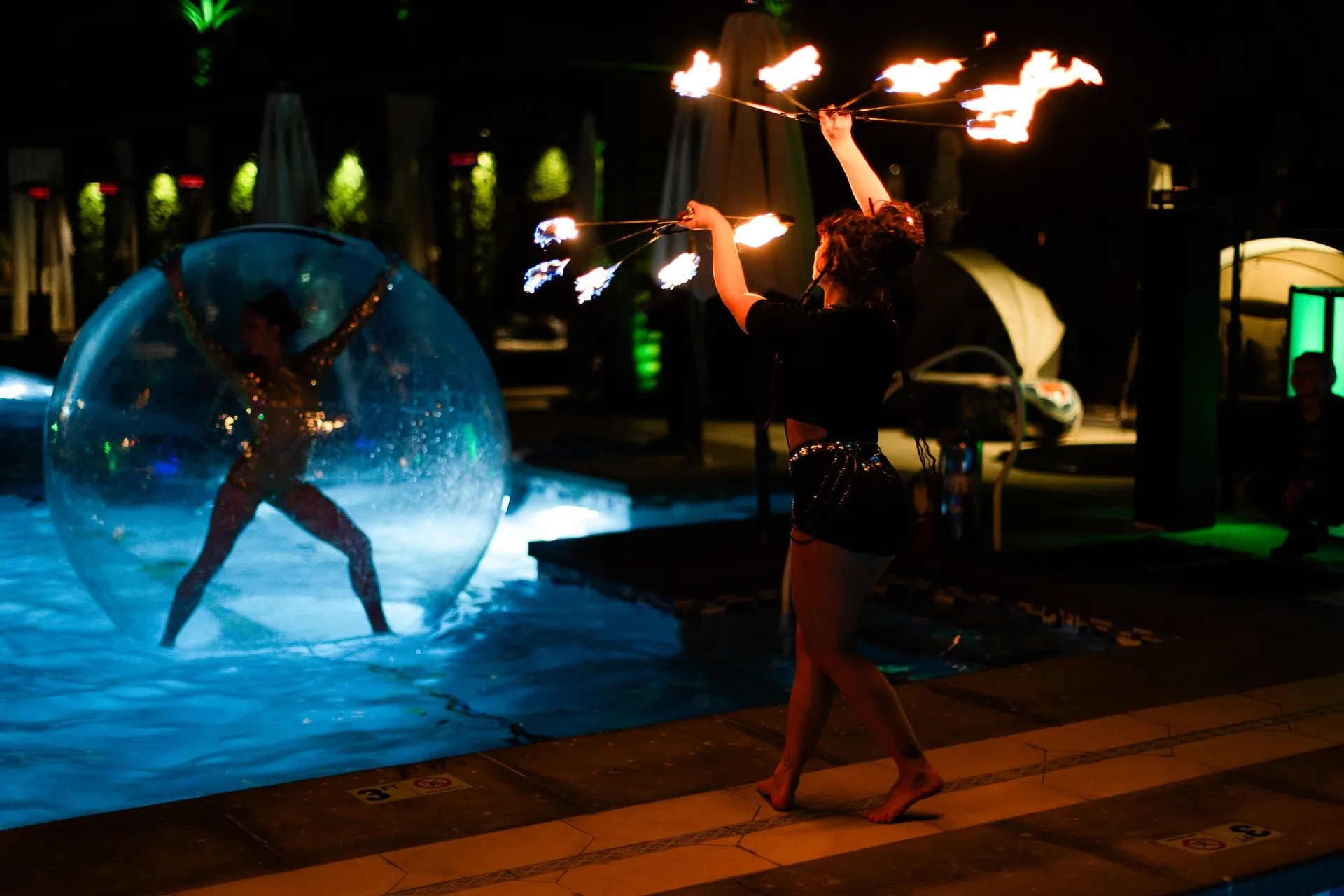
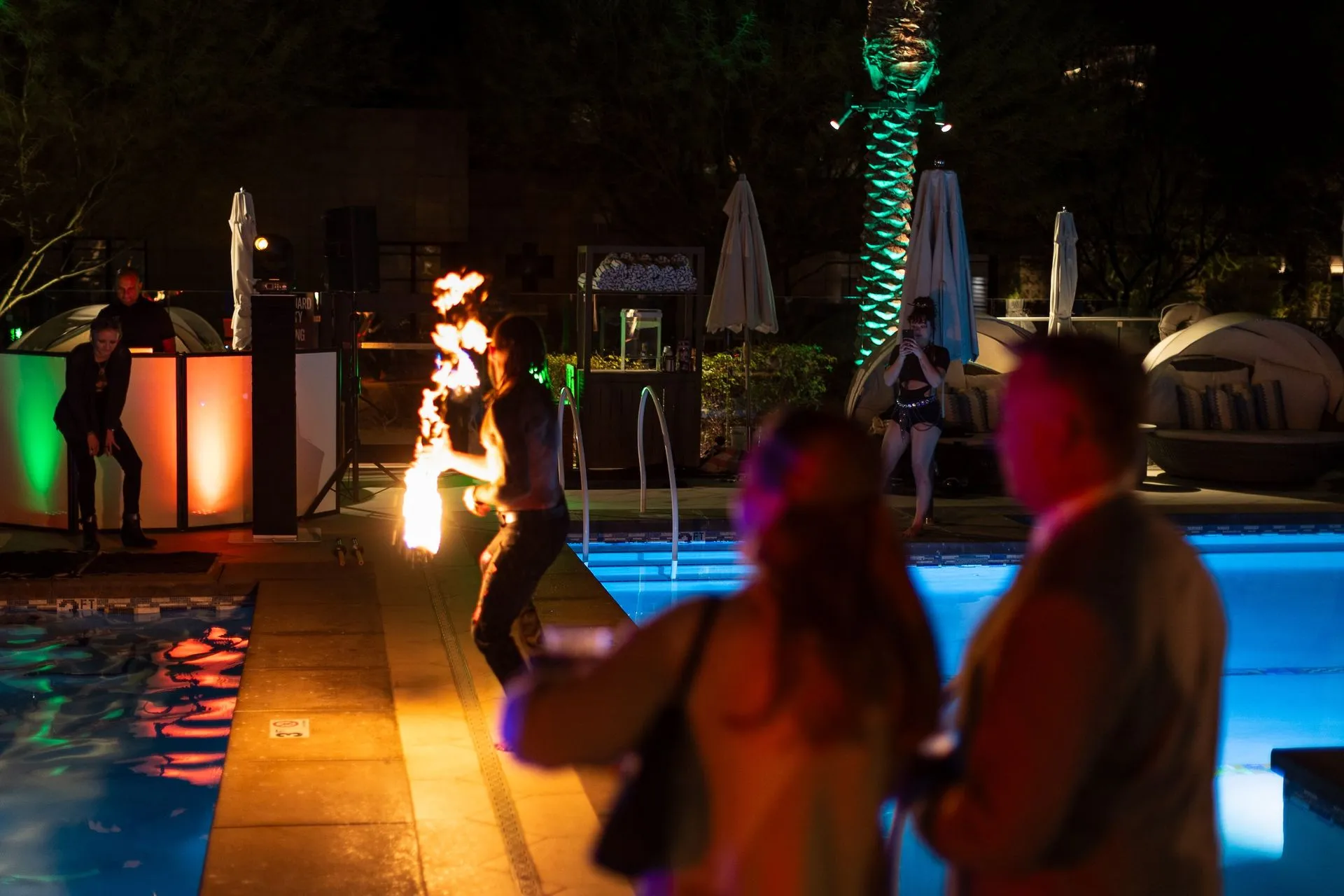
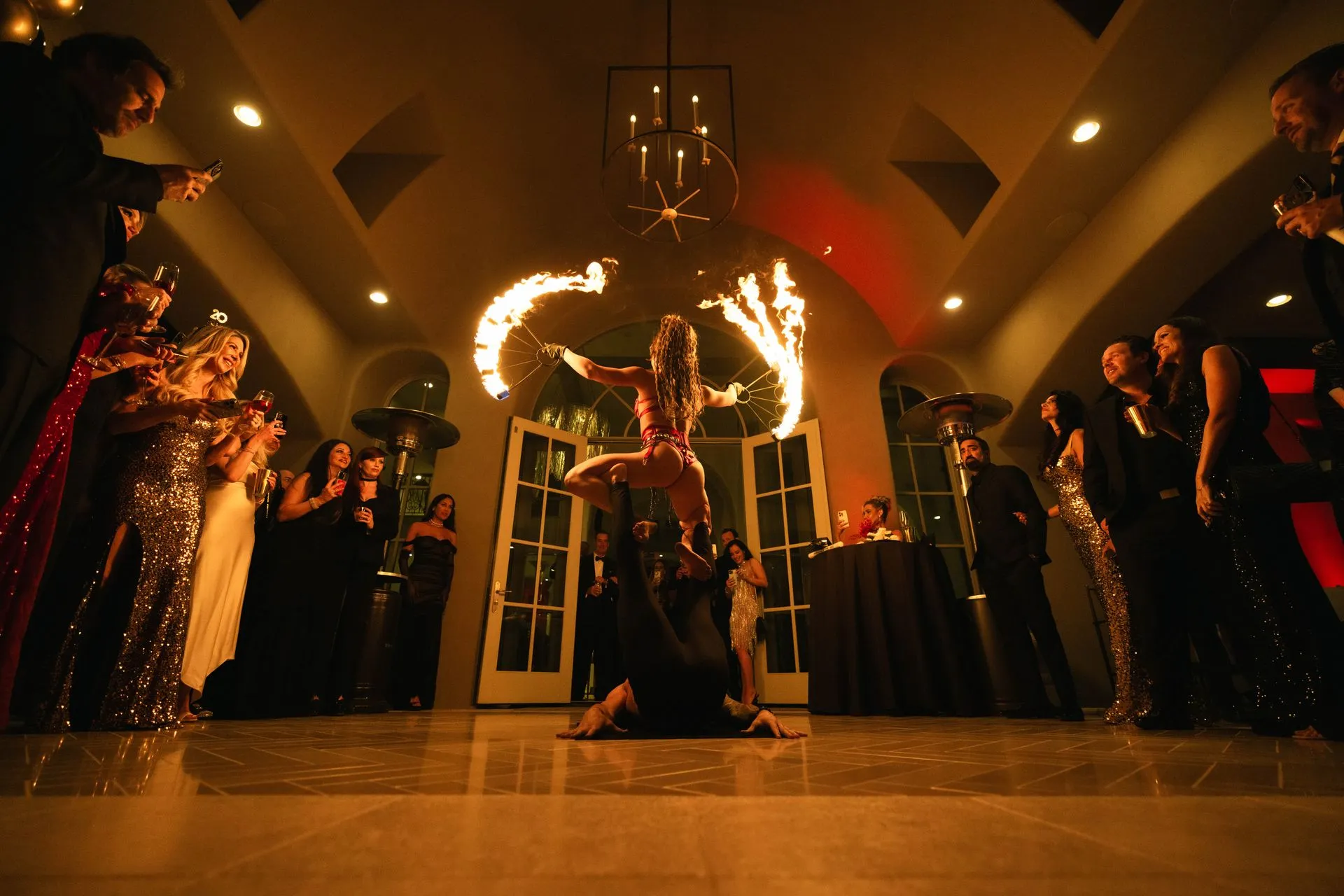
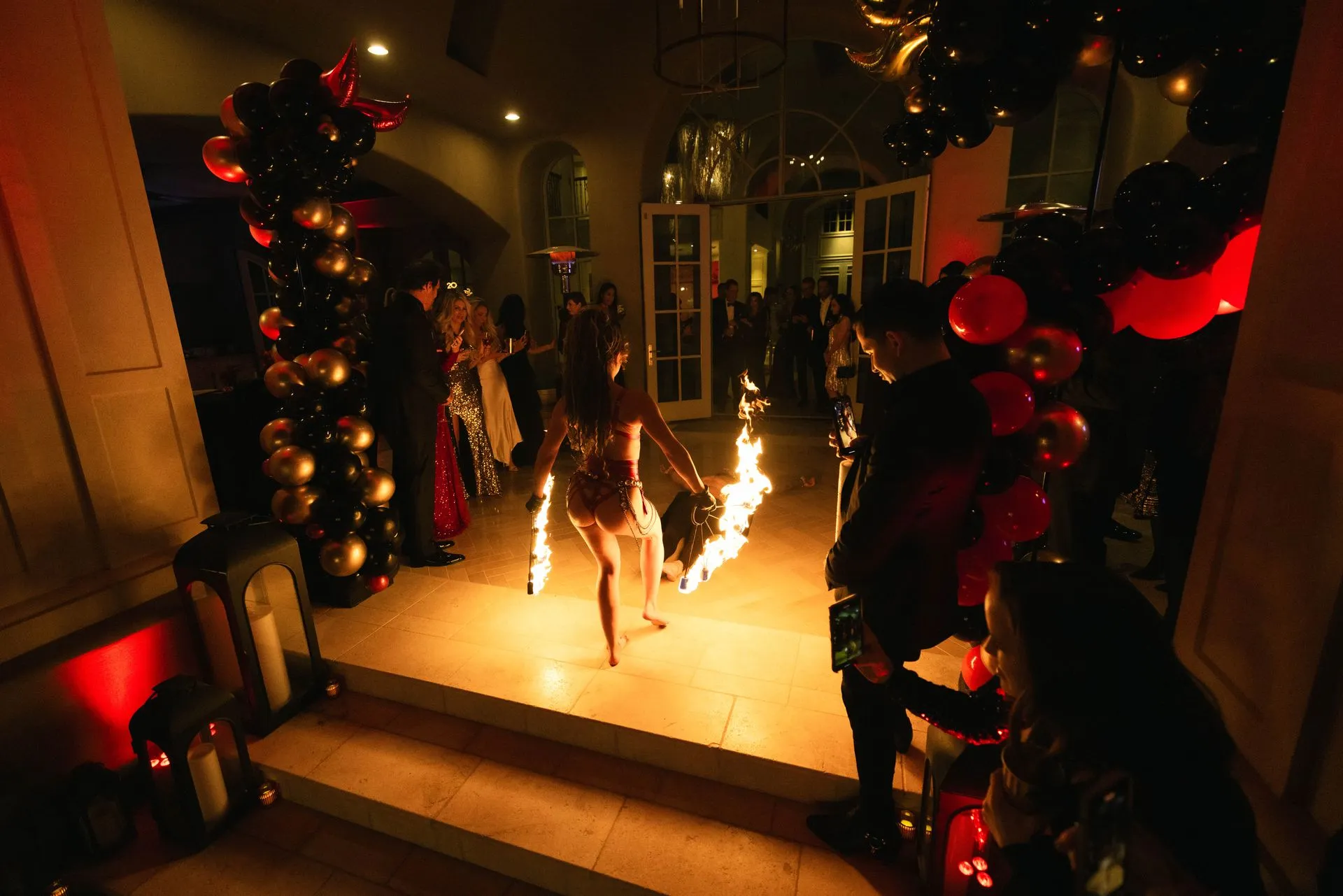
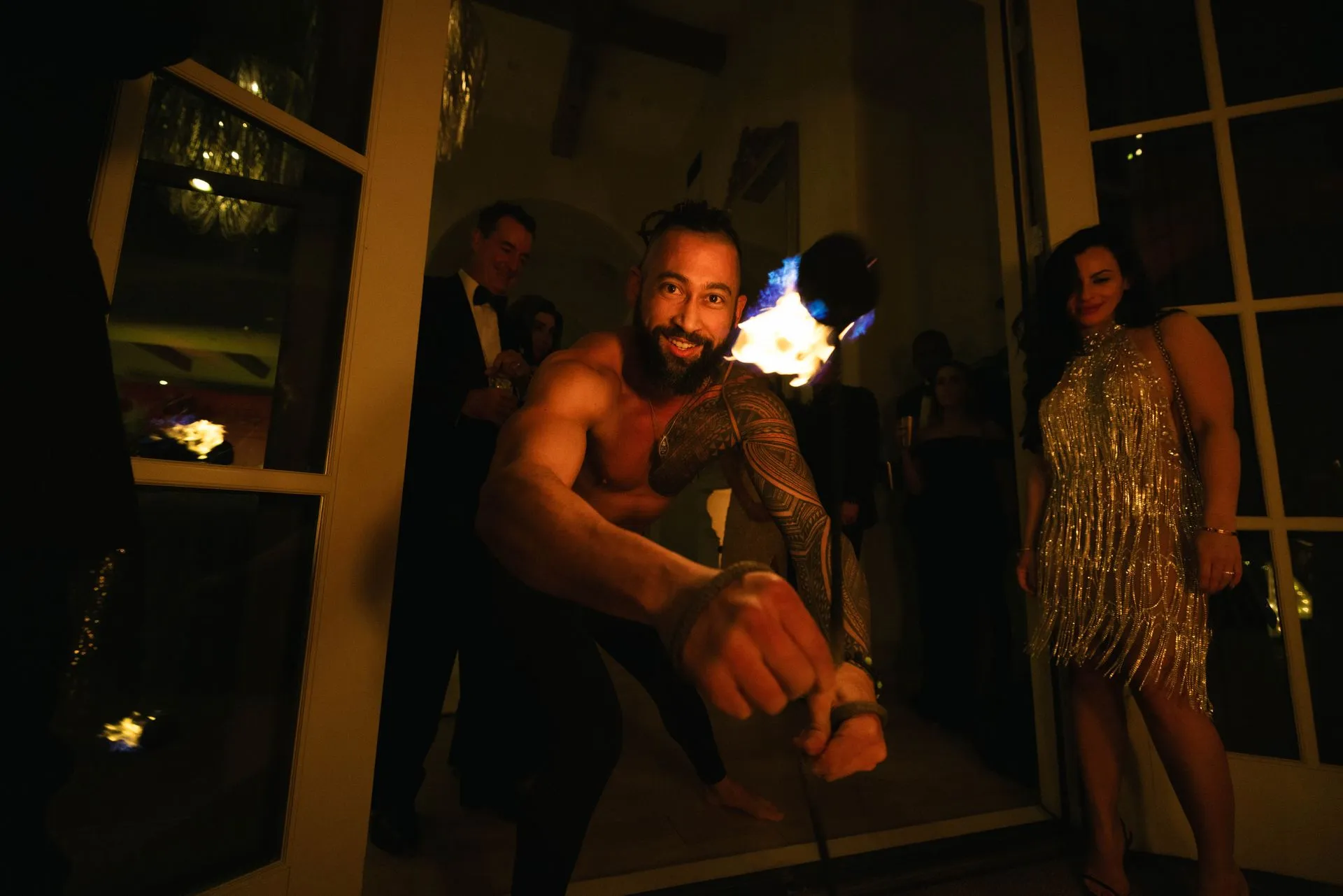
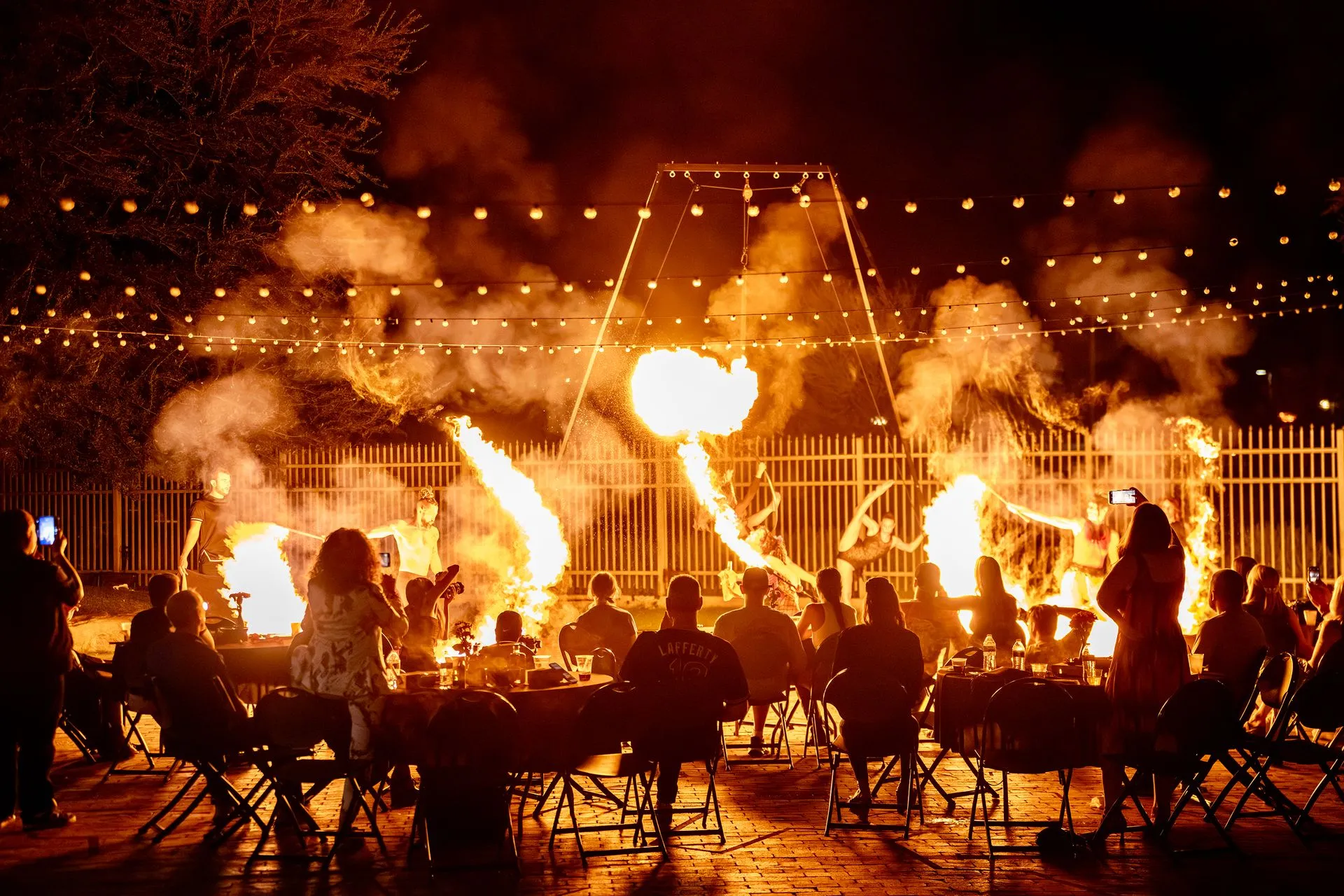
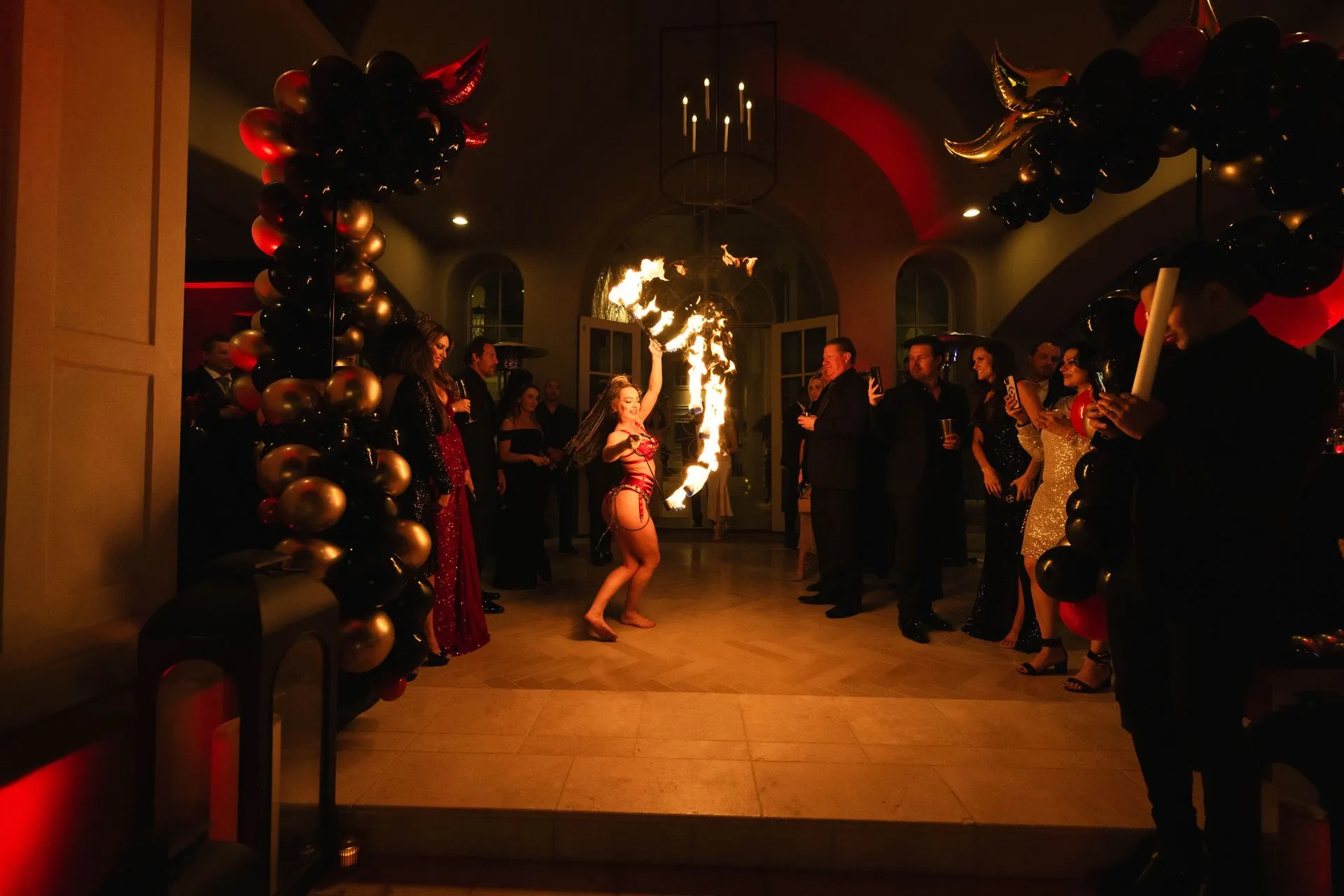
I've walked into a room seconds before a fire show more times than I can count. Marine Corps first, twenty eight years of performing after that. The room feels whatever I'm carrying. If I walk out rattled, the crowd gets rattled. If I walk out steady, the room settles down with me.
That's what emotional intelligence actually is. A skill you can watch in real time, in how someone carries a room under pressure.
Most of what looks like a leadership problem is actually a regulation problem. I see the same thing on event day when something breaks.
What does emotional intelligence actually look like in the room?
You can watch it happen. It shows up as behavior, not as a feeling someone reports having after the fact.
- A stage manager who keeps the run of show calm when the timeline slips.
- A leader who asks one clarifying question instead of raising their voice when a number comes in wrong.
- A team member who says "I'm frustrated, give me a minute" instead of letting it leak into the room.
- Someone who can sit in a hard silence during a tough conversation instead of rushing to fill it.
- A host who can feel a room going flat & adjust the pace before anyone else notices.
None of that is a personality trait. It's a skill, built the same way any other skill gets built: notice it, name it, repeat it under real pressure until it holds.
Why does this matter more at a live event than almost anywhere else?
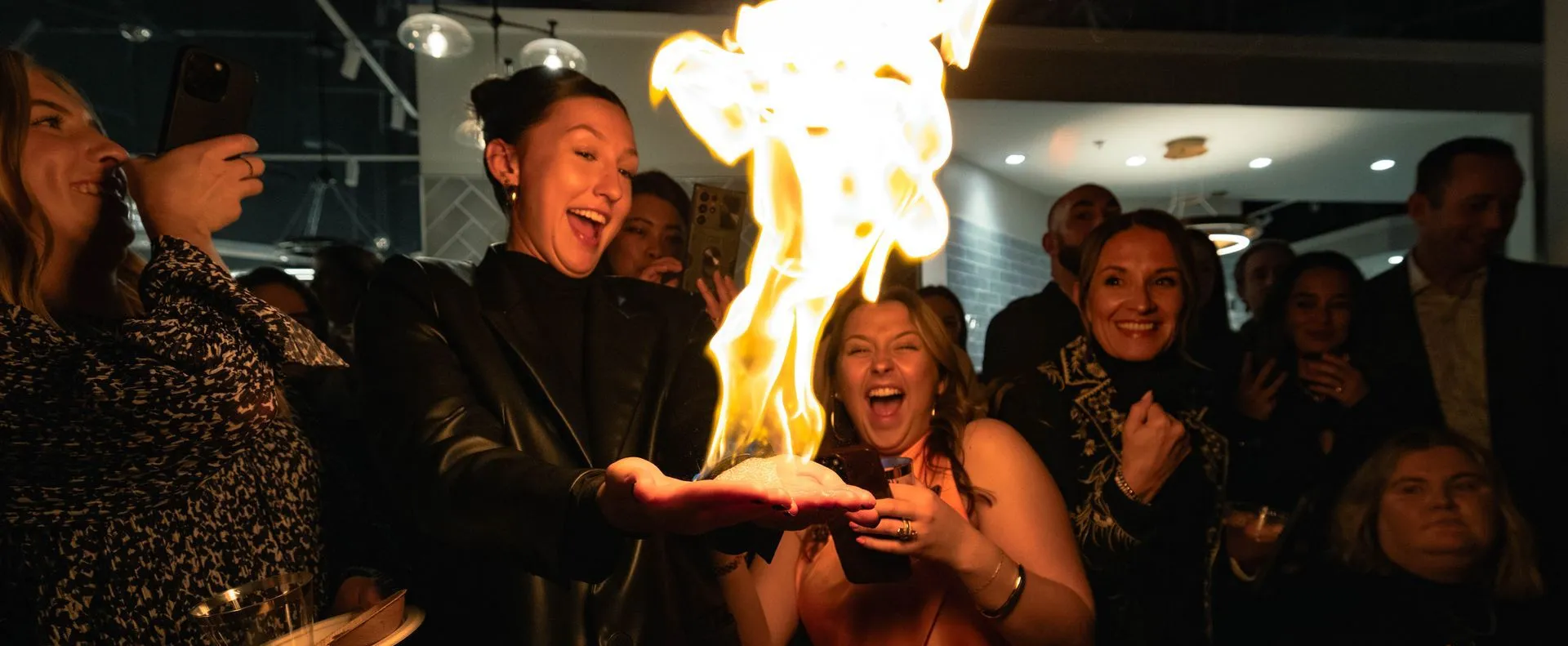
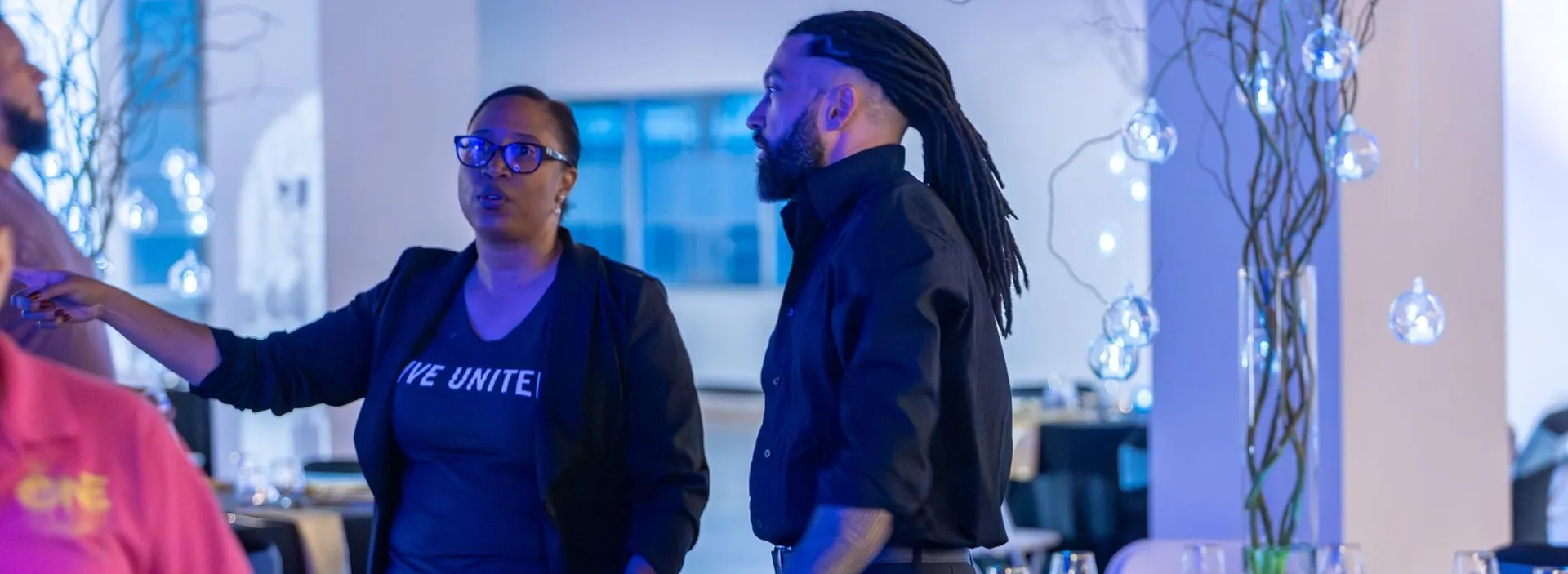
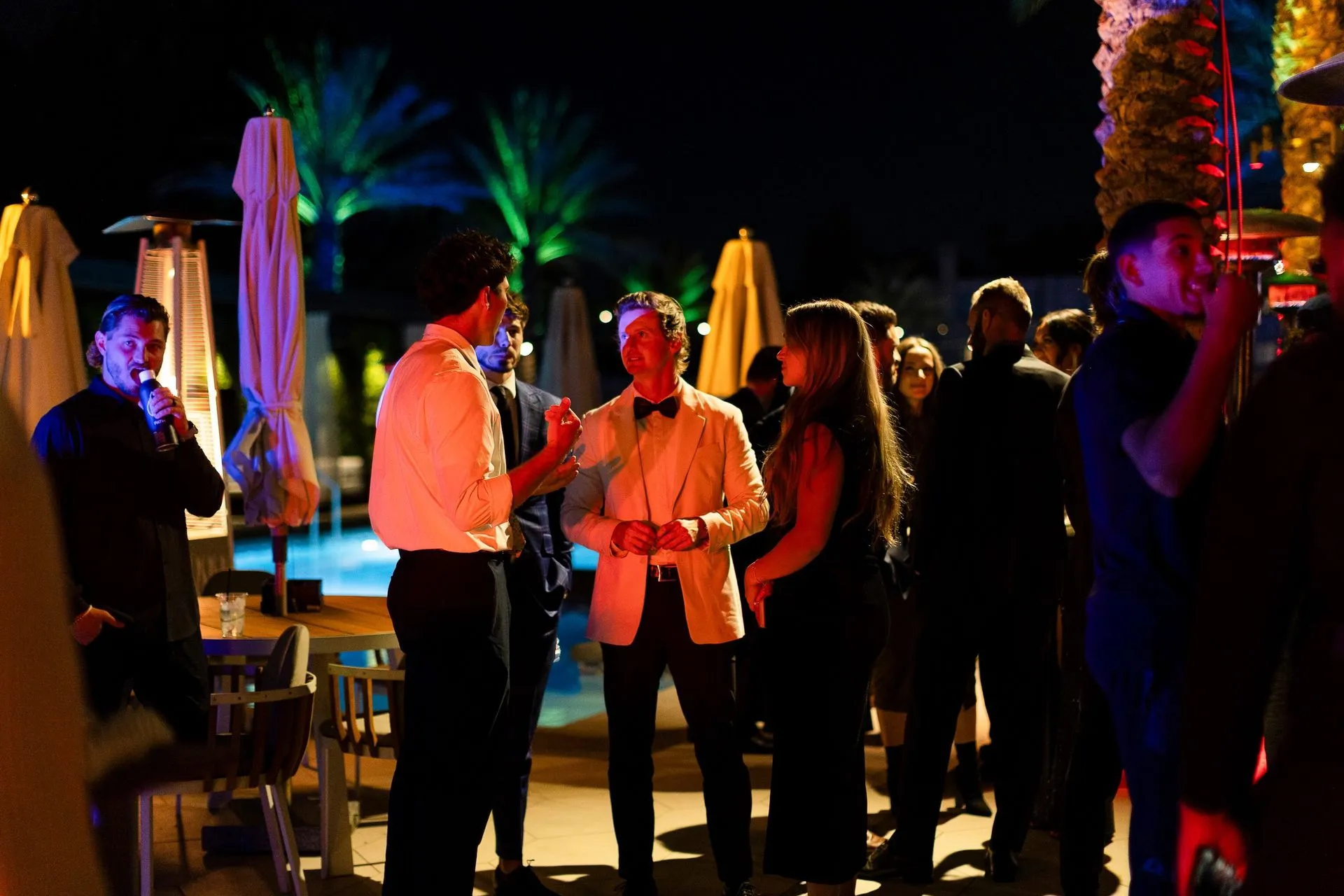
A live event has no edit button. Whatever is happening in the room happens in front of everyone in real time & it either gets handled or it doesn't. That's true of a corporate keynote, a board dinner, a wedding, a fire show. The person running it sets the emotional temperature of the whole night whether they mean to or not, and the guests can always tell.
This is the whole idea behind someone has to own how the room feels. Somebody is always setting that temperature. The only question is whether they're doing it on purpose.
Where did I learn to regulate under pressure?
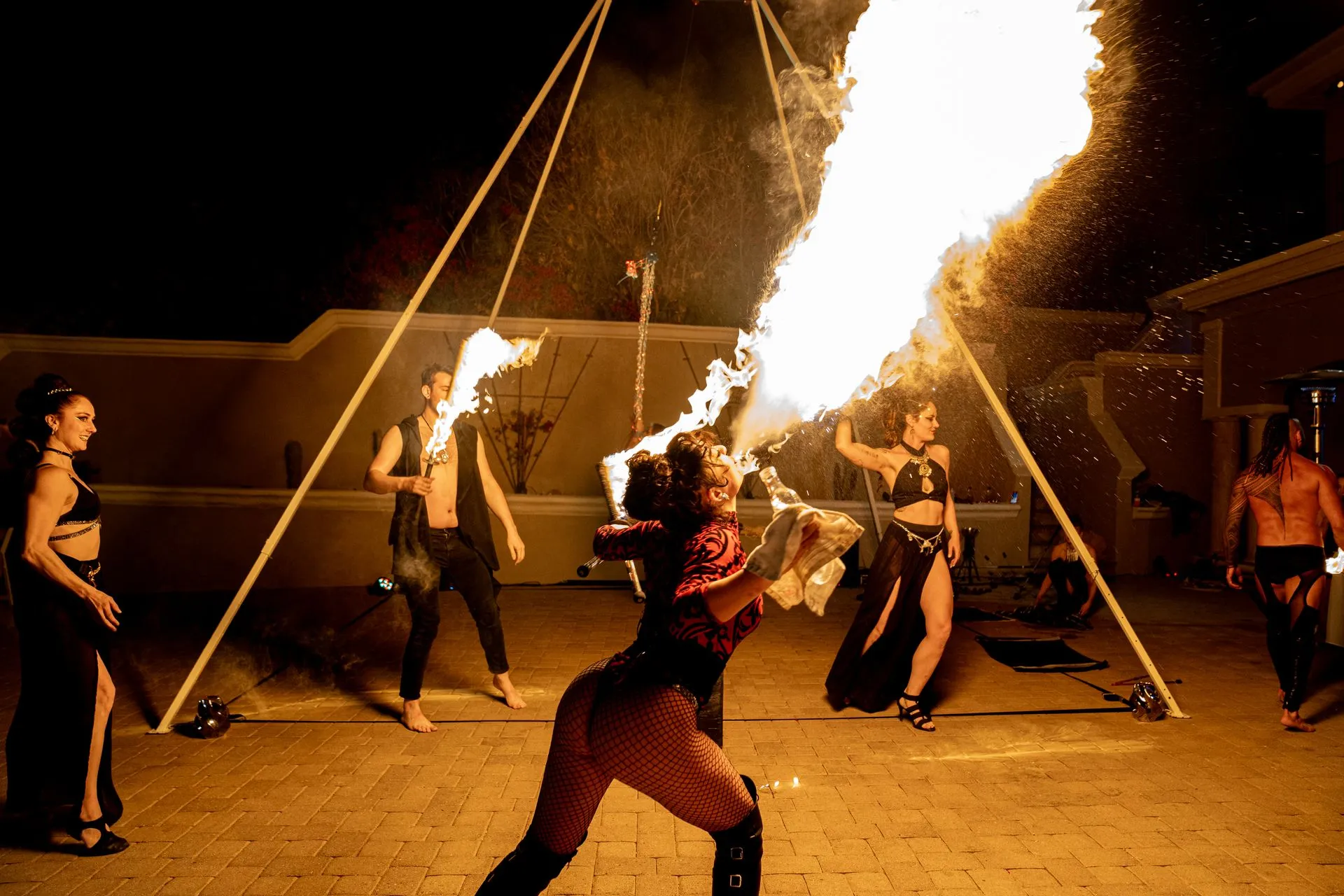
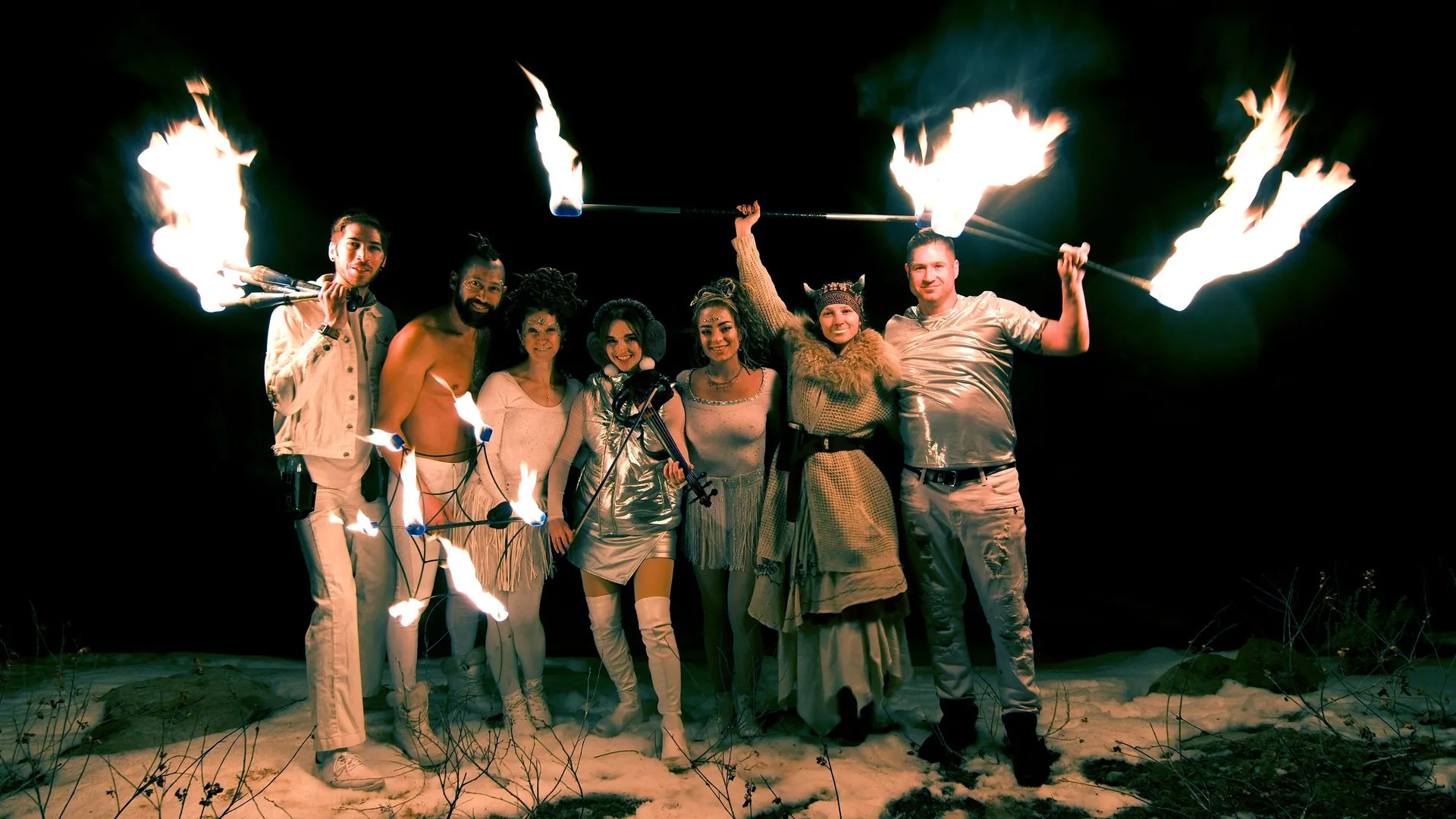
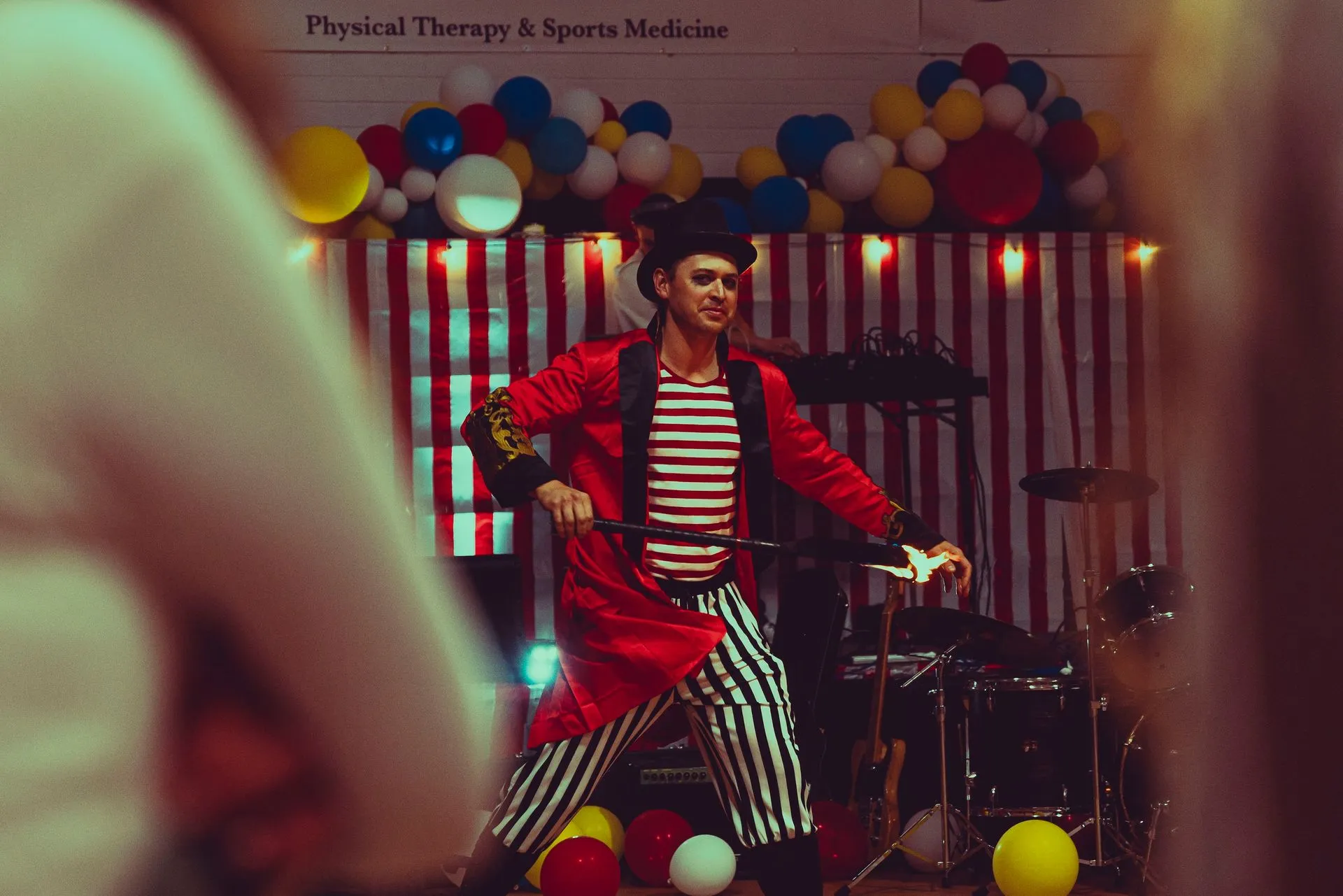
Six years in the Marine Corps taught me the basics of staying level when things go sideways. Twenty eight years of performing, mostly fire, taught me the rest. You cannot walk out in front of a crowd holding fire while you're panicking. The performance forces the regulation. There's no faking calm that close to an open flame.
That's not a trait I was born with. It's reps, most of them unremarkable, that built the ability to stay steady when the room isn't.
What does this have to do with planning an event?
Everything, honestly. A run of show is a timeline on paper. What actually happens in the room depends on whether the people running it can hold their own state while forty things move at once.
A vendor is late. A client's mother-in-law says something at the worst possible moment. The sound cuts out mid toast. None of that is rare, it's Tuesday. The difference between a night that recovers & a night that spirals is almost never the problem itself. It's whether the person closest to the problem stayed regulated long enough to make one clear decision & move on.
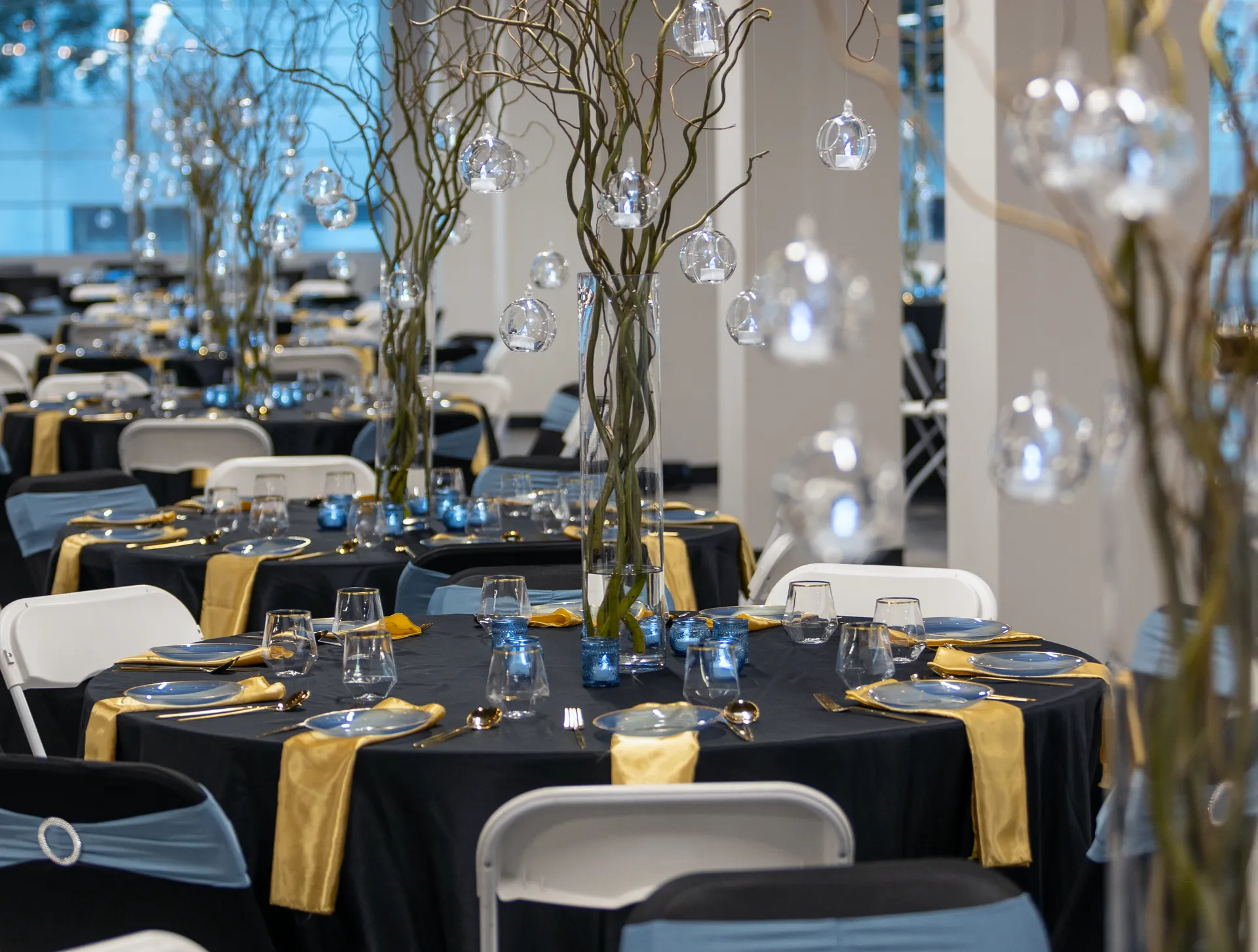
That's why event strategy & design isn't just a schedule with names on it. It's building enough margin & enough calm leadership into the plan that when something breaks (something always breaks) the room never finds out.
How do you actually build this instead of just talking about it?
Talking about emotional intelligence is easy. Building it is a small, repeatable practice.
- Name what you're feeling before you respond to anything, even silently to yourself.
- Take one full breath before you speak in a tense moment.
- Ask one clarifying question before you assume the worst.
- Say what you're feeling out loud when it's appropriate, instead of letting your team guess.
- Debrief the hard moments afterward instead of moving on & hoping it doesn't happen again.
None of that is complicated. All of it feels awkward the first fifty times you try it. That's the whole practice.
Why does this need to be said out loud, not just practiced quietly?
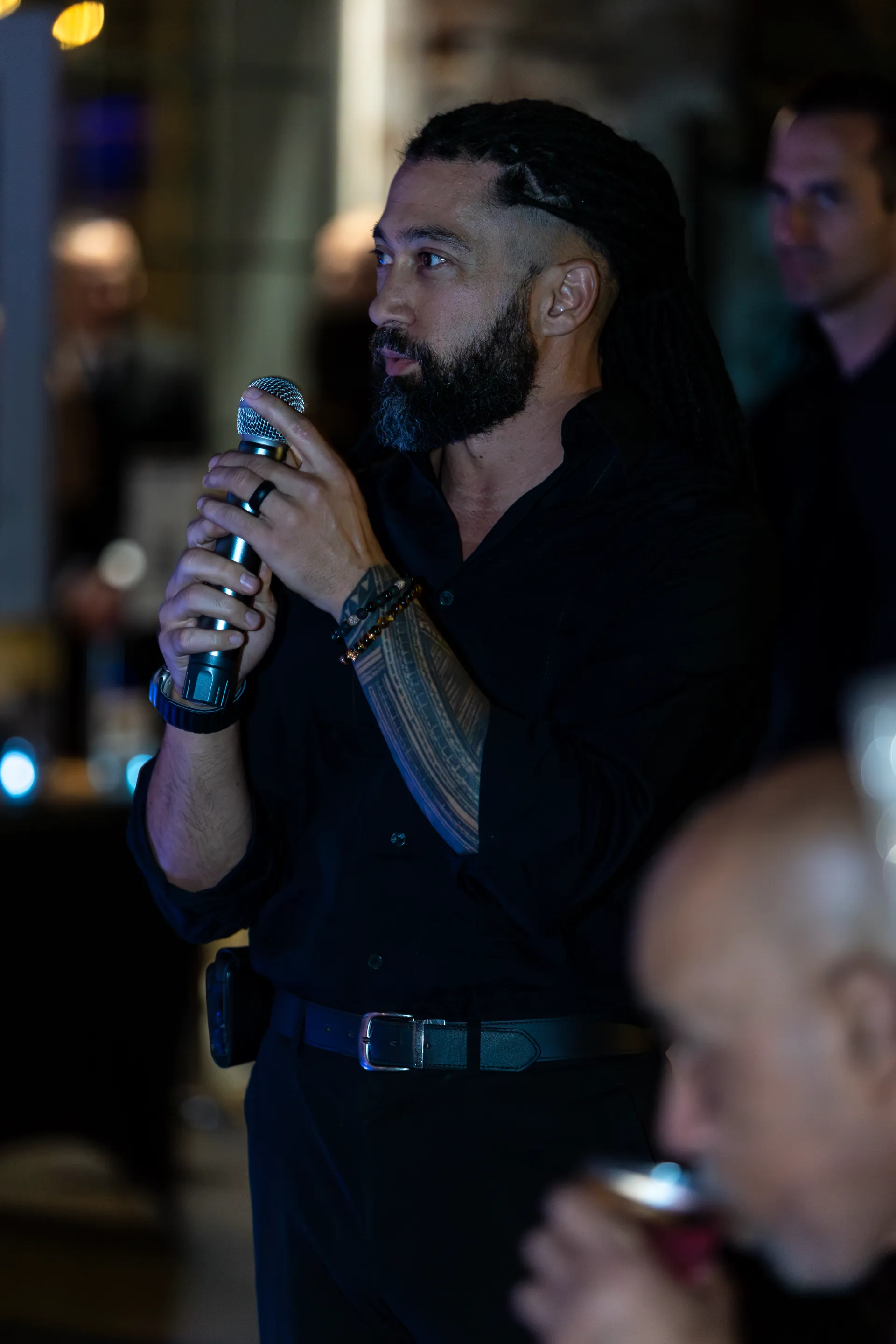
Most people I know are working on this quietly. Therapy, reading, reflection, trial & error. Almost nobody says it out loud, especially not leaders. That's backwards. When the people running rooms, whether it's a company or an event, talk plainly about staying regulated under pressure, everyone around them gets permission to do the same.
That's the whole reason I keep talking about it, not because it's trendy, but because I've watched what happens to a room, a team, an event, when the person at the front of it can't hold steady. It shows every time.
If you're planning something & want to build the whole night around what the room actually needs to feel, not just what's on the run of show, get in touch. Or read more on how we think about event strategy & design.
Photo: Your Media Guy (instagram.com/your_media_guy)
New posts, straight to your inbox.
Real lessons from real corporate events, no filler.

-1920w.jpg)
-1920w.jpg)