Who Should Be on Your Corporate Event Planning Team?
A corporate planner usually knows who's paying for the event long before they know who else needs to be in the room while it gets built. Then the guest list needs a signoff from someone in HR, the run of show needs a nod from whoever the event answers to & a vendor question about a certificate of insurance lands on a desk that has no idea what the contract says. None of that is a planning failure. It's a role nobody assigned.
Who should be on a corporate event planning team
A corporate event planning team needs five roles covered, not necessarily five different people. An event owner runs the day-to-day decisions. An executive sponsor's name & judgment is what the event answers to. Someone actually controls & approves the budget. A marketing or brand checkpoint signs off before anything goes out. A day-of coordinator or vendor liaison is the one number every vendor calls when something needs an answer fast. On a small team, one person can hold two or three of these at once. What doesn't work is a role with nobody behind it, which is why naming these five belongs in the same conversation as the rest of an event's strategy & design, not an afterthought once the venue is already booked.
The event owner: one seat, not two
Every event needs one person who's actually running it, not just sitting in on the planning meetings. The run of show gets built around this person's calls & every vendor question that doesn't have an obvious answer ends up on their desk eventually. This is the seat that doesn't split well. Two people co-owning an event usually means neither one is deciding anything until the week it's due, because each assumes the other already handled it.
The executive sponsor: whose name is actually on it
Somebody's boss, board, or client is going to ask how the event went & the answer reflects on a specific person whether or not that person planned a single detail of it. That's the executive sponsor. They don't need to sit in every planning call, but they need to see the concept, the budget range & the guest list early enough to flag a problem before it's built, not after. A sponsor who only shows up the week of the event is the one most likely to ask a question nobody can still answer.
Whoever controls the budget needs to be in the room from day one
A budget approved in a hallway conversation tends to get revisited in a hallway conversation, usually right when a vendor deposit is due. Whoever actually signs off on spend should be part of the planning conversation from the start, not a checkpoint at the end that can send everything back to the drawing board. This is also where a lot of corporate events lose weeks, not because the budget was wrong, but because the person who could approve it wasn't looped in until the number was already final, often right around when the vendor booking window was already closing.
Marketing or brand: a checkpoint, not decoration
Whoever owns the company's brand needs to see the event concept before it's locked, not after invitations go out with the wrong logo lockup or a color scheme that doesn't match anything else the company publishes. This role isn't there to design the event. It's there to catch the thing everyone else in the room is too close to notice.
The day-of coordinator or vendor liaison is the ground floor
Every vendor on an event needs one number to call when something changes & it can't be the executive sponsor's cell phone. A day-of coordinator or vendor liaison is the person who actually knows the load-in time, has the venue's contact saved & can make a small call on the spot instead of waiting for someone senior to notice their phone is ringing. On a smaller company, this is often the same person as the event owner. On a larger one, it's a dedicated seat.

When legal or procurement need a seat, not just a signature
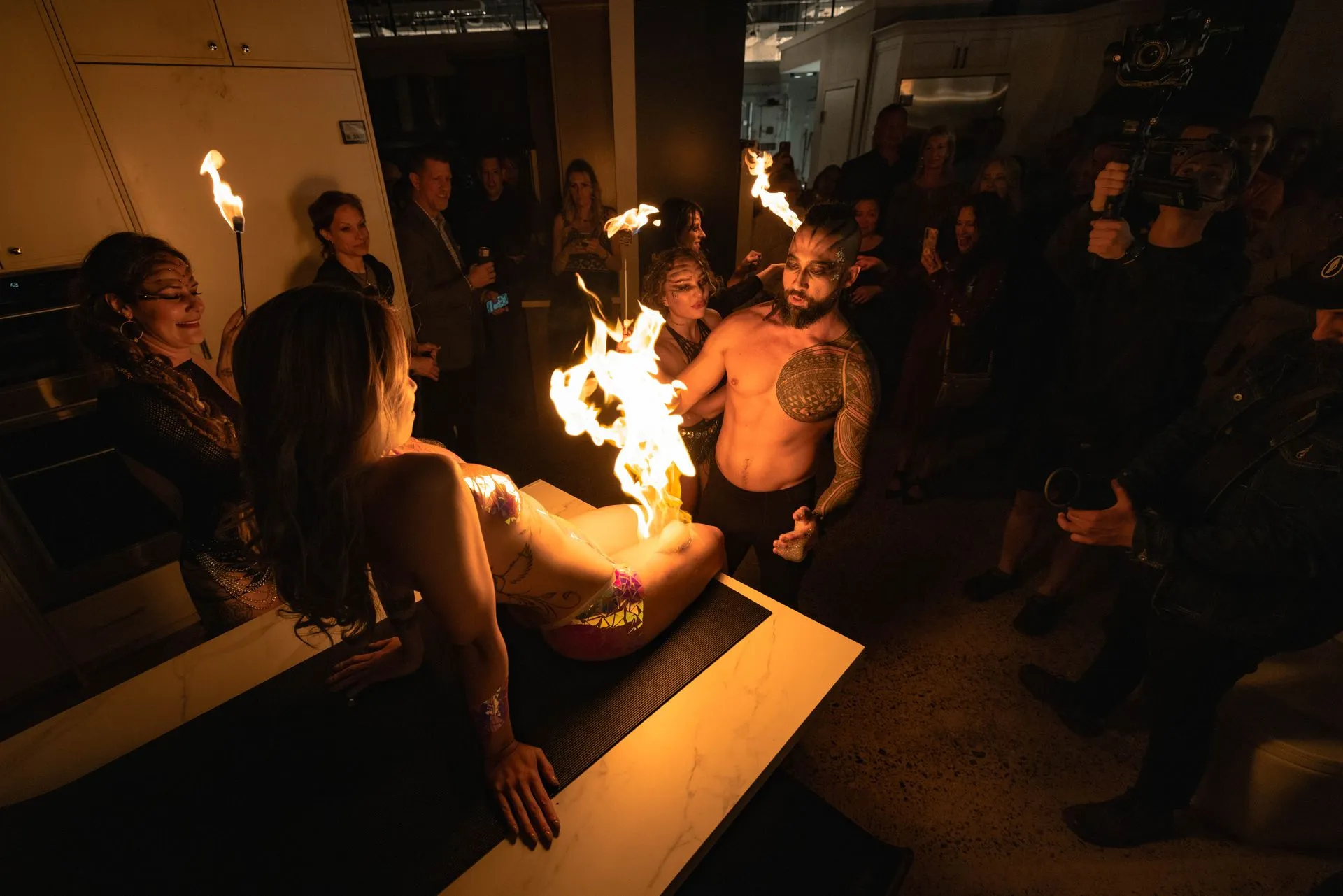
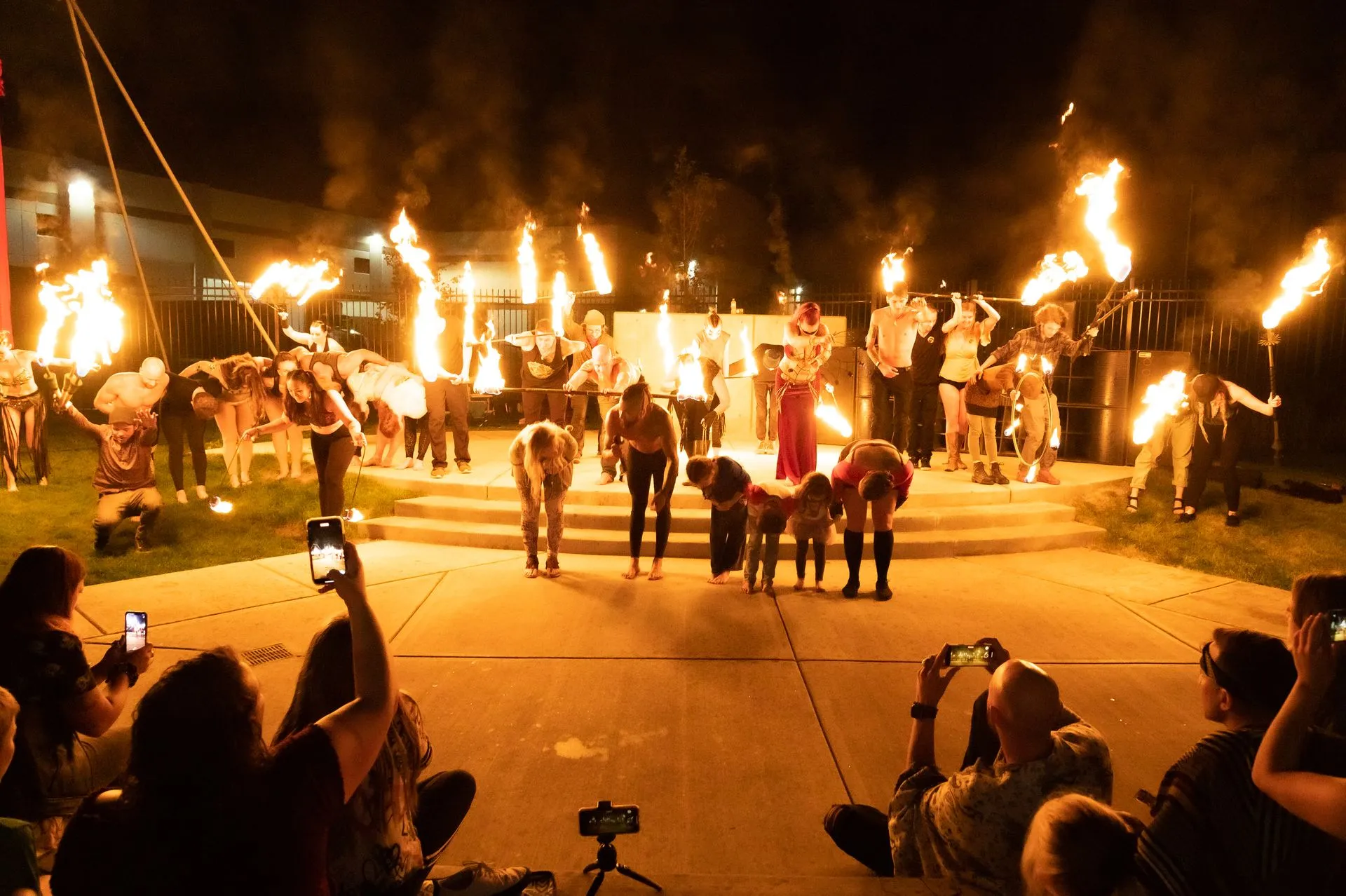
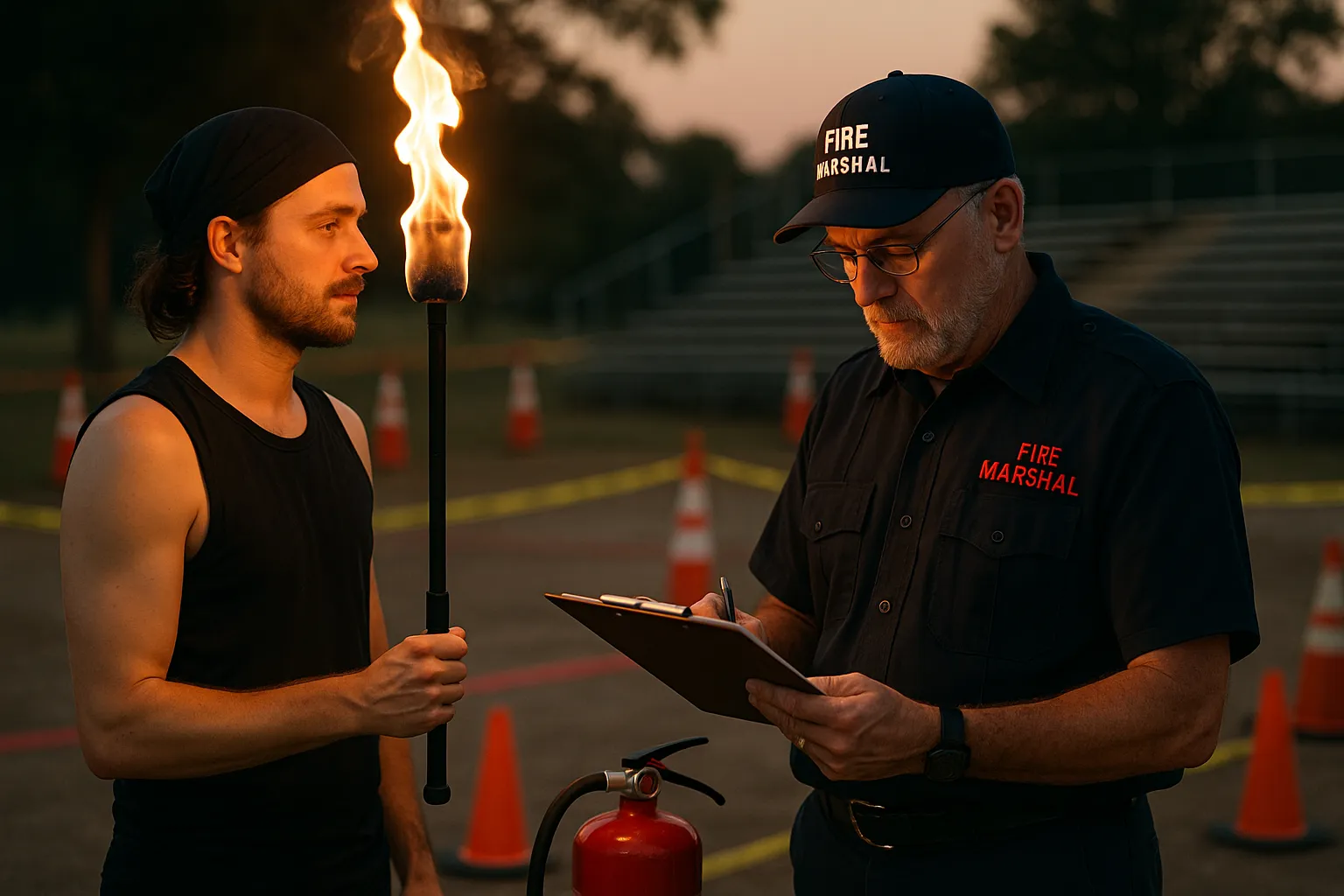
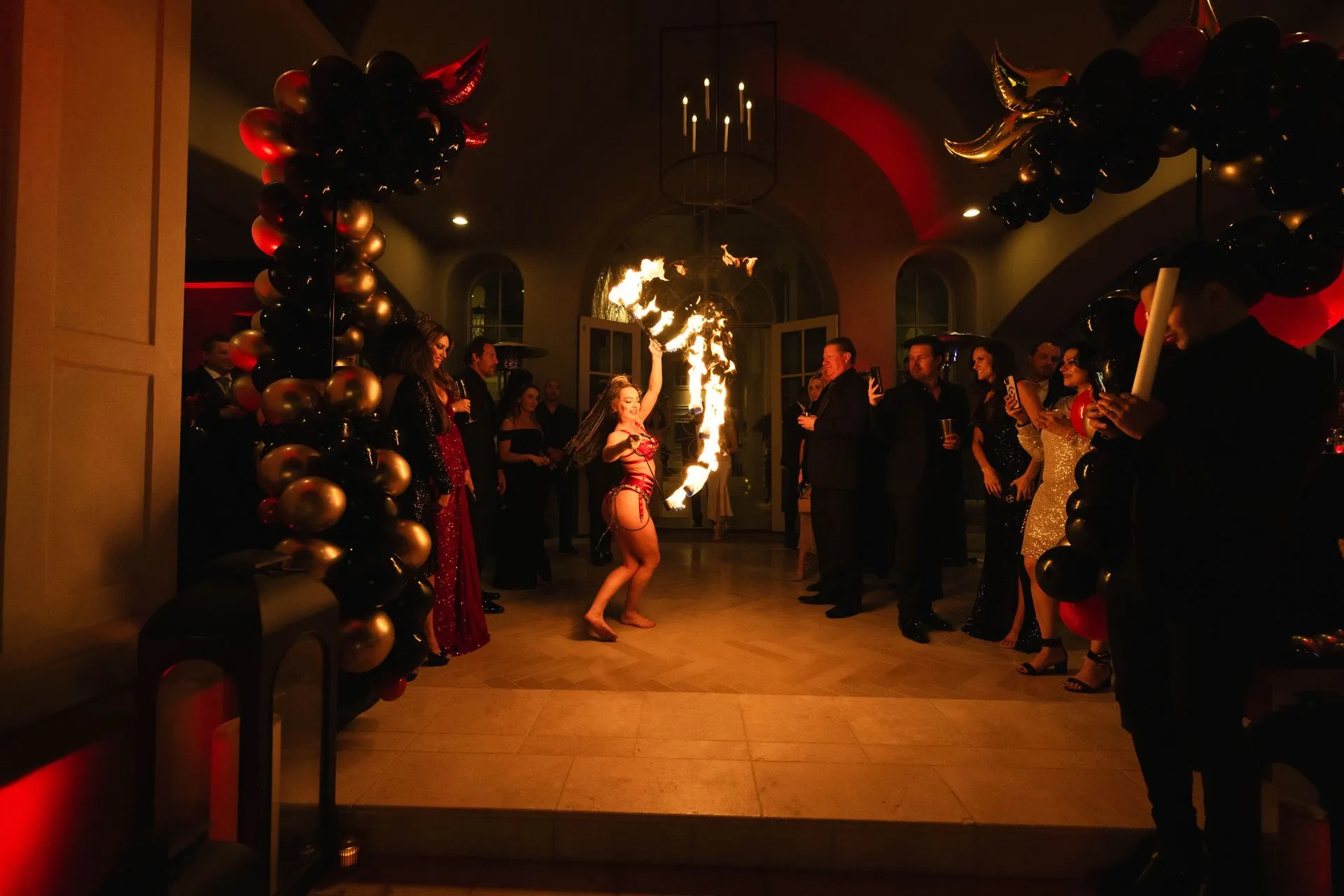
Most corporate events don't need legal in the room. A few do: anything involving alcohol, an open flame, a public brand activation, or a vendor contract above whatever dollar threshold triggers procurement review at that company. The mistake isn't skipping legal on a simple event. It's finding out mid-planning that this one wasn't simple & scrambling for a signature two weeks before the date instead of building the review into the timeline from the start.
Eleven jobs, not eleven people
Event-technology company Dreamcast breaks conference committee work into eleven separate functions: core planning, sponsorship, marketing, logistics, registration, speaker or content management, volunteer coordination, attendee engagement, technology, risk management & post-event evaluation. A large conference staffs most of those separately. A single corporate event usually compresses them onto four or five real people, which is fine, as long as somebody can name who's covering each one. exo|rdo, a conference-software company that has written about this directly, notes that most organizing committees, even at a much bigger scale than a single corporate event, still comprise team leads for logistics, content, sponsorship, technology & marketing. The categories don't shrink. The headcount does.
This usually breaks on communication, not logistics
At enterprise scale, event platform Bizzabo puts it plainly: communication breakdowns between stakeholders "aren't just inconvenient, they're expensive," even when every vendor delivers exactly what was ordered. The same thing happens on a much smaller corporate event when the budget approver, the brand checkpoint & the person running the room all find out about a change on different days. None of those roles failed. Nobody told them at the same time.
- Who owns the day-to-day decisions
- Whose name the event answers to
- Who actually approves the budget
- Who signs off on brand before it goes out
- Who vendors call when something changes on-site
- Whether this event needs legal or procurement & when
Corporate event planning team FAQs
How many people does a corporate event planning team actually need?
Fewer than most companies assume. Five roles need covering: event owner, executive sponsor, budget approver, brand checkpoint & day-of coordinator. On a smaller team, one or two people can hold several of these at once.
Who has final say on a corporate event's budget?
Whoever actually controls spend at that company, not whoever built the first draft of the number. That person should be part of the planning conversation from the start, not a signature requested after the plan is already built.
When should legal get involved in event planning?
When the event includes alcohol, an open flame or other live effects, a public brand activation, or a vendor contract above the company's own procurement threshold. Most events don't need legal in the room. The ones that do need it built into the timeline early, not requested two weeks out.
Can one person really do all of these jobs?
On a smaller event, yes, as long as it's clear which hat they're wearing for which decision. What causes problems isn't one person covering several roles. It's a role nobody is covering at all.
Not sure who actually needs to be in the room for your next event? Tell us what you're planning & we'll tell you who belongs in that conversation & who doesn't. Start the conversation here.
New posts, straight to your inbox.
Real lessons from real corporate events, no filler.












-1920w.jpg)