What to Check Before You Book a Corporate Event Venue
A venue contract gets signed, a deposit clears & the date goes on the calendar. Most planners treat that as the finish line. It's actually the start of a different list, the one nobody reads until something on it gets missed: insurance, occupancy, the exact hour trucks can start unloading & which permits this specific address requires.
What to check before you book a corporate event venue
Before signing, a corporate event needs four things confirmed in writing: a certificate of insurance that names the venue as additional insured, the venue's posted occupancy limit measured against the real guest count, a load-in & load-out window long enough for every vendor's setup time & confirmation of which city permits apply, since requirements change by jurisdiction even for a private event. Each one gets missed the same way, assumed instead of asked.
The certificate of insurance the venue actually wants
Most venues require general liability coverage of at least $1 million per occurrence & $2 million aggregate, with the venue listed as an additional insured on the policy, per ACT Insurance's breakdown of venue requirements. The certificate needs the venue's exact legal name & address in the certificate holder box, dates that cover setup & teardown & not just the event itself, plus limits that meet or exceed what the contract specifies.
If alcohol is being served, expect the venue to ask for host liquor liability on top of general liability. A policy that only covers the hours guests are in the room, missing the load-in morning & the strike that runs past midnight, is the version that gets flagged at the door.
The occupancy number that's a hard ceiling, not a suggestion
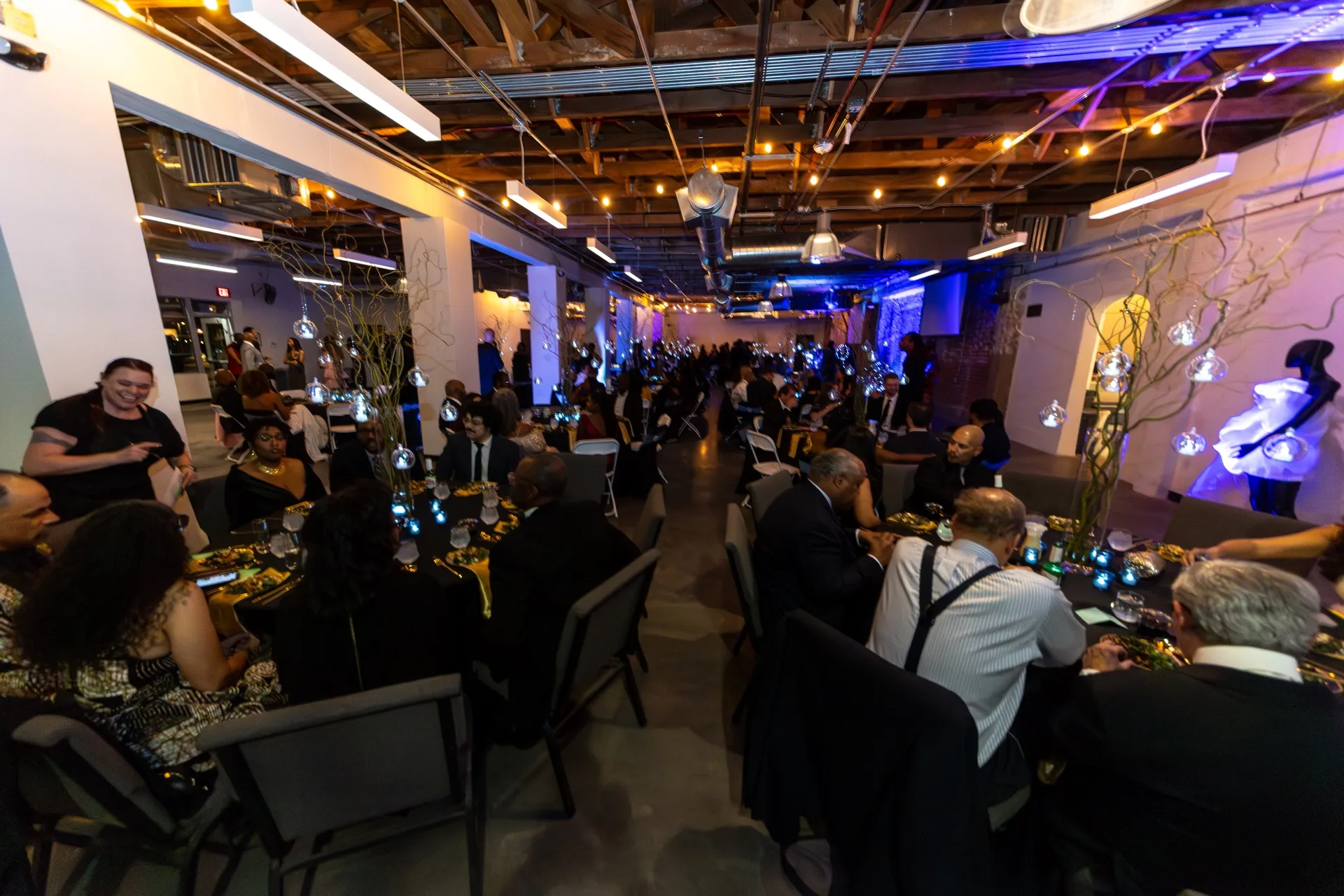
Every venue has a posted maximum, set by the fire marshal from the building's exit capacity, not from how many chairs fit. Occupancy is calculated by dividing usable floor area by an occupant load factor set in the building code, then checked against how many people the exits can move in an evacuation. Whichever number is lower, the calculated capacity or the exit capacity, becomes the posted limit.
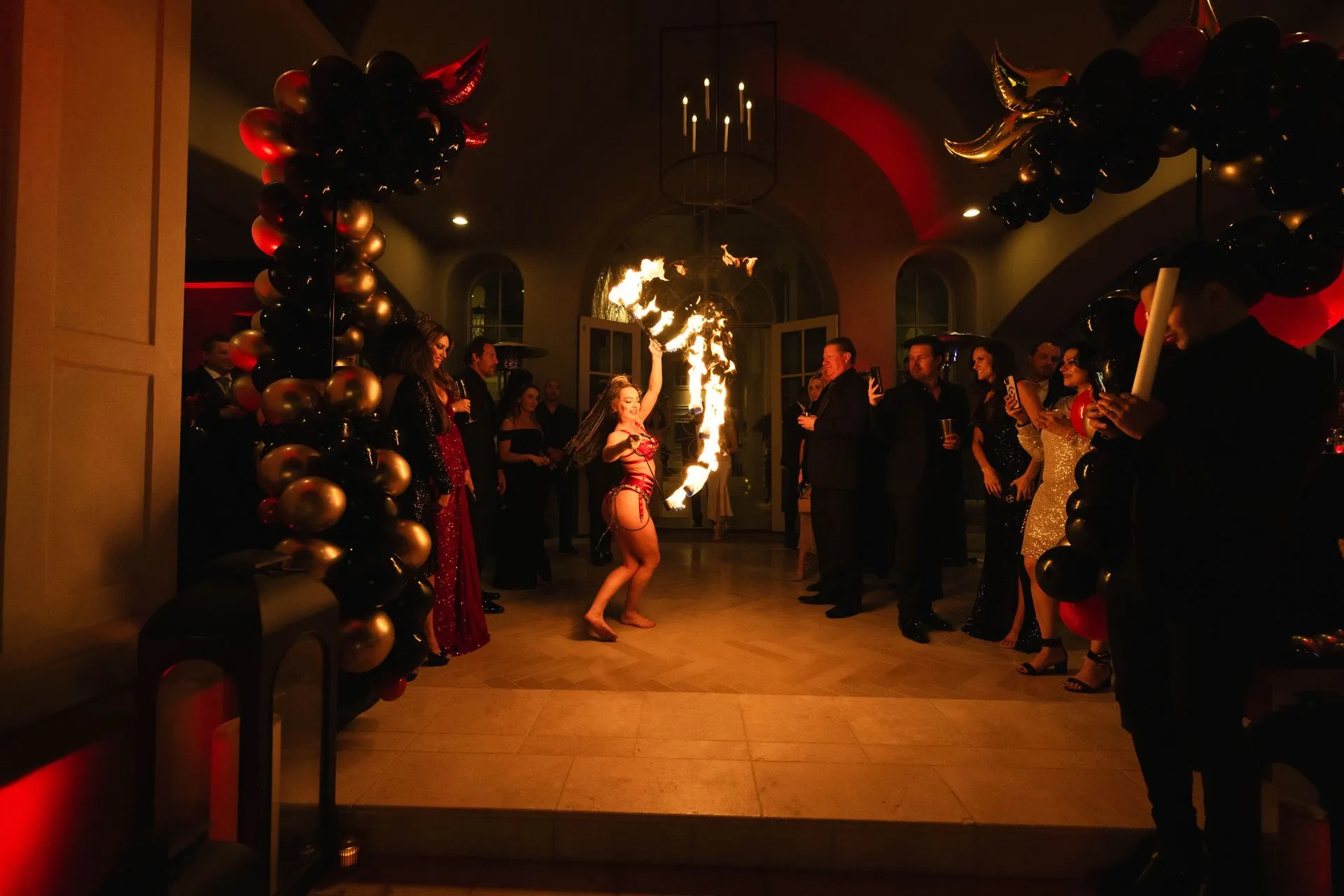
That number doesn't flex for a good relationship with the venue or a client who wants forty more people in the room. A guest list that outgrows the room on paper is a guest list that gets turned away at the door, or waved in anyway by a venue willing to risk it. Confirm the number against the real headcount early, while it can still fold into event strategy & planning instead of getting discovered the week of the event.
Why the load-in window is a real constraint, not a formality
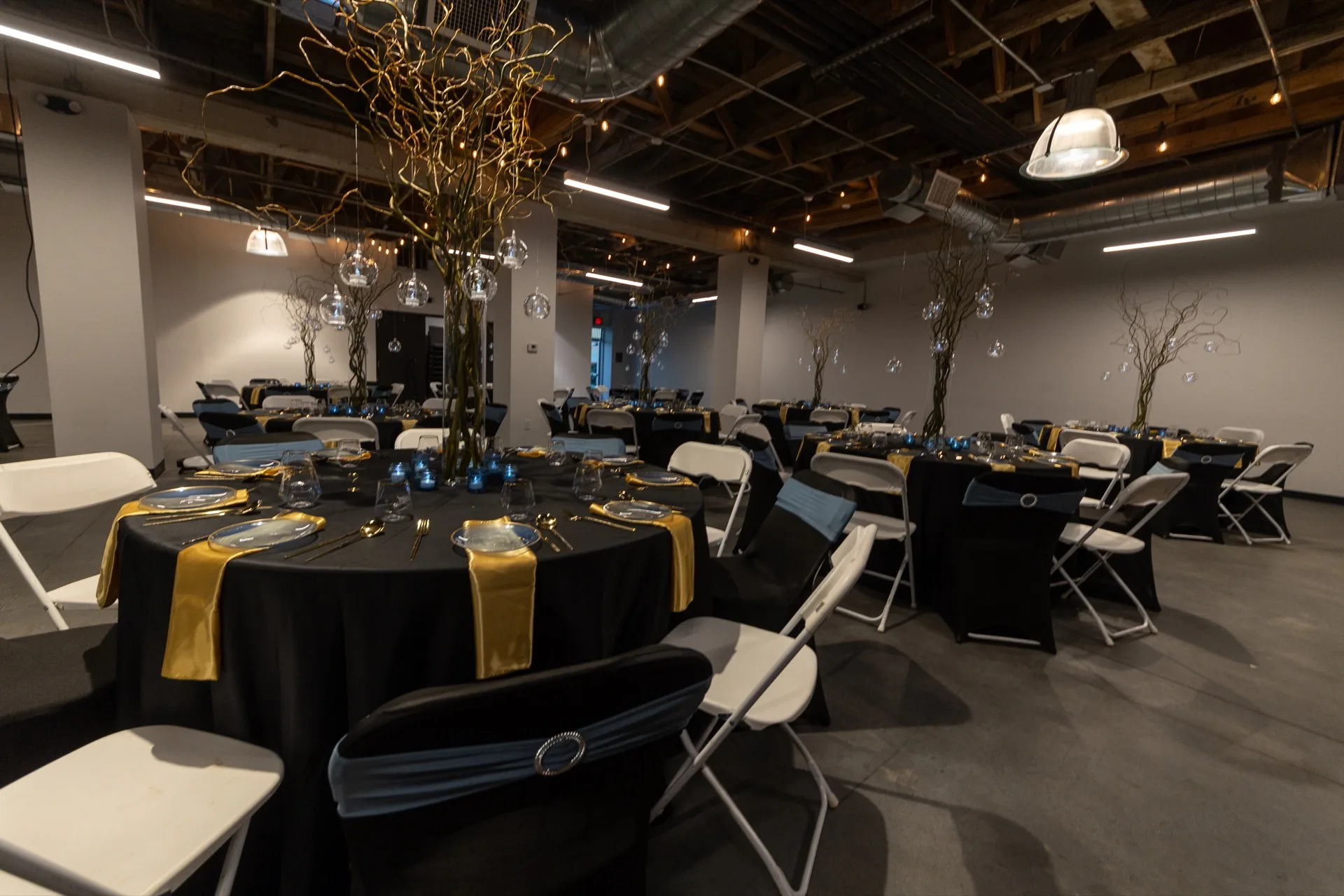
In our own field experience, load-in typically opens 6 to 8 hours before doors, with rentals going in first, AV & lighting second, catering & bar last. A live band alone can need 90 to 120 minutes just for sound check. Stack that against a venue that only offers a 45-minute setup window & the math doesn't work before the event even starts.
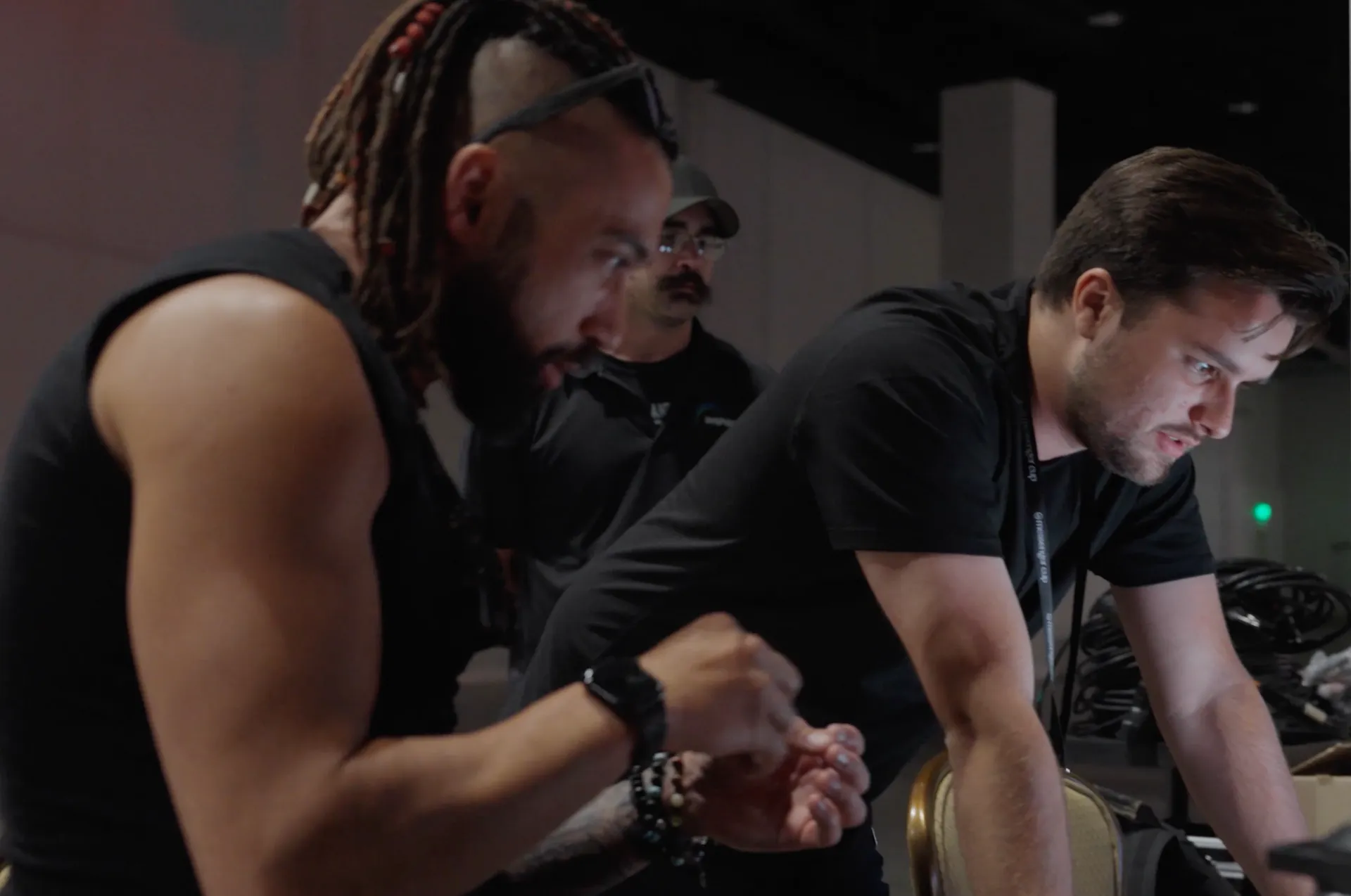
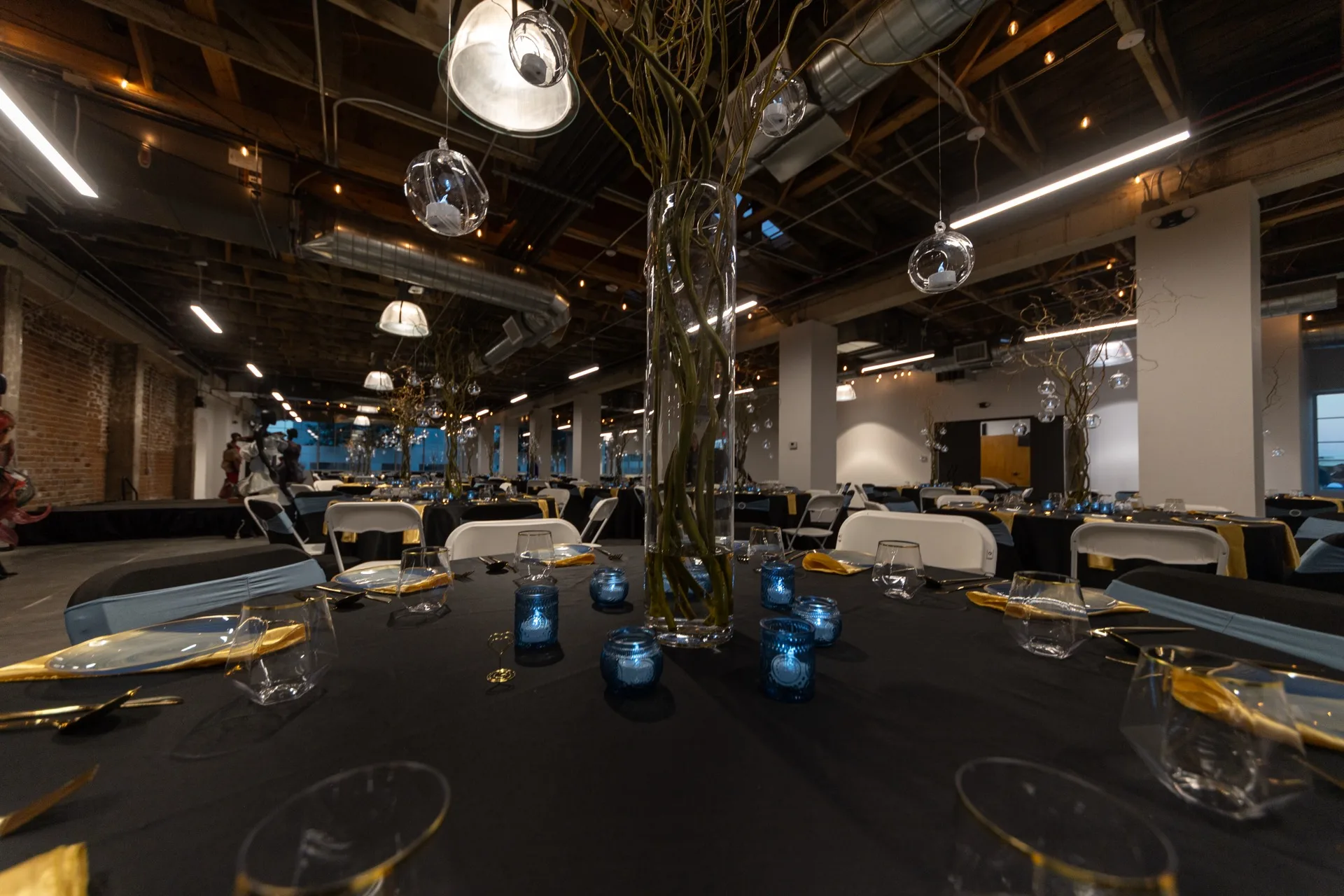
The details that make or break that window rarely show up on a floor plan: whether trucks can actually reach the loading dock, whether there's a freight elevator sized for a lighting truss, where the power access sits relative to where it's needed. Those get confirmed on an actual site walkthrough, not a set of photos.
The permit that changes depending on which city you're in
A private, invite-only corporate event can still need a city permit. The requirement changes by jurisdiction even a few miles apart. Seattle's special events office, for example, requires a permit or noise variance for outdoor amplified sound & asks for a mitigation plan submitted in advance. Other cities apply the same logic to tents, temporary structures, street closures & anything drawing enough people to affect a neighborhood, which matters most for a destination event landing somewhere your team doesn't work regularly.
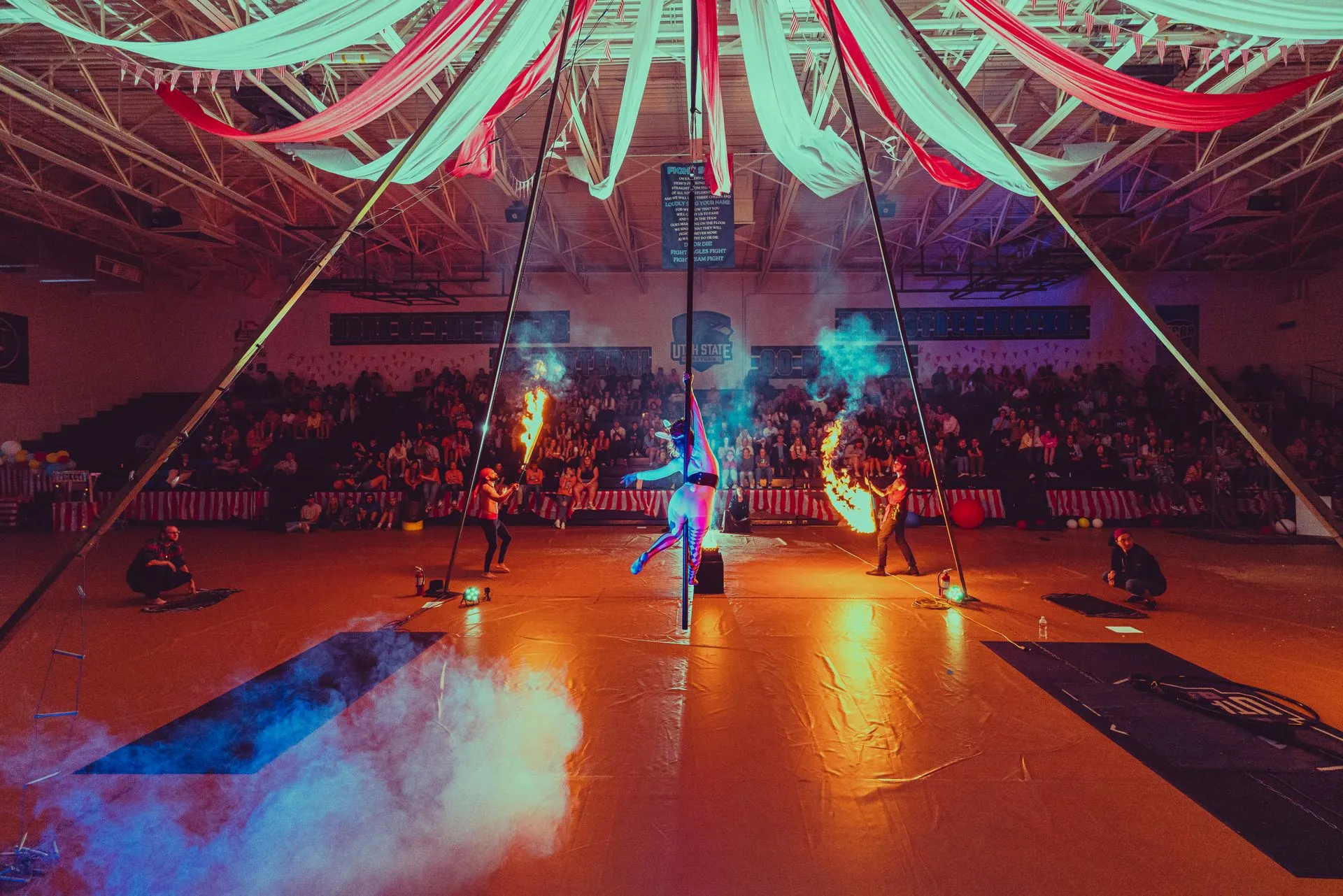
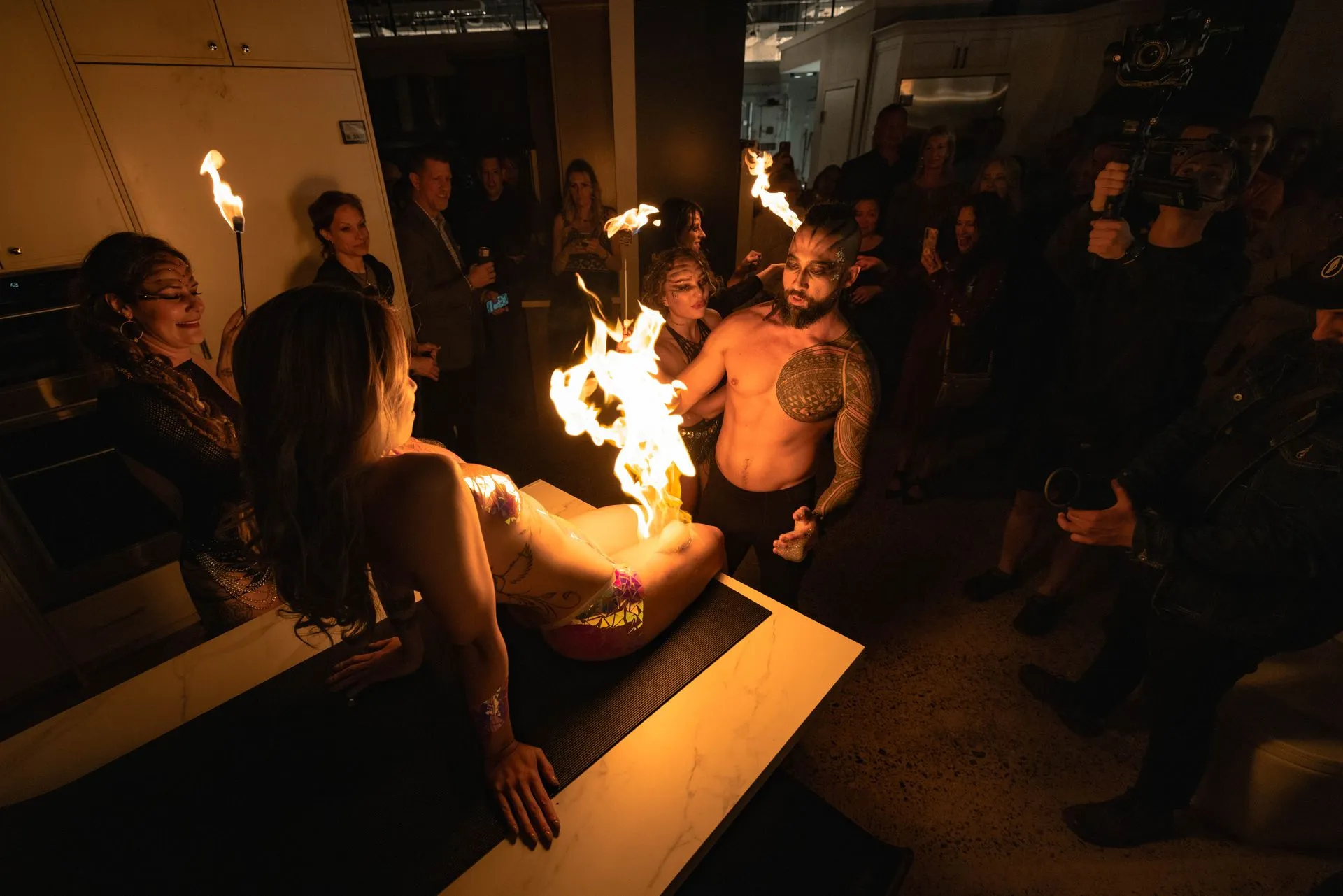
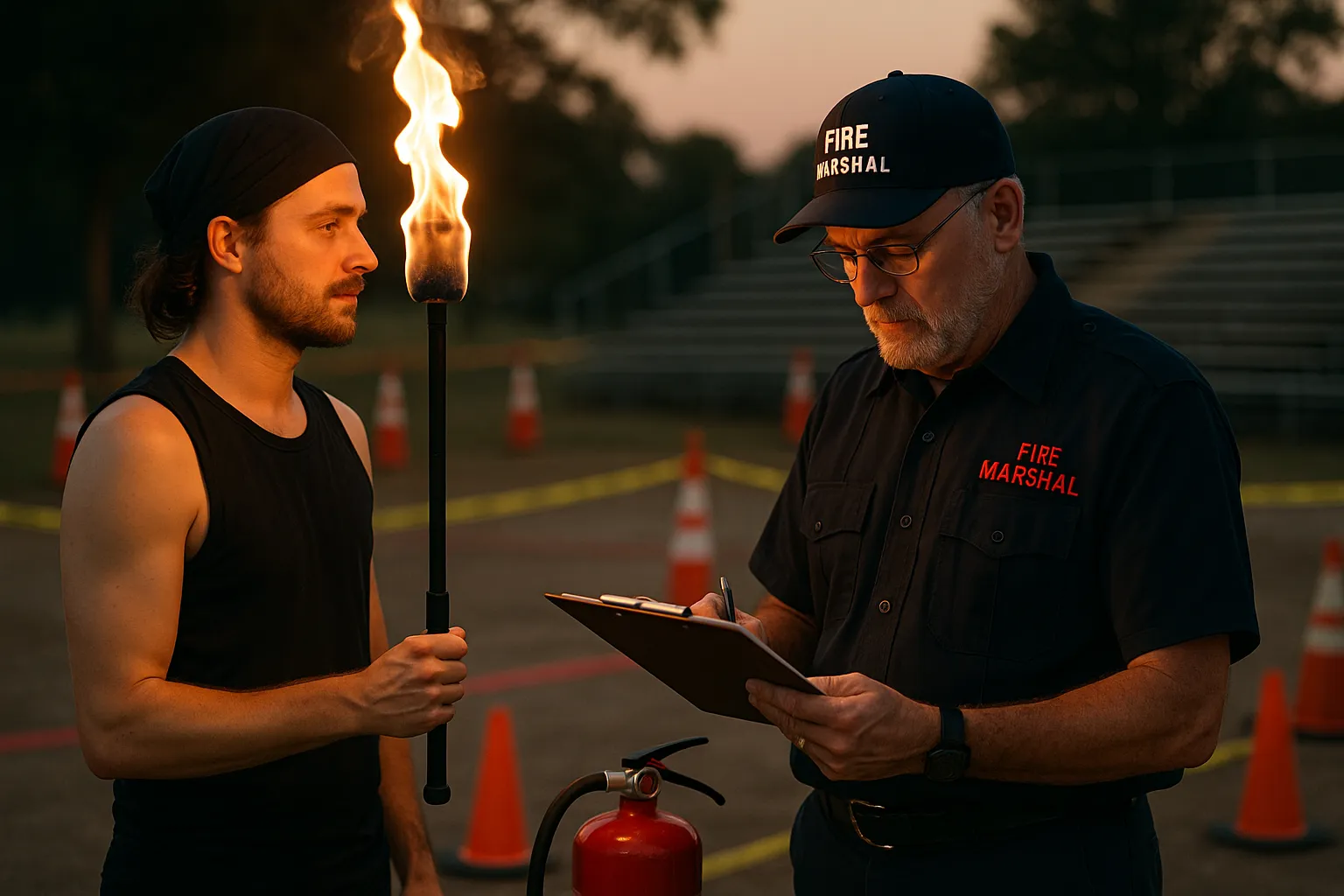
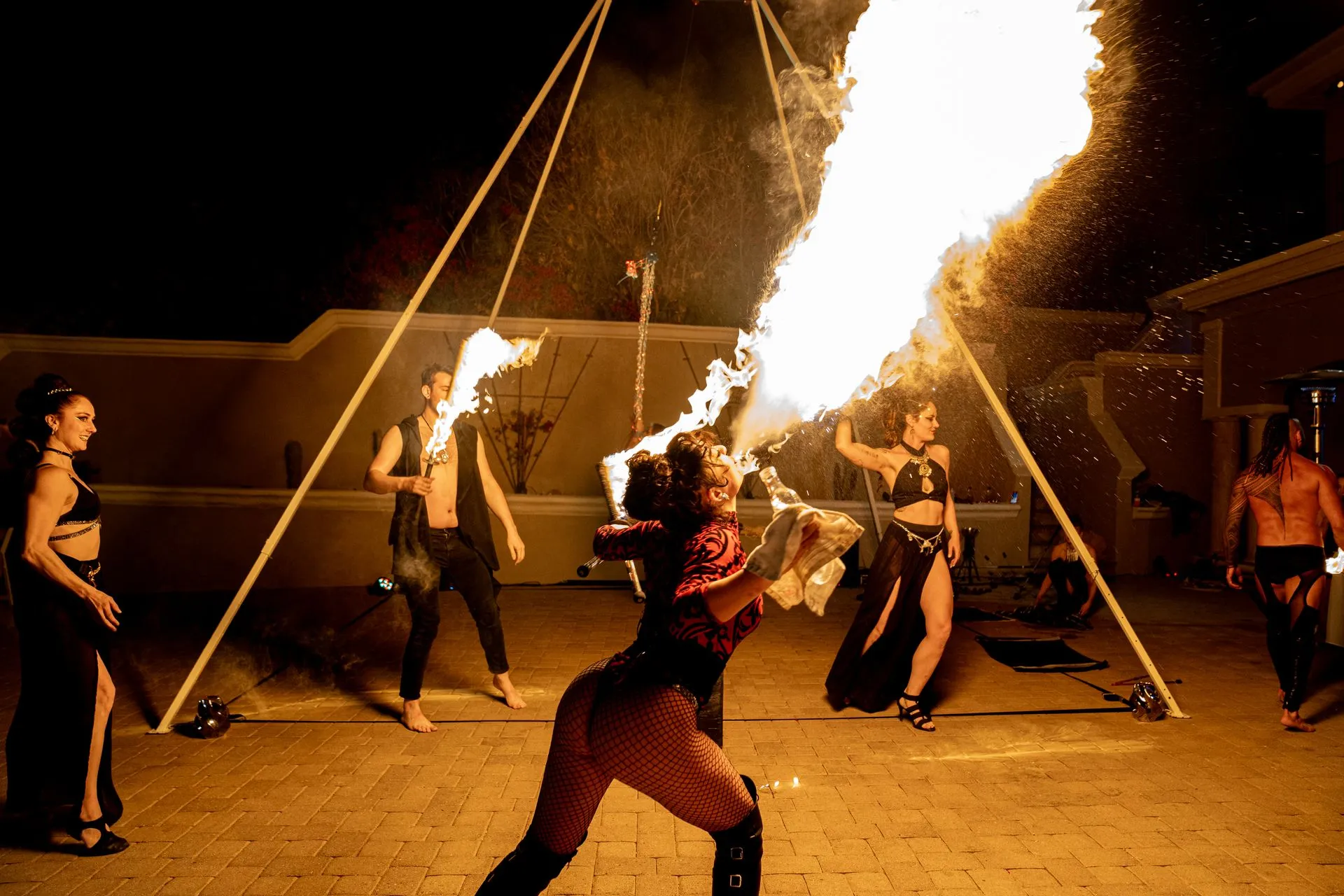
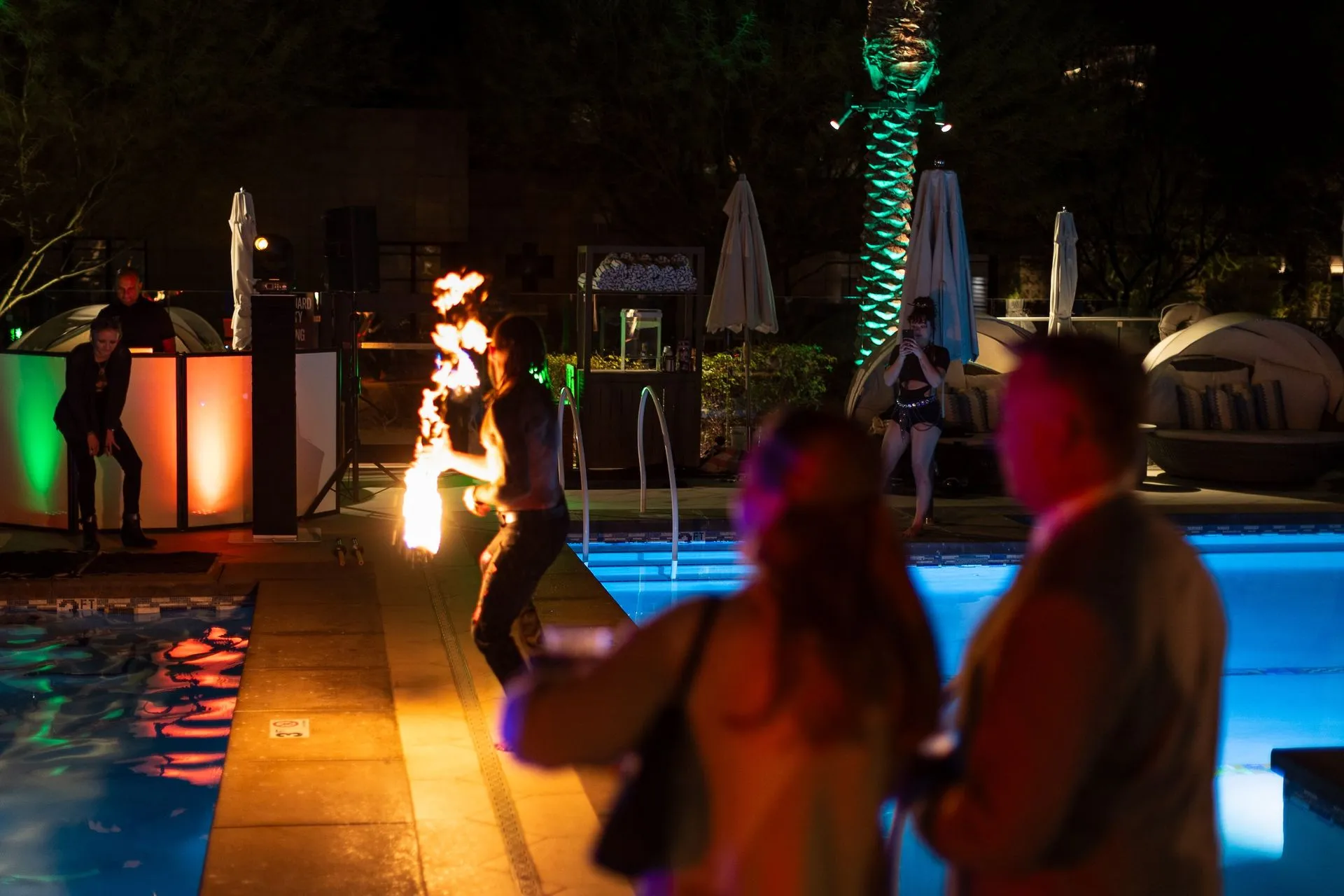
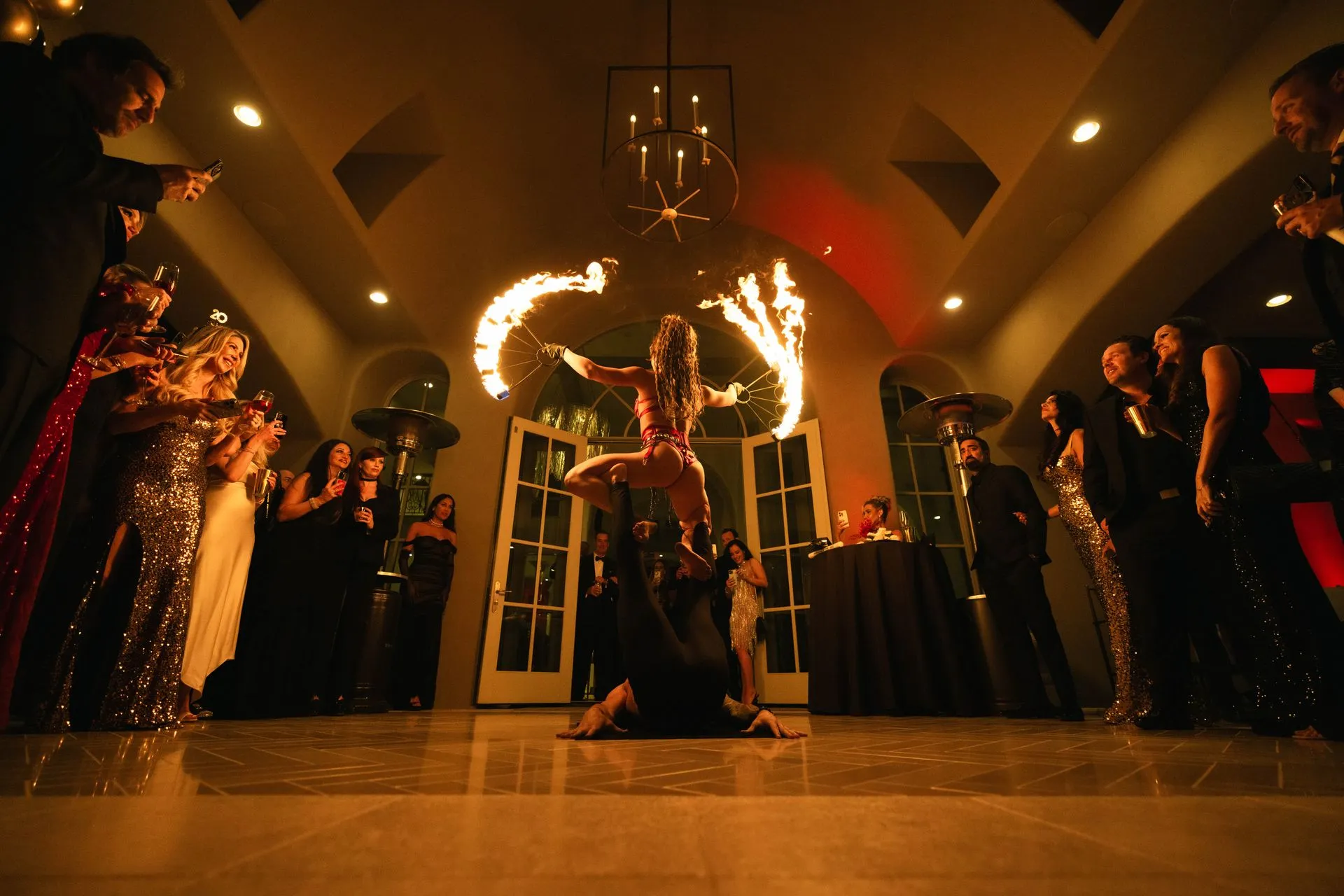
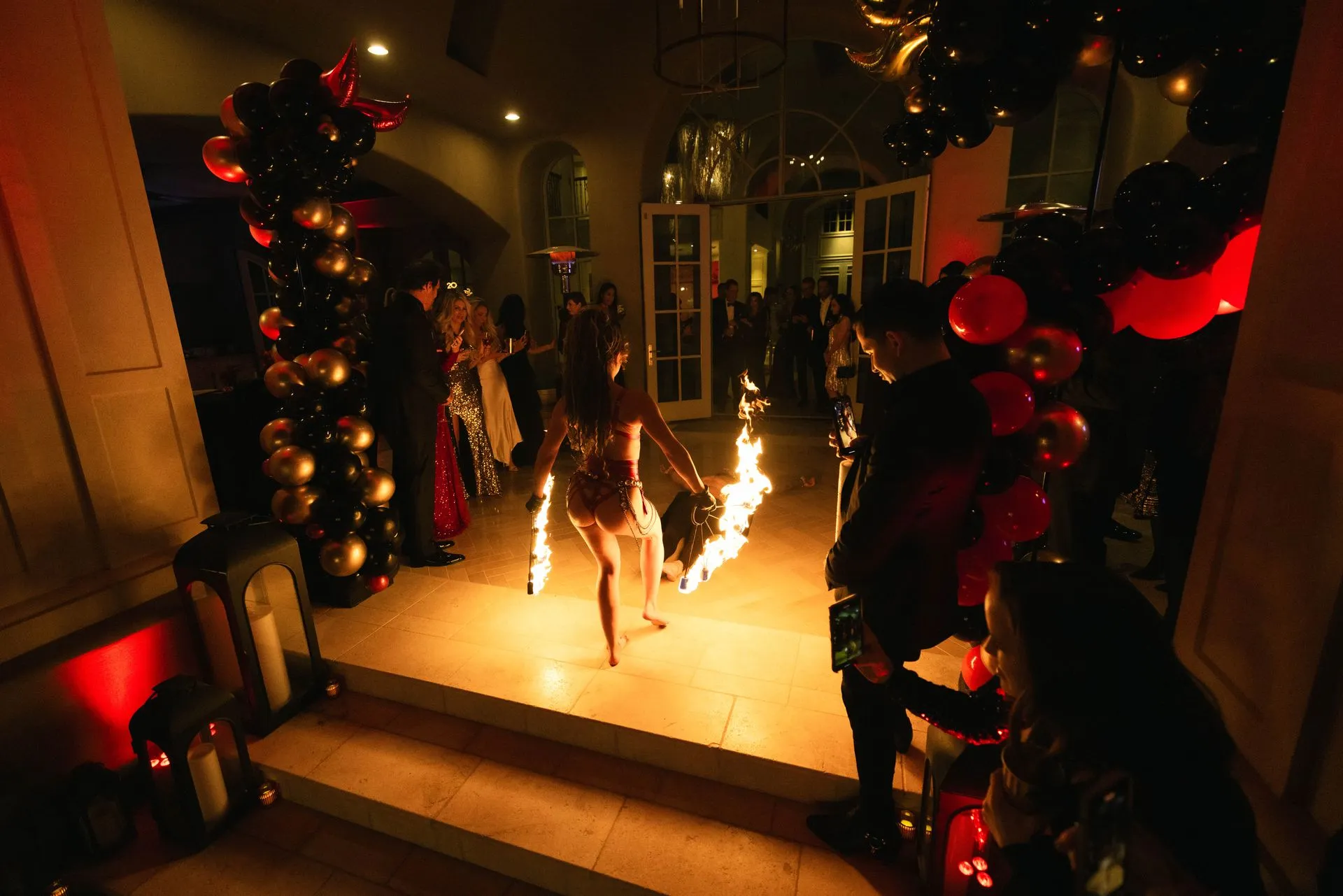
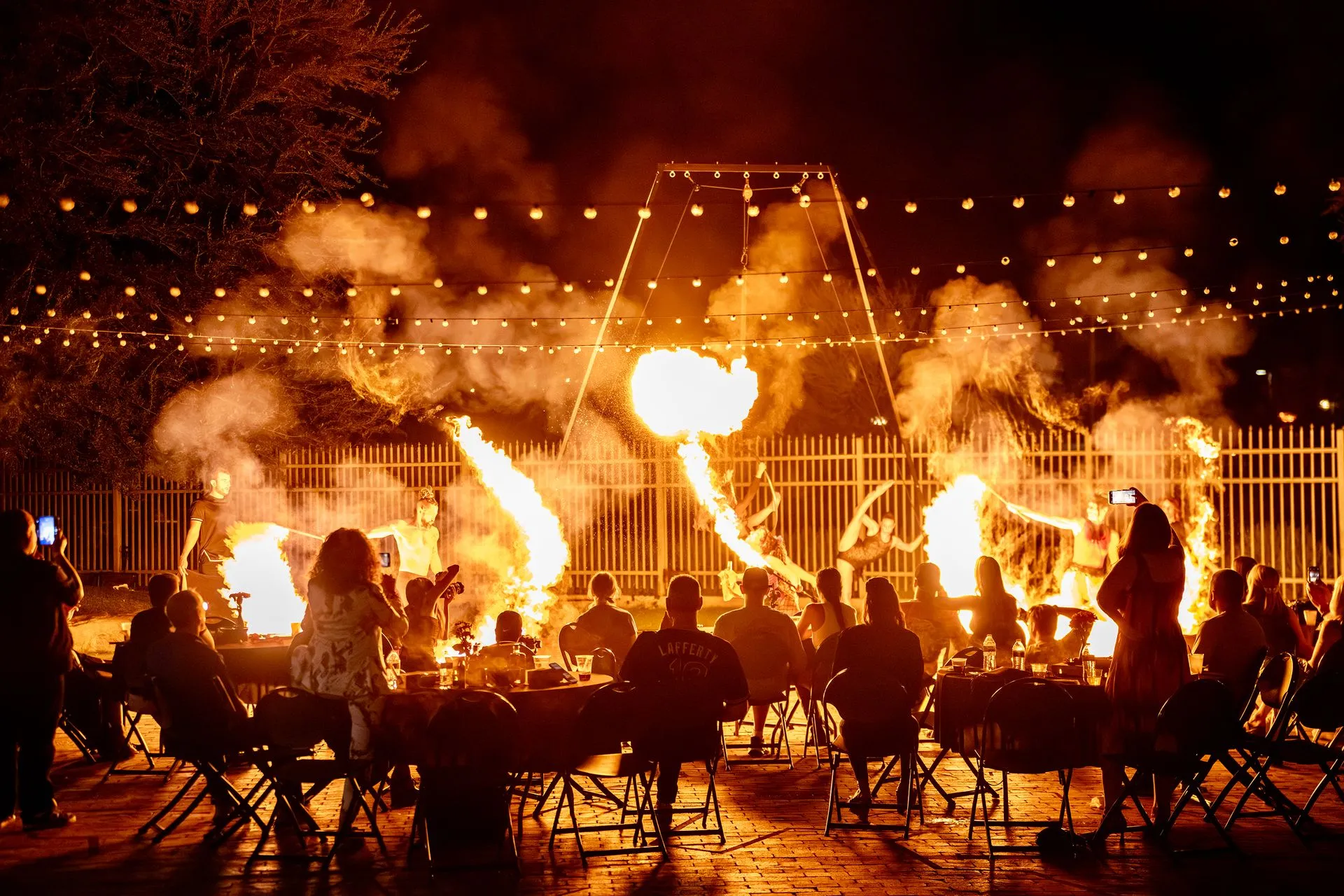
Application windows run long in most cities, sometimes 60 days out for anything touching a street, sidewalk, or public right of way. The venue rarely files this on your behalf. A different but related layer covers open flame specifically, which is why we've written before about why fire permits aren't optional when live performance is part of the night. Either way, someone on the event team has to know the jurisdiction's rules exist & has to be the one who applies.
What a real site walkthrough covers
The paperwork above gets confirmed at the same walkthrough, not chased down separately after. Before a venue gets locked, that visit should cover:
- Loading dock access & freight elevator size for the heaviest equipment
- Power access, breaker locations & whether generators are needed
- The venue's posted occupancy number against the actual guest count
- Certificate of insurance requirements & the deadline to submit one
- Which city permits apply to this address, this date & this guest count
Venue logistics FAQs
What is a certificate of insurance and why does an event venue require one?
It's proof of liability coverage, usually at least $1 million per occurrence & $2 million aggregate, with the venue listed as an additional insured. Most venues require it before load-in starts, with dates covering setup & teardown, not just the event hours.
How is a venue's occupancy limit calculated?
By dividing the usable floor area by an occupant load factor set in the building code, then checking that number against how many people the exits can safely move in an evacuation. The lower of the two becomes the posted maximum, set by the fire marshal, not by how many chairs fit.
How much time should a corporate event build into the load-in window?
Load-in typically opens 6 to 8 hours before doors, with rentals first, AV & lighting second, catering & bar last. A live band alone can need 90 to 120 minutes for sound check, so a short setup window creates a scheduling problem before the event starts.
Does a private corporate event need a city permit?
Often yes. Outdoor amplified sound, tents, temporary structures & anything affecting a street or public right of way typically need a permit. The rules change by city & some jurisdictions require applications 60 days out, so this gets confirmed early, not the week of the event.
If you'd rather one team walk the site, confirm the paperwork & own the load-in schedule instead of chasing five separate answers, that's the job. Tell us about your venue & we'll tell you exactly what we'd check: start the conversation here.
Photo: Your Media Guy (instagram.com/your_media_guy)
New posts, straight to your inbox.
Real lessons from real corporate events, no filler.










-1920w.jpg)





-1920w.jpg)