What Happens When Something Goes Wrong at a Corporate Event
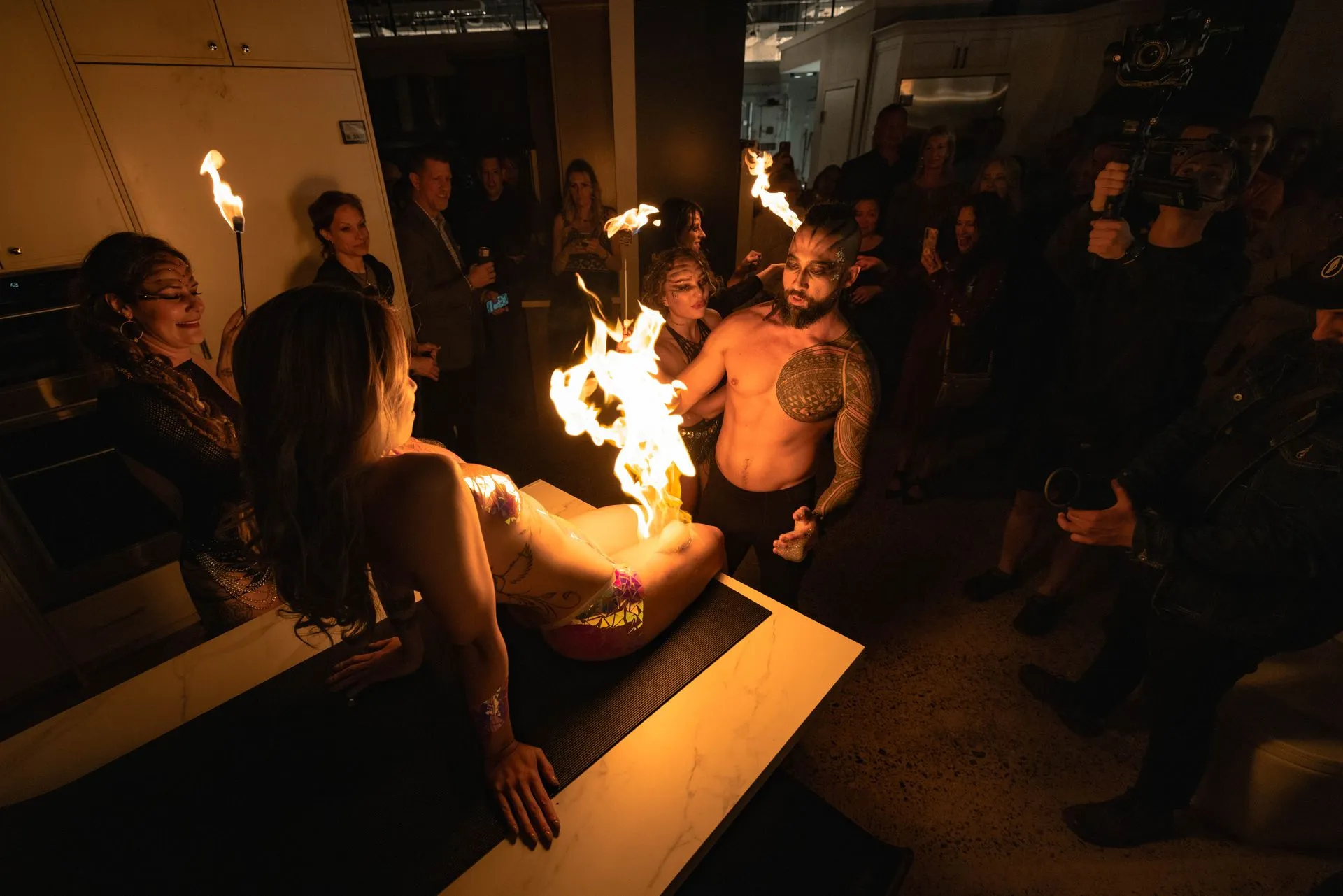
A corporate event that goes right usually had something go sideways somewhere in the middle of it. A gust of wind changes what a fire routine can safely do. A wireless mic cuts out for four seconds during a toast. A vendor's truck is twenty minutes behind the load-in window. None of that reaches the guests, & that gap, between what almost happened & what the room actually experienced, is the real measure of whether the production is working.
What happens when something goes wrong at a corporate event
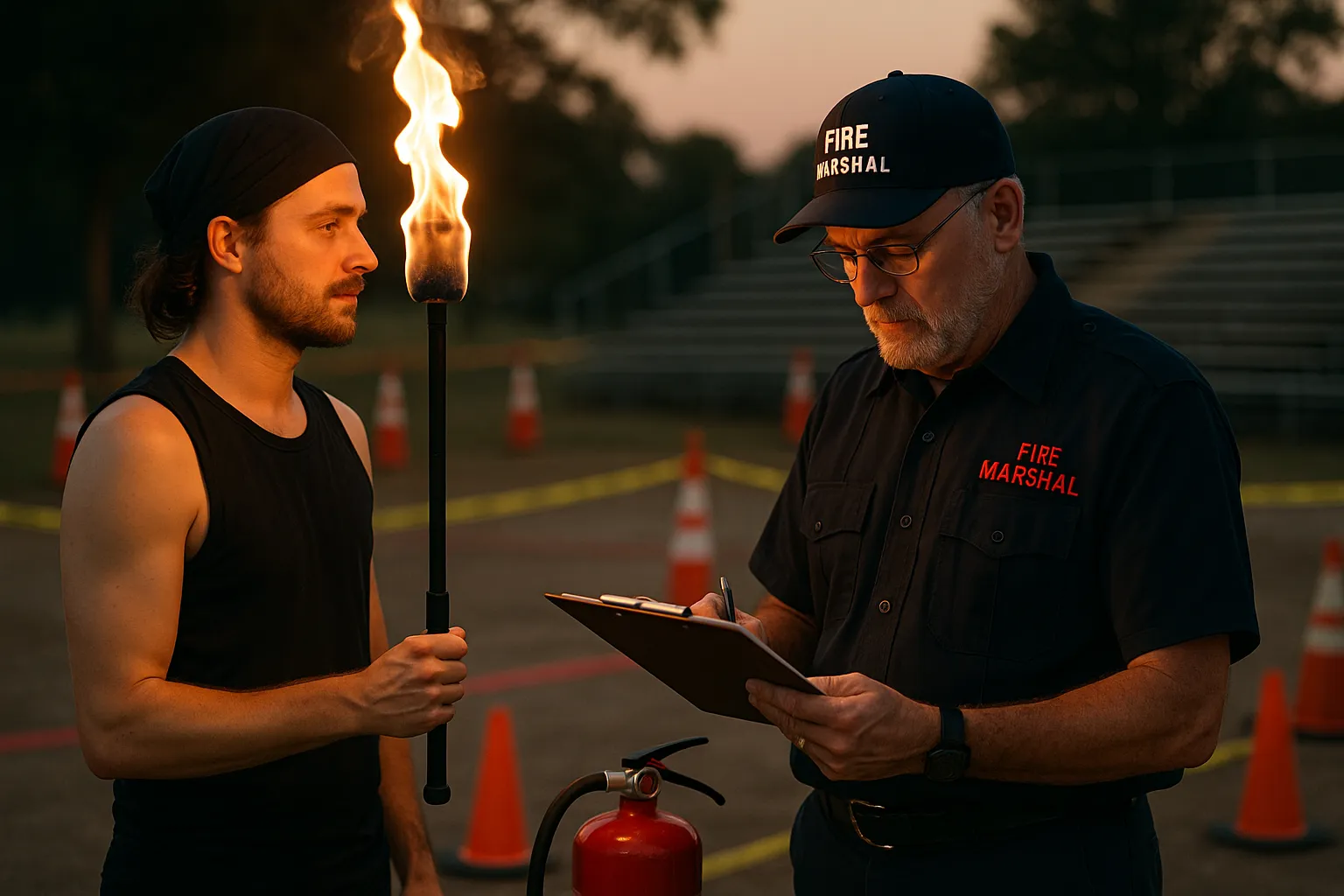
When something goes wrong at a well-run corporate event, the fix happens somewhere the guests never see it. A named lead already has the authority to make the call in real time, without checking with anyone first. A backup plan for the most likely failures, weather, equipment, a late vendor, is staged before it's needed instead of improvised after the fact. & exactly one person handles every conversation with the client, so a problem gets solved instead of explained to three different people at once.
One person makes the call, & it's decided before doors open
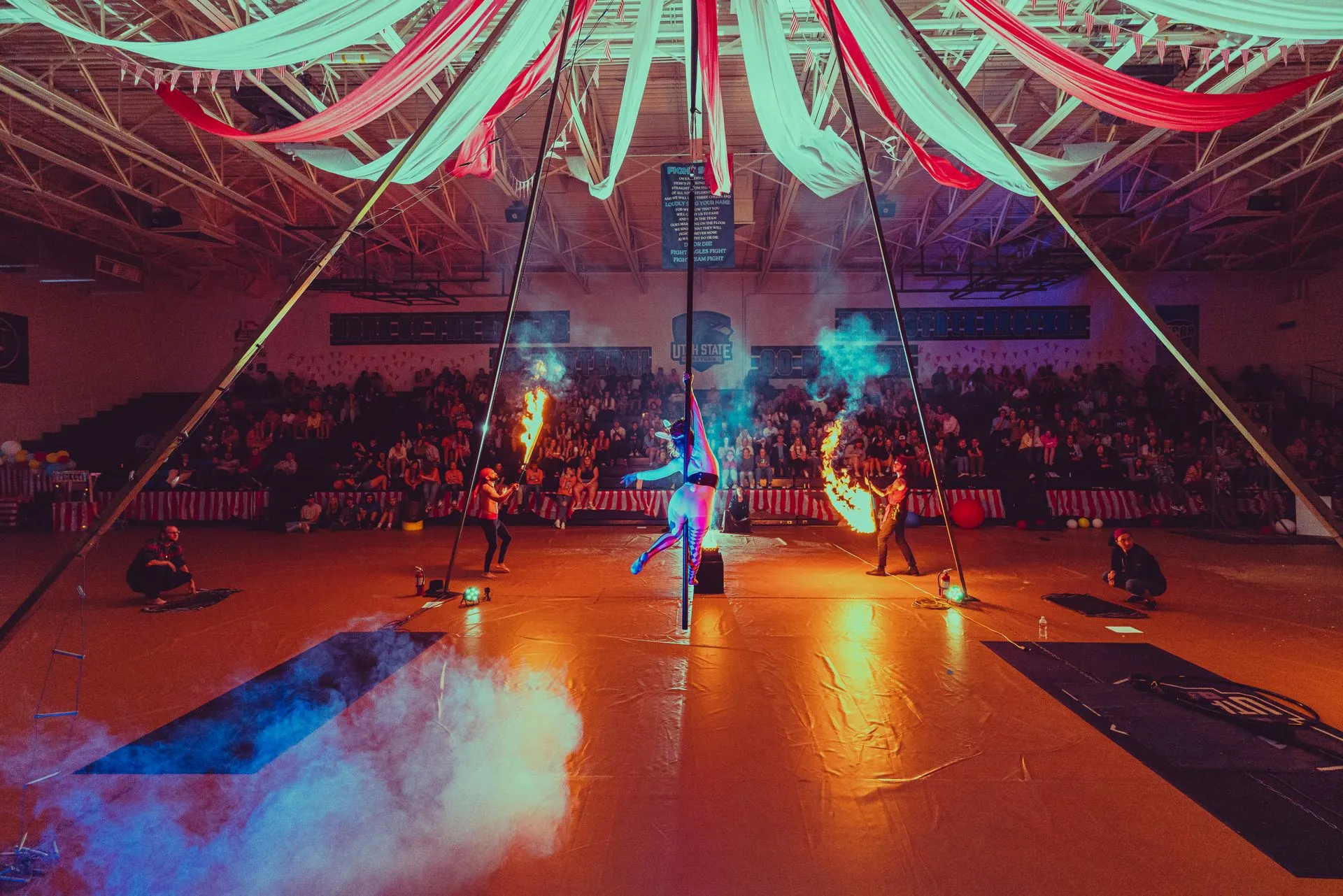
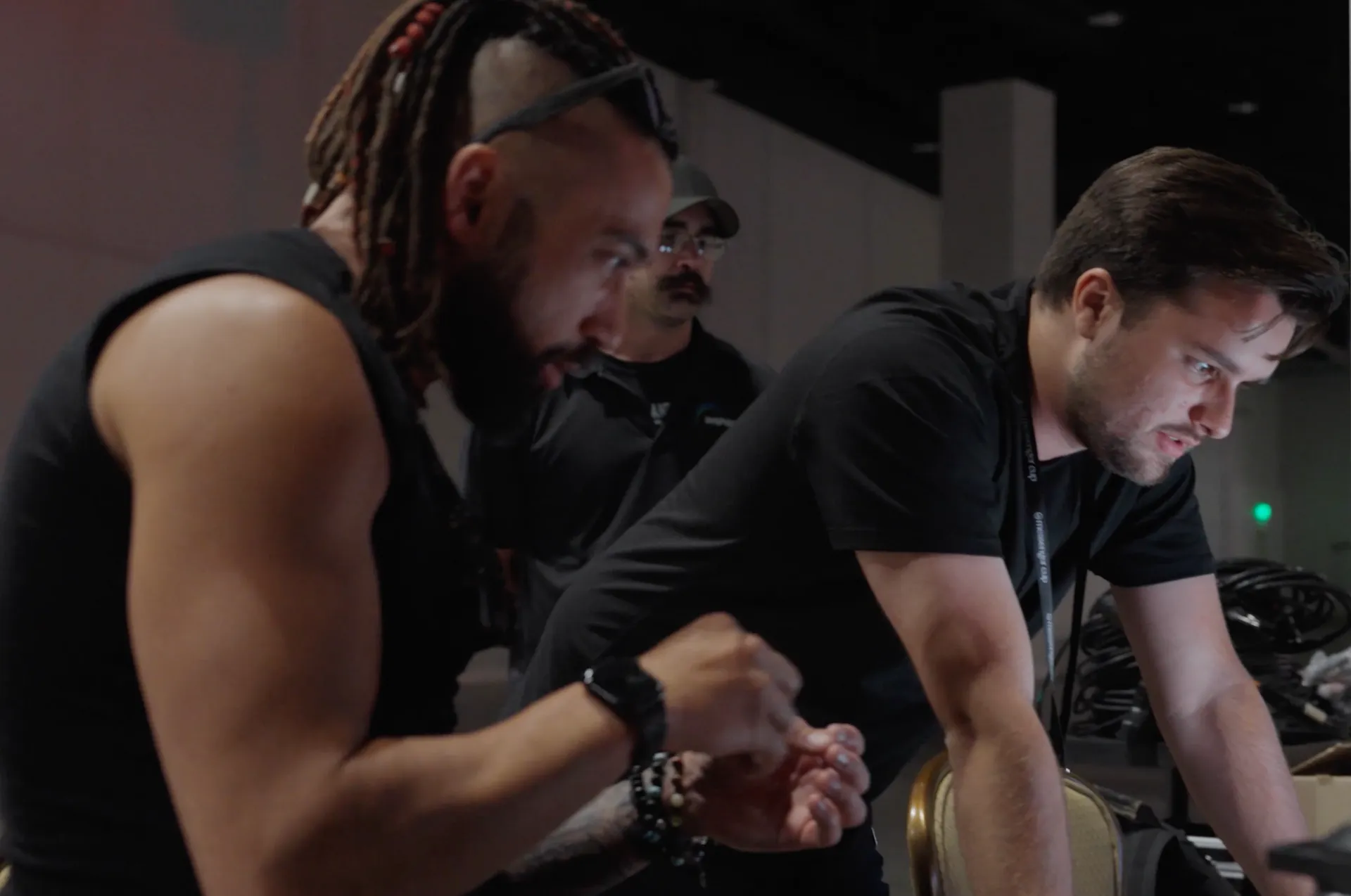
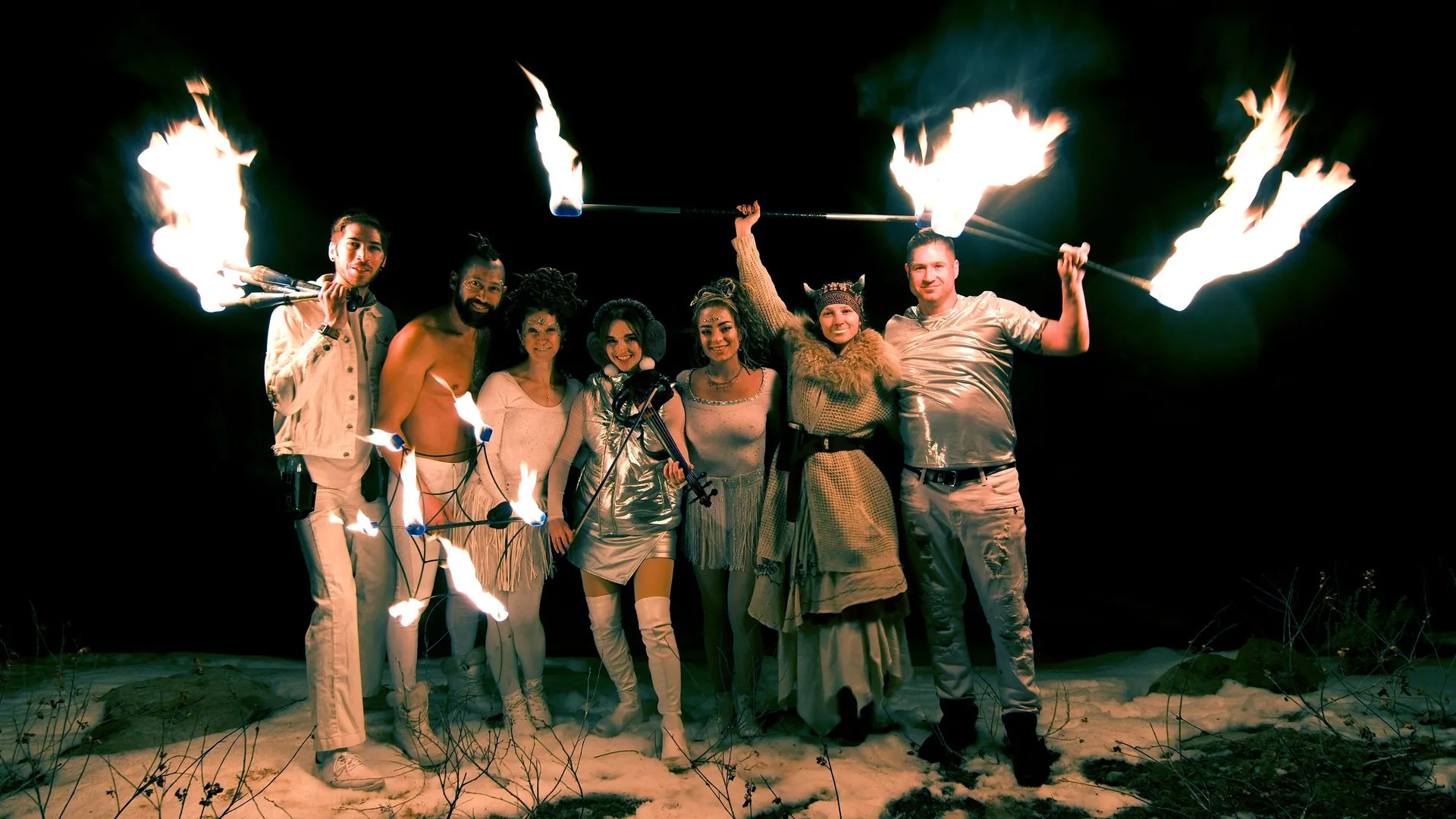
Every Hana show names a lead before the client's first guest arrives. If a request comes up mid-show, an extra song, one more set, a schedule change, it goes to the lead, not to the performer standing in front of the client. The lead prices it or declines it. Performers don't negotiate, & vendors don't either.
That structure isn't about control for its own sake. A single point of contact on-site means the client gets one fast, accurate answer instead of three different guesses from three different crew members who don't know what the others already agreed to.
The wind call nobody in the room is asked to make
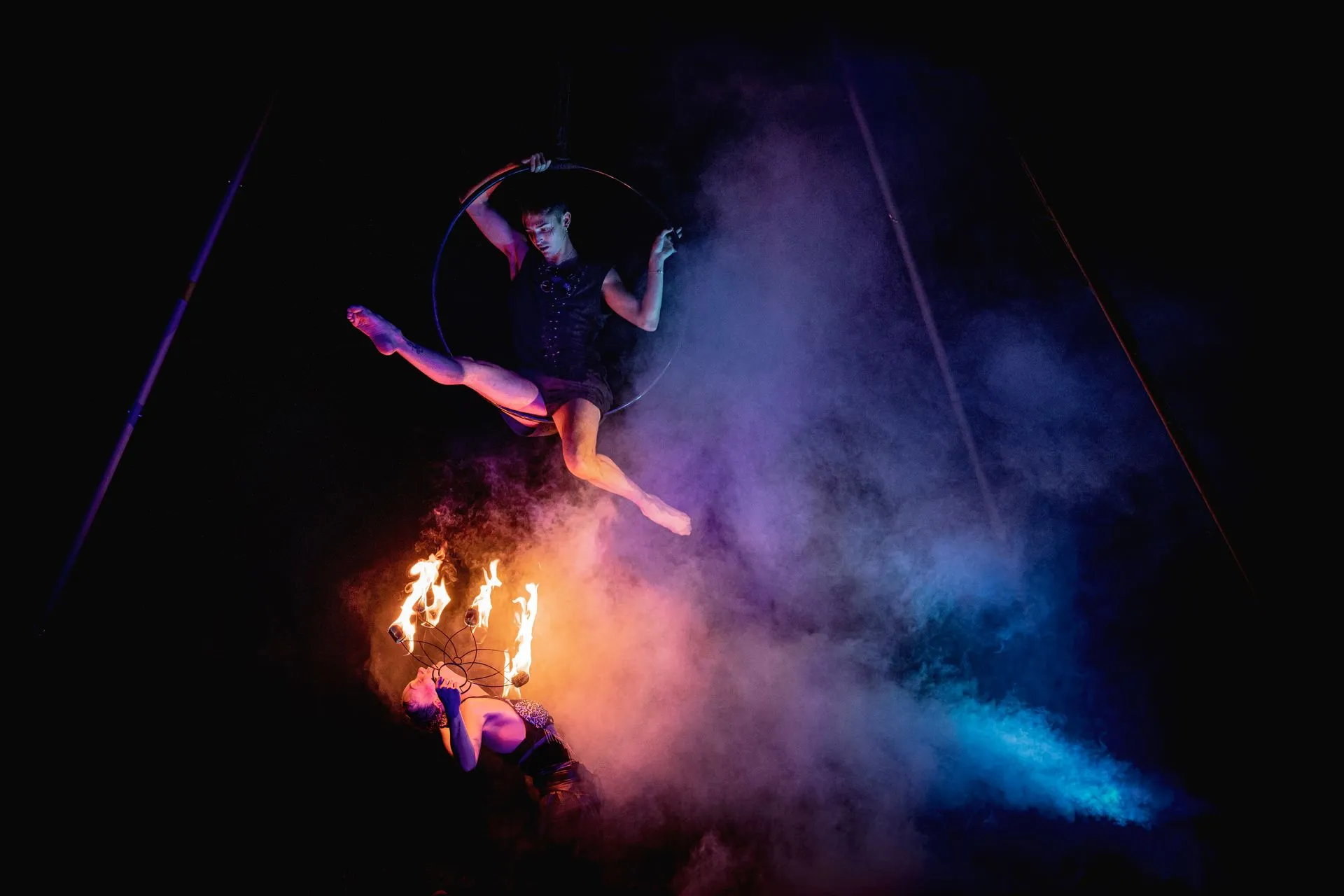
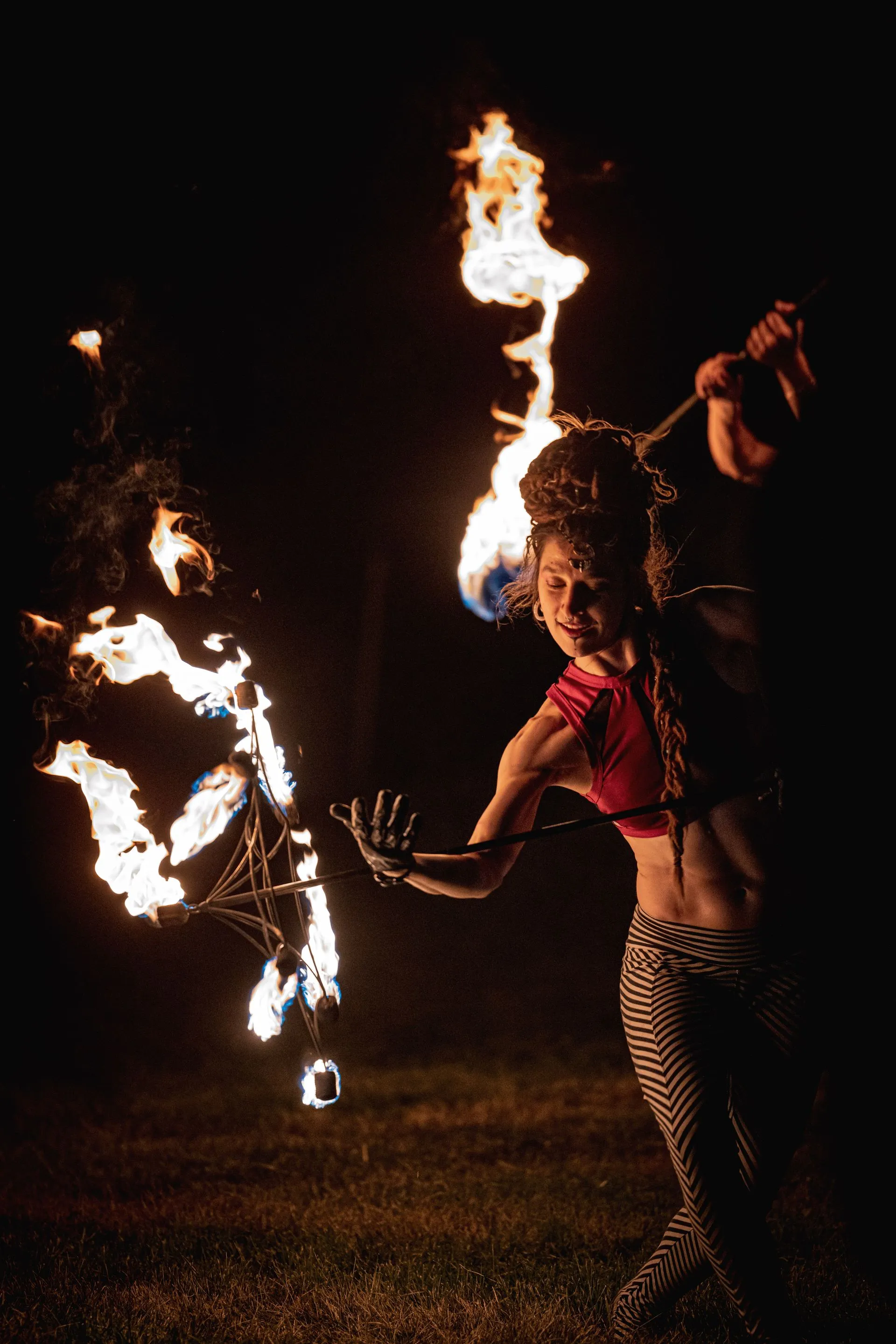
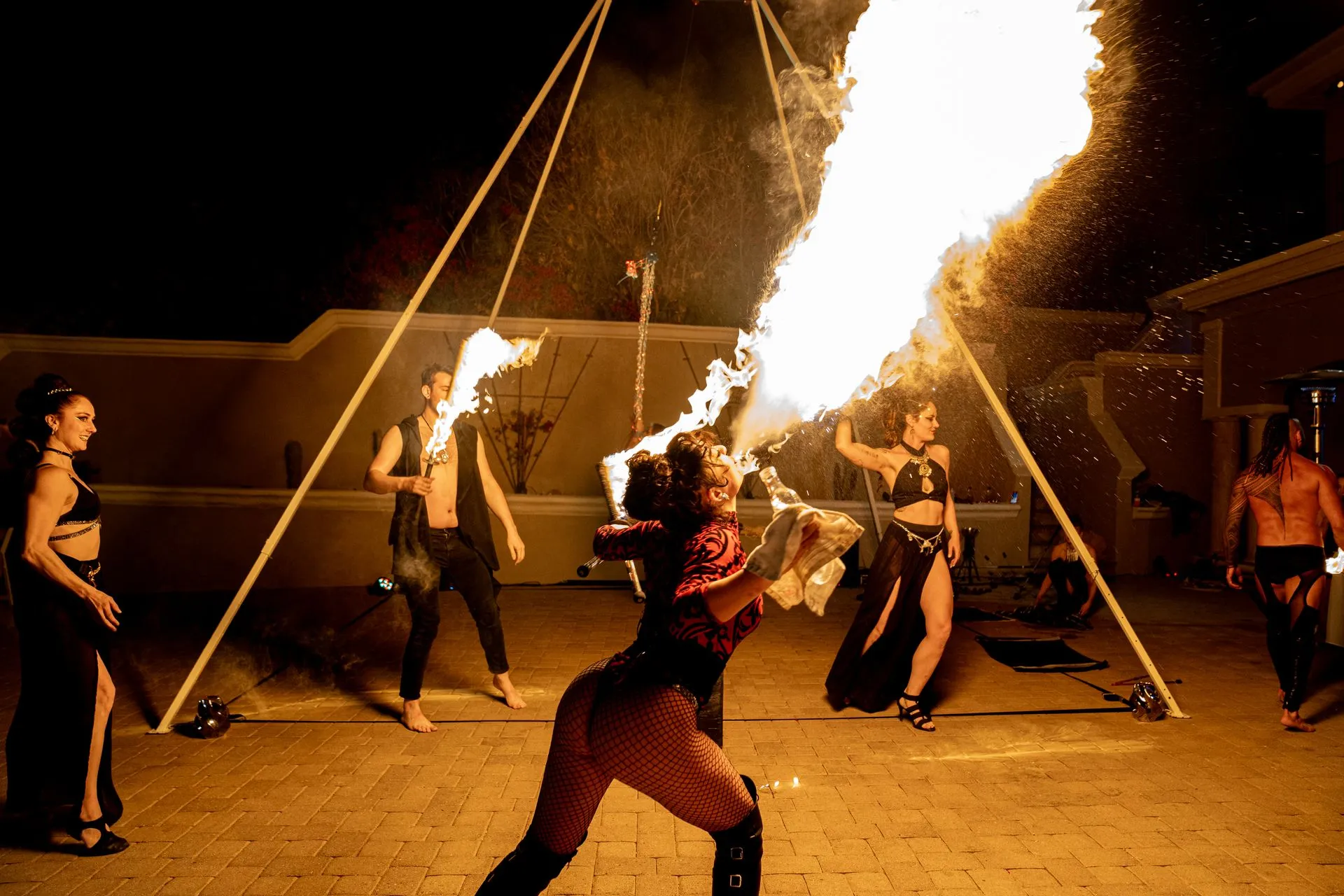
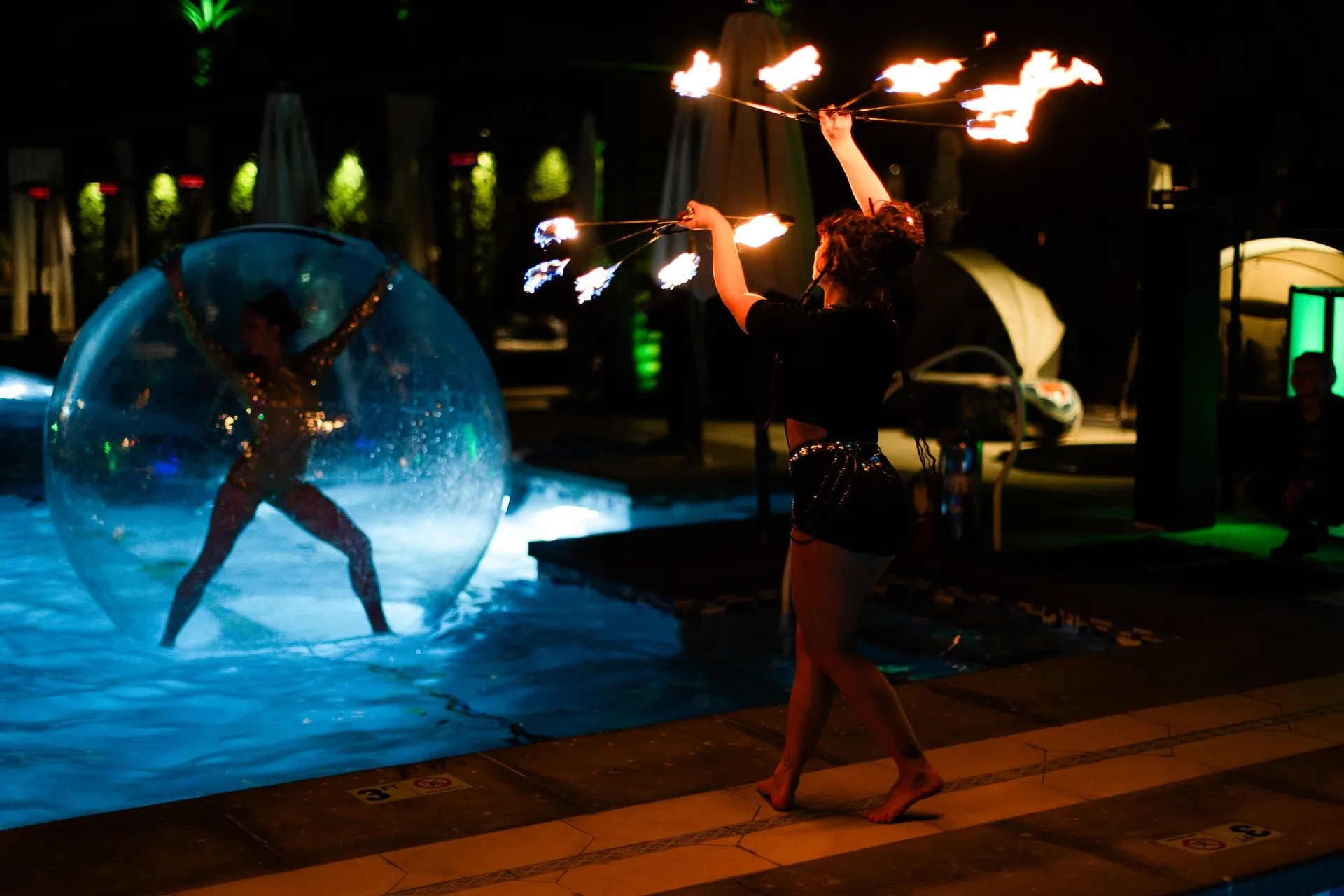
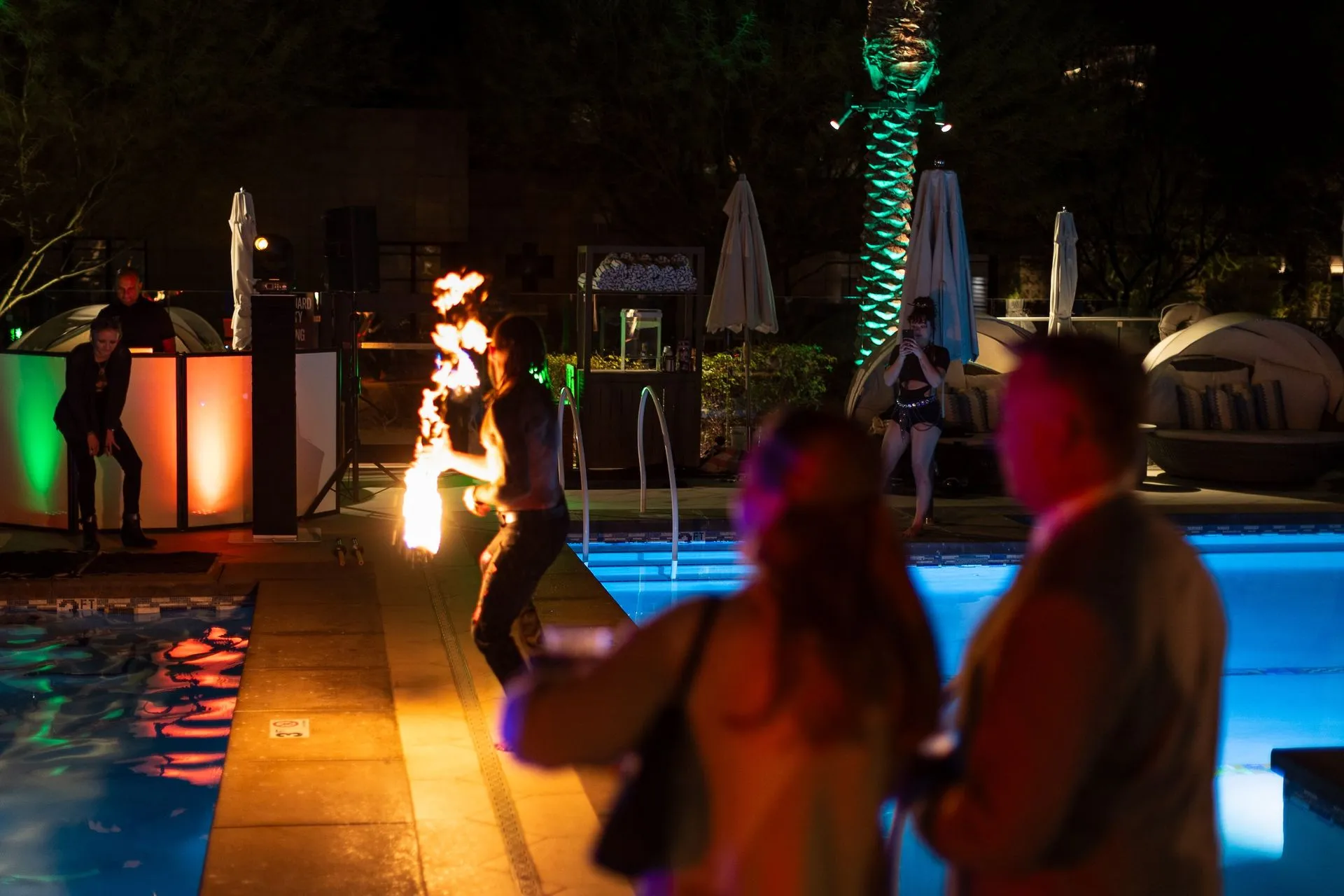
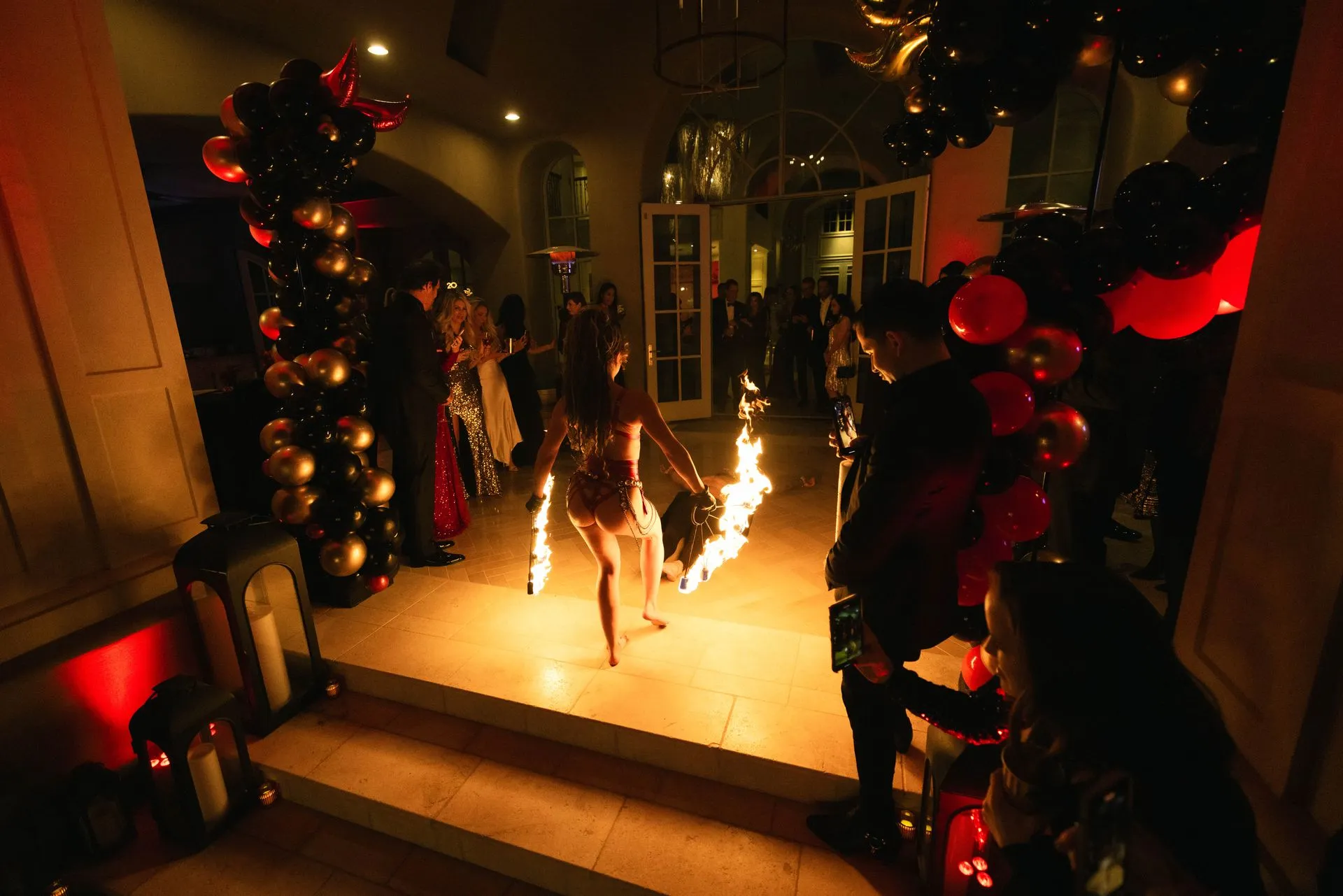
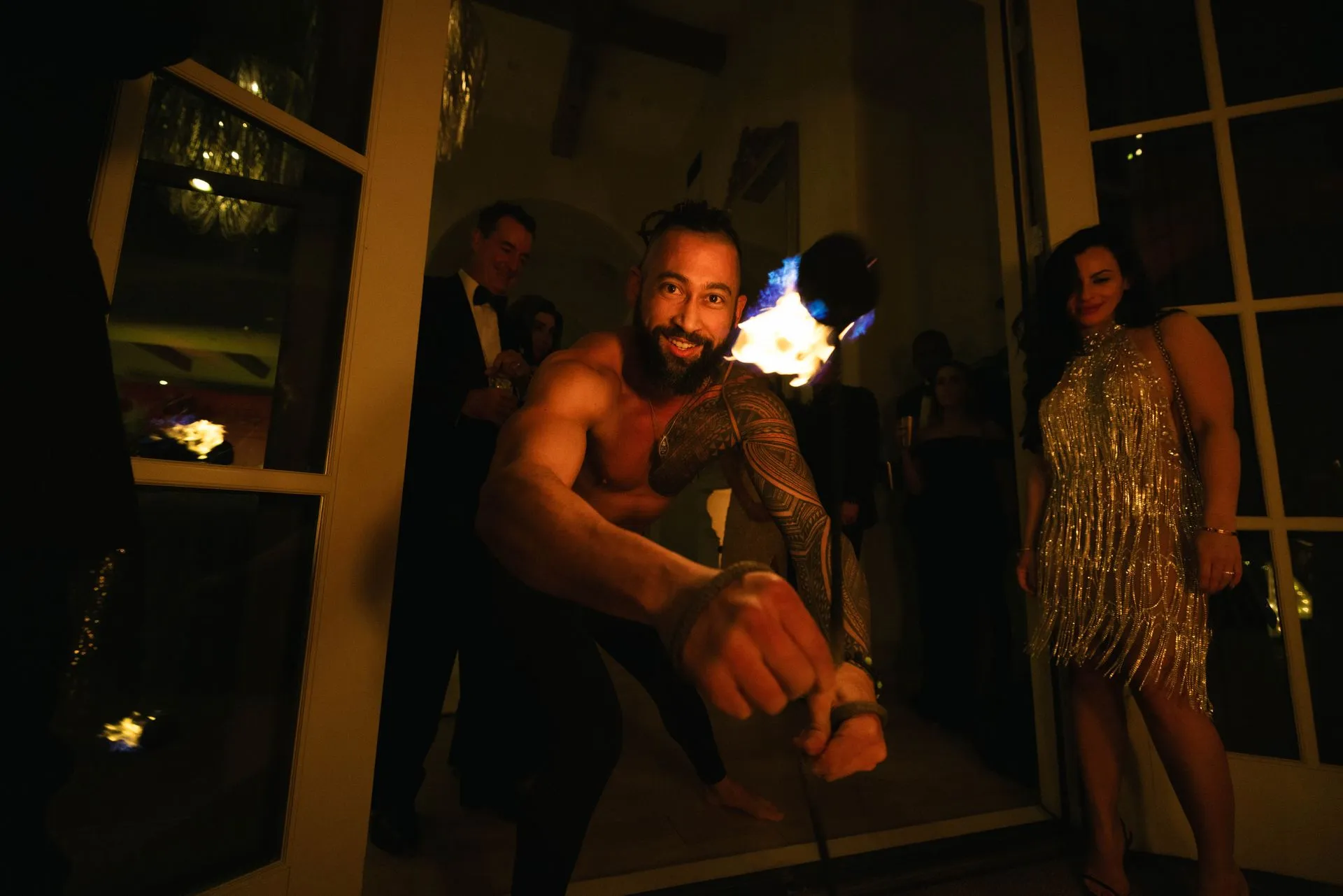
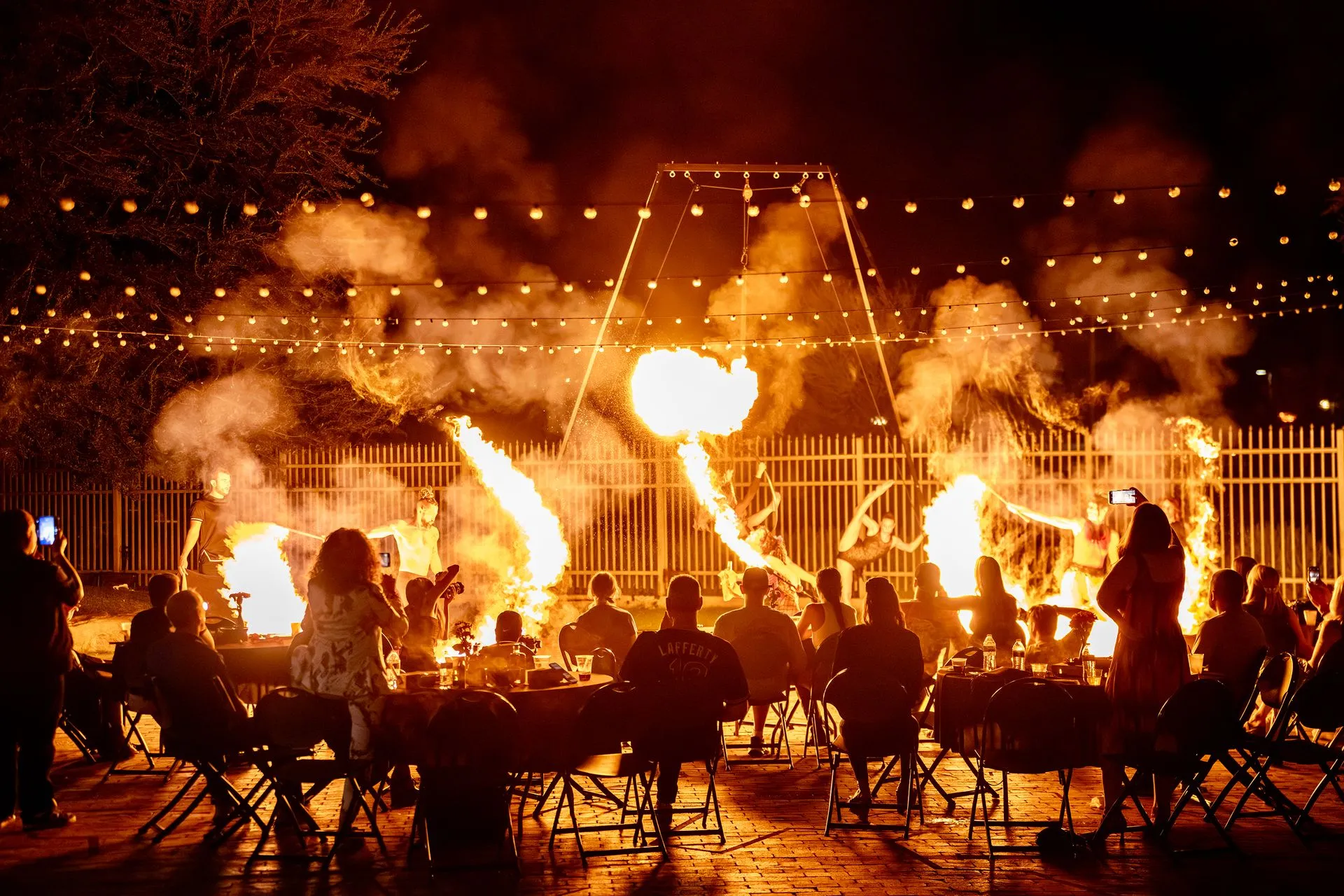
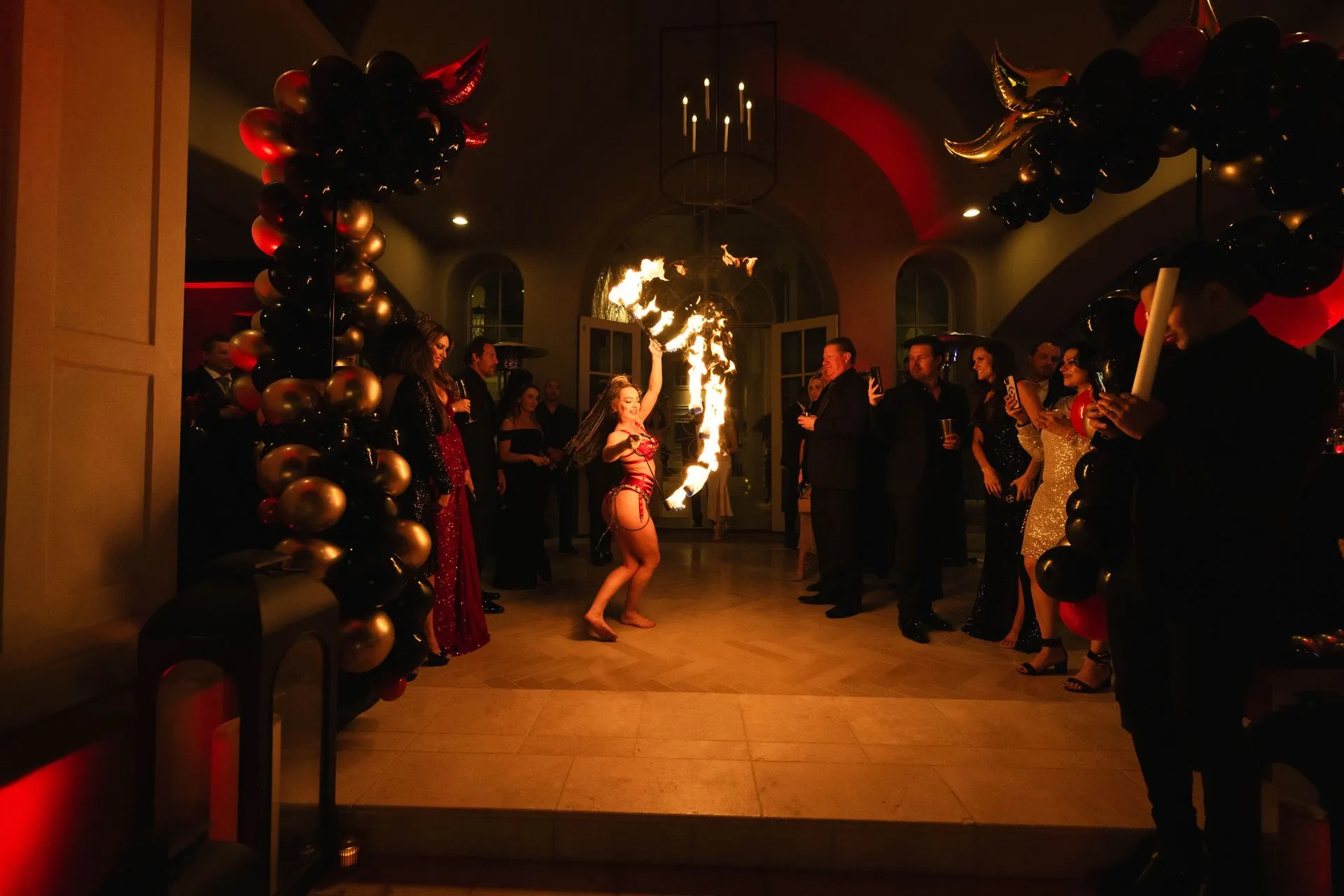
Outdoor fire work has a wind threshold, & it isn't a judgment call made in the moment. Live-event weather planning names one person in charge of the stop-or-adjust decision ahead of time, checked against real conditions instead of a phone weather app, so nobody is guessing during the set.
At Hana, that call gets made & told to the client before the set starts, framed as a safety standard, not an apology. Sustained wind that would move flame unpredictably means the props change or the set converts to LED. The audience sees a slightly different show. They don't see a debate.
What running on backup actually looks like
A backup plan only works if it's already in the room. Preventing a live event failure means the redundant device, the second wireless pack, the backup track, is staged before the show starts, not sourced after something drops.
When a mic or a track fails mid-set, the standard is simple: the audience should never know. A backup device comes in, or the set runs adjusted, while the show keeps moving at the pace it was already moving at. Fixing it quietly matters more than fixing it fast.
Vendor conduct is part of the plan, not an afterthought
Every outside company on a Hana show, sound, staging, lighting, rentals, works under the same standard the crew does. Clean neutral attire, no competitor branding, zero alcohol on site including after the show while gear is still moving. Vendors don't negotiate, upsell, or exchange business cards with the client. Every client conversation still routes through the lead.
A vendor who shows up late or under-delivers gets documented the same day, on the record, before the next booking gets discussed. A vendor who saves a show gets that logged too.
The strike happens the same way every time
The load-out order doesn't change. Fuel is sealed & out first, before costumes or gear. The performance area gets left cleaner than the crew found it. Head count & gear count happen before any vehicle leaves. The same discipline that plans for what could go wrong on stage applies just as hard to closing the night out, because a strong two hours followed by a sloppy load-out is still a sloppy night for the venue staff left cleaning up after.
The lead thanks the client's on-site contact in person on the way out & confirms who to expect the follow-up from. Anything above equipment-level that happened during the night gets written down the same night, while it's still accurate.
What to ask before the day you're relying on it
- Who has the authority to stop or adjust a performance for safety, & is that decided in advance or in the moment
- What backup equipment exists for the highest-risk technical element, usually the microphone, & who owns bringing it
- Who is my one point of contact during the event itself, & do they have the authority to make decisions without checking with someone else first
- What's the standard for vendor conduct on-site, & what happens if a vendor doesn't meet it
- What's the process after the event ends, & when do I hear from you next
Corporate event contingency FAQs
Who decides if bad weather affects a corporate event?
One named lead, decided before the event starts, not in the moment. For outdoor fire work specifically, sustained wind above a set threshold means the props change or the set converts to a non-fire alternative, & that call gets communicated to the client as a safety standard before the set begins.
What happens if equipment fails during a corporate event?
A backup device or an adjusted set comes in immediately, while the show keeps moving. The standard is that guests never notice a failure happened, because the redundant equipment was already staged before the show started.
Why does one person handle all client communication during a show?
So the client gets one accurate answer instead of several different guesses from crew members who don't know what the others have already agreed to. Talent & vendors route requests through that lead instead of negotiating directly.
What happens after a corporate event ends?
Strike follows a fixed order: fuel & hazardous materials out first, the space left cleaner than it was found, & a head count & gear count before anyone leaves. Anything beyond a minor issue gets documented the same night while it's still accurate.
Want to know who makes that call before the day you're actually relying on it? Start the conversation here.
New posts, straight to your inbox.
Real lessons from real corporate events, no filler.


-1920w.jpg)
-1920w.jpg)