How Much Entertainment Does a Corporate Event Actually Need?
Every planning call gets to the same question eventually: how many acts do we actually need? Planners usually ask it from one of two fears. Either the room goes flat with nothing happening, or the night gets so packed with acts that nobody gets to eat, talk or catch their breath. Both are reasonable. Both come from treating entertainment as a headcount instead of a shape.
The honest answer: guest count decides less than most planners think. What actually decides how much entertainment a corporate event needs is the length of the program & the shape of its energy curve, not the number of chairs in the room. One strolling act covers arrival & cocktail hour whether you have 80 guests or 300. A featured stage moment runs 3 to 15 minutes depending on where it sits in the night. Dinner entertainment gets 30 to 45 minutes total across the whole meal, not per act. Most corporate events need one ambient layer plus one or two featured moments, not a lineup.
Guest count changes coverage, not quantity
A 300-person gala & an 80-person leadership dinner run through the same shape: arrival, a meal, one lifted moment, a close. What changes with guest count is how many performers you need to cover the space during ambient hours, not how many total moments the night needs. A single strolling act can hold a room comfortably. Past a certain size, you add a second performer to keep coverage even across the room, not to add a second show.
Your invite list is not your real headcount either. Research across nearly 20,000 RSVPs found the median event gets replies from about half of the people invited, & just over a quarter of those replies are declines, per QuikRSVP's RSVP research (the researchers flag that their data set skews toward weddings & community events, so we're treating it as a directional signal, not a corporate-specific rule). Plan entertainment coverage off who is actually in the room by 8pm, not the count you sent out in March.
How long each moment should actually run
Length should serve the moment, not fill a time slot, the standard timing guidance from Yan Markson puts plainly. For a general corporate audience, a segment runs 20 to 45 minutes depending on placement, shorter for an opening energy boost or a session break, longer for something built as the night's centerpiece.
Dinner entertainment follows its own rule: 30 to 45 minutes total, ideally after the main course & before networking resumes, not stacked act after act through the whole meal. A single well-placed 5 to 10 minute moment mid-meal does more for a room than three shorter acts spread across the same window. The gap between moments matters as much as the moments themselves. That's where conversation happens, where the meal gets eaten, where the room actually resets before the next lift.
Strolling covers the room, a stage act owns a moment
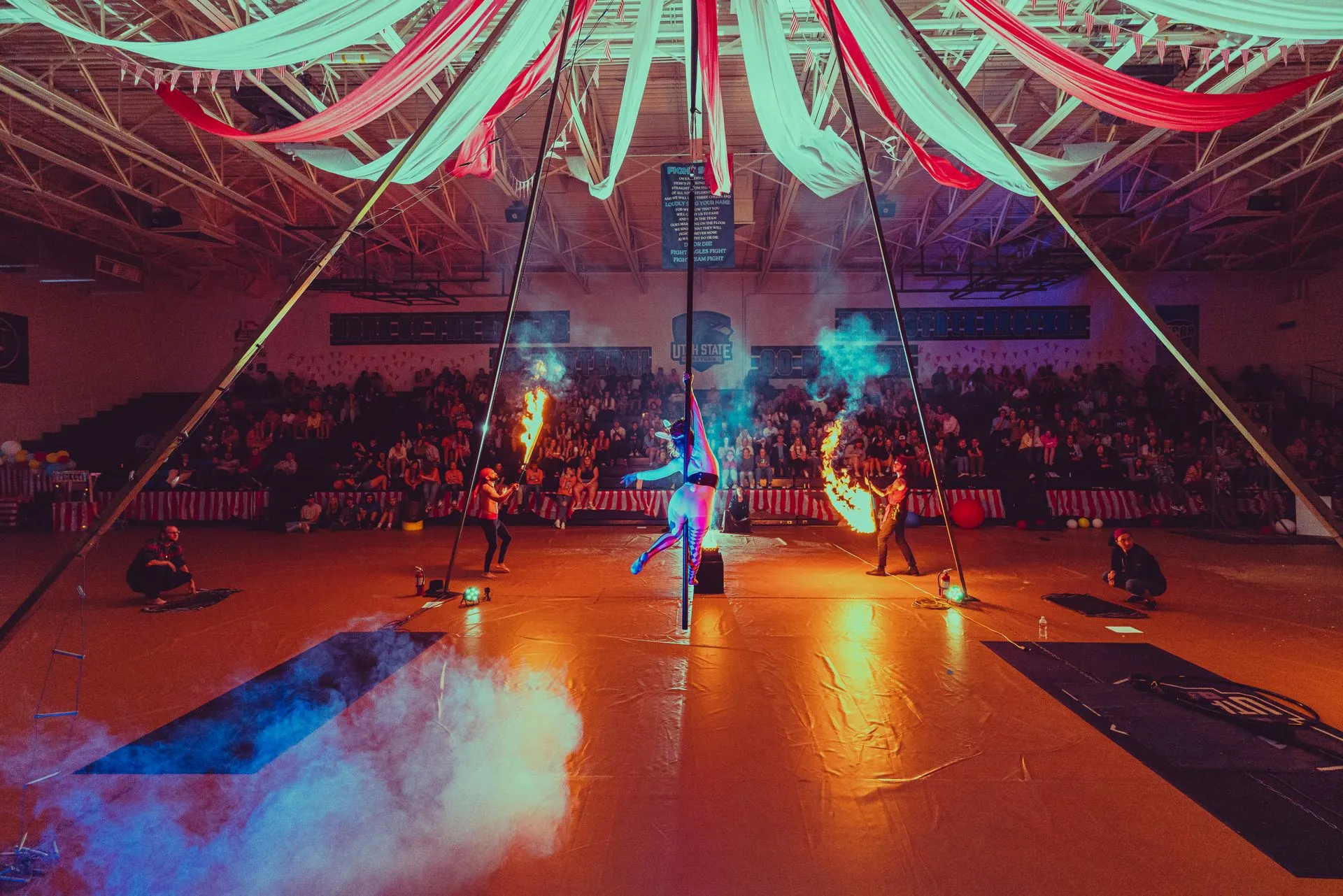
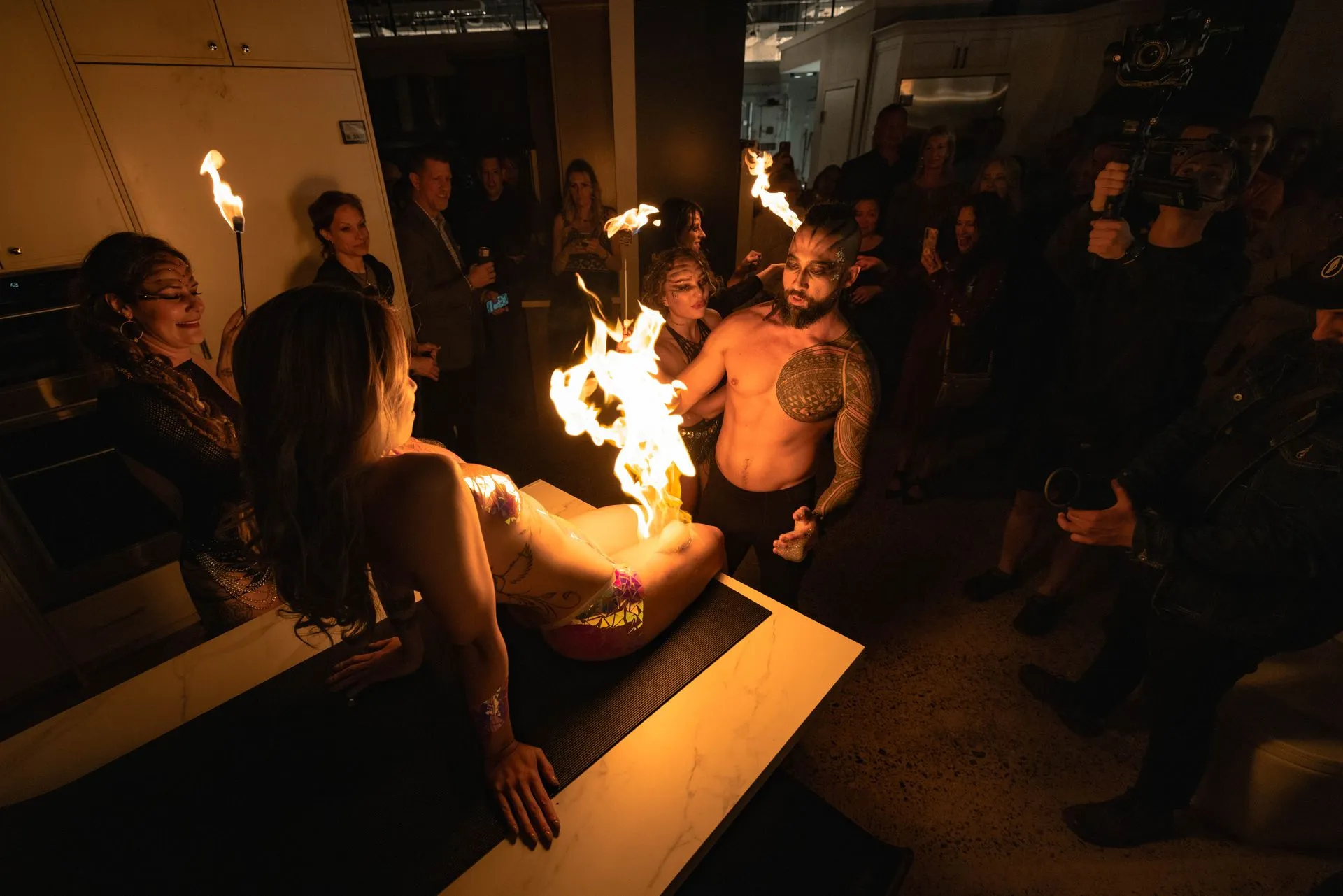
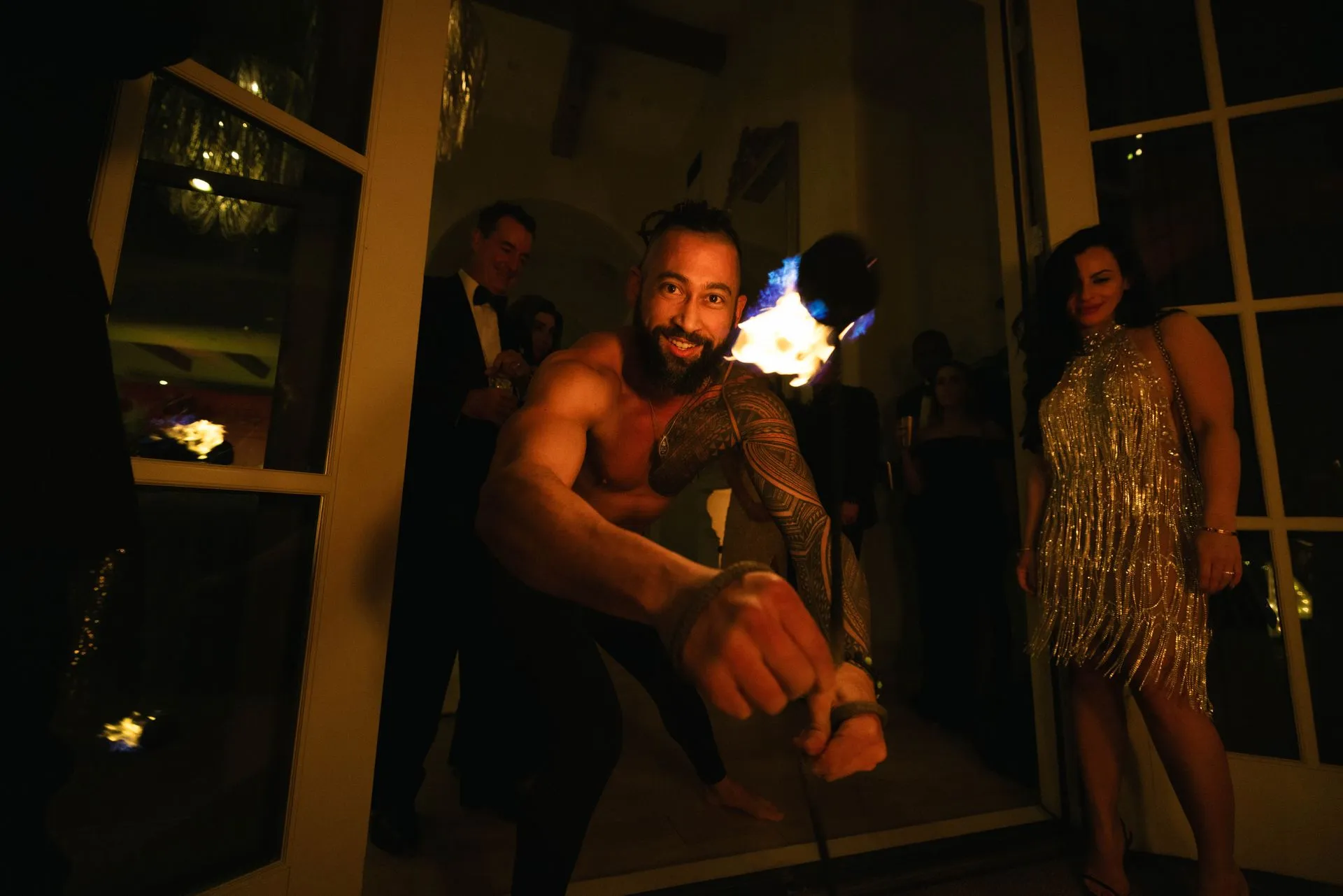
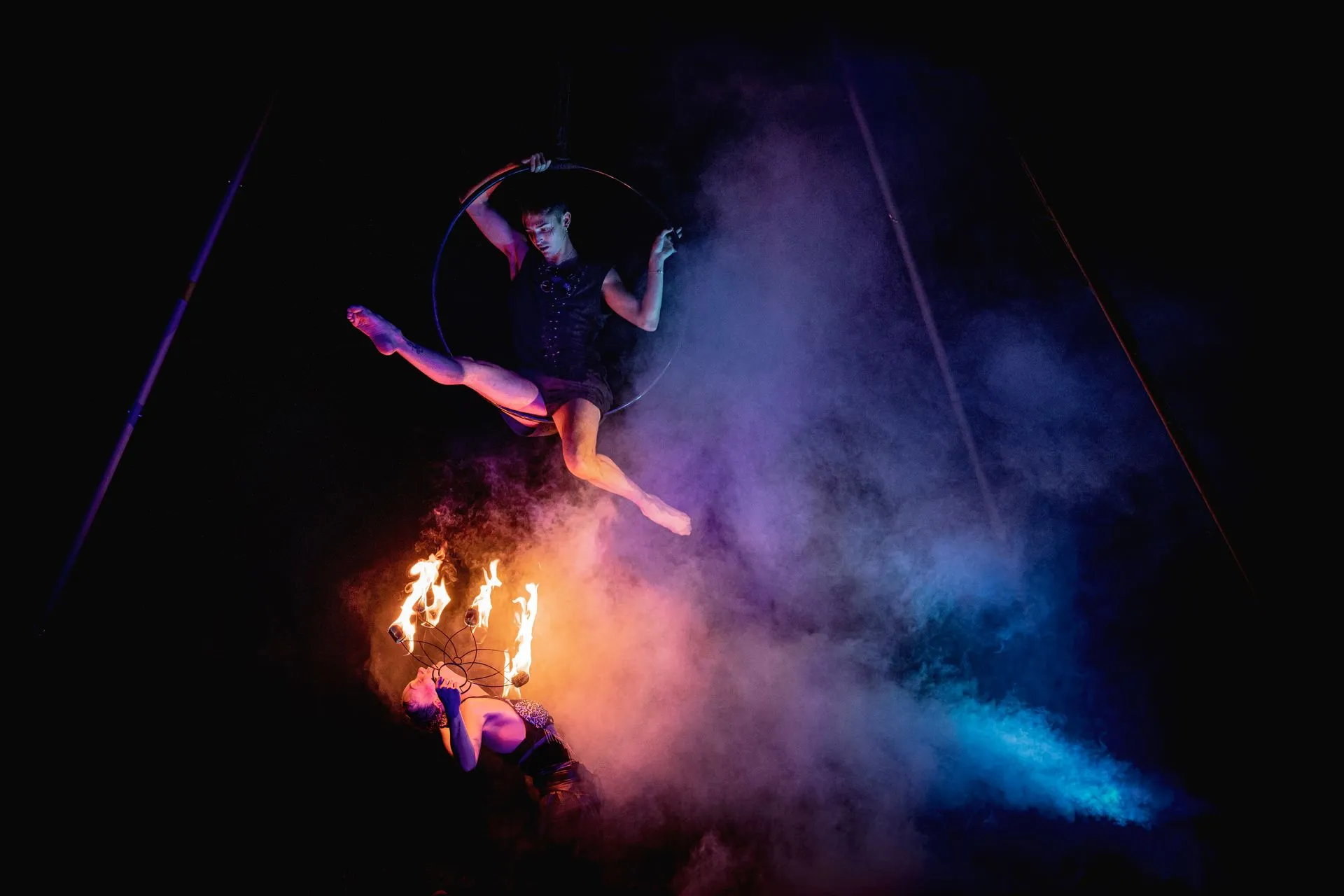
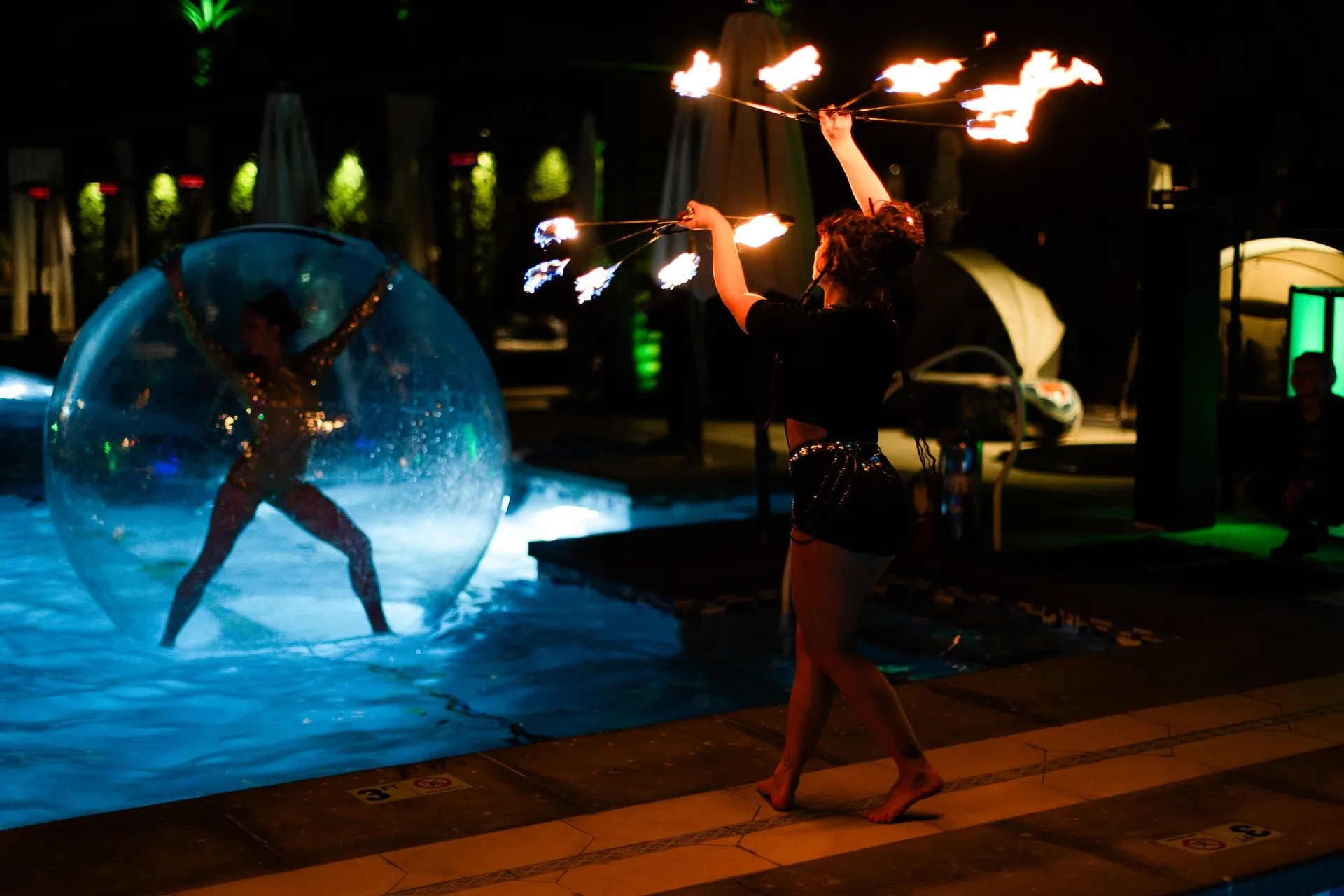
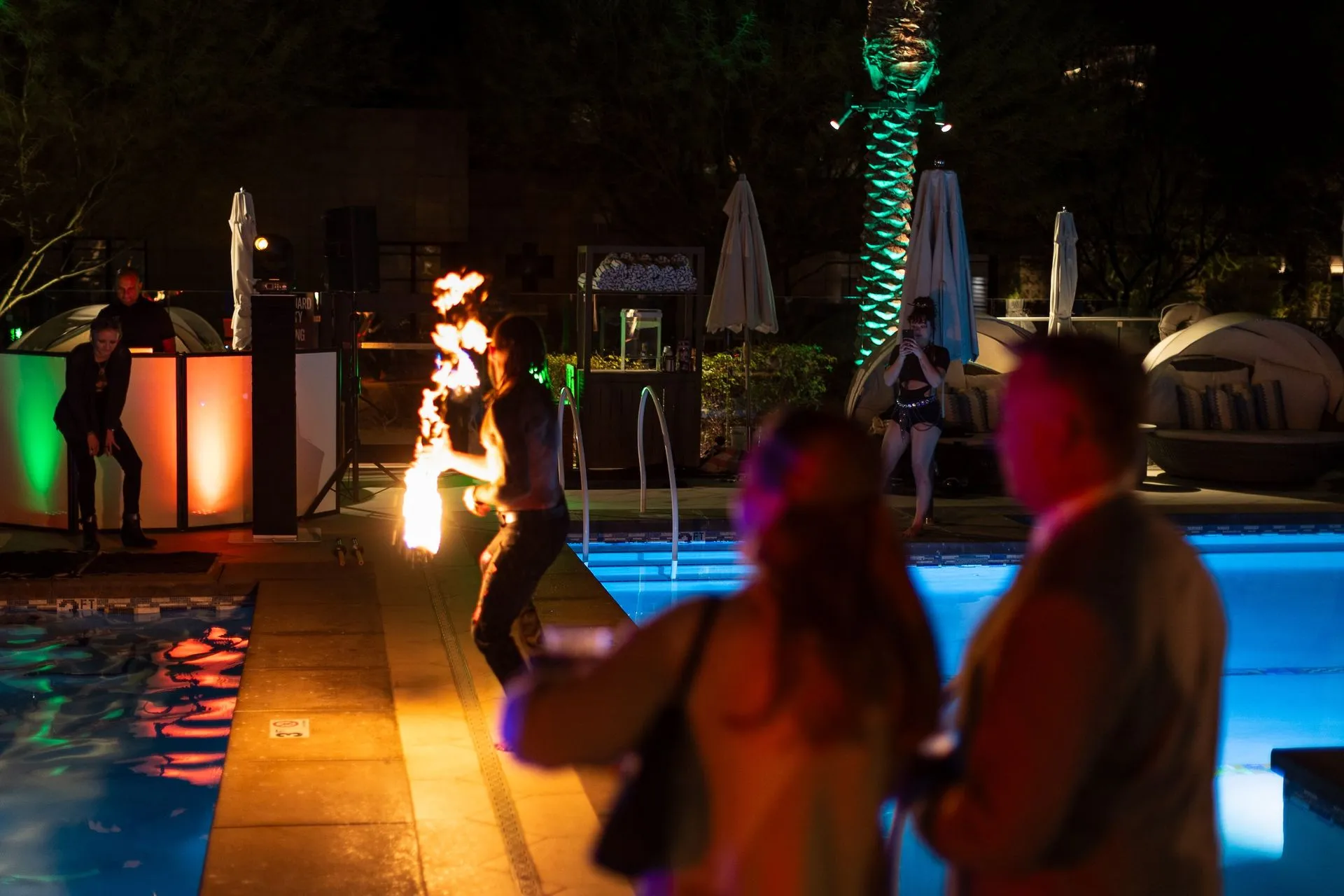
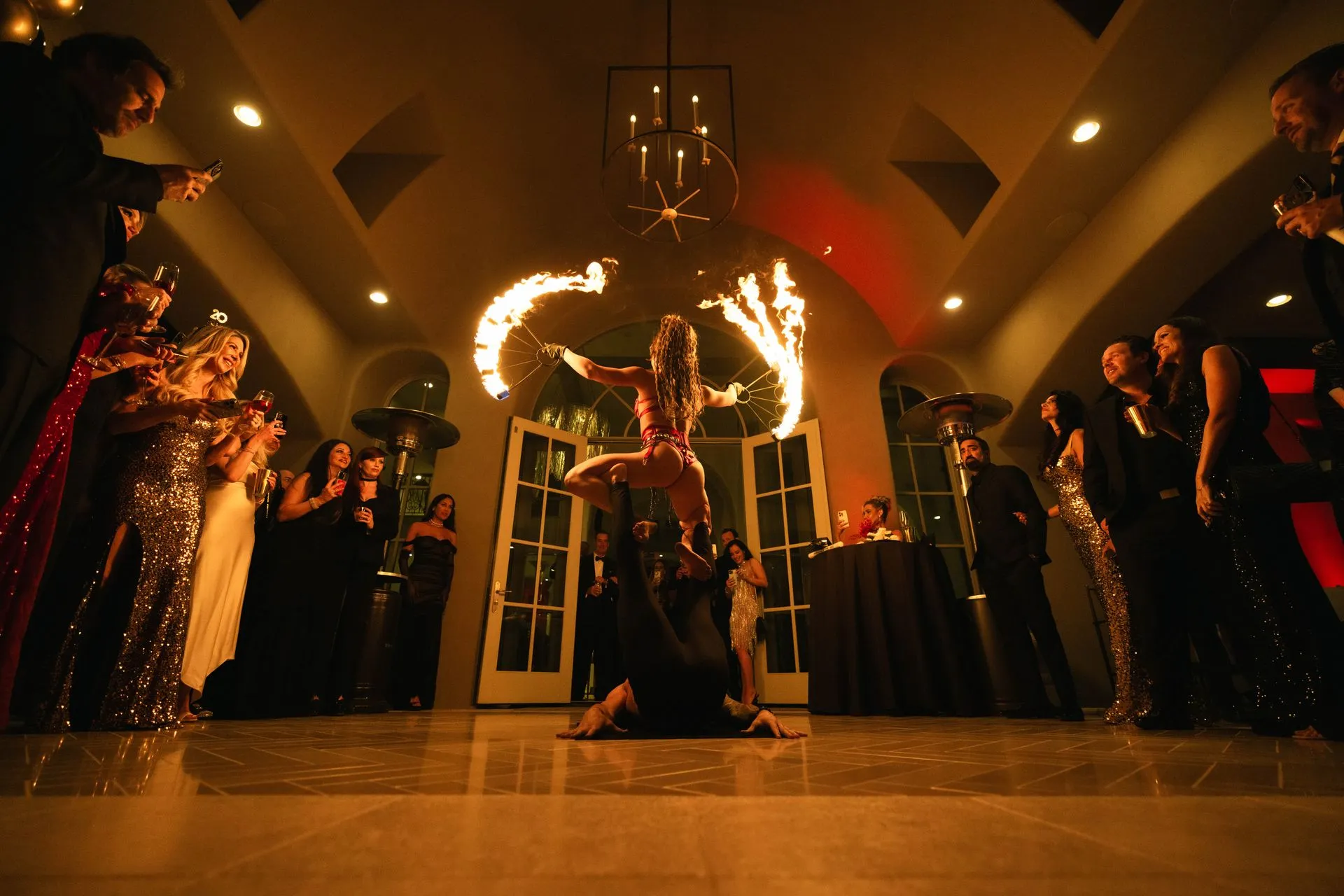
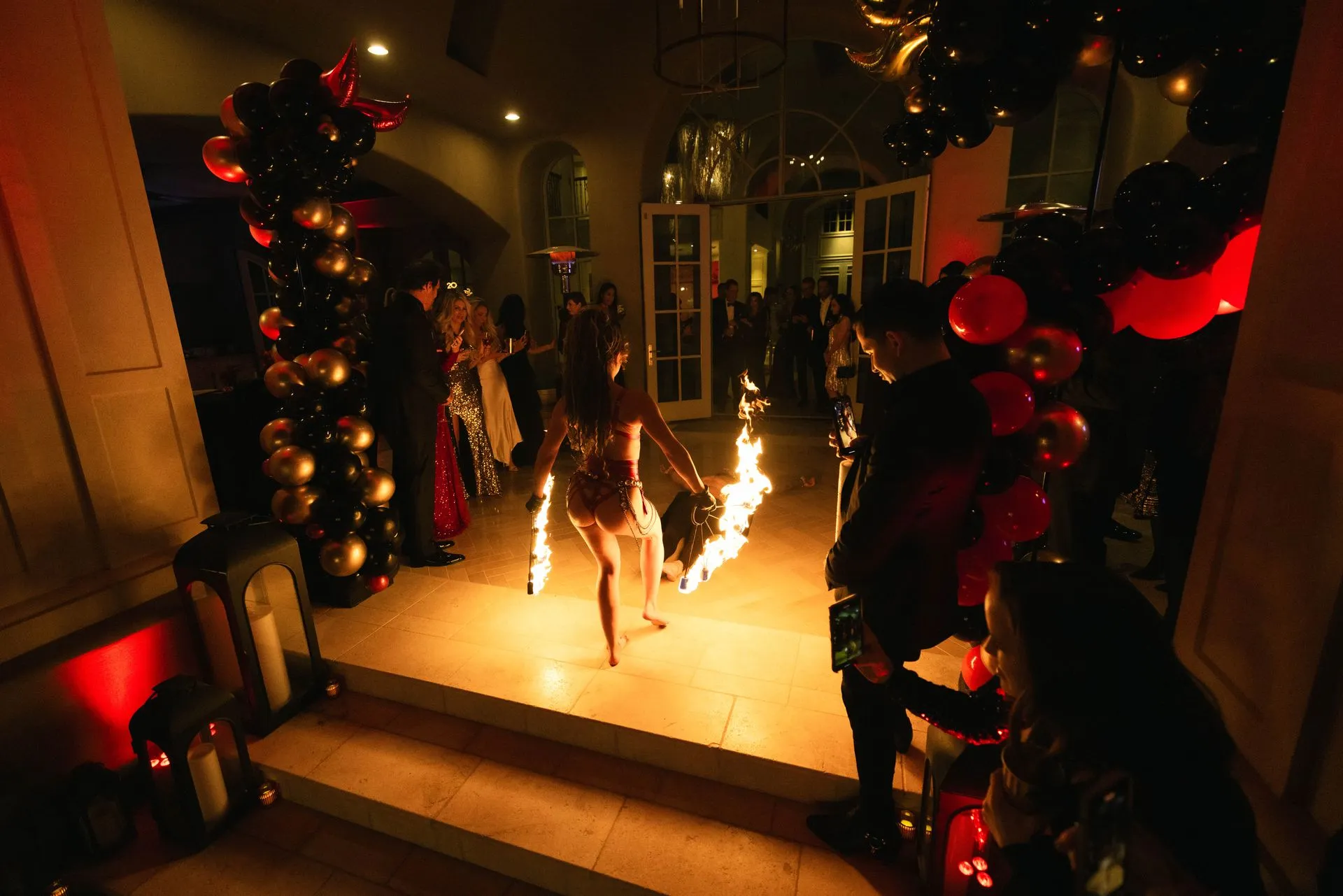
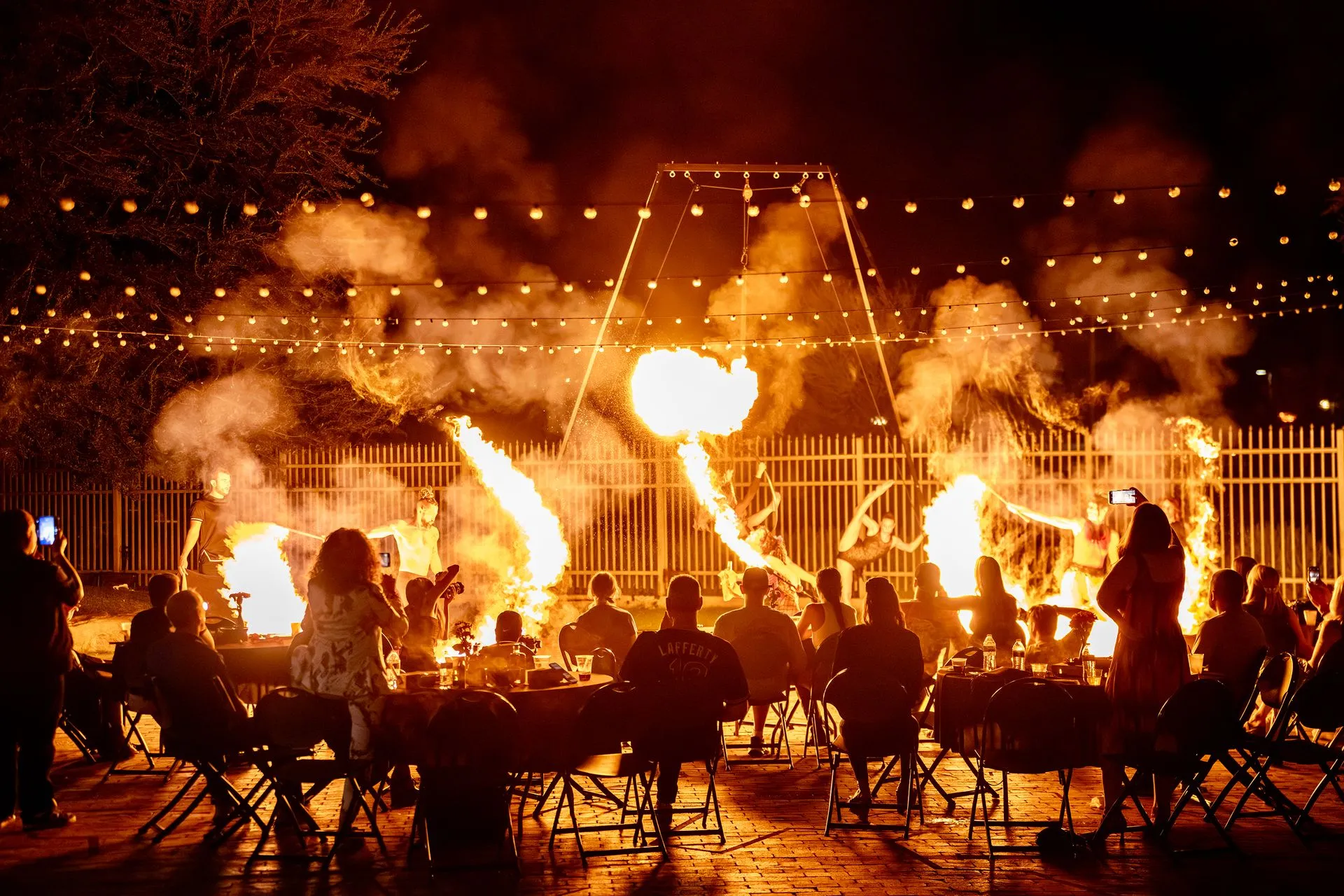
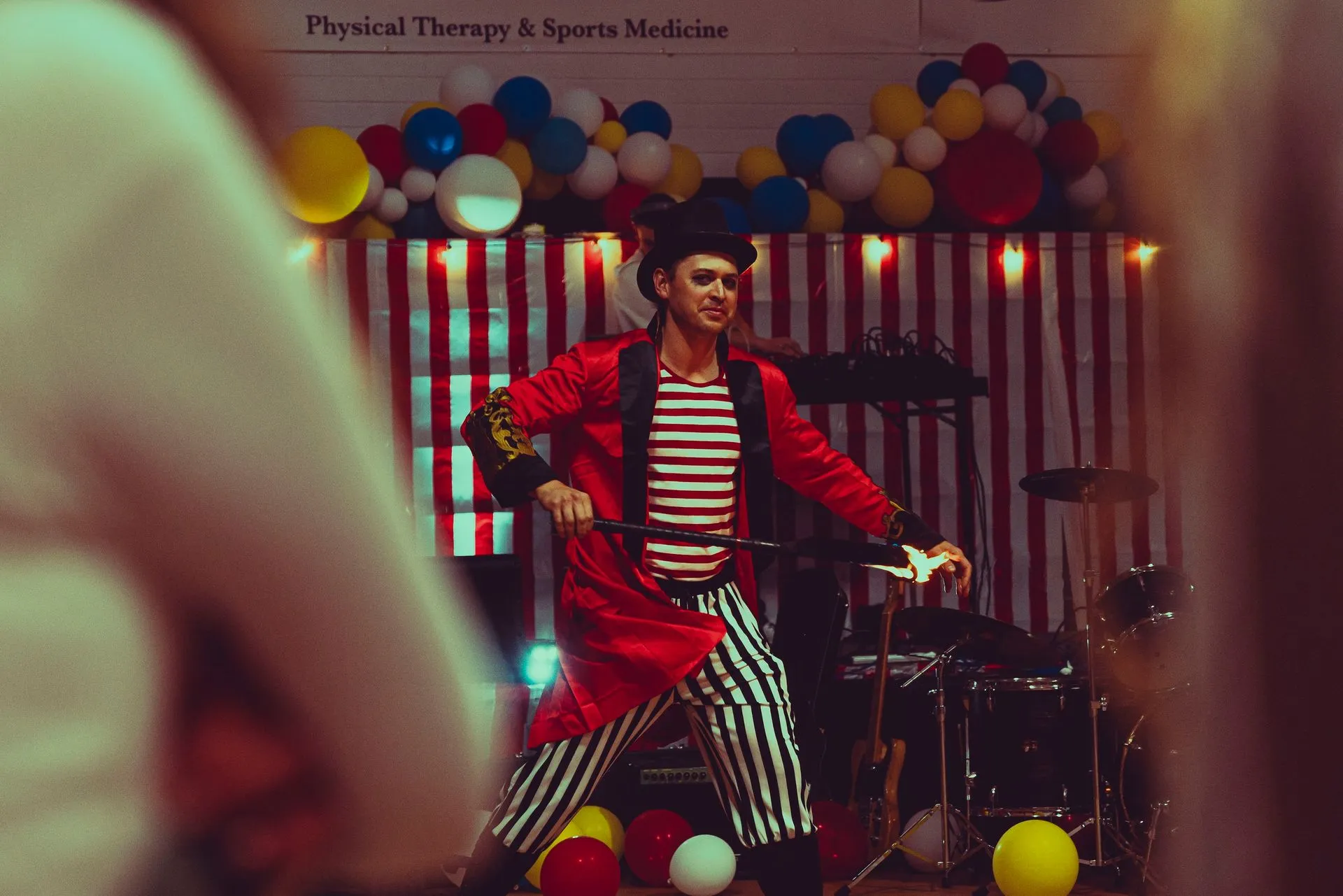
These solve different problems & most successful events use both, per Goodness Gracious Creative's breakdown of the two formats. Strolling performers keep energy constant, work as natural conversation starters & need little to no technical setup, which makes them the right fit for arrival & cocktail hour when guests are moving through an open floor plan. A stage act is scheduled & contained, built to land during dinner, between program segments, or as the night's close.
The sequence that works most often: a greeter or ambient act at arrival, a featured moment during dinner, strolling performers carrying energy through the rest of the night. One layer holds the room. The other layer gives it a moment to remember. Neither replaces the other.
Why more acts is not more value
Entertainment budgets typically run 10 to 20 percent of the total event budget, per uRequest Live's planning guide, & the number that matters inside that budget isn't total spend. It's cost per engaged guest: $10,000 spent on entertainment that actually engages 200 of your 300 guests works out to $50 per engaged guest. That same $10,000 spread thin across five disconnected acts that barely register with anyone spends the same money for less real engagement. We've written before about what corporate event entertainment actually costs; quantity is the other half of that same budget conversation.
Stacking acts to fill time is the most common version of this mistake. A crowded lineup doesn't read as more value to a room, it reads as noise. One act nobody quite catches because the room is still finding seats is worse than no act at all in that slot. We'd rather build a night around one or two moments that actually land than fill a run of show with acts because the budget allowed for them.
Questions planners ask us
How many performers does a corporate event need?
Most corporate events need one ambient layer for arrival & mingling plus one to two featured moments during the program. That holds whether the guest list is 80 or 300; guest count changes how many performers cover the room, not how many total moments the night needs.
How long should each entertainment segment run?
A featured moment runs 3 to 15 minutes depending on where it lands in the night. Dinner entertainment gets 30 to 45 minutes total across the meal, not per act stacked on top of the next.
Should we book strolling performers or a stage show?
Most successful events use both. Strolling performers cover arrival & cocktail hour, a stage moment owns one lifted point during dinner or as the close.
What happens if we book too much entertainment?
The room loses the space to eat, talk & reset between moments, & the featured act loses its impact because nothing built up to it. More acts isn't more value. One moment, timed right, beats a full lineup timed wrong.
Want us to map out the shape of your night, how many moments, how long each one runs, before you lock a lineup? Tell us your guest count & program length & we'll tell you what we'd build. Or see how we think about event strategy & design from the start.
New posts, straight to your inbox.
Real lessons from real corporate events, no filler.



-1920w.jpg)
-1920w.jpg)