How Many Lighting Zones Does a Corporate Event Need?
Guests step out of a parking garage lit the same flat white as every parking garage they've ever walked through, then step into the ballroom & the room is lit almost exactly the same way. Nobody says anything out loud about it. The night just starts a half-step lower than it could have, because the light never told anyone they'd arrived somewhere different.
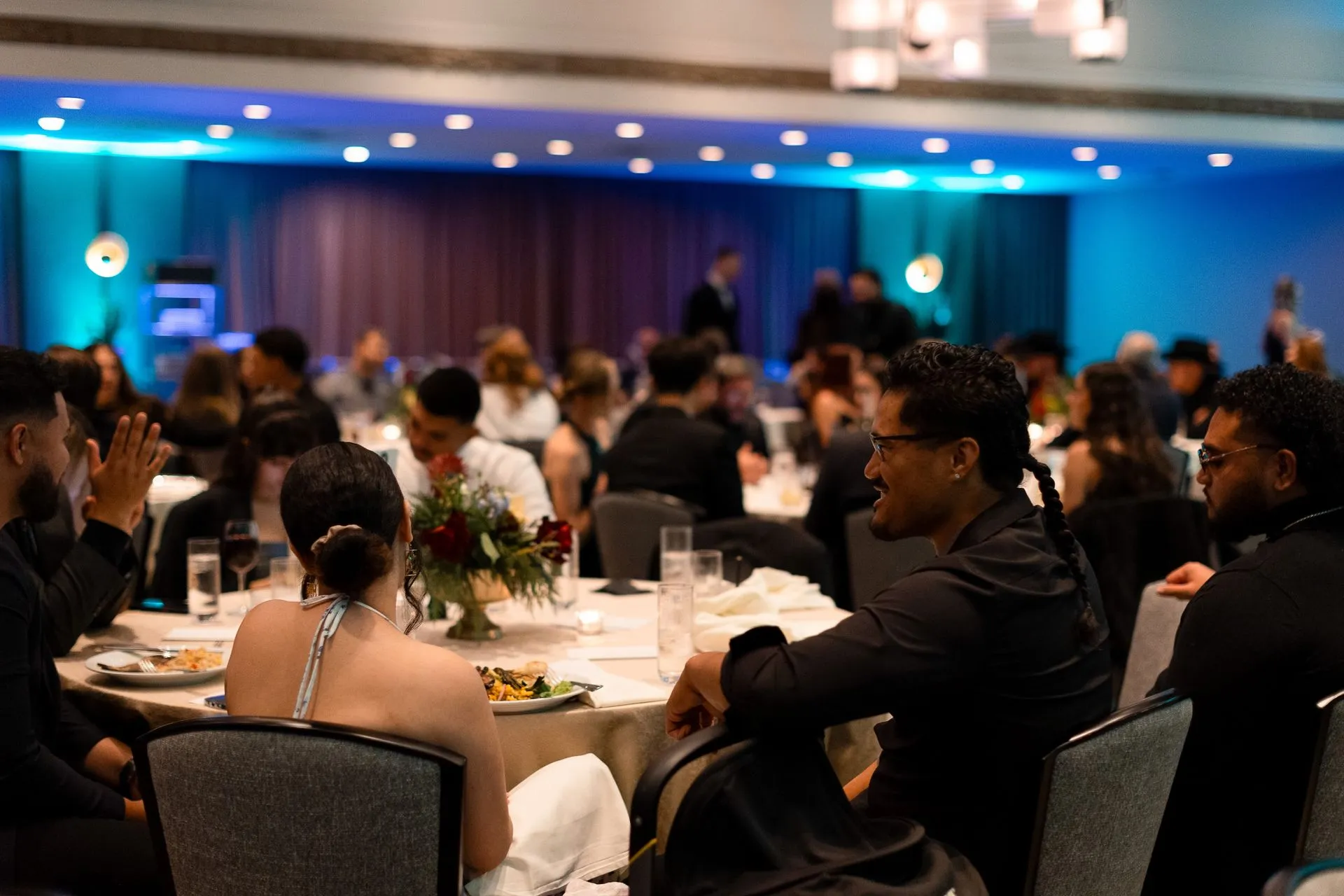
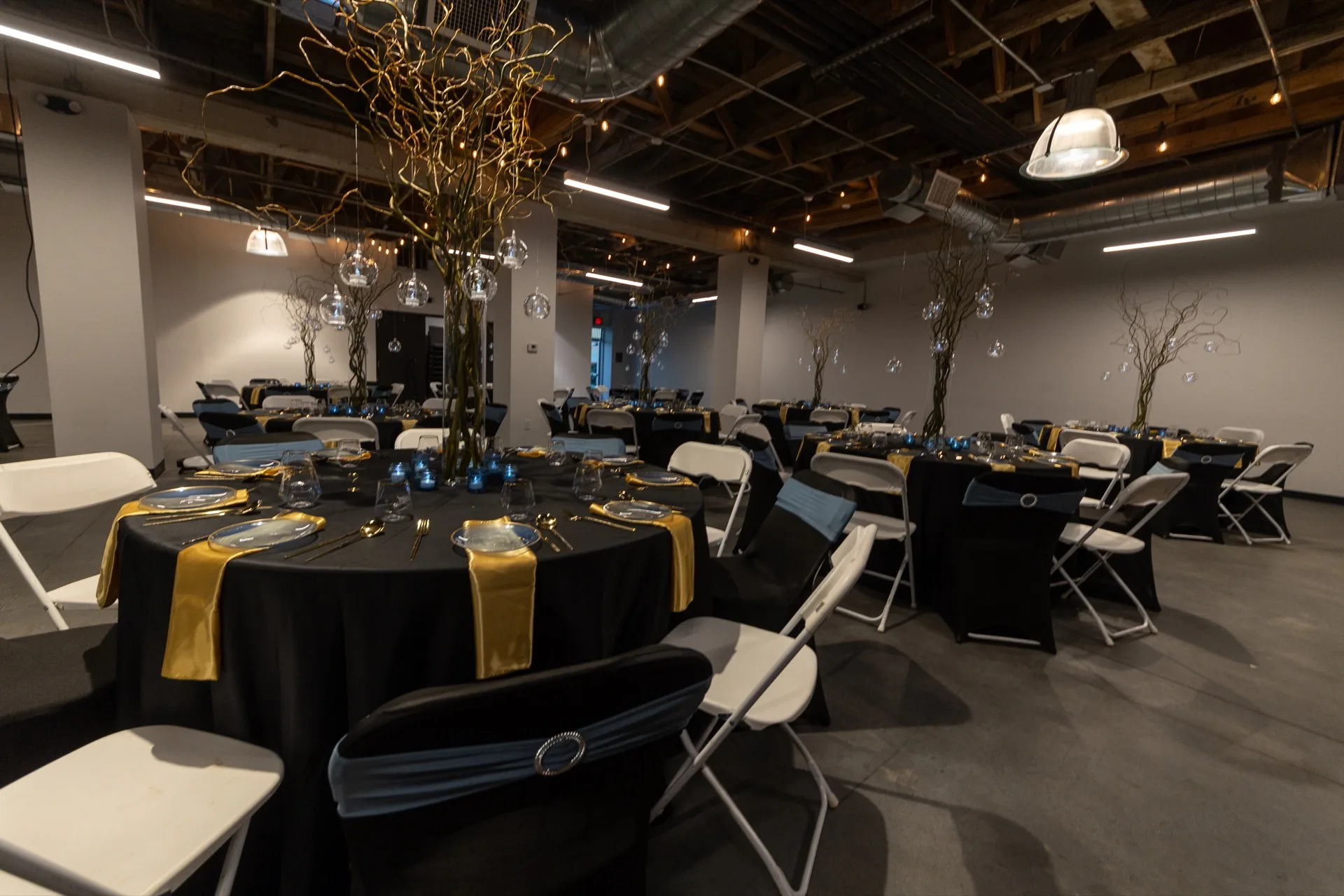
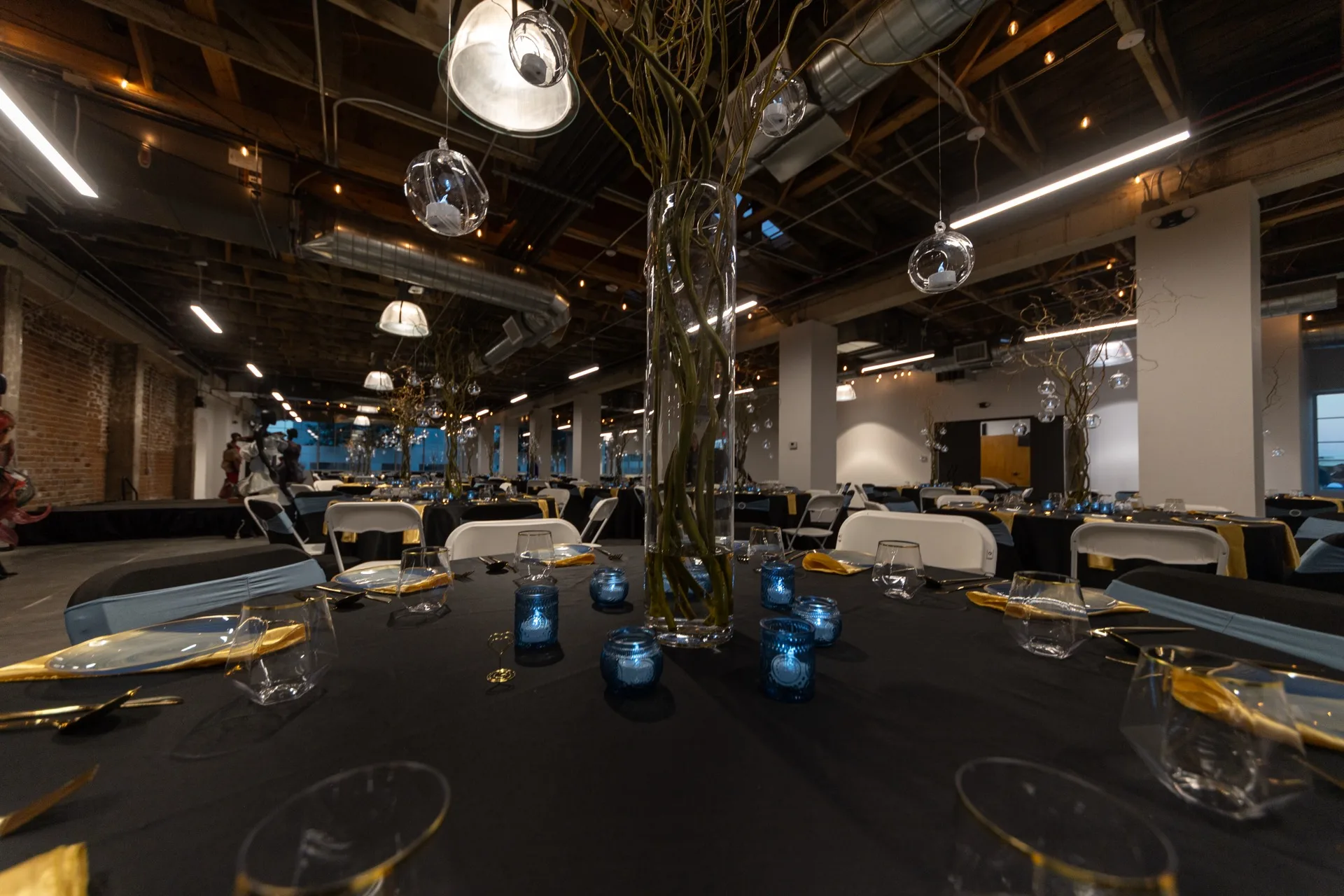
A corporate event needs at least four lighting zones, each running on its own control channel: an arrival zone that signals the night has started, a stage or program zone built around whoever's speaking, a dining or networking zone that does close to the opposite job of the stage zone, & a transition state that can shift the whole room from one mode to the next without anyone flipping the house lights on & off. One uniform wash covering the entire room, however well it's colored, can't do all four of those jobs at once. Venue house lighting is built to be seen by. It isn't built around a program that changes shape three or four times in one night.
One Wash Can't Do Four Different Jobs
Elegant Event Lighting puts the underlying logic plainly: "Lighting supports event flow. Subtle shifts in intensity and color help guide guests seamlessly from keynote to networking, dining, and entertainment." That's four distinct moments in one sentence, & each one asks the light to do something the others don't. A keynote wants attention pulled to one point. Networking wants attention spread evenly across a room full of small conversations. Dining wants warmth. A single lighting state, set once at load-in & left alone, is being asked to serve all four without changing at all.
Arrival Sets the Register Before the Program Even Starts
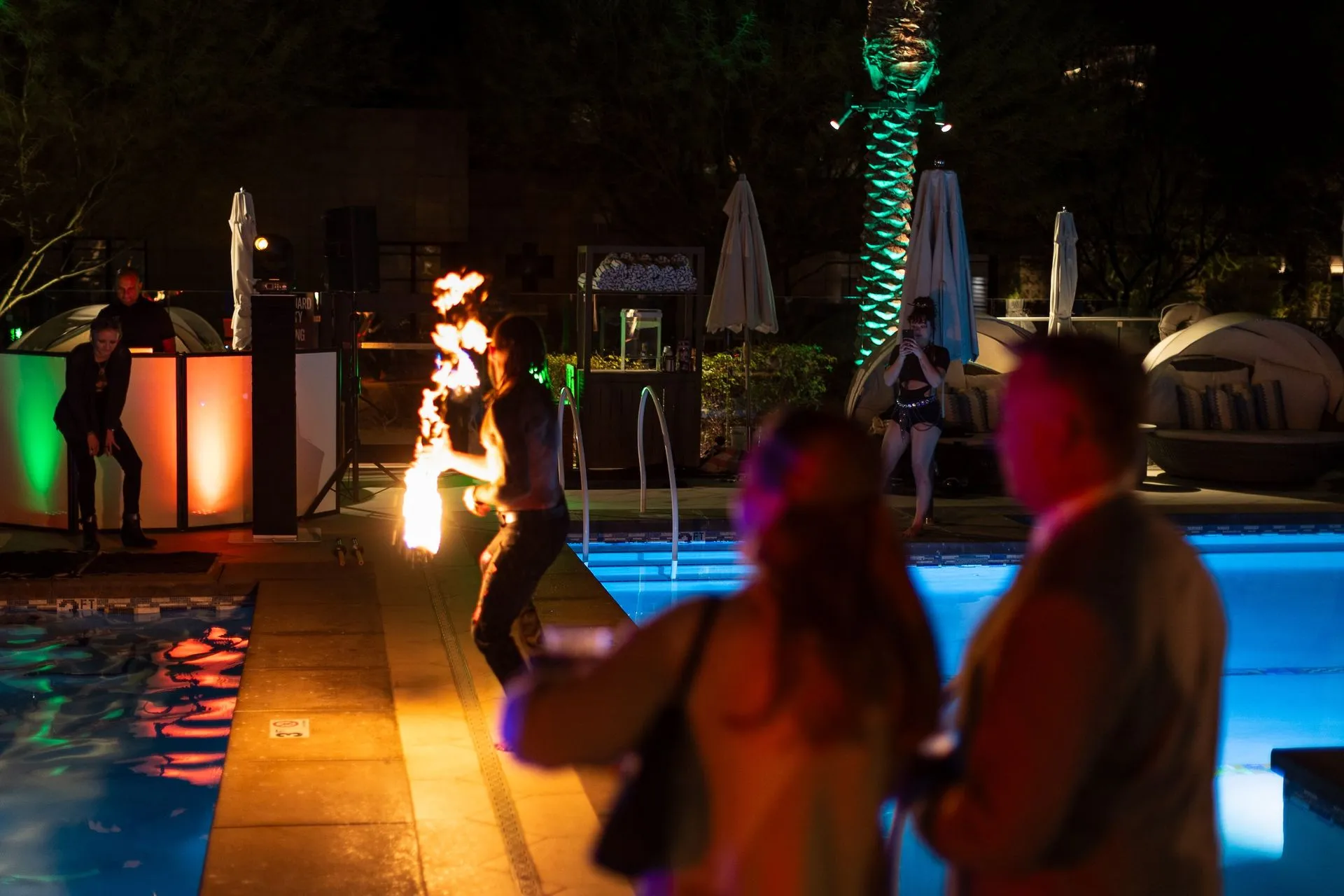
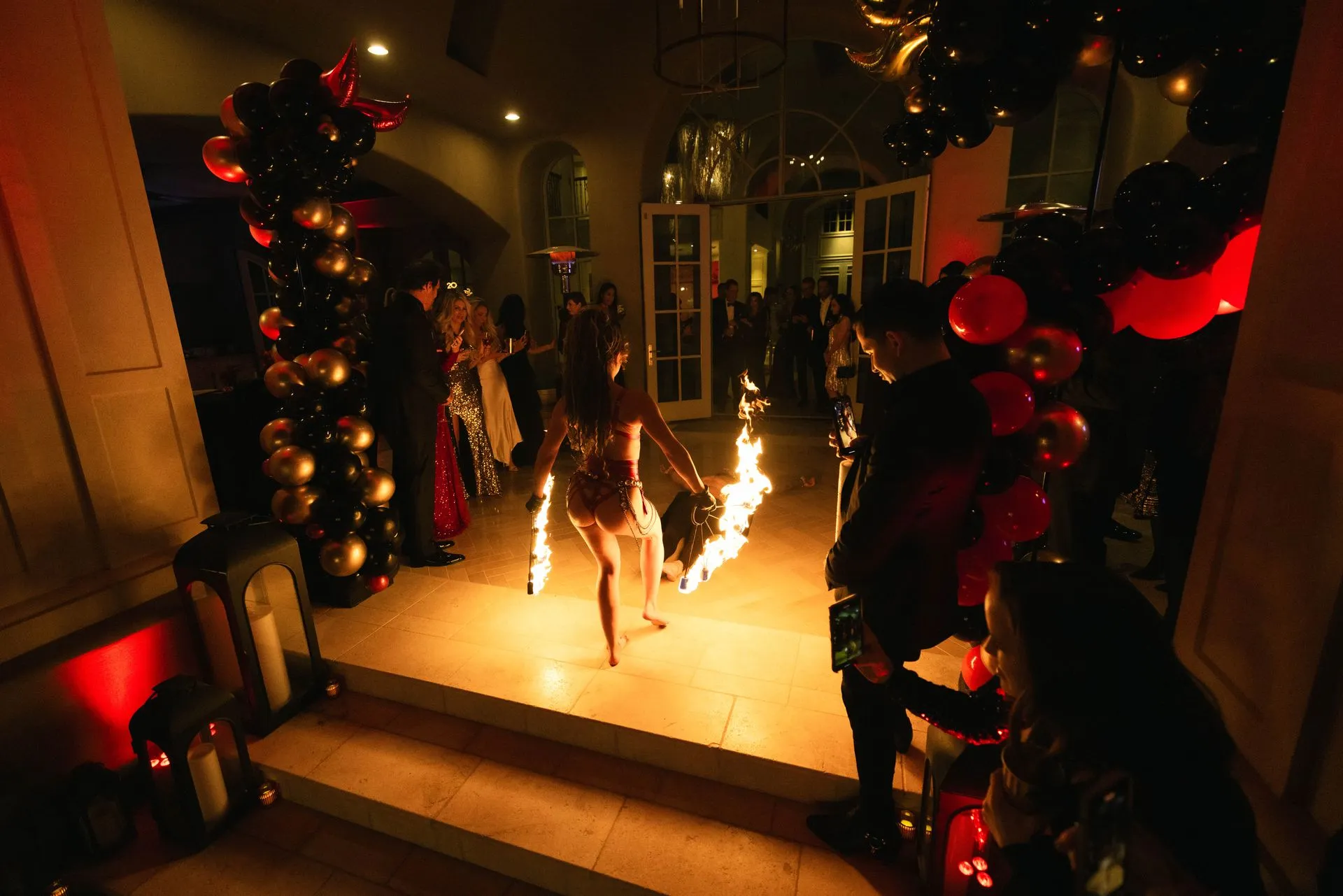
The first zone a guest walks through is the one most rooms skip entirely. Event Factor is direct about the fix: "Use spotlights or uplights to create a grand entrance for guests." It doesn't need to be elaborate. It needs to be different from the hallway or the parking structure the guest just left, so the light itself is the first signal that the event has actually begun. A room that lights its entrance the same as its lobby is telling every guest, before a single word is spoken, that nothing here is going to be different from anywhere else they were tonight.
The Stage Zone Runs on Different Rules Than the Room Around It
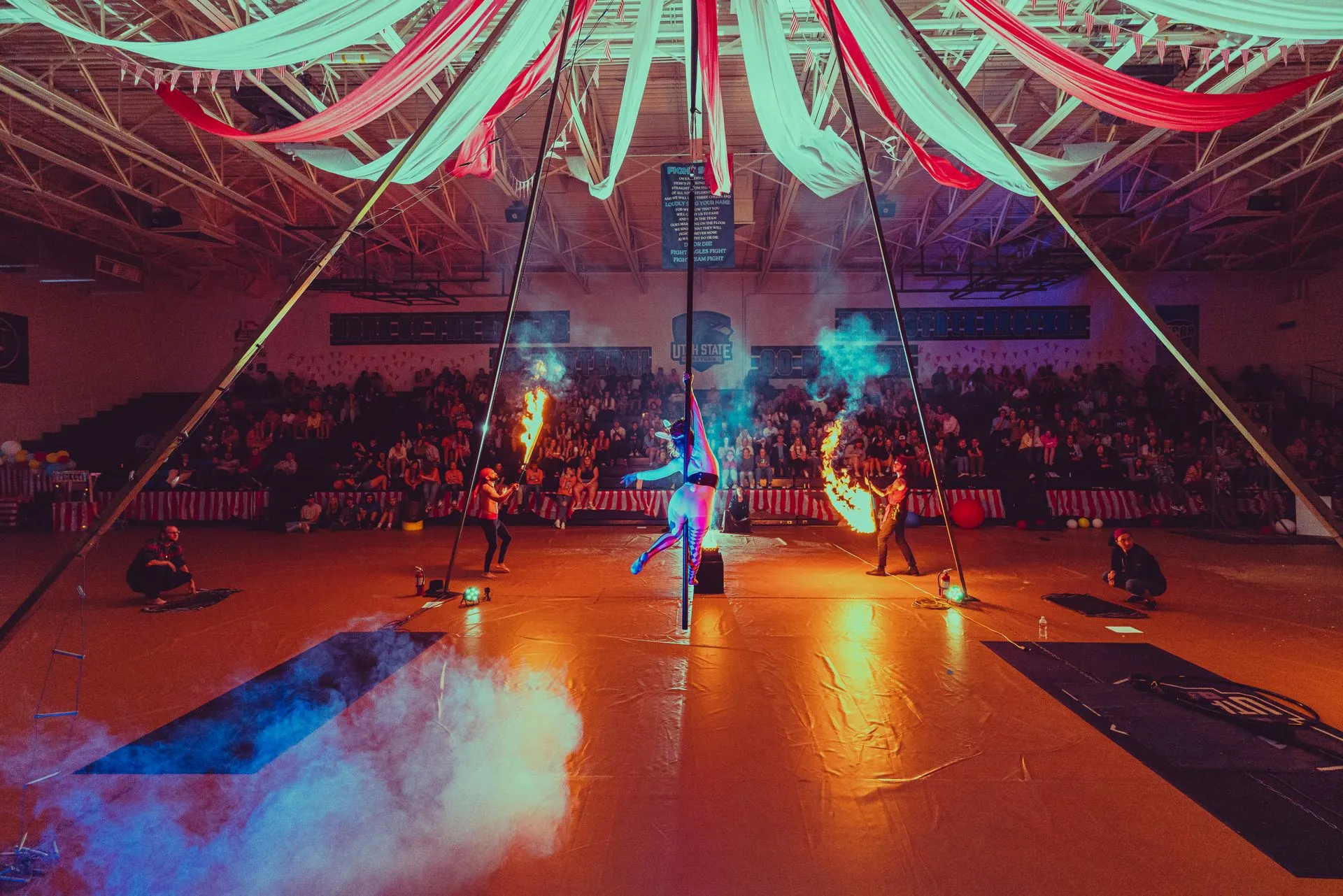
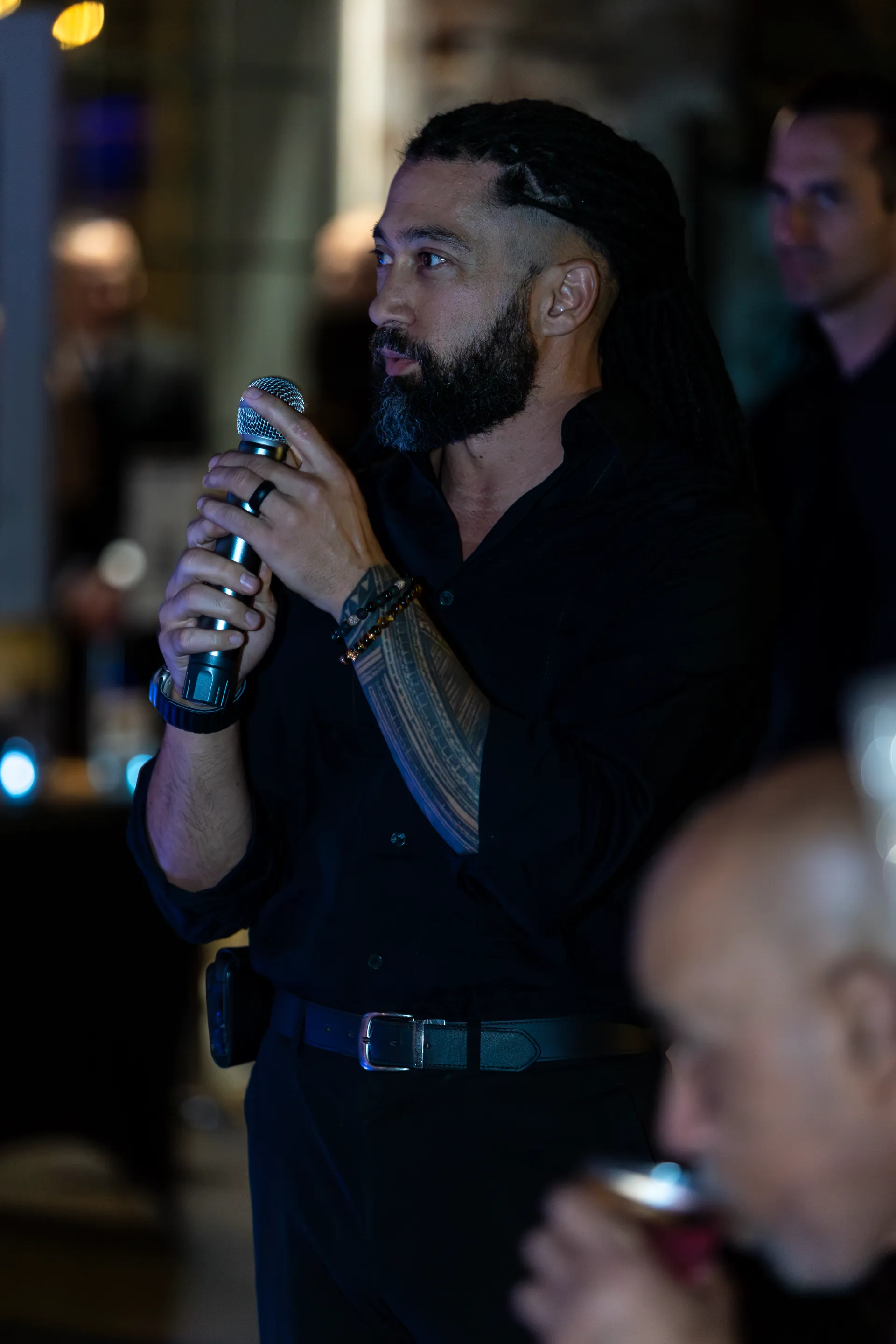
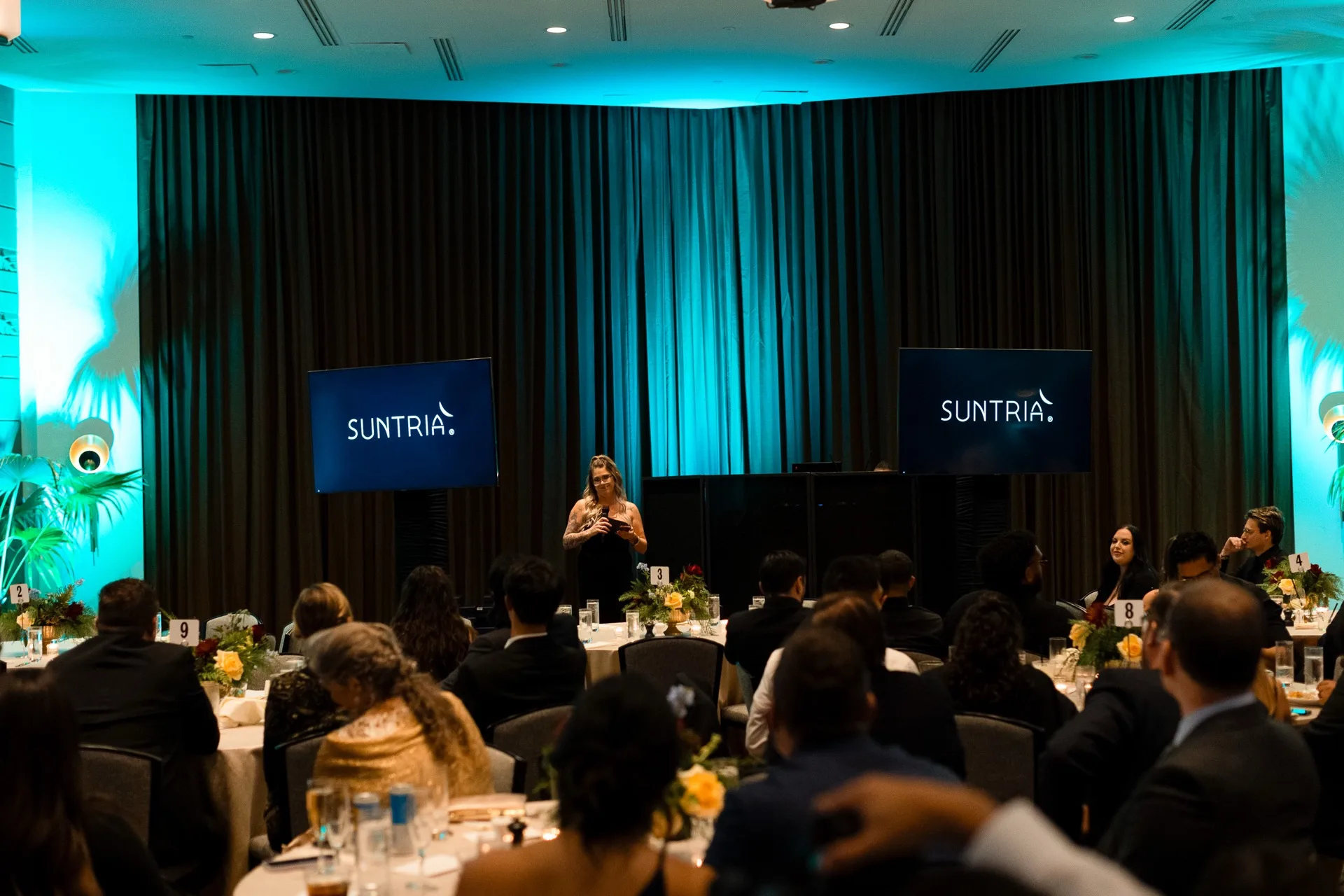
Lumina Production calls stage lighting "essential for award nights or conferences where speakers or performers are center-stage," naming spotlights, floodlights & moving heads as the common toolkit. Parlor Banquet adds the part planners miss most: "If you've built a stage for a keynote address, make sure it's well-lit from all angles and doesn't cast distracting shadows on your presenter." A speaker lit from one side, with a shadow falling across half their face on the ballroom's projection screen, is a lighting design failure that has nothing to do with the content of the speech.
Dining & Networking Need the Opposite Treatment
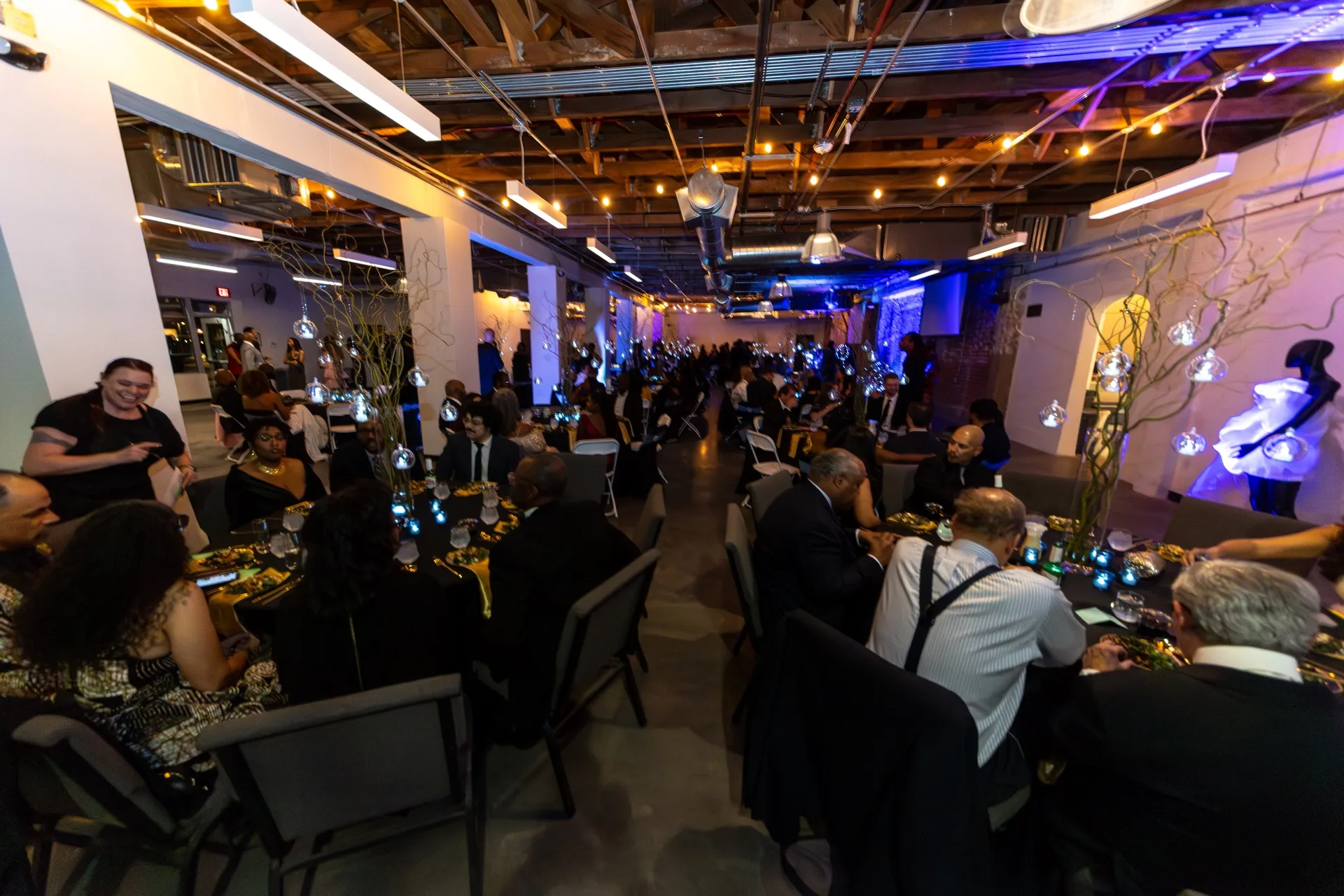
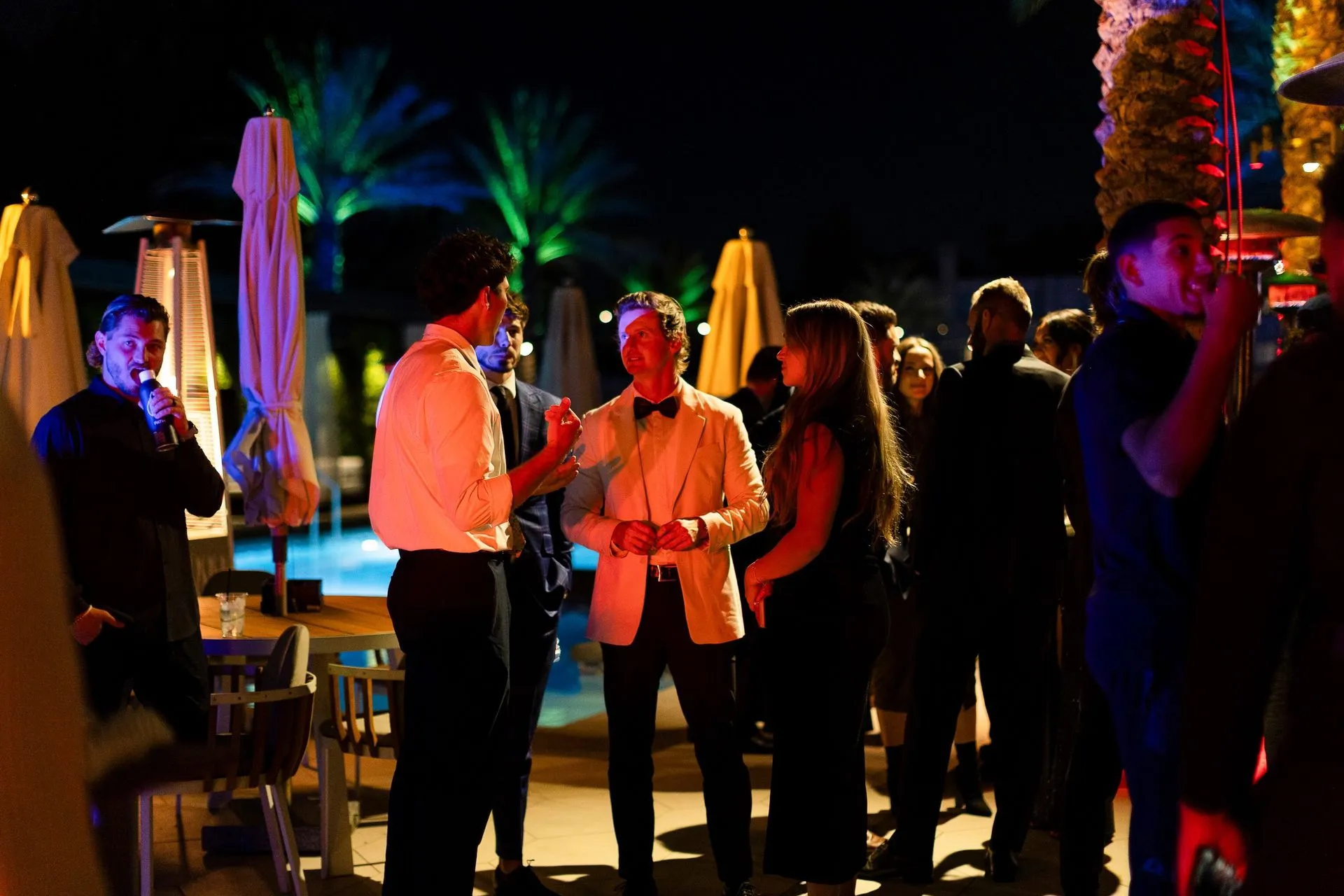
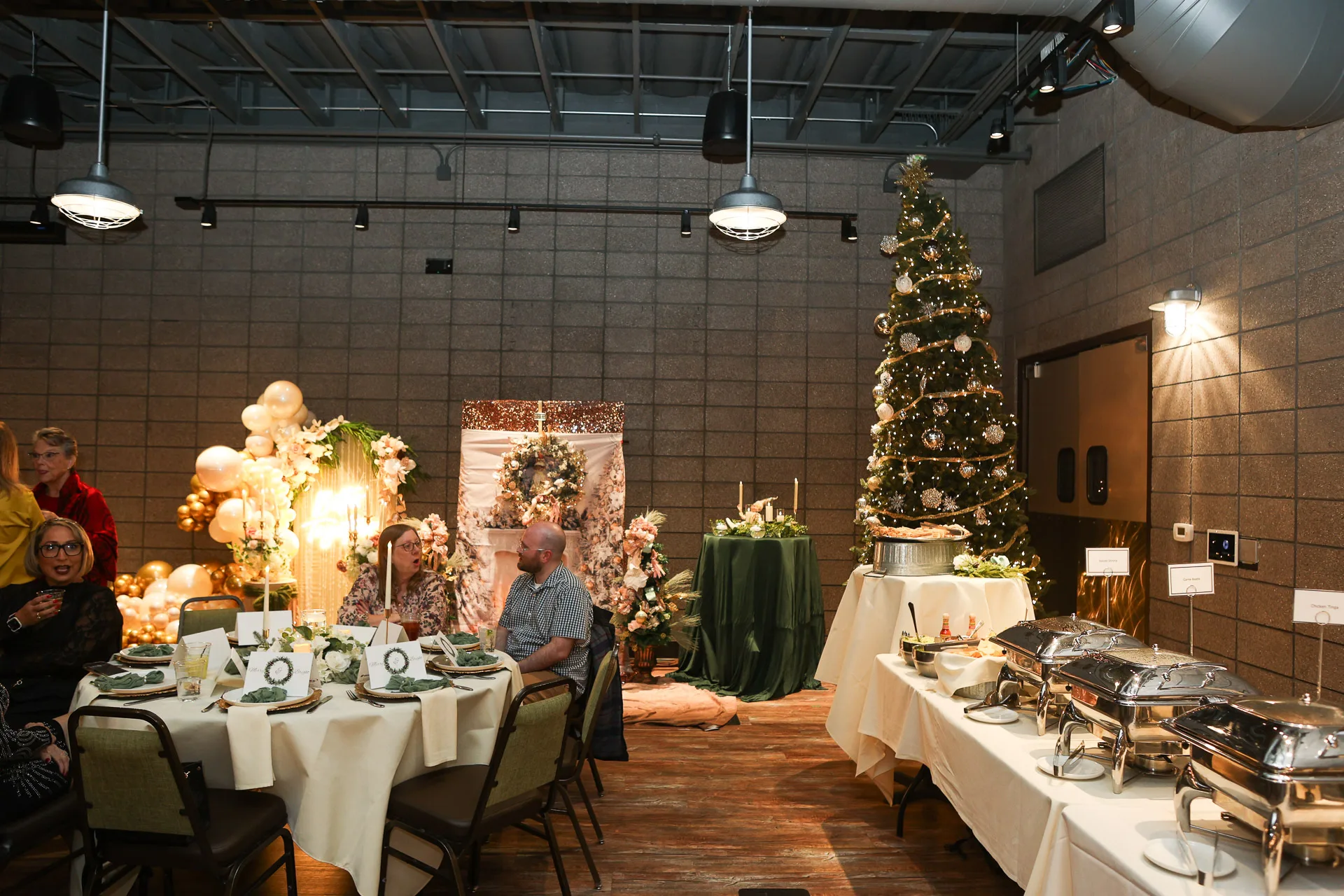
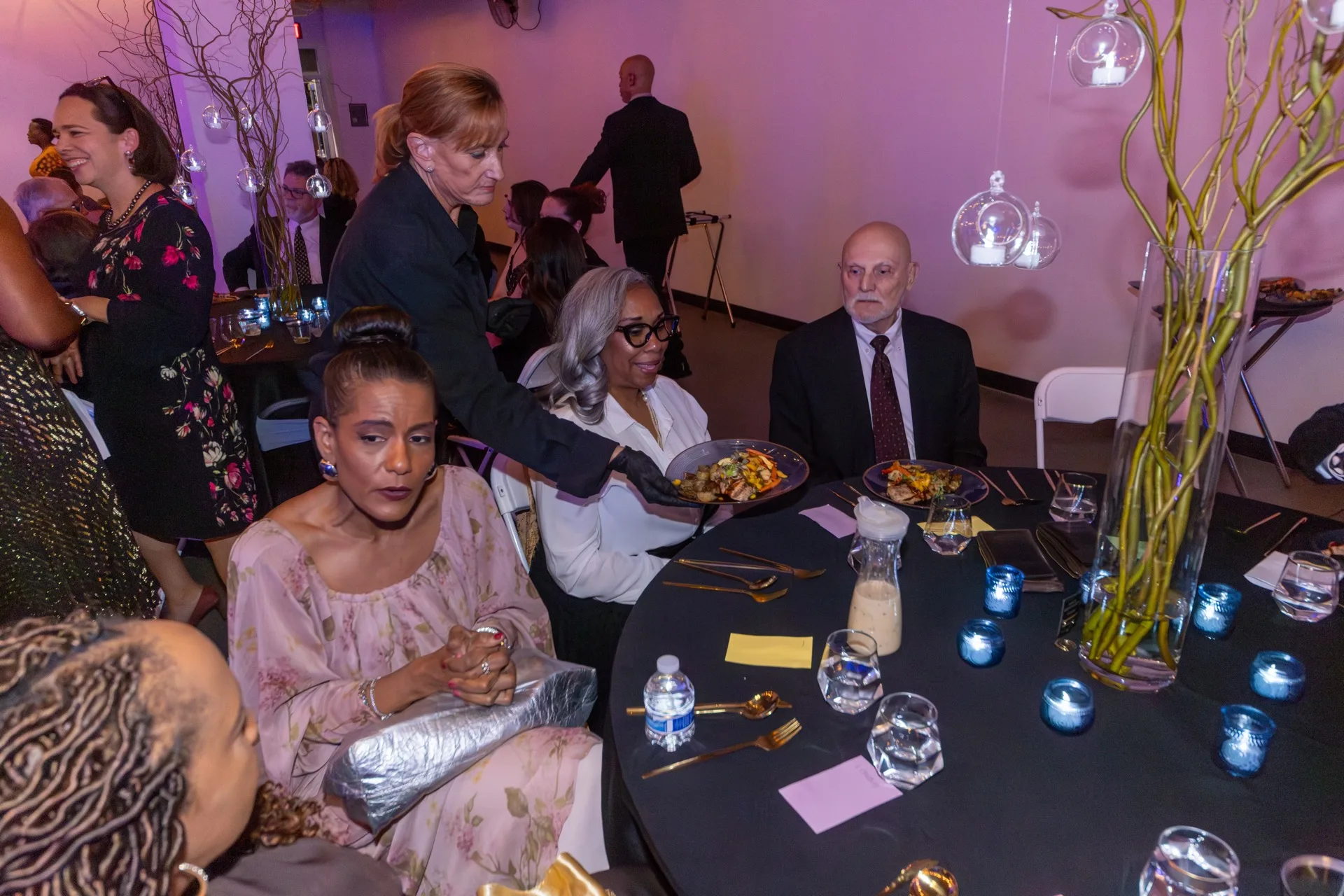
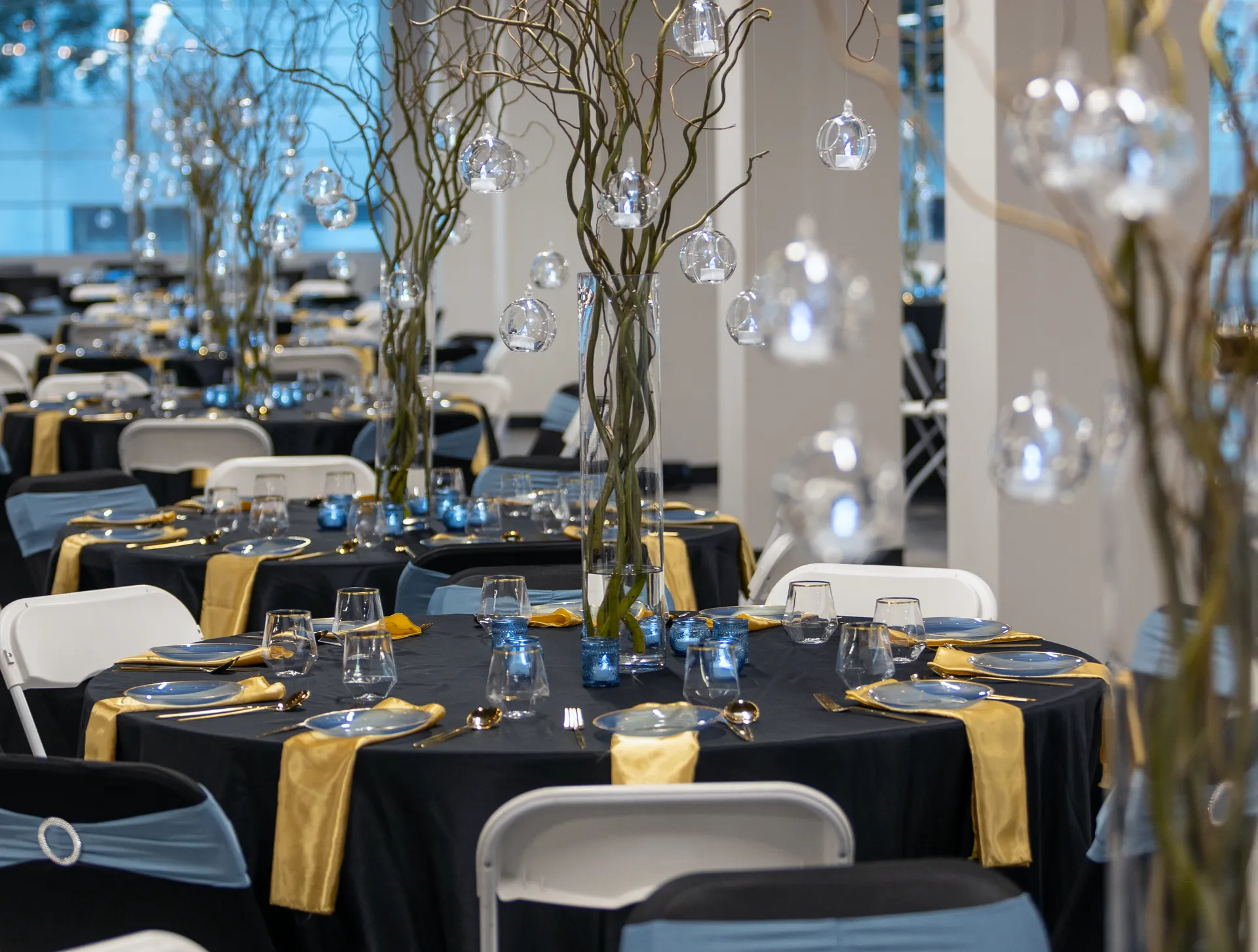
Where the stage zone wants focus, the room around it wants comfort. Event Factor's guidance for the audience side of a keynote: "Use soft, diffused lighting for the audience to keep them comfortable and attentive." Parlor Banquet frames the networking & dining zones the same way: "If you've set up cozy lounge corners for one-on-one chats, use softer, warmer lighting in those areas to make them feel more intimate." Lumina describes the base layer underneath all of it as "ambient lighting," the general fill "that ensures the venue is well-lit without overpowering other lights." Ambient fill, warm dining wash & a focused stage beam are three different jobs happening in the same room at the same time, which only works if they're controlled separately.
Why Each Zone Needs Its Own Control Channel
This is where lighting design becomes an electrical question, not just a visual one. On a professional lighting console, ETC's Katherine Stamp explains, "each light is called a 'channel' and each channel will have its own unique number that you use to select and control it with," & "one dimmer is typically patched to one channel number" precisely because "you probably want to be able to control each light individually." That's the same logic scaled up to zones: the arrival lights, the stage wash, the dining fill & the ambient base each need to move independently, or dimming the stage for a video also dims the dinner tables nobody was trying to touch. Parlor Banquet notes this is increasingly built into the room itself: "Many modern venues allow lighting zones or have programmable lighting systems that can change throughout the day." Whether that capability already exists in the venue or has to be brought in is one of the first questions a lighting plan has to answer.
The Transition Is Where Most Rooms Fall Apart
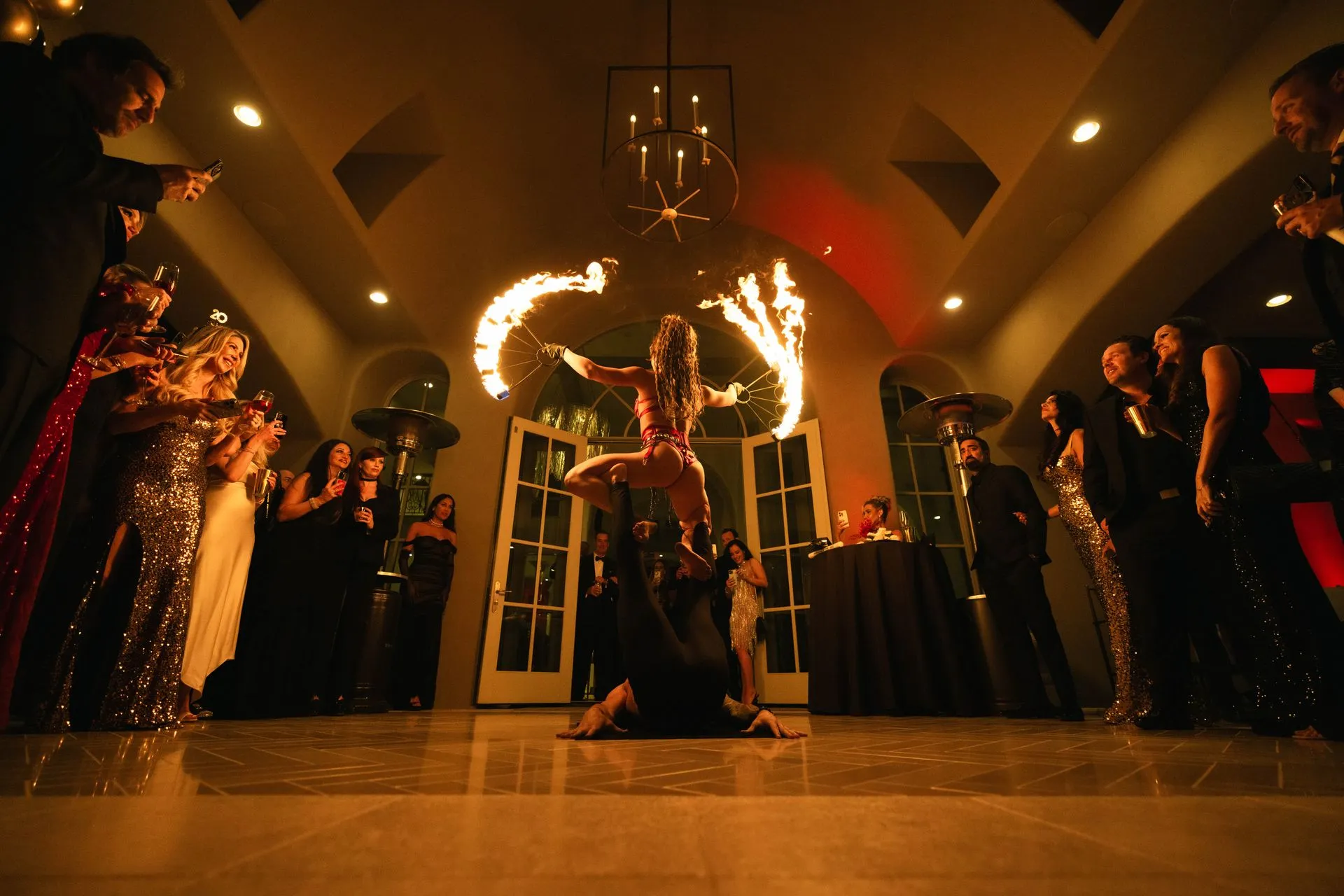
Zones that can't move independently can't transition, & the transition is usually where a room's energy either holds or breaks. Event Factor's example is specific: "During a keynote speech, the lights can dim to focus on the speaker, then transition to vibrant hues during networking sessions." Lumina frames the same move for award-night formats: "plan lighting changes to match event flow: Dim the lights when announcing a winner. Spotlight speakers as they walk on stage." None of that works as a single light cue. It's four zones, each already built & each already on its own channel, moving together on purpose instead of getting adjusted one at a time while two hundred people watch it happen.
If your next event needs the room to feel like four different moments instead of one long one, that's a lighting design conversation before it's a rental order. Tell us what the program actually looks like & we'll map the zones it needs. Or start with how we think about event strategy & design, the layer that decides what those zones have to carry, & the earlier post on what lighting design actually controls inside any one of them.
Questions planners ask us
How many lighting zones does a corporate event actually need?
At minimum four: an arrival zone that signals the night has started, a stage or program zone built around whoever's speaking, a dining or networking zone built for comfort rather than focus, & a transition state that can shift the whole room between them. Larger or multi-room events add more, but those four cover almost every corporate program.
Can a venue's house lighting cover all of these zones on its own?
Rarely on its own. House lighting is usually one uniform system built to be seen by, not a set of independently controlled zones built around a changing program. Some modern venues do have programmable zone lighting already installed, which is worth asking about early, but most corporate rooms still need zone-specific lighting brought in for the stage, dining & transition states.
Why does each lighting zone need its own dimming control?
Because the zones are doing different jobs at the same time. If the stage & the dining tables share one control channel, dimming the stage for a video also dims dinner, & warming up the dining wash also washes out the presenter. Separate channels let each zone change on its own schedule without dragging the others along with it.
What happens if a room is lit the same way for the entire event?
The event reads as one long moment instead of several distinct ones. Arrival doesn't feel different from the hallway, the keynote doesn't pull focus, networking doesn't feel any warmer than the stage did, & the shift from program to reception happens with no signal at all. Guests still notice, even when they can't name what felt flat.
Photo: Your Media Guy (instagram.com/your_media_guy)
New posts, straight to your inbox.
Real lessons from real corporate events, no filler.



-1920w.jpg)
-1920w.jpg)