What Corporate Event Lighting Design Actually Controls
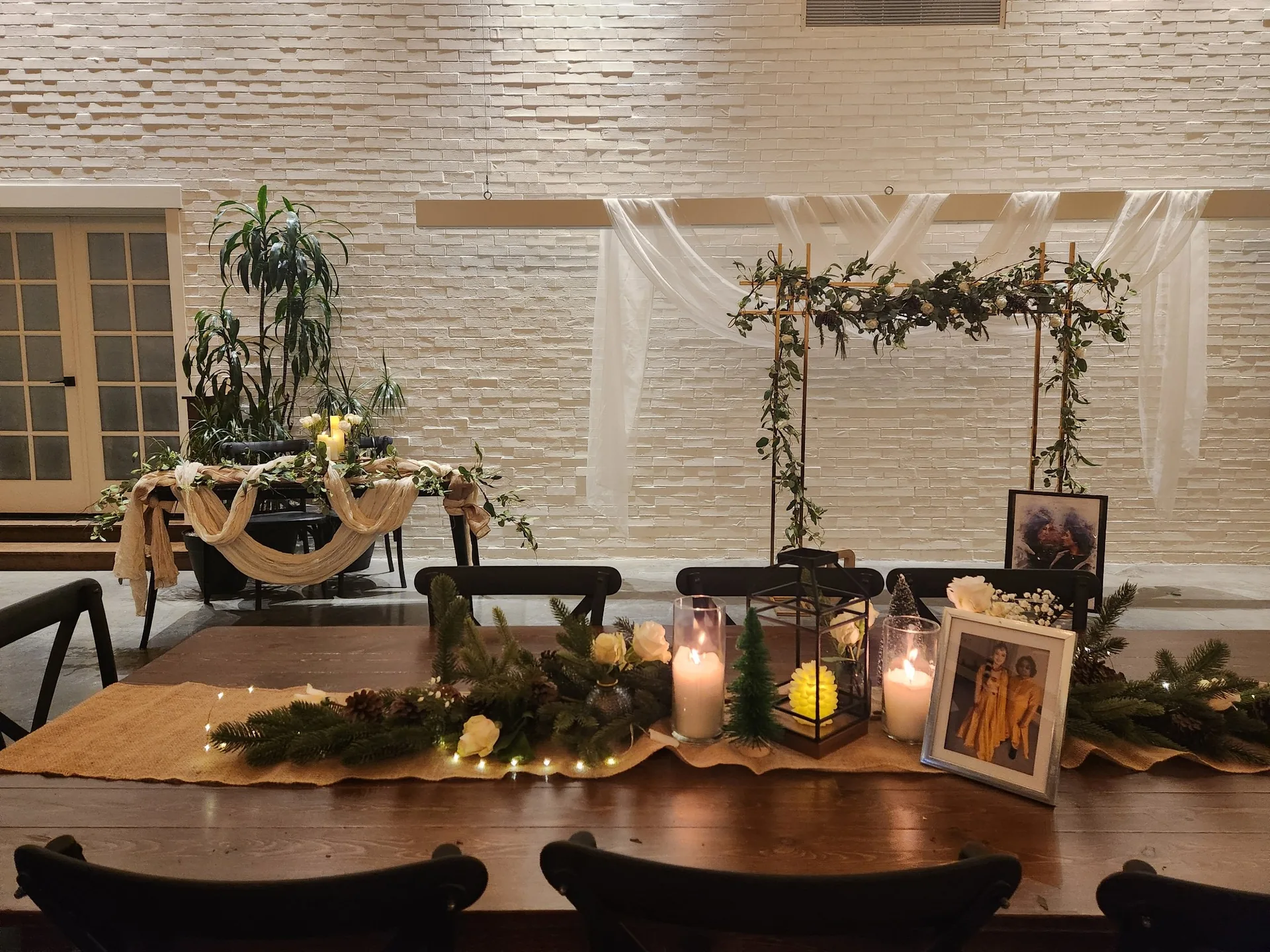
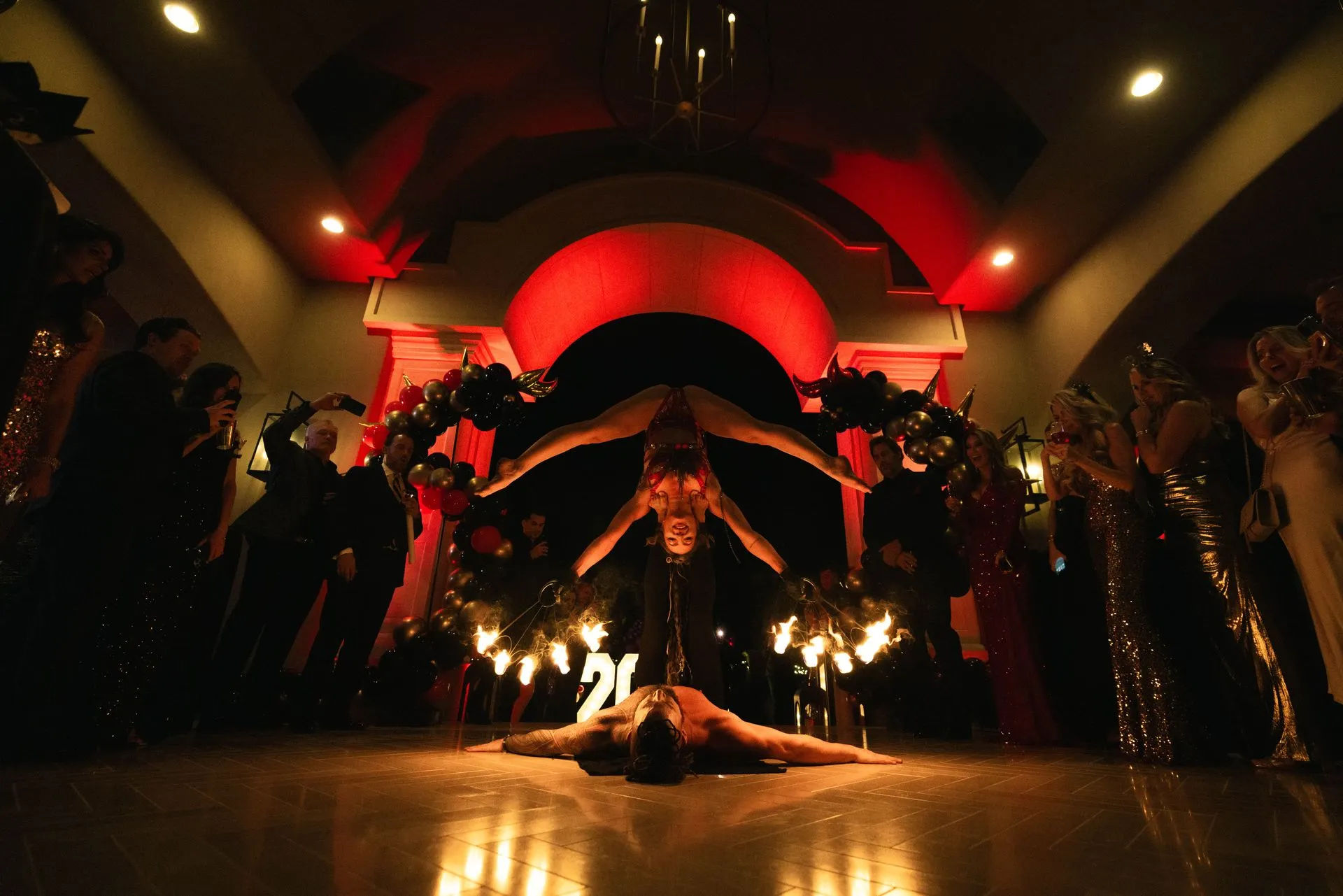
A room can shift from a bright, alert keynote stage to a warm, unhurried dinner in the same two hours, using the same walls & the same furniture. Nothing physical in the room changed. The light did.
Most planners budget for lighting as a decor line, something that makes the room look good in photos. It does that. It also decides what an audience notices first, what mood a room carries before anyone says a word & whether the person speaking on stage actually reads clearly once the recording goes up. None of that comes from the venue's house lights, because house lighting is built to light a room in general, not your event specifically.
What corporate event lighting design actually controls
Corporate event lighting design controls three things a venue's existing system can't: the color temperature that sets a room's mood, the accent lighting that decides where the eye lands first & the angle that keeps a speaker visible on stage & on camera. A lighting designer builds all three around your specific run of show. House lighting was built for the room, not for your event.
The mood dial nobody names: color temperature
Color temperature is measured in Kelvin. The range does real work. Action Services Group's breakdown puts warm light at 2000K to 3000K, the yellowish tones of candlelight & incandescent lamps. Cool light sits at 4000K to 6500K, the bluish-white of daylight. The effect isn't just visual. Warm light encourages relaxation & longer dwell times. Cool light supports alertness, visual acuity & task performance.
That's the reason a keynote & the dinner after it shouldn't run on the same light. An opening address wants the cooler end of the range, where a room stays sharp & attentive. The reception that follows wants the warm end, where people linger instead of checking the time. The same source notes that tunable systems can shift across that range through the night, moving a room from focus to relaxation without swapping a single fixture.
Where uplighting earns its cost
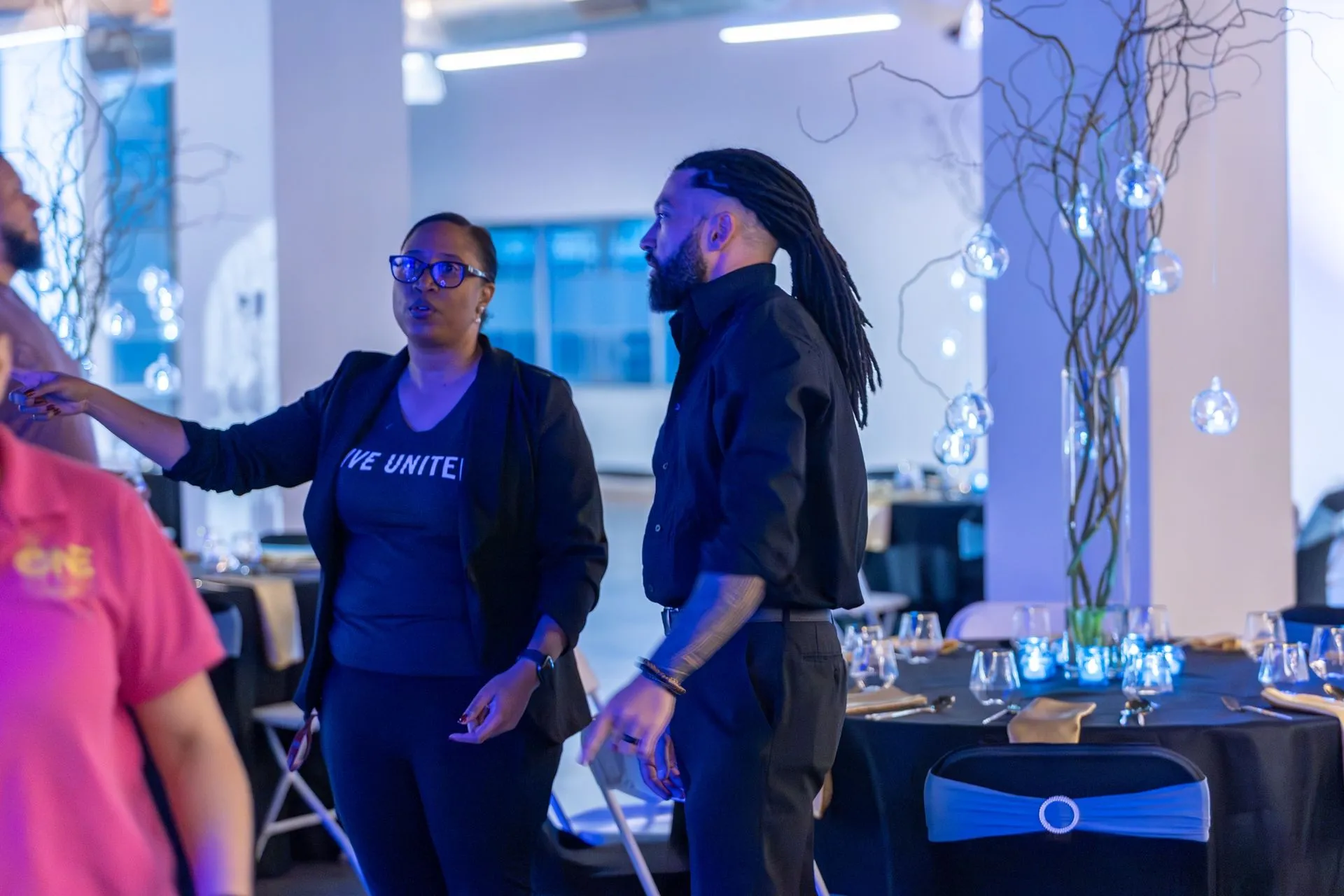
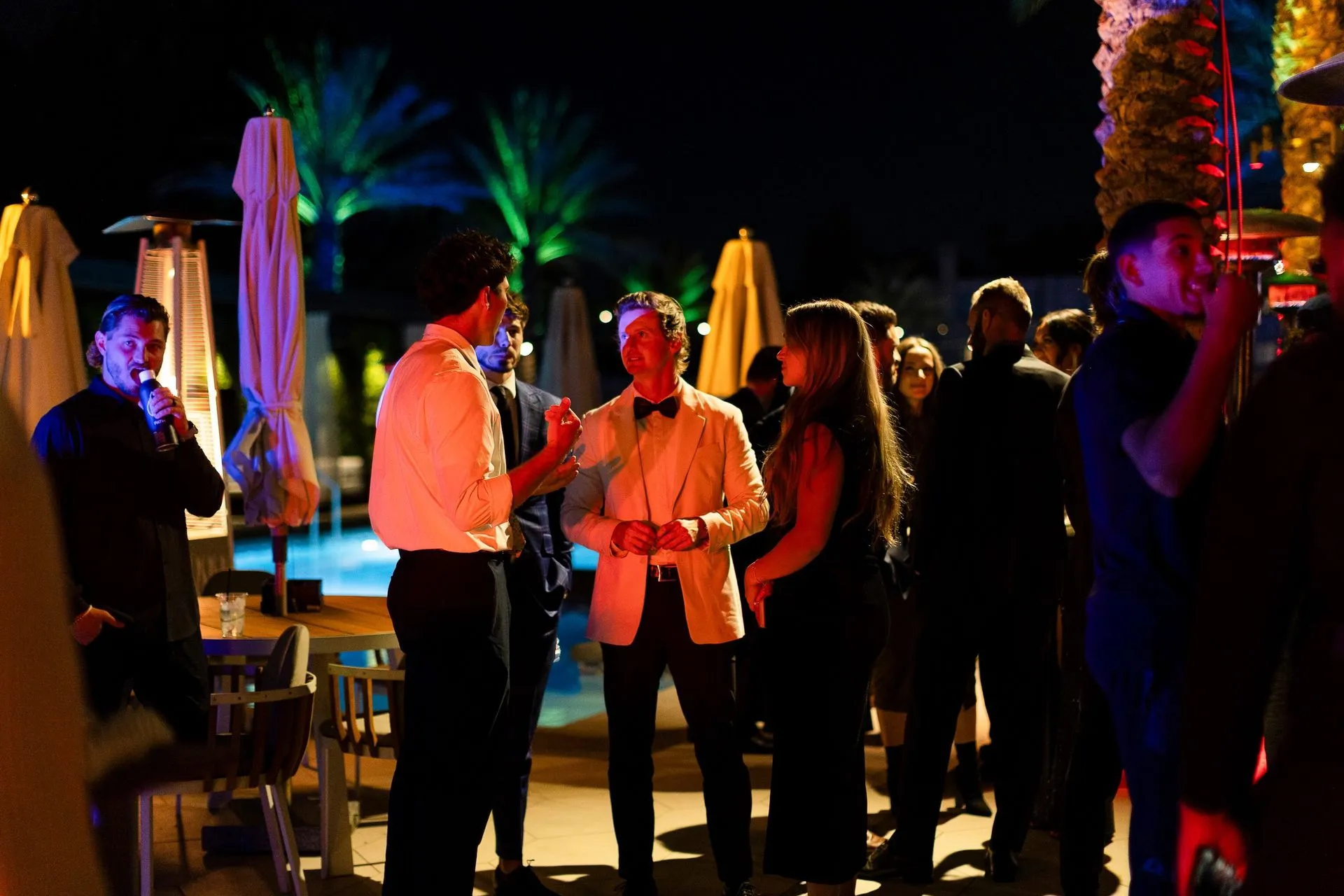
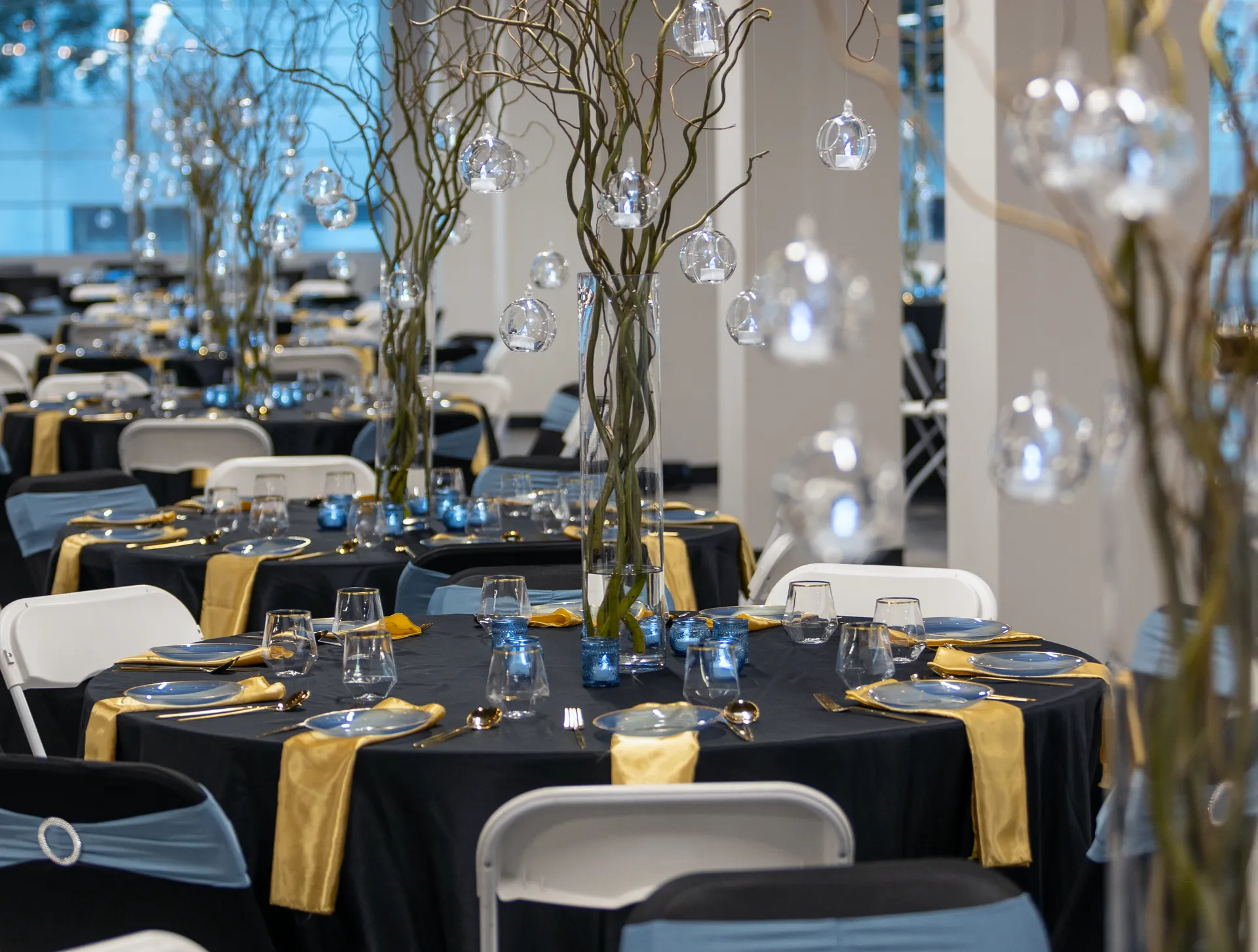
Uplighting is the technique most people picture when they think of event lighting: fixtures on the floor throwing color up a wall or column, turning a plain room into a designed one without touching the furniture. Pricing runs roughly $18 per light wired & $25 per light wireless, with a full room typically landing between $200 & $1,500 depending on venue size. It earns its cost hardest at night. A daytime event with strong ambient light from windows often doesn't need it at all, which is a real budget line to cut rather than default to.
Why house lighting isn't enough on its own
Most venues already have some lighting built in. It's tempting to treat that as the lighting plan. One production guide puts it plainly: equipment alone doesn't guarantee a cohesive result. A house system was specified for the room in general, not for your stage position, your brand colors, or the camera recording the keynote.
A real lighting consultation covers more ground than a fixture count. Before anything gets placed, a lighting professional typically walks through:
- Venue layout & architectural features
- Event schedule & production flow
- Branding & color palette
- Technical limitations & power access
- Safety & emergency lighting needs
That evaluation is the actual deliverable, done once & early, rather than guessed at the week of the event.
The camera-safe angle that keeps a speaker visible
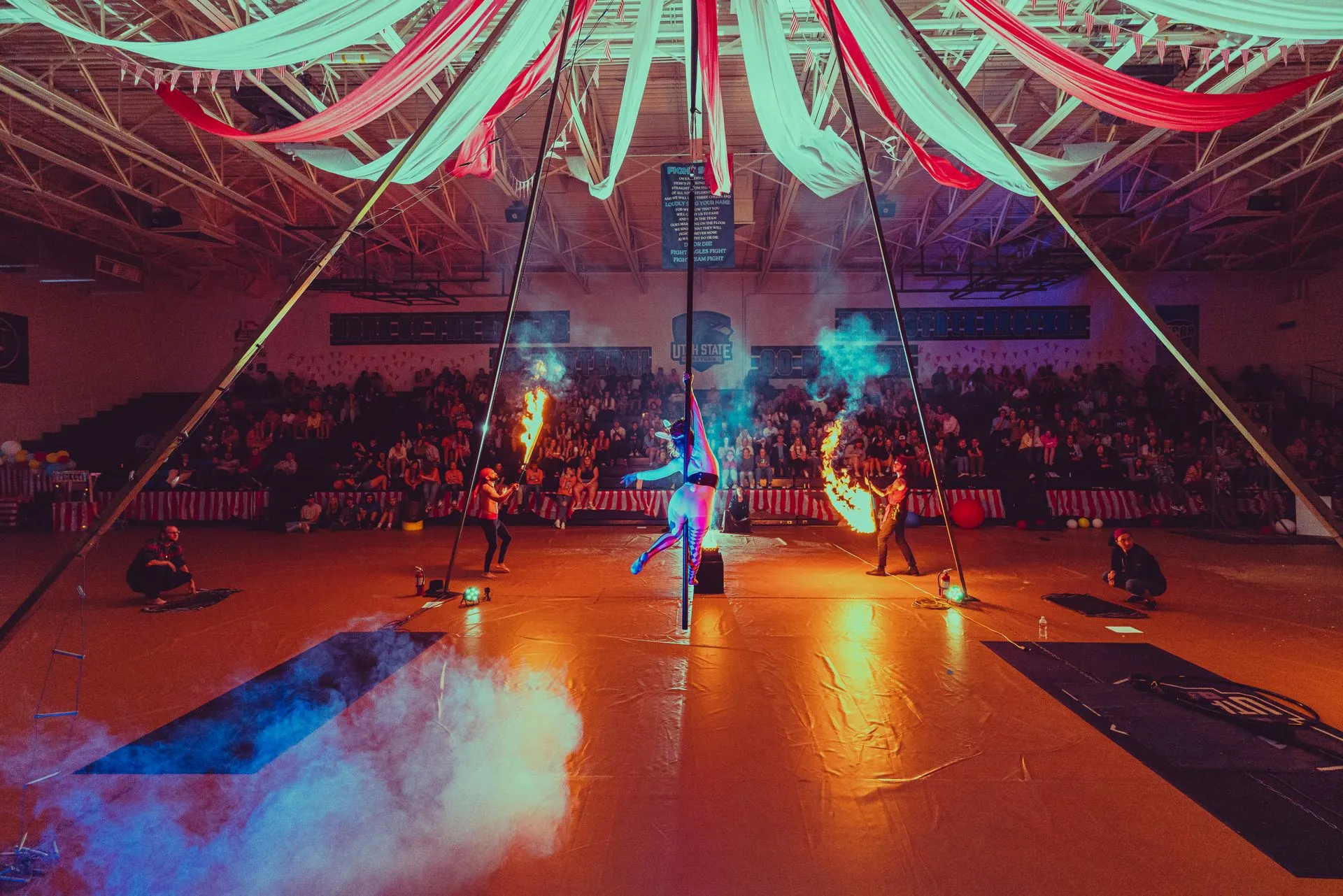
The same test applies to AV & production generally: a mic that cuts out, a screen the back row can't read. Lighting gets judged the same way. The standard setup places front lighting at a 30 to 45 degree angle relative to the speaker, paired with backlighting that separates them from the background without a harsh shadow. Flat lighting straight-on removes the depth a face needs to read clearly, on stage or on a recording.
How much lead time lighting design needs
Six to ten weeks out is the standard recommendation for a corporate event, with larger productions or peak-season dates needing more. That's the same window most planners are already locking a venue & a decor budget in, which is exactly why lighting works best decided alongside them instead of after.
Lighting design FAQs
What's the difference between renting lighting and hiring a lighting designer?
Renting gets you fixtures. A designer places them at the right angle for your stage, sets the color temperature for each part of the night & coordinates that plan with everything else running in the room: screens, staging, entertainment. Equipment alone doesn't guarantee any of that lands together.
How much does uplighting cost for a corporate event?
Typically $18 to $25 per fixture, with a full room running $200 to $1,500 depending on venue size. Evening events get the most value from it. Daytime events with strong natural light often don't need it.
Does warm or cool lighting work better for a corporate event?
Both, at different points in the night. Cooler light in the 4000K to 6500K range keeps a keynote or working session alert & focused. Warmer light in the 2000K to 3000K range slows a room down for dinner or networking. The best-run events change the temperature between the two instead of picking one for the whole night.
How far in advance should we book event lighting?
Six to ten weeks out for a standard corporate event, more for a large production or a peak-season date. That's early enough to plan it alongside the venue & decor decisions instead of bolting it on afterward.
If you'd rather have one team plan the lighting alongside everything else in the room, that's the job. Tell us about your event & we'll walk you through exactly what we'd run: start the conversation here.
New posts, straight to your inbox.
Real lessons from real corporate events, no filler.



-1920w.jpg)