What to Ask Before You Book Corporate Event Entertainment
The contract looks fine, the performer is talented & the date on the calendar isn't moving. That's usually the moment corners get cut, not because anyone means to, but because nobody told the planner what to check before they sign.
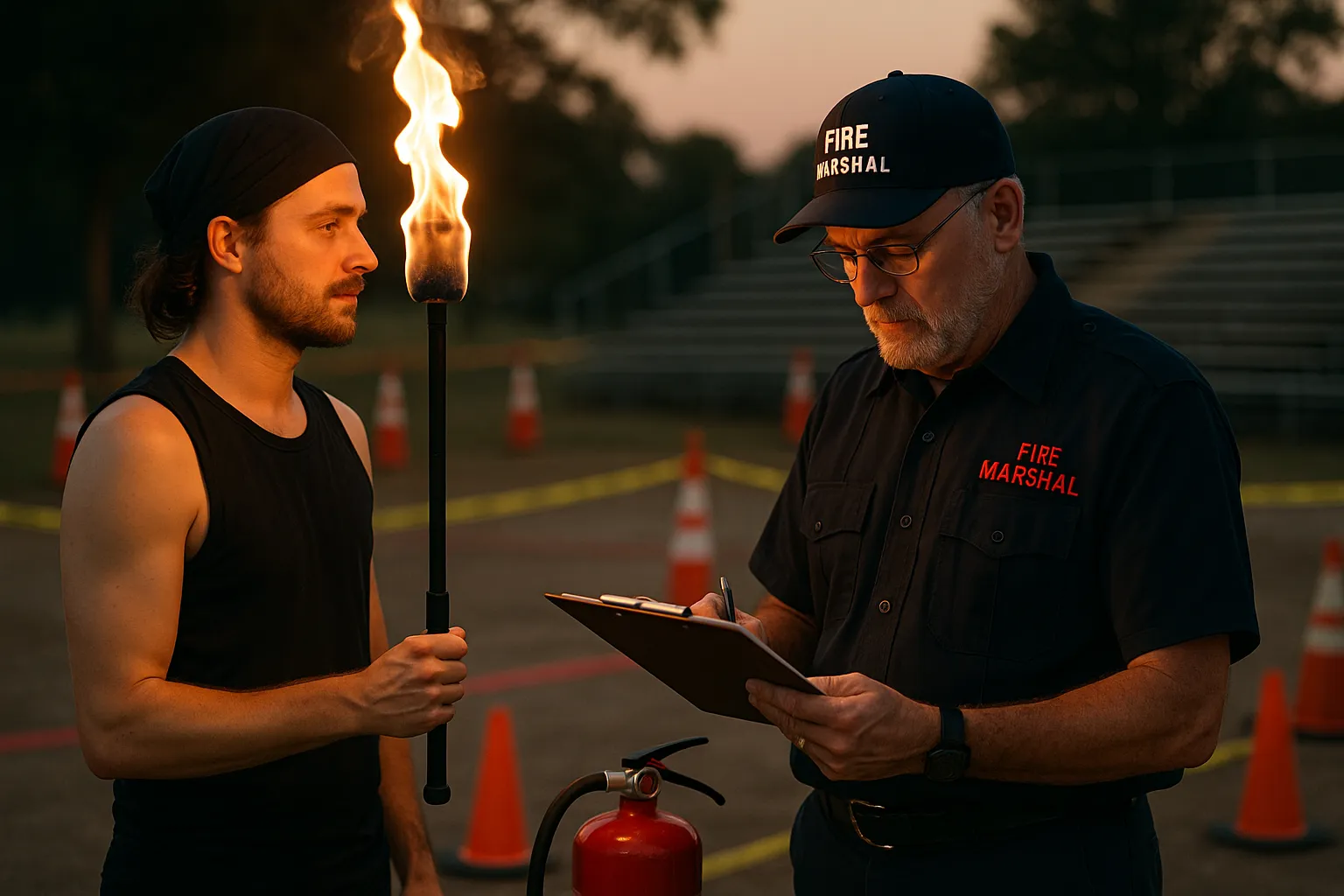
Before booking any corporate event entertainer, confirm four things in writing: a signed technical rider covering stage, power & space requirements, a certificate of insurance naming your venue as additional insured, a stated backup plan if the performer can't go on & a contract with a clear cancellation policy. Skip any one of those & you're the person explaining what went wrong, not the vendor.
What the rider actually protects
A technical rider is part of the booking contract, not a wish list. It spells out what the performer needs to do the job right, from stage size & layout to sound & lighting equipment, load-in crew & rehearsal time. TSE Entertainment frames it as the document that prevents misunderstandings between what the venue can offer & what the act needs to perform, which is exactly why it belongs on the table before a date is locked, not after.
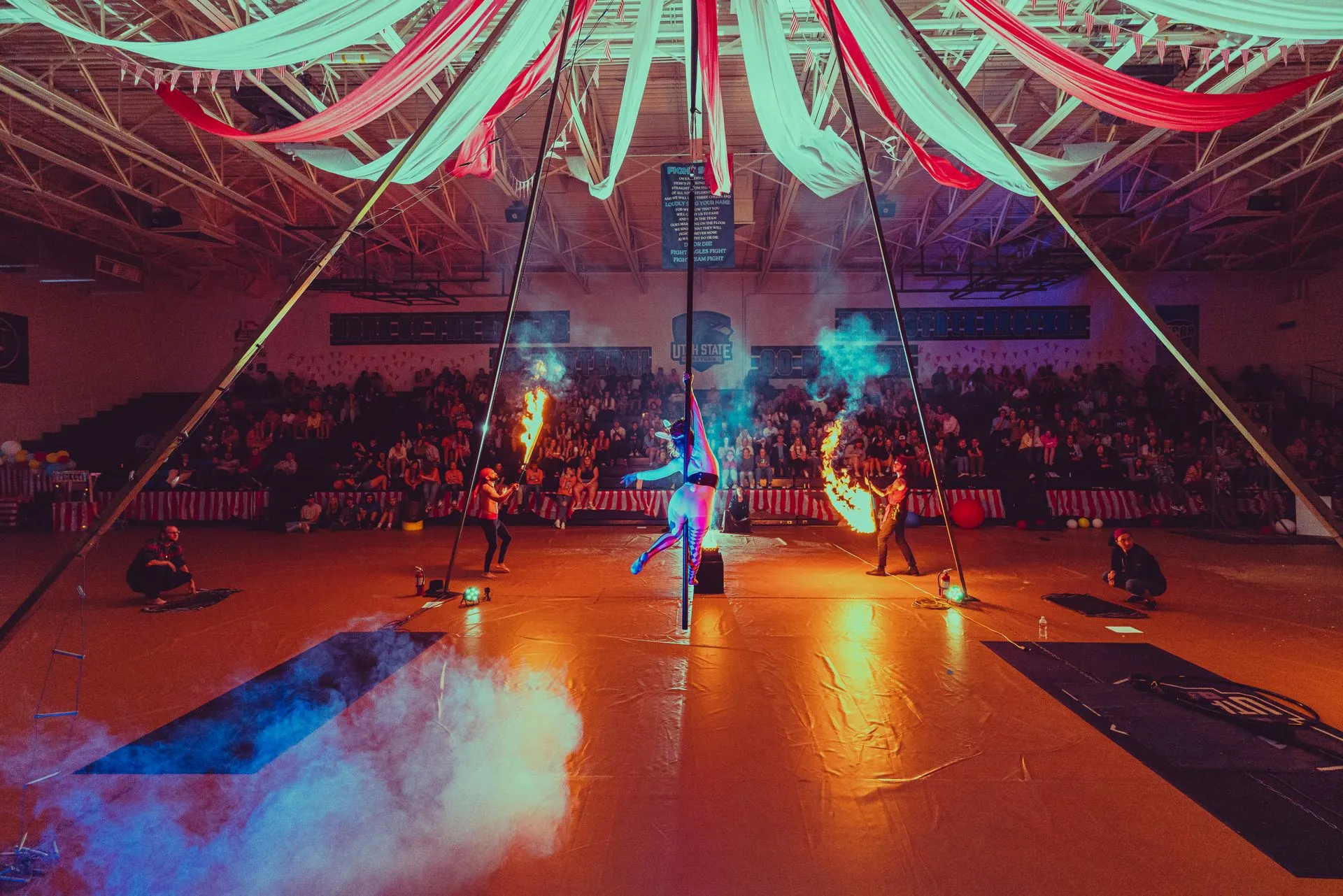
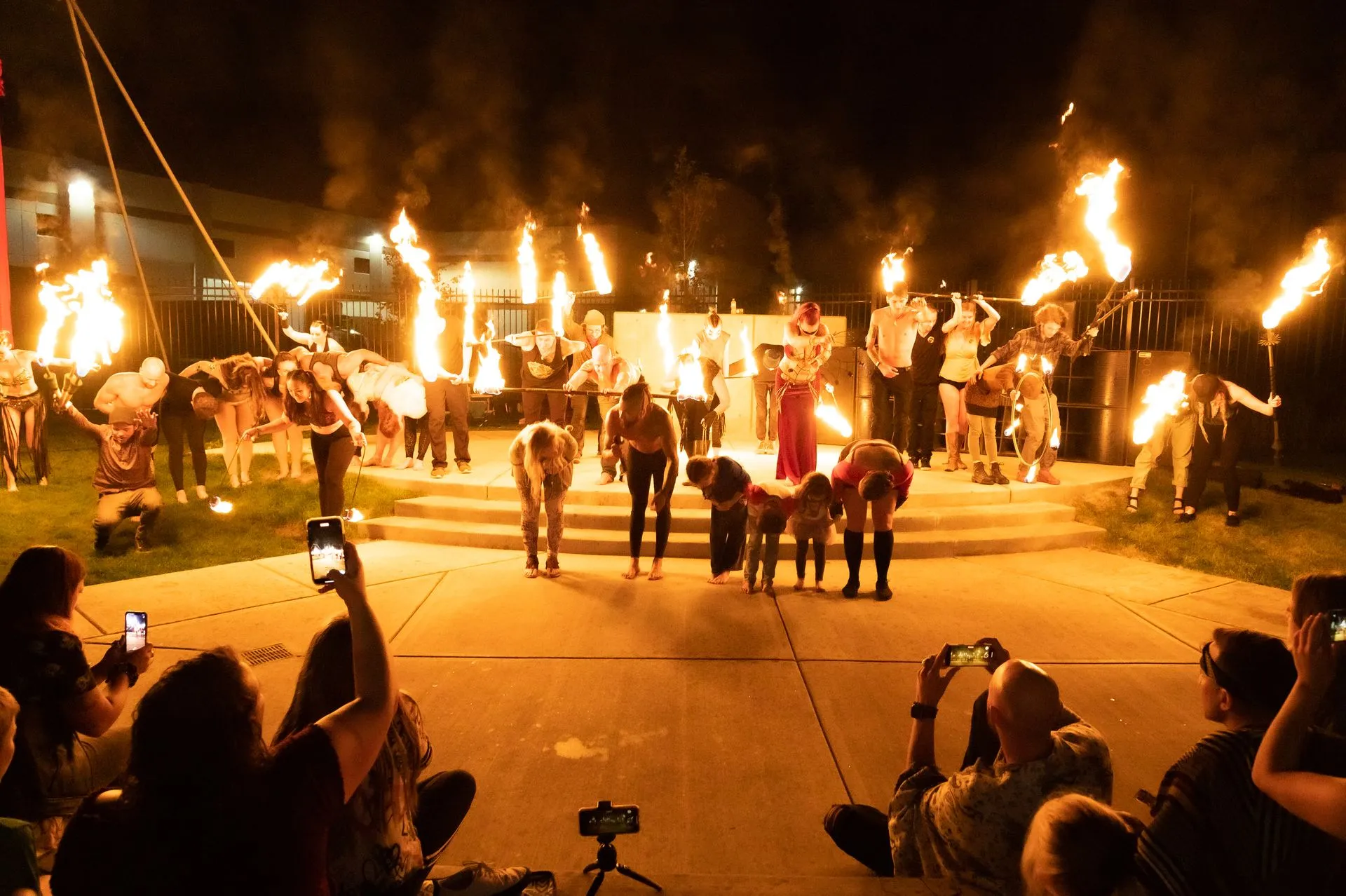
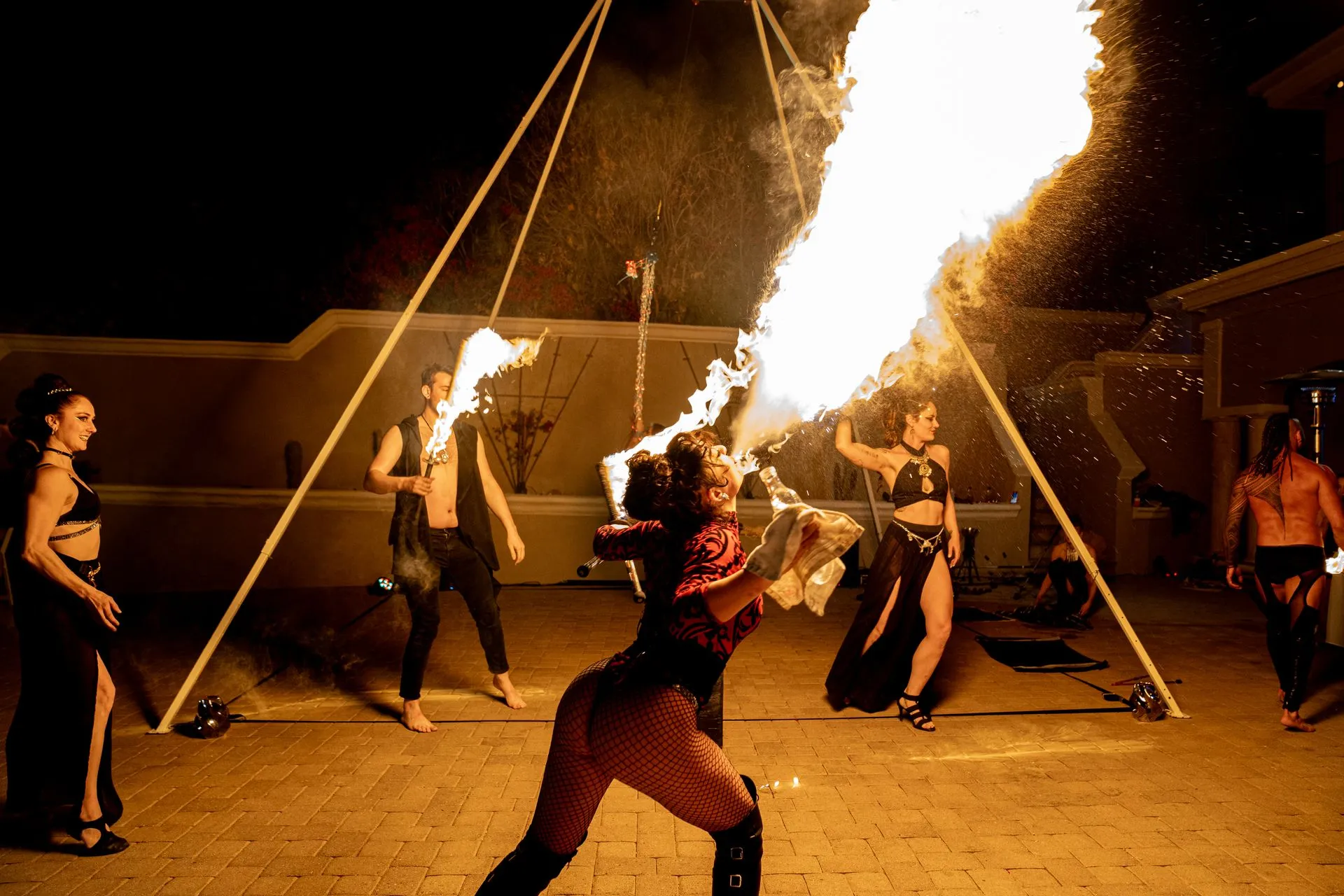
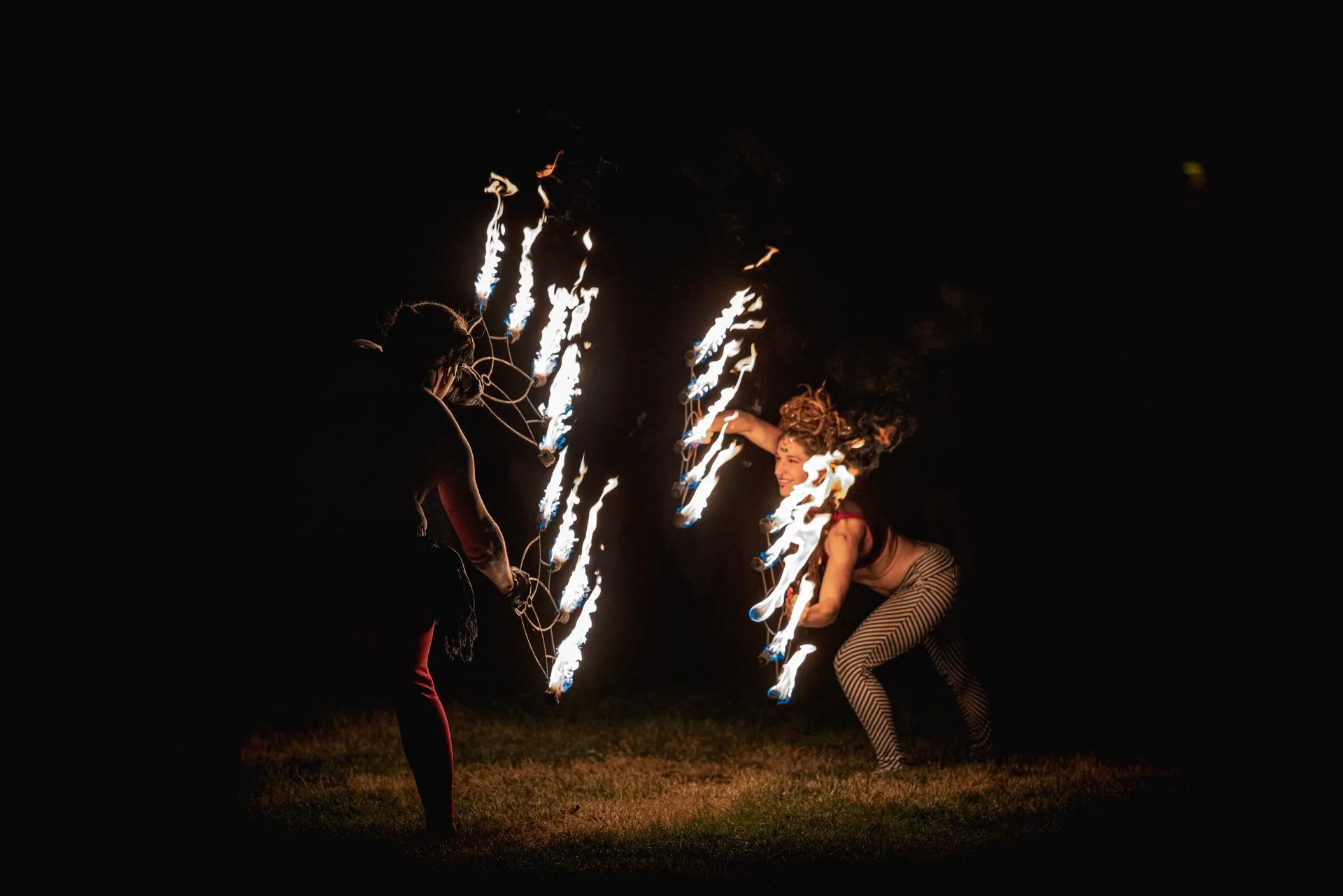
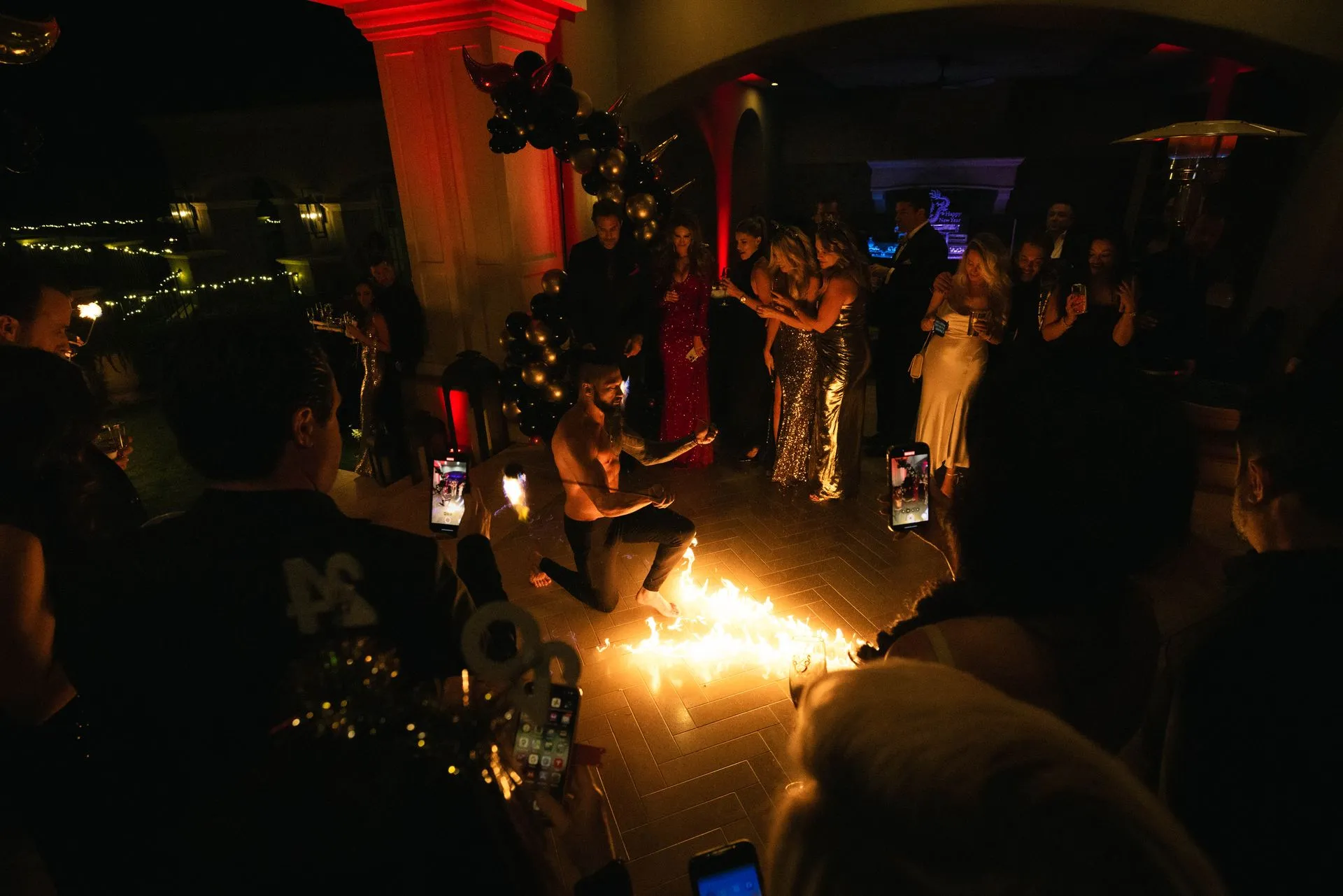
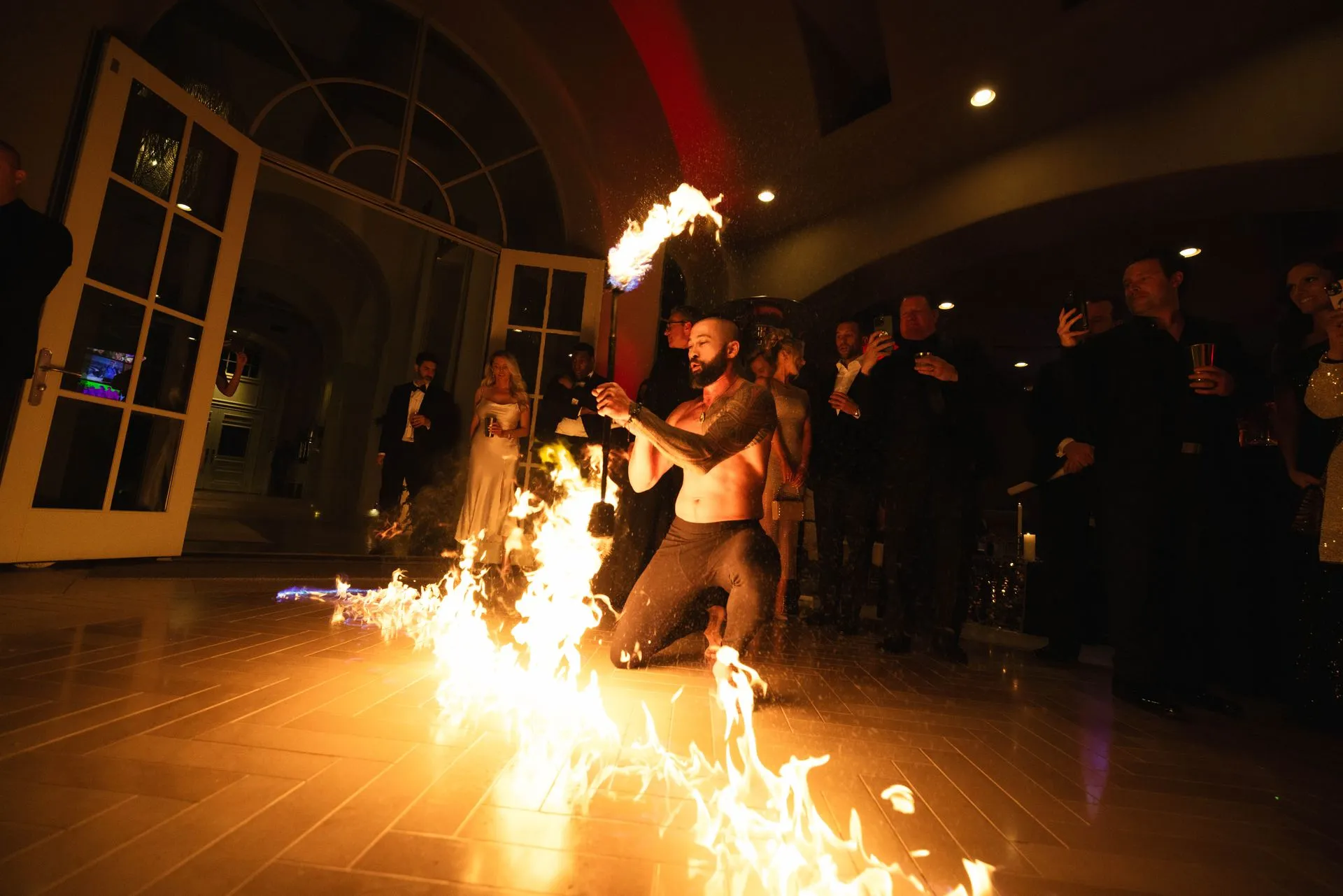
Power is the line most planners skip past & the one that causes the most trouble on show night. DOREMi's rider guide lists voltage & outlet count among the details a rider spells out in granular detail & for good reason. A venue with the wrong circuit for a fire show or an aerial rig isn't a small fix at 6pm. It's the reason a performance gets scaled back in front of your guests.

The certificate of insurance question
Ask for the certificate before you ask about the show. Events Guardian puts the standard plainly. Most venues require $1 million per occurrence & $2 million aggregate, with your venue named as additional insured so a claim against the performer doesn't become a claim against the room you booked. Uptown Drive lands on the same number, general liability coverage of at least $1 to $2 million & the same requirement that the venue sit on the certificate as an additional insured, not just named in an email.
If a performer can't produce that certificate on request, that's already the answer to whether they've done this before at the level your event needs.
What happens if the performer can't go on
Ask this one directly & watch how they answer it. BizBash found that asking about contingency plans does more than settle nerves. It shows which vendors are proactive instead of reactive. The vendors worth booking have a real answer ready, not a pause. For entertainment specifically, that answer should name an actual backup performer or act, not a vague promise to figure it out.
This is the piece Hana builds into every booking by default. A named backup, confirmed ahead of time, not a plan we improvise on the day. One point of contact, one team, zero gaps left for event night to expose.
The contract terms that actually matter
Read the cancellation section before you sign anything & don't sign in the room. Uptown Drive quotes an entertainment lawyer's advice directly. There's no reason to sign on the spot. The cancellation policy is what protects both sides if the event date moves or the performer has an emergency. It belongs in writing alongside the date, the venue address, the payment schedule & who owns any photo or video from the night.
References matter here too. A short call to a planner who booked the same performer for a past corporate event tells you more about punctuality & professionalism than any demo reel.
Questions planners ask us
Do we really need to see a certificate of insurance?
Yes, every time, regardless of how small the event feels. It's the one document that tells you whether your venue is protected if something goes wrong. A professional performer already has one ready to send.
What should a backup plan actually include?
A named performer or act who can step in, confirmed before the event, not a promise to find someone if the original can't make it. If the answer is vague, the plan doesn't exist yet.
How far ahead should the rider get reviewed?
As early as possible, before the date is fully locked. A rider that surfaces a power or space conflict is far easier to solve during planning than during load-in.
What does Hana ask for when we book?
The same standard we're describing here. A signed rider, a current certificate of insurance, a named backup & a contract with clear cancellation terms, handled by one team so nothing gets missed between vendors.
Planning entertainment for a corporate event & want a second set of eyes on a contract before you sign it? Tell us what you're looking at & we'll tell you what we'd check first. Or see how we think about entertainment & experience design.
New posts, straight to your inbox.
Real lessons from real corporate events, no filler.







-1920w.jpg)