The Corporate Event AV Checklist That Prevents Problems
The mic dies half a second into the CEO's toast. Two hundred people hear a squeal, then dead air, then a tech sprinting across the room with a spare. Nobody in that room remembers what the CEO said next. They remember the mic.
That's the part planners underestimate about AV. Guests forgive a plain stage & a simple screen. Vario Productions puts it plainly: attendees may overlook stage design or visuals, but they immediately notice when they cannot clearly hear a presenter. Sound is the one system with no room to fail quietly.
What a corporate event AV checklist actually covers
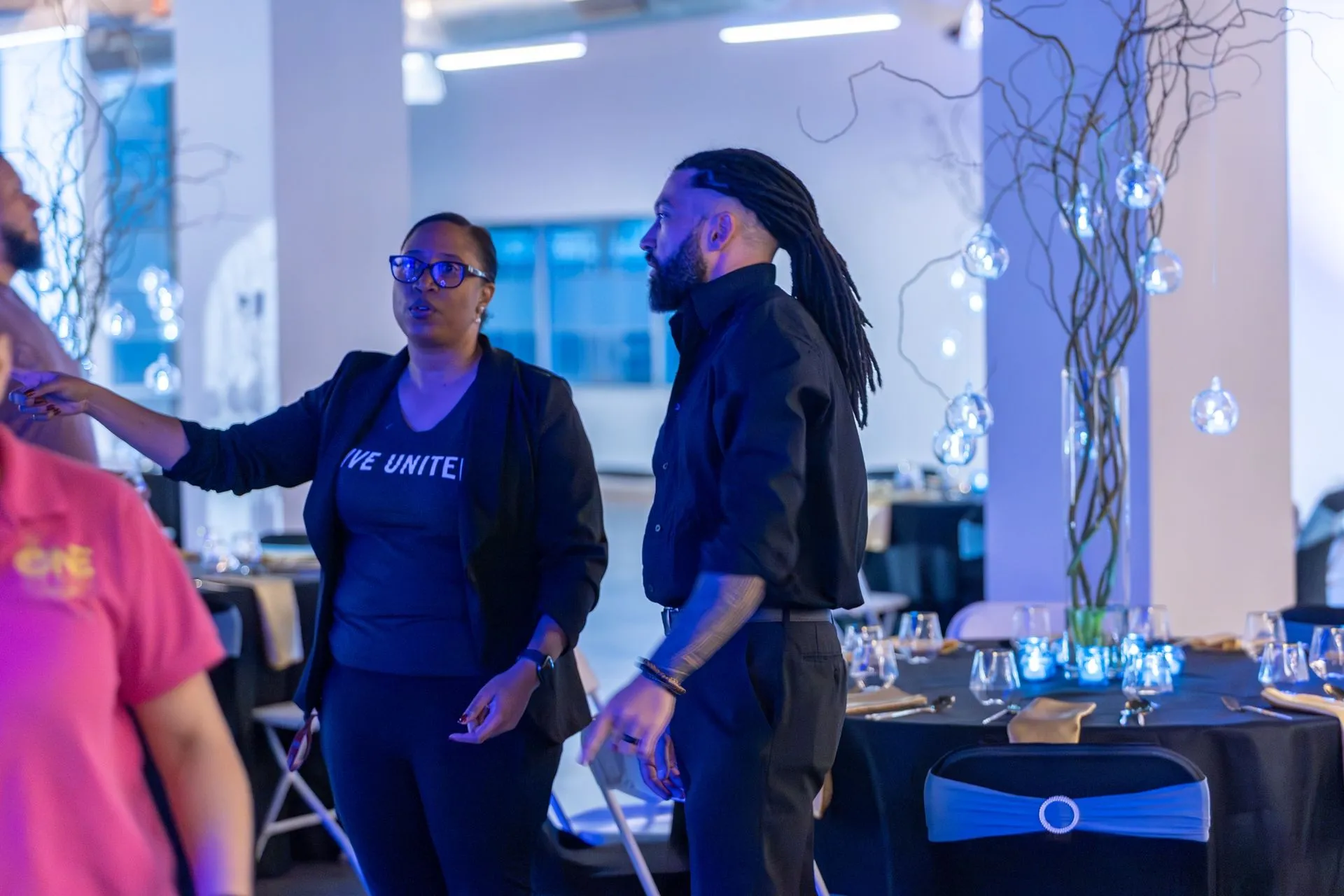
A real AV checklist covers four decisions: sound reinforcement sized to the actual room, lighting that keeps every speaker visible from the back row & on camera, video & screens sized correctly to the space & one person on site who owns all three while the event is running. Skip any one of those & the risk shows up exactly where the room is watching.
Beatz Hire's read on where this goes wrong is blunt: most corporate AV problems come from rushing, guessing, or assuming the venue has it handled. A checklist only works if someone owns the answers before the room fills, not while it's filling.
- Sound: reinforcement built for the room's actual size & acoustics, not a generic PA turned up loud
- Lighting: even light on every speaker's face with no harsh shadows, built for visibility & camera capture, not effects
- Video & screens: sized & placed so the back row can actually read a slide
- One AV owner: a single person on site running sound, lighting & video as one system, not three vendors coordinating by text
Where the mic actually breaks
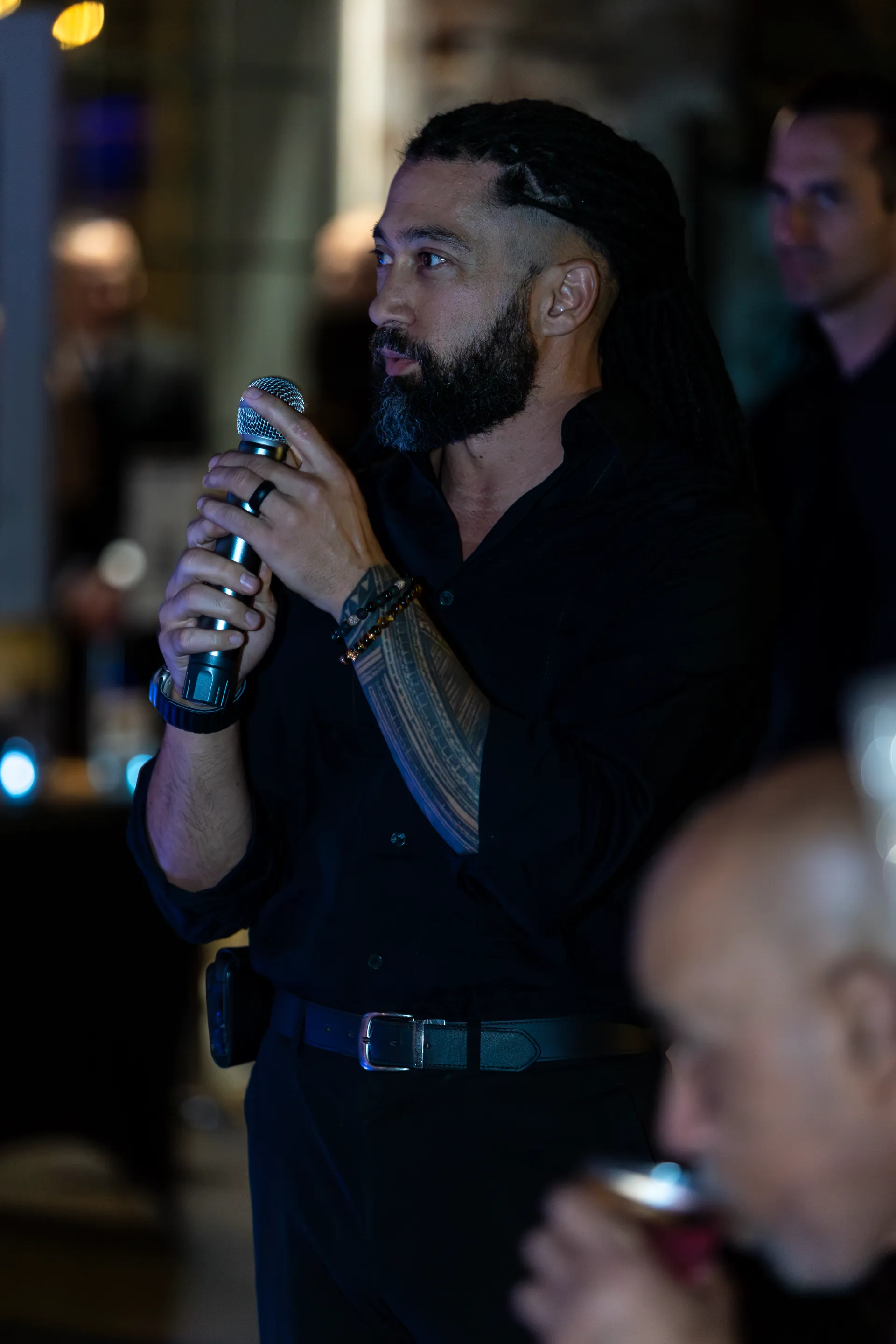
Beatz Hire's number is worth sitting with: the wrong mic choice causes half of corporate AV issues. A lavalier rubbing against a lapel, a handheld passed between six speakers with no plan for it, a wireless unit cutting out because nobody checked the room for interference. None of that is exotic. It's a choice made too late, usually the week of the event instead of the week the run of show was built.
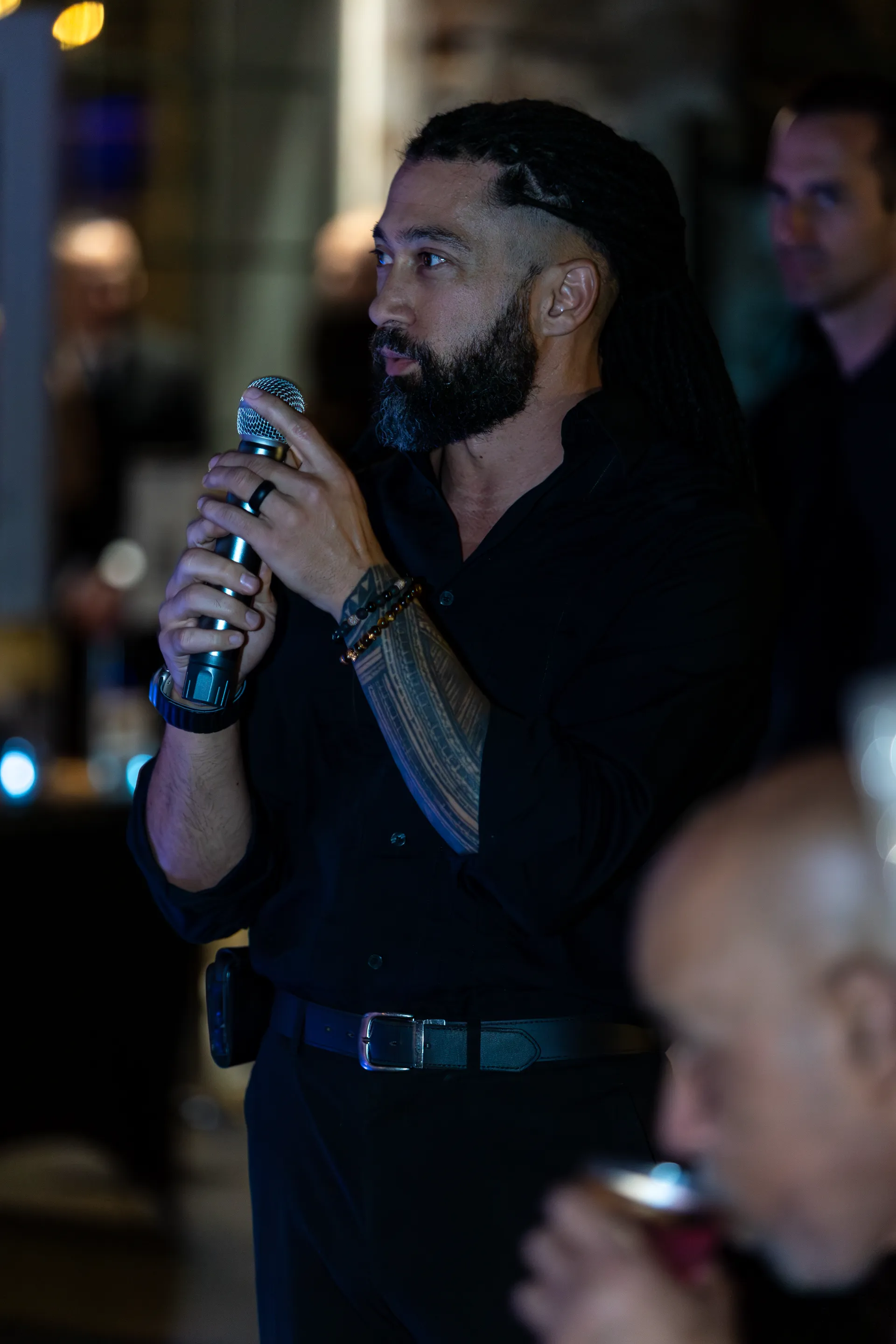
Elite Multimedia frames it as matching the mic to the moment: a wireless handheld for a Q&A session, a lapel mic for a keynote speaker who needs both hands free & room to move. The mic isn't one item on the list. It's a decision made separately for every segment of the night.
Lighting & screens: the part that decides who checks out
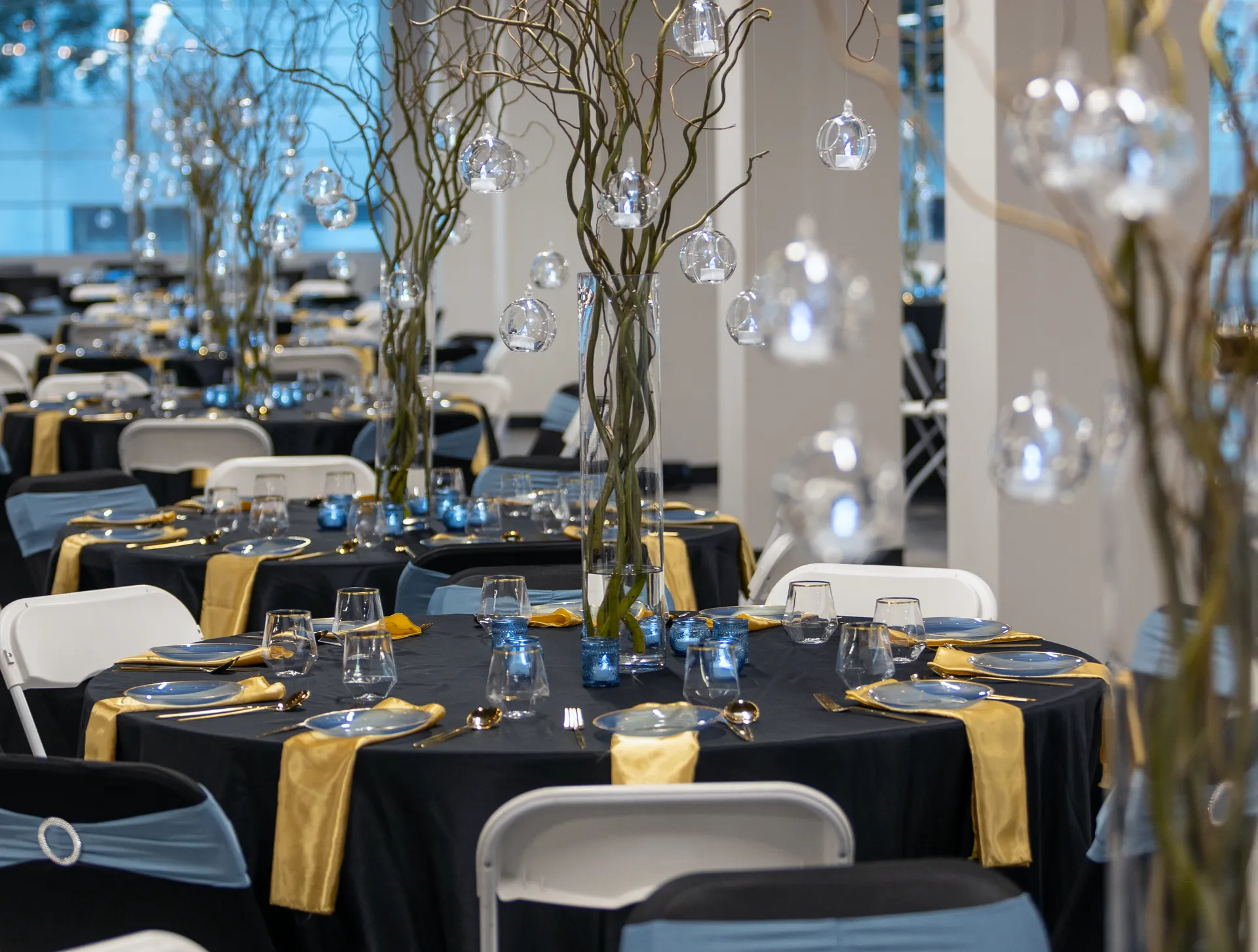
"If people can't see the slides, they mentally check out," Beatz Hire writes. The same rule runs the other direction for lighting. Corporate lighting isn't there for effects. It's there so a presenter's face reads clearly on camera & from row twenty, with no harsh shadow cutting across the one moment that matters. For larger rooms, Elite Multimedia points to LED walls as the format that stays readable even under bright venue lighting, which a projected screen often can't match.
-1920w.jpg)
How much lead time AV production actually needs
Spectrum Sound puts real numbers on it: a standard corporate event books AV four to eight weeks out & a large-scale production with a custom lighting rig or an LED wall needs three to six months. SVL Productions lands in the same range, recommending AV booked four to six weeks ahead with the final checklist locked one to two weeks before doors. This is the kind of decision we walk through in event strategy & design before a single mic gets ordered, because the lead time decision & the budget decision are really the same decision made twice.
Beatz Hire's line on this is the one worth remembering: if guests arrive at 9:00, you don't start building at 8:30. Setup, a site visit to check power & echo-heavy corners & a real soundcheck each need to happen while the room is still empty, not while the first guests are finding their seats.
The rehearsal that isn't optional
Vario Productions calls rehearsal one of the most effective ways to reduce risk before show day. The reason is simple: a mic check is not a soundcheck. A real soundcheck tests the room at the volume the event will actually run, from the seat furthest from the stage, not from the sound board six feet away.
SVL Productions adds the backup layer: extra microphones, spare cables & an alternate playback path turn a potential issue into a non-event instead of a story that follows the planner into next year's review. Plan the failure before the room can feel it.
Where entertainment fits into the AV plan
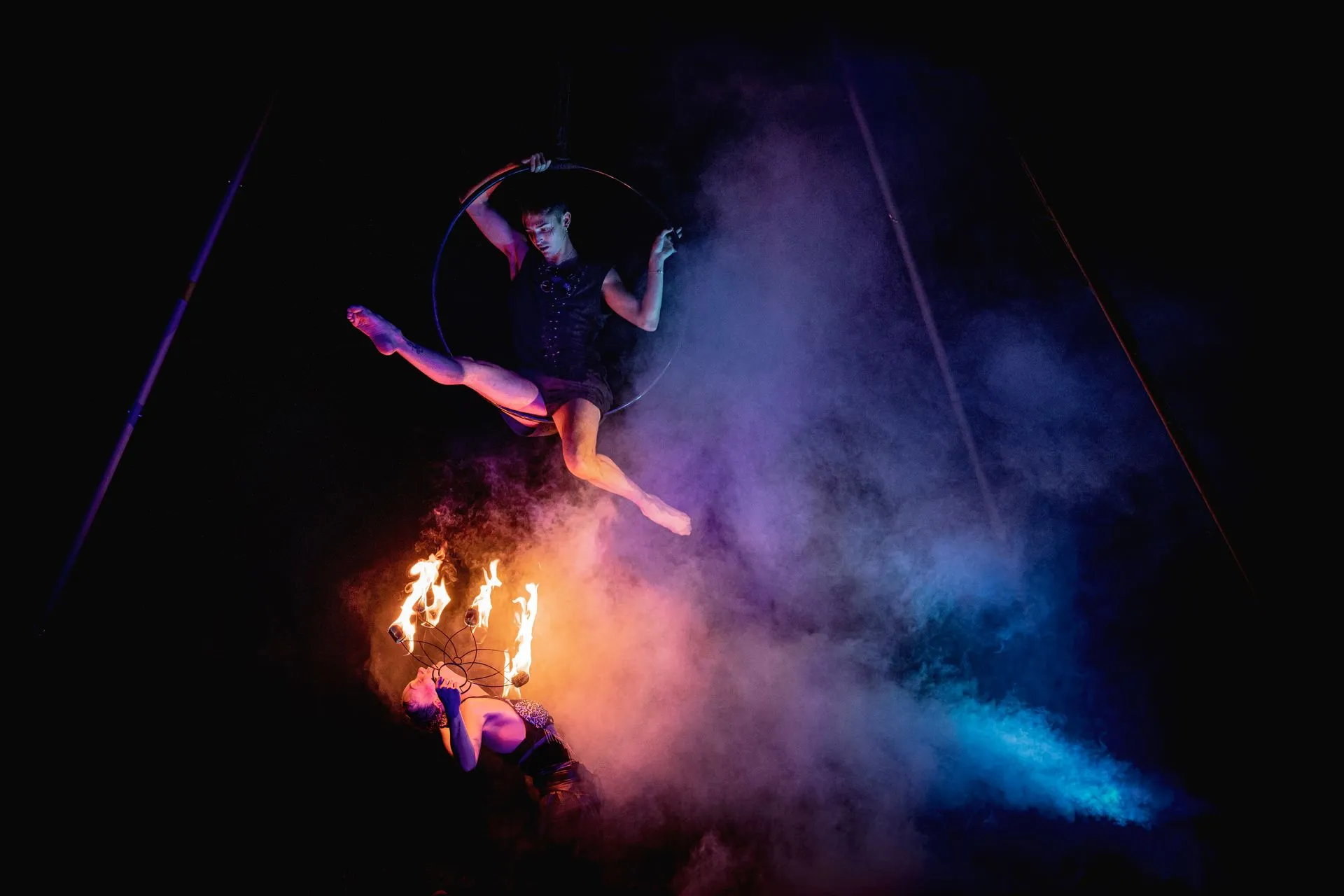
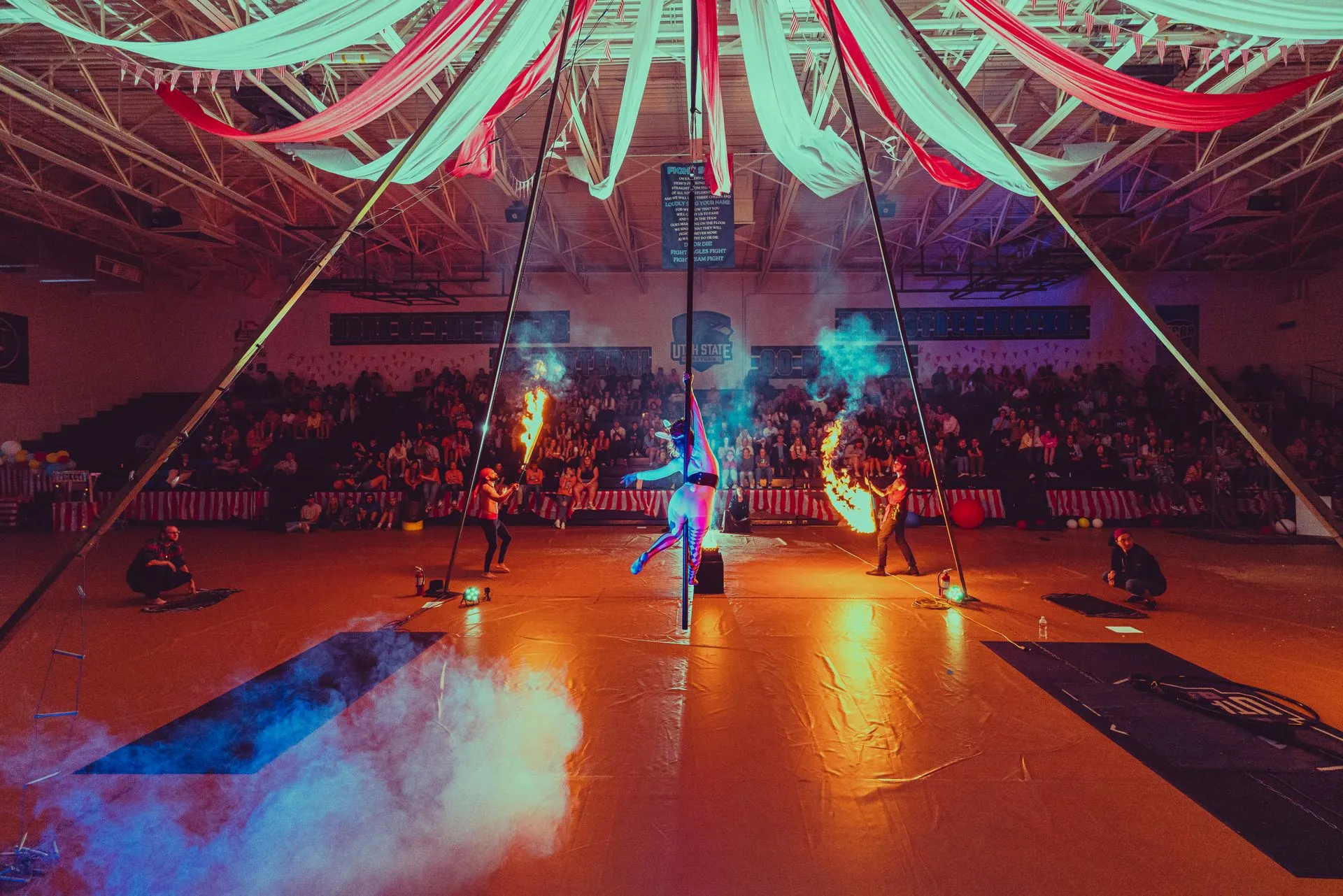
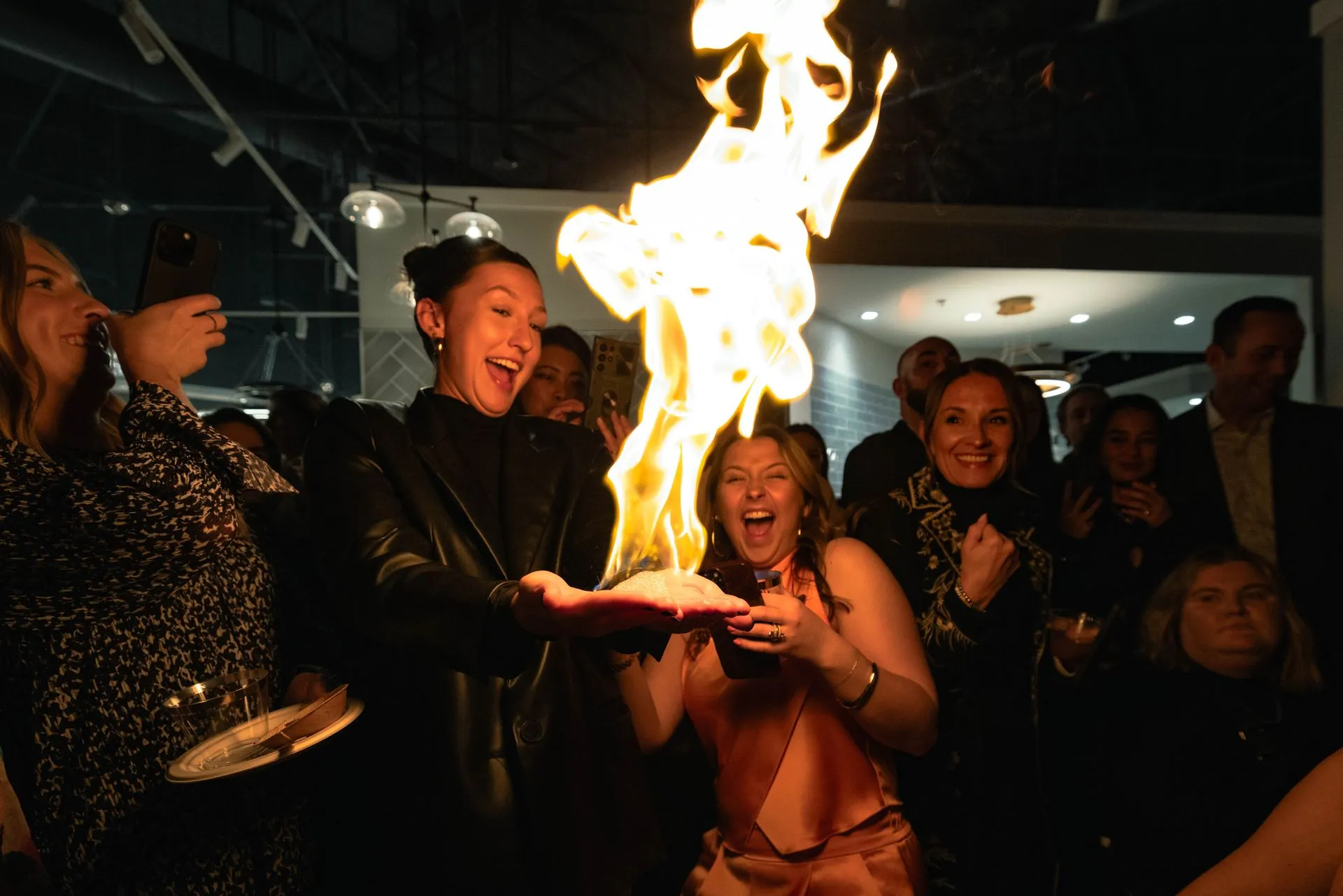
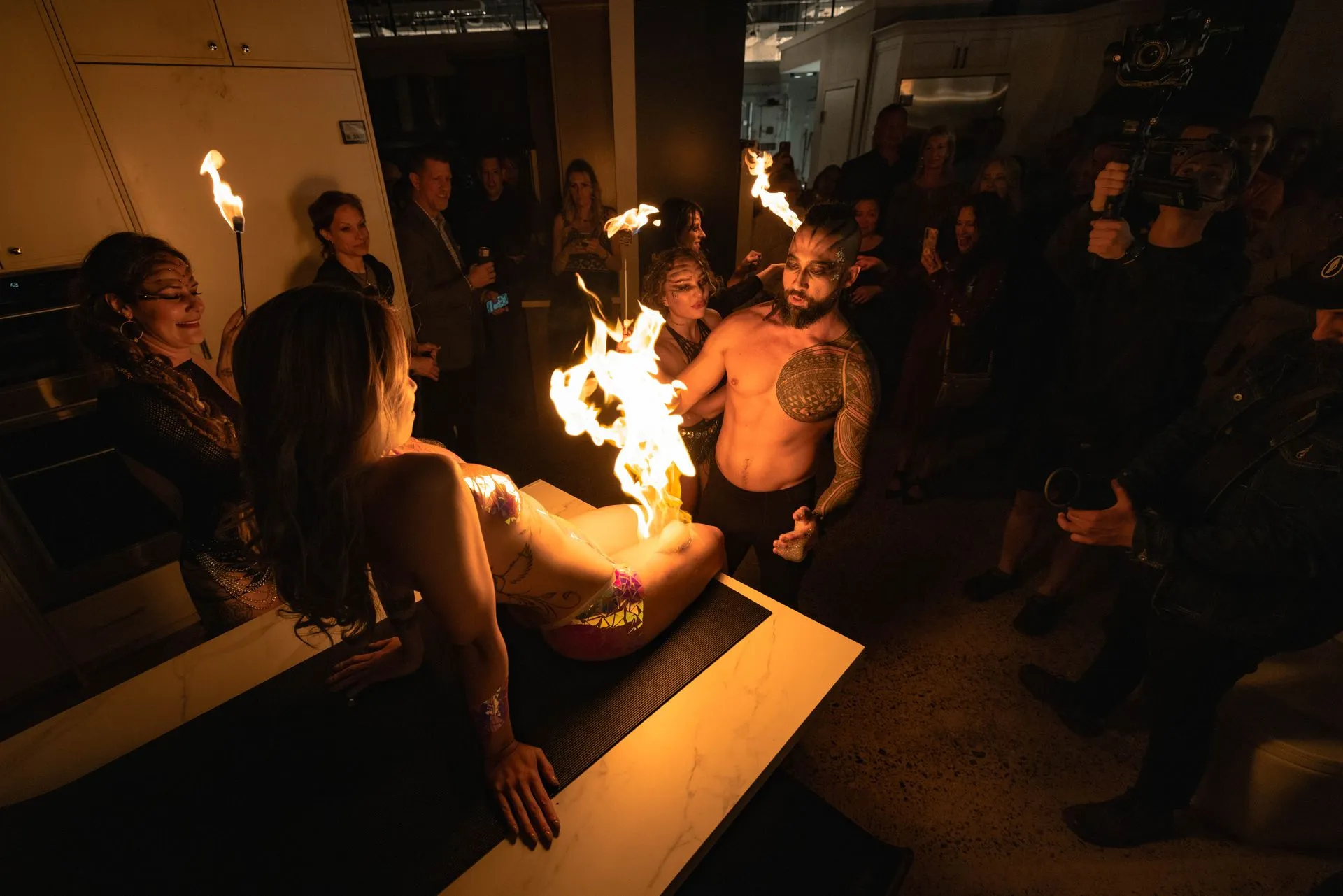
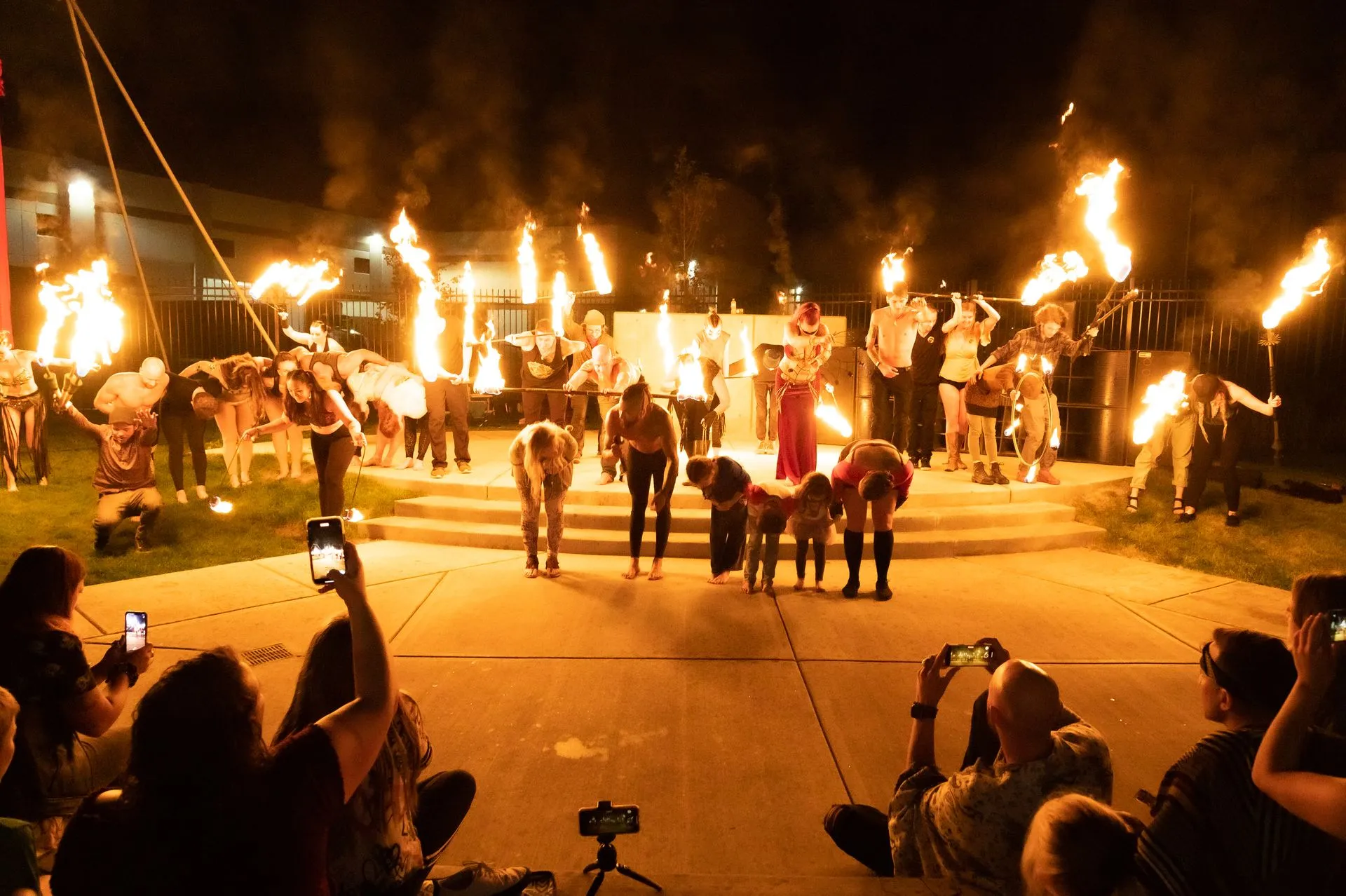
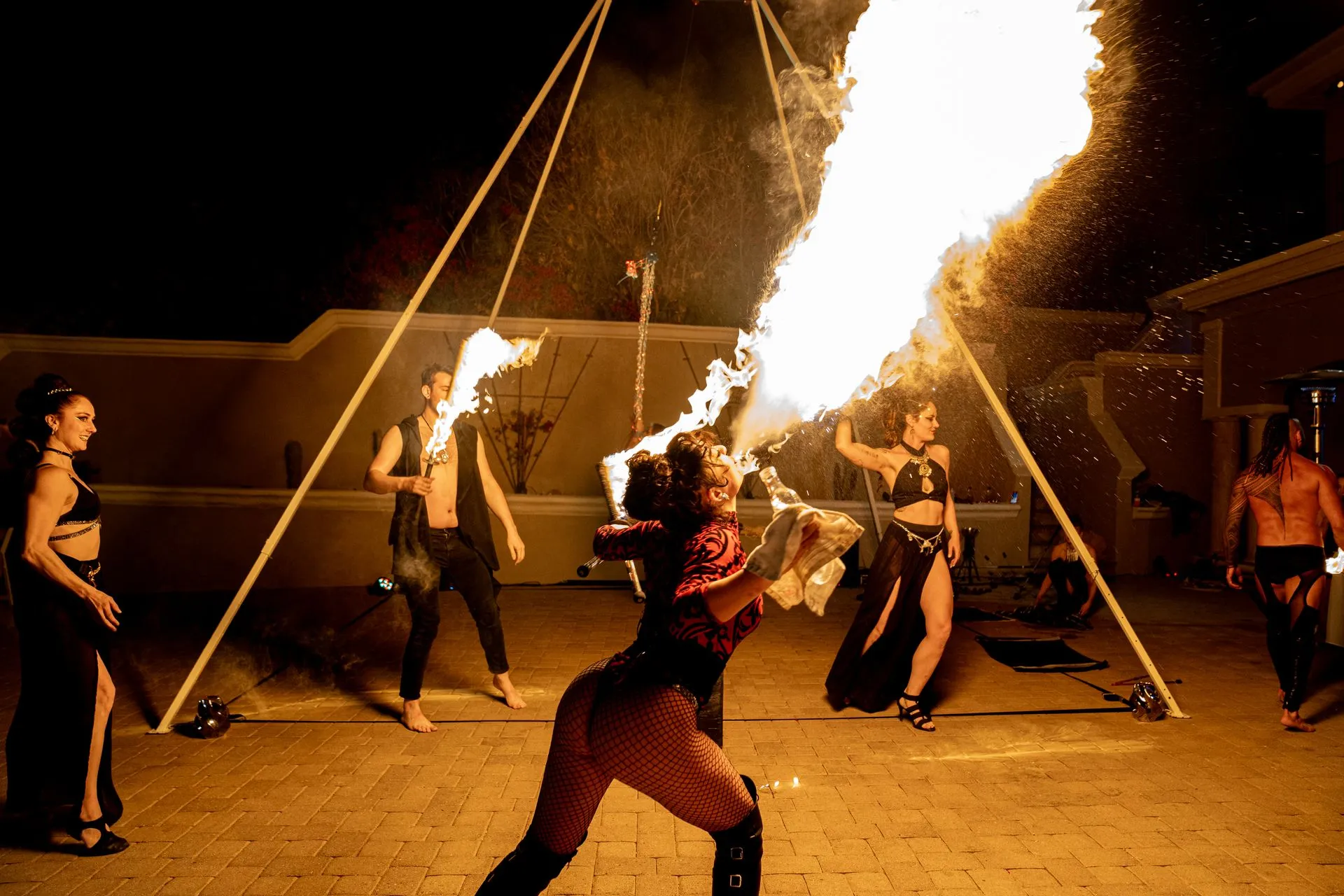
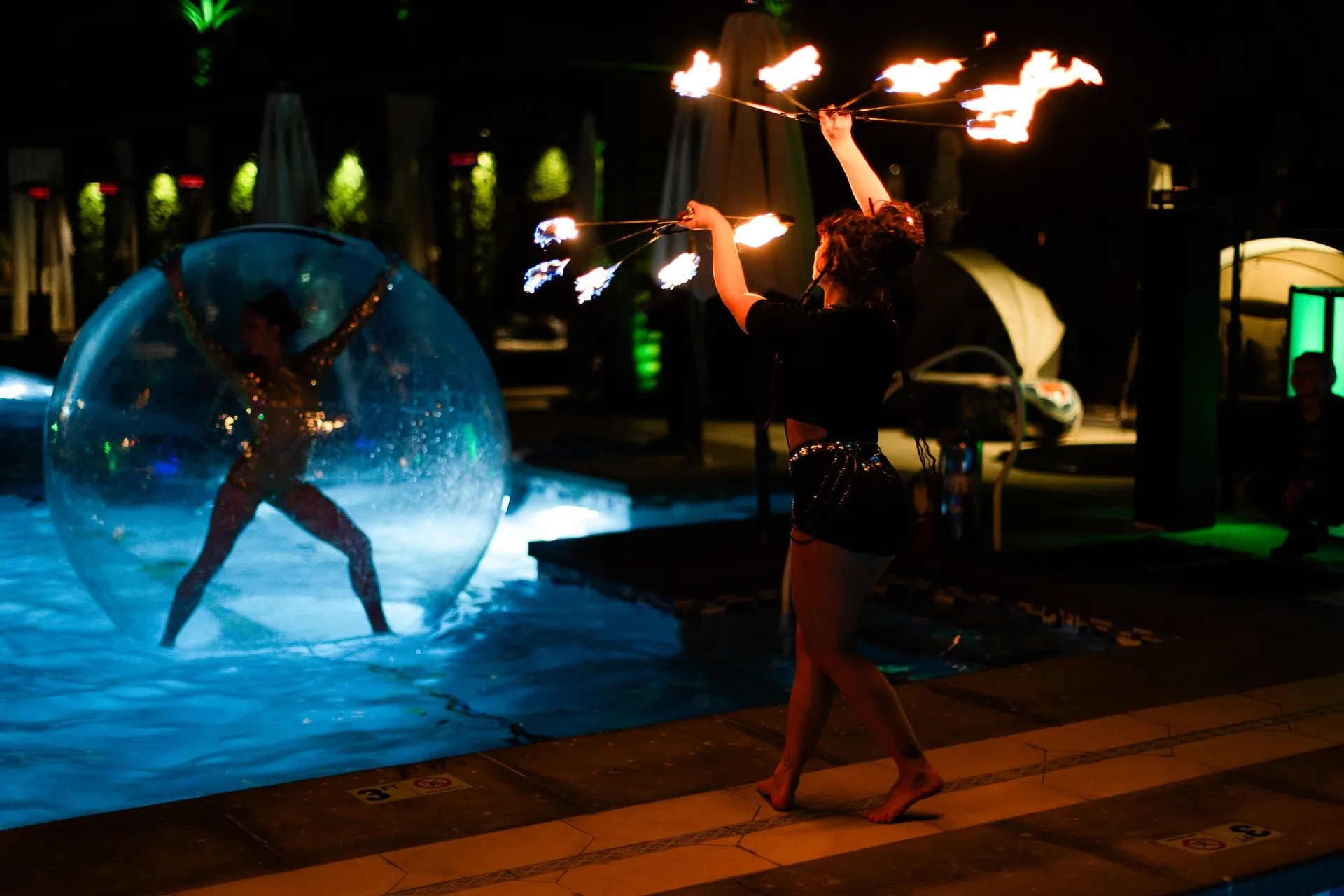
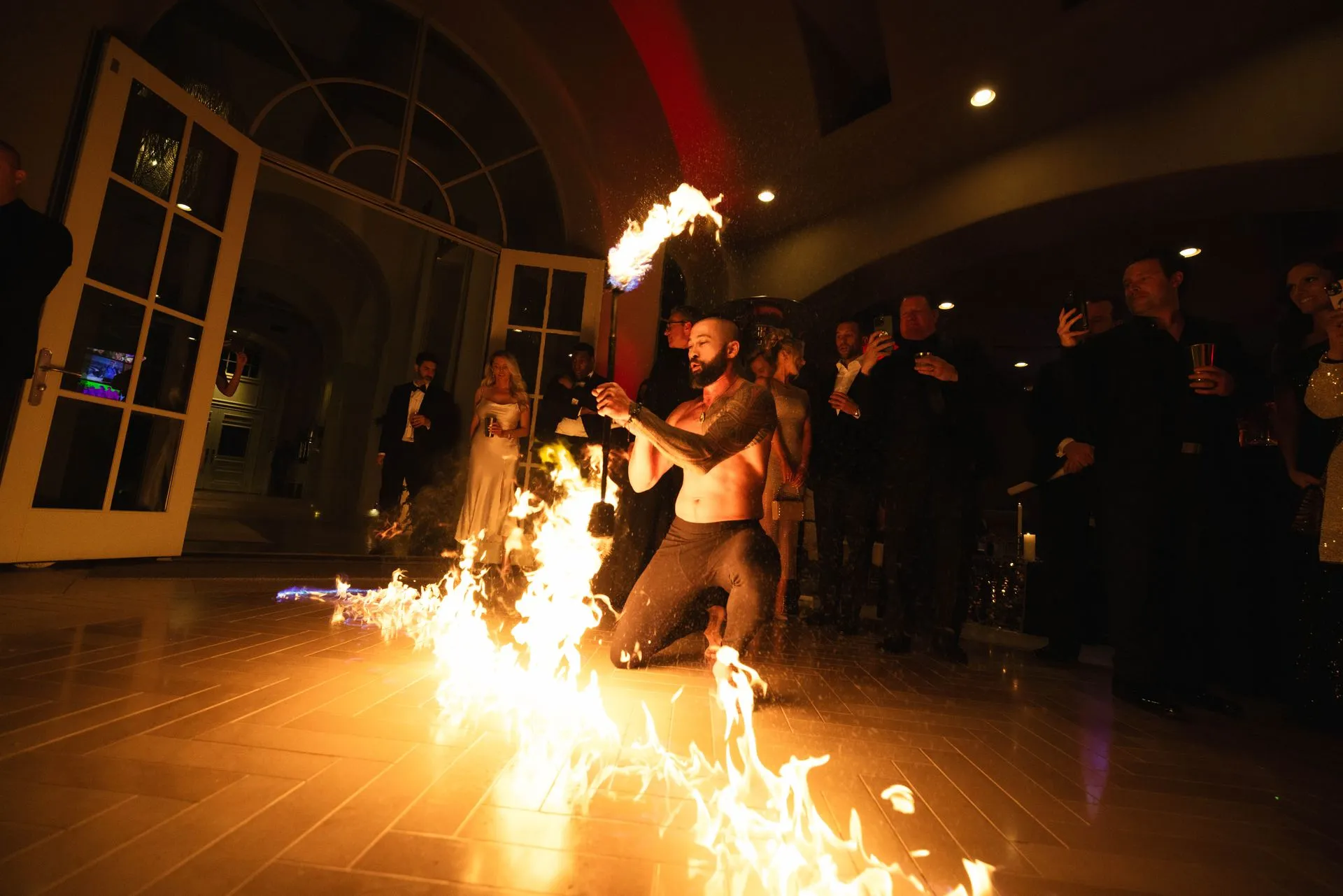
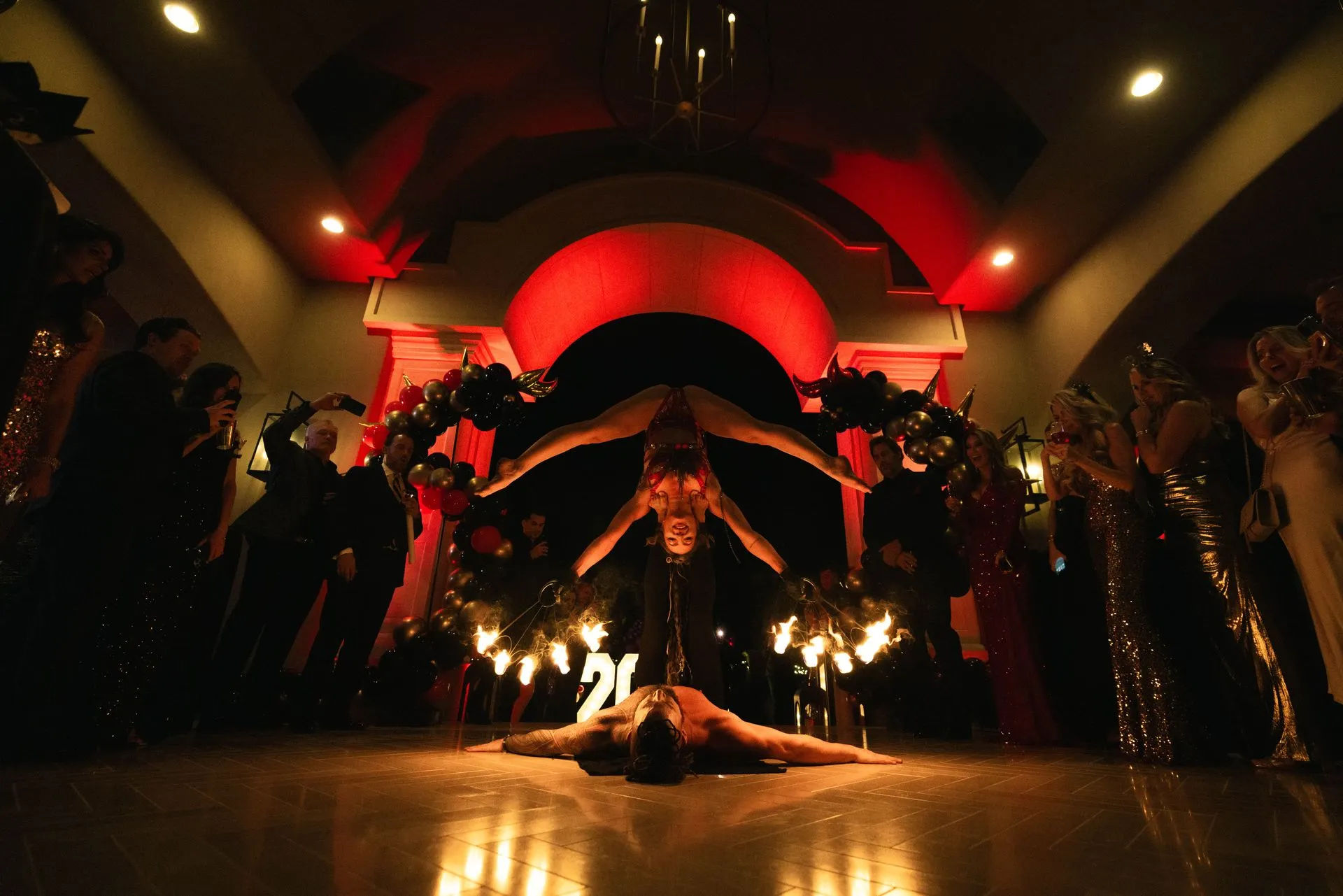
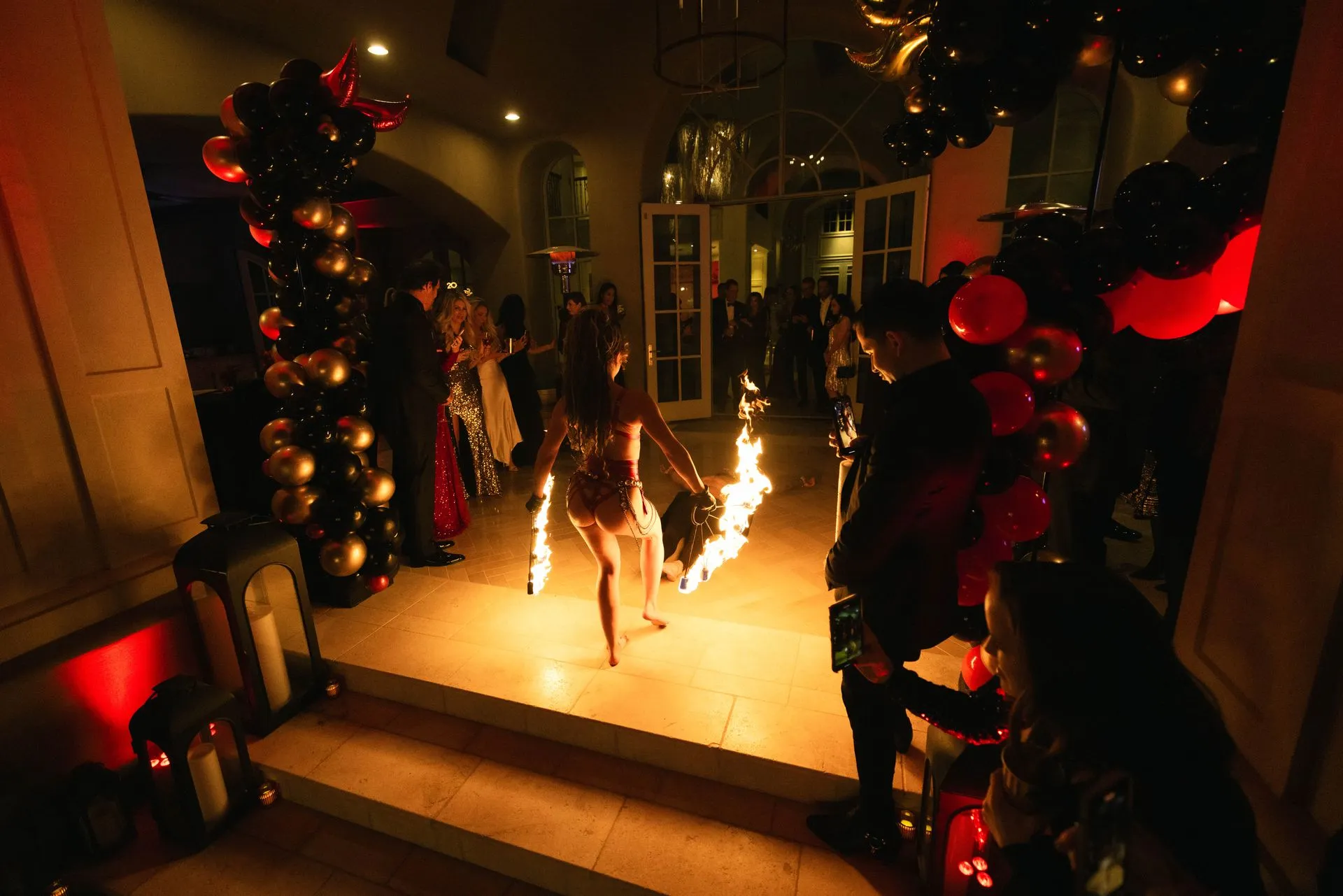
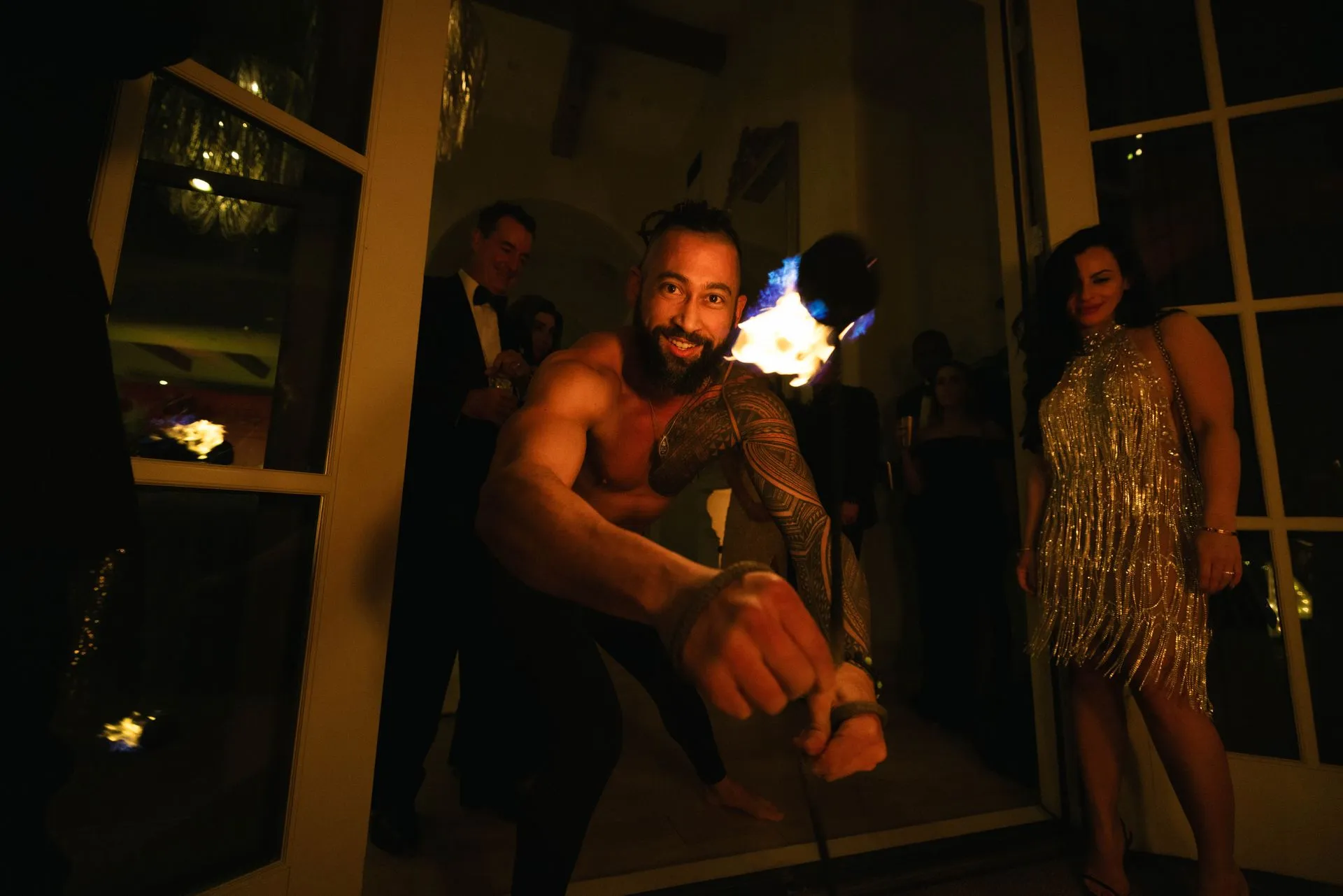
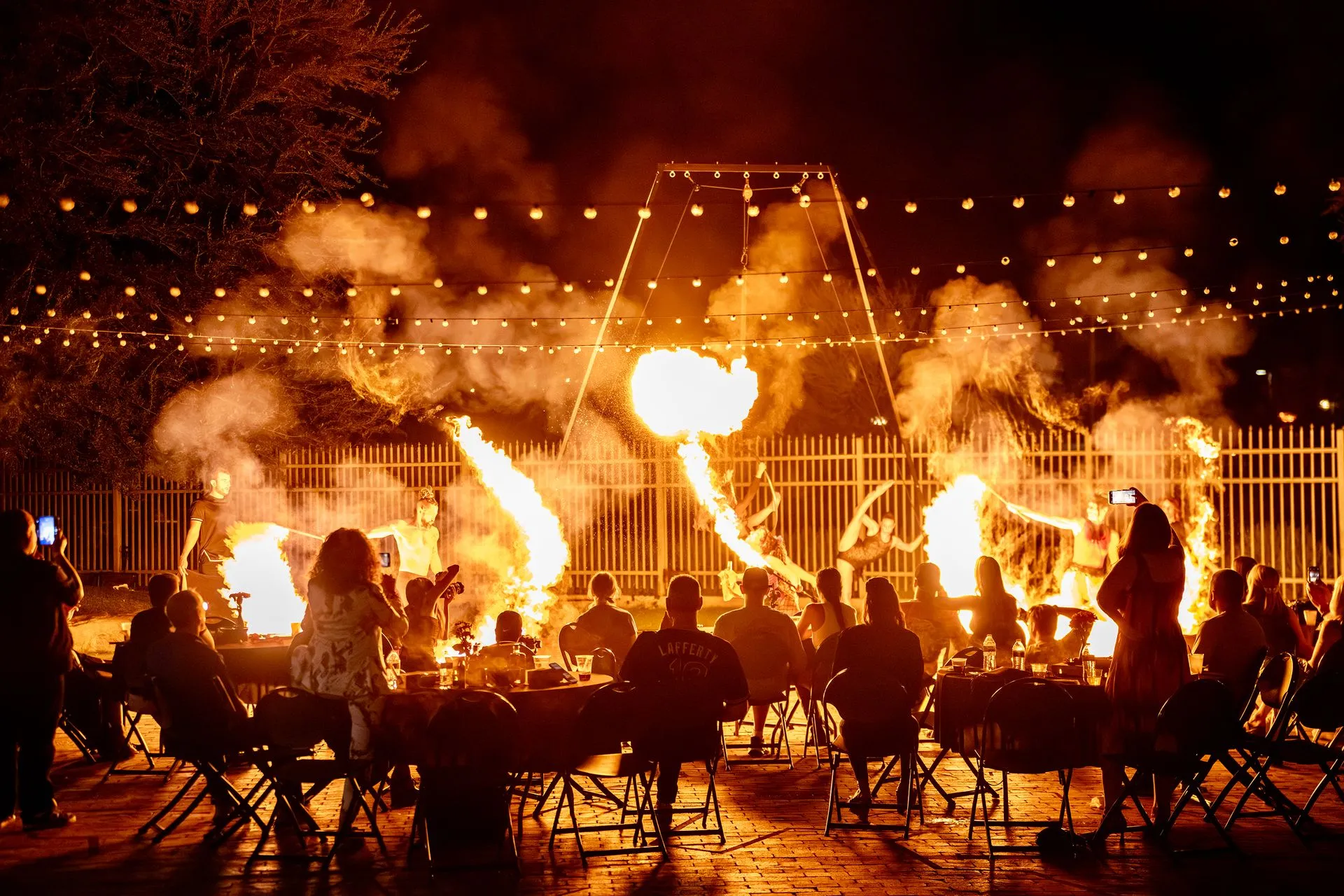
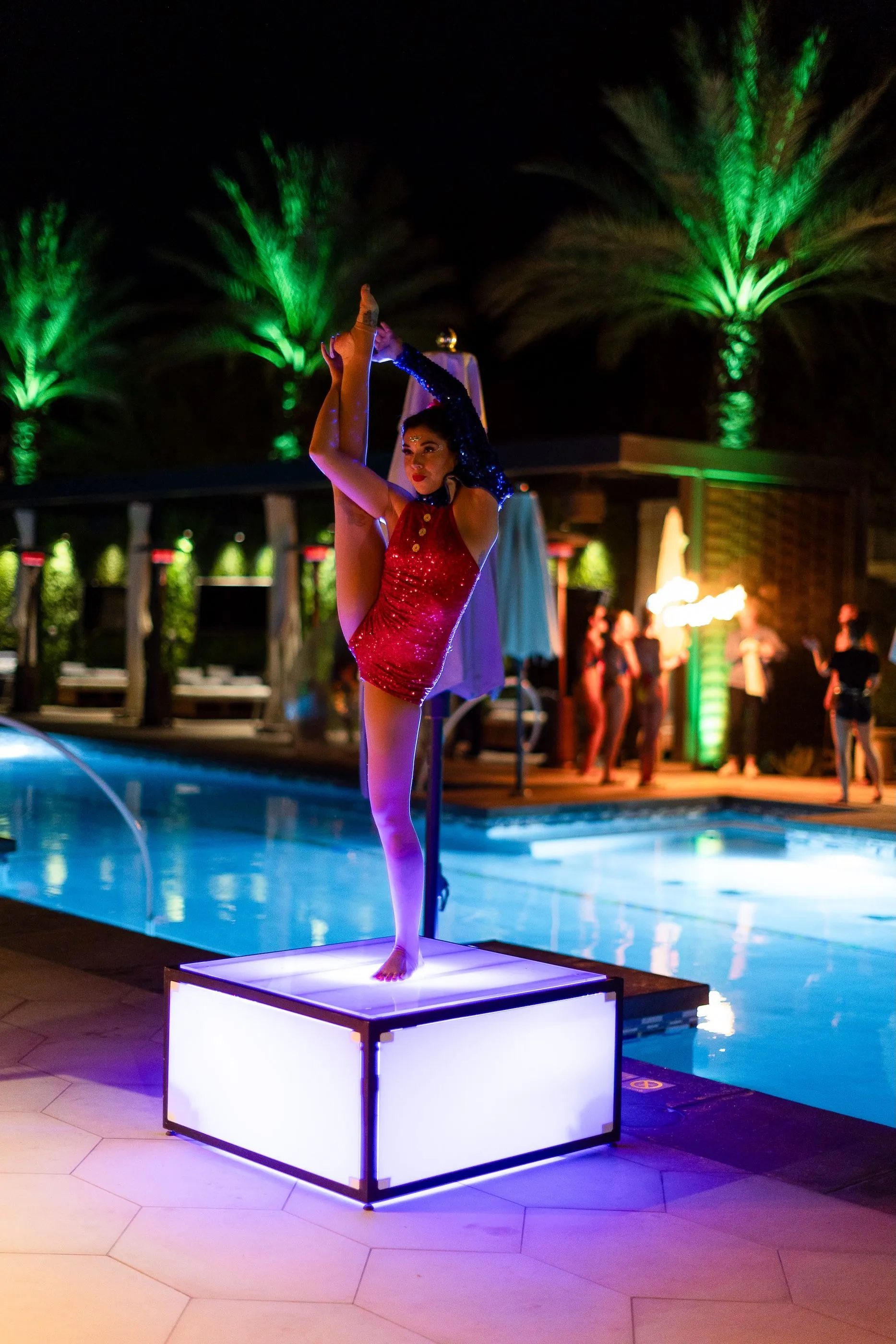
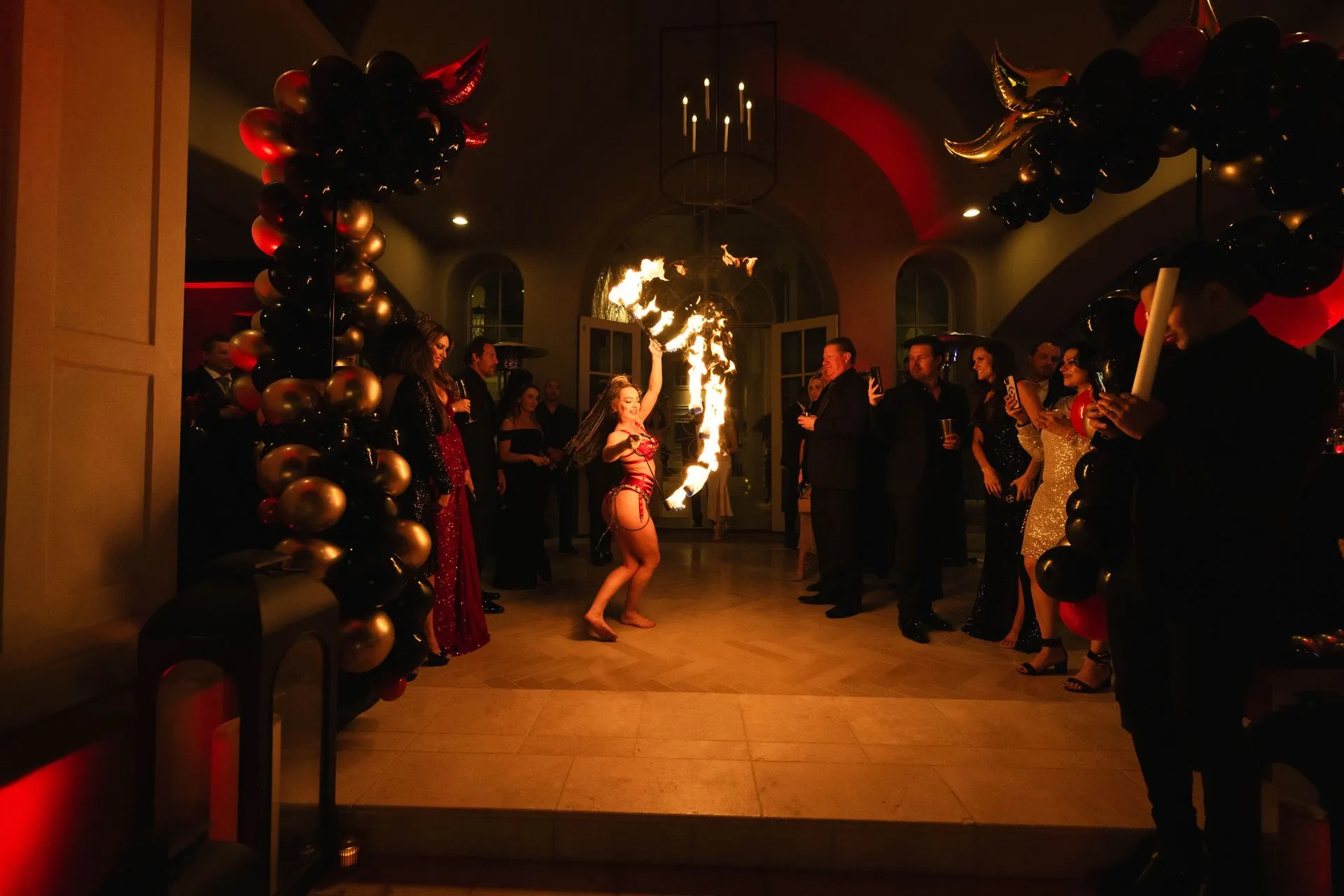
This is also where entertainment lives inside the plan, not off to the side of it. A fire feature needs its own lighting cue built in advance. A live band needs its own mix, not whatever the house system defaults to. When AV & production is run by a different vendor than the one running entertainment, the gap between them is exactly the dead beat we cover in how to build a run of show: a transition nobody scripted, because nobody owned both sides of it. When one team runs both, that gap was never two systems to begin with.
AV checklist FAQs
What's the difference between renting AV equipment and hiring AV production?
Renting gets you gear on a truck. Someone still has to test it against the actual room, run it live & fix it the moment something drifts. AV production means a team owns sound, lighting & video as one system instead of a pile of equipment nobody is responsible for once it's plugged in.
How far in advance should we book AV for a corporate event?
Four to eight weeks out for a standard event, three to six months for a large-scale production with a custom rig or an LED wall. The site visit & the rehearsal both need to happen before that window closes, not inside it.
What happens if something breaks during the event?
A real AV plan already assumes it will. That means backup microphones, spare cables & a second playback path on hand, plus a technician in the room who can swap the failing piece without the audience noticing. The break only becomes a story if nobody planned for it.
Do we still need our own AV company if the venue already has AV built in?
Usually yes. House AV is built for the room in general, not your event specifically & the technician running it doesn't know your speakers, your cues, or your run of show. Bringing your own AV team in means the person holding the board already knows the plan.
If you'd rather hand the AV plan to a team that already knows where it breaks, that's the job. Tell us about your event & we'll walk you through exactly what we'd run: start the conversation here.
New posts, straight to your inbox.
Real lessons from real corporate events, no filler.





-1920w.jpg)