How Much Decor Does a Corporate Event Actually Need?
Picture a planner walking her ballroom two weeks before the company gala, unable to tell whether the room feels intentional or just unfinished. Behind "how much decor do we need" sits a different question: is every piece in the room doing something? Square footage has little to do with it.
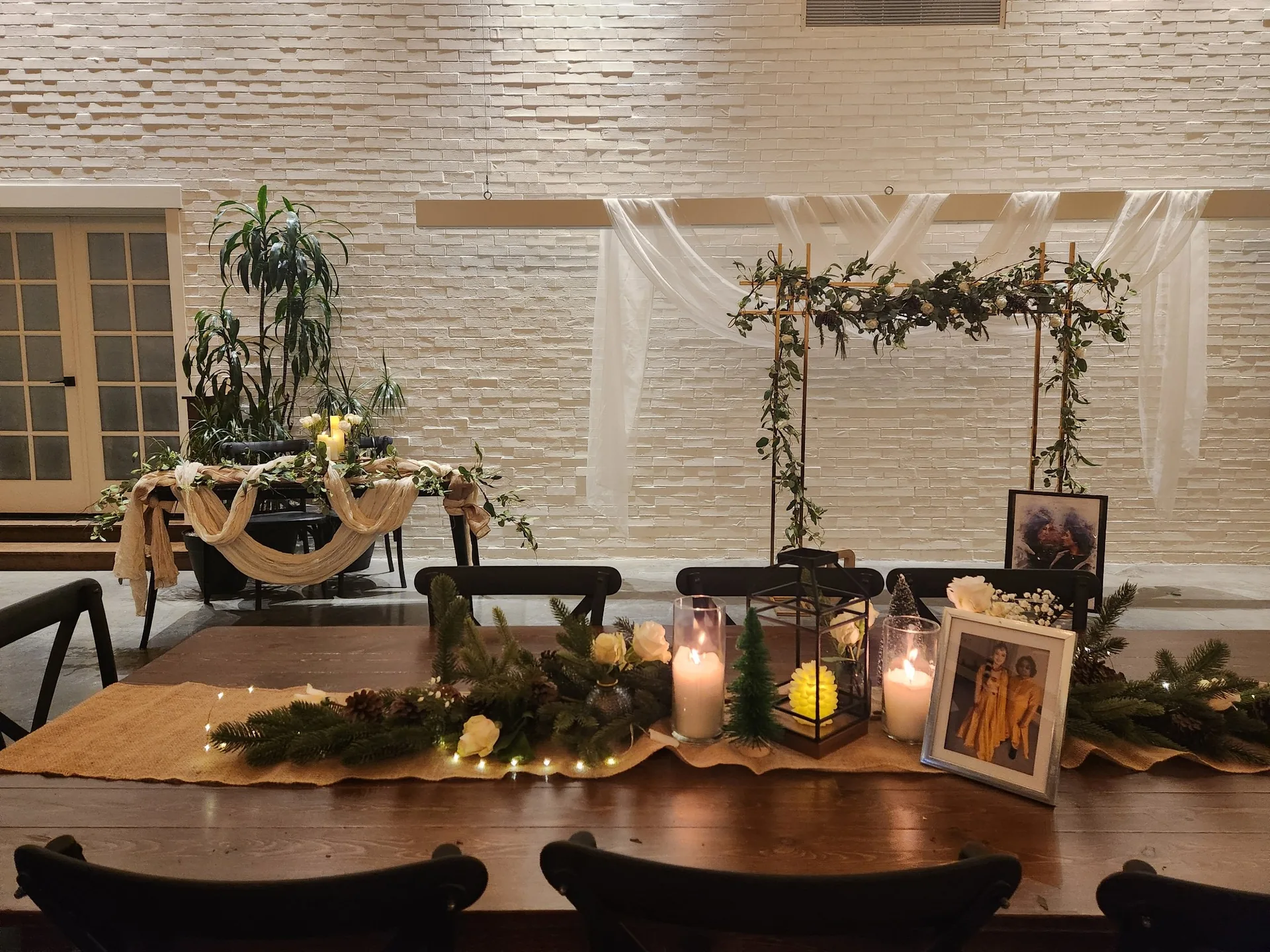
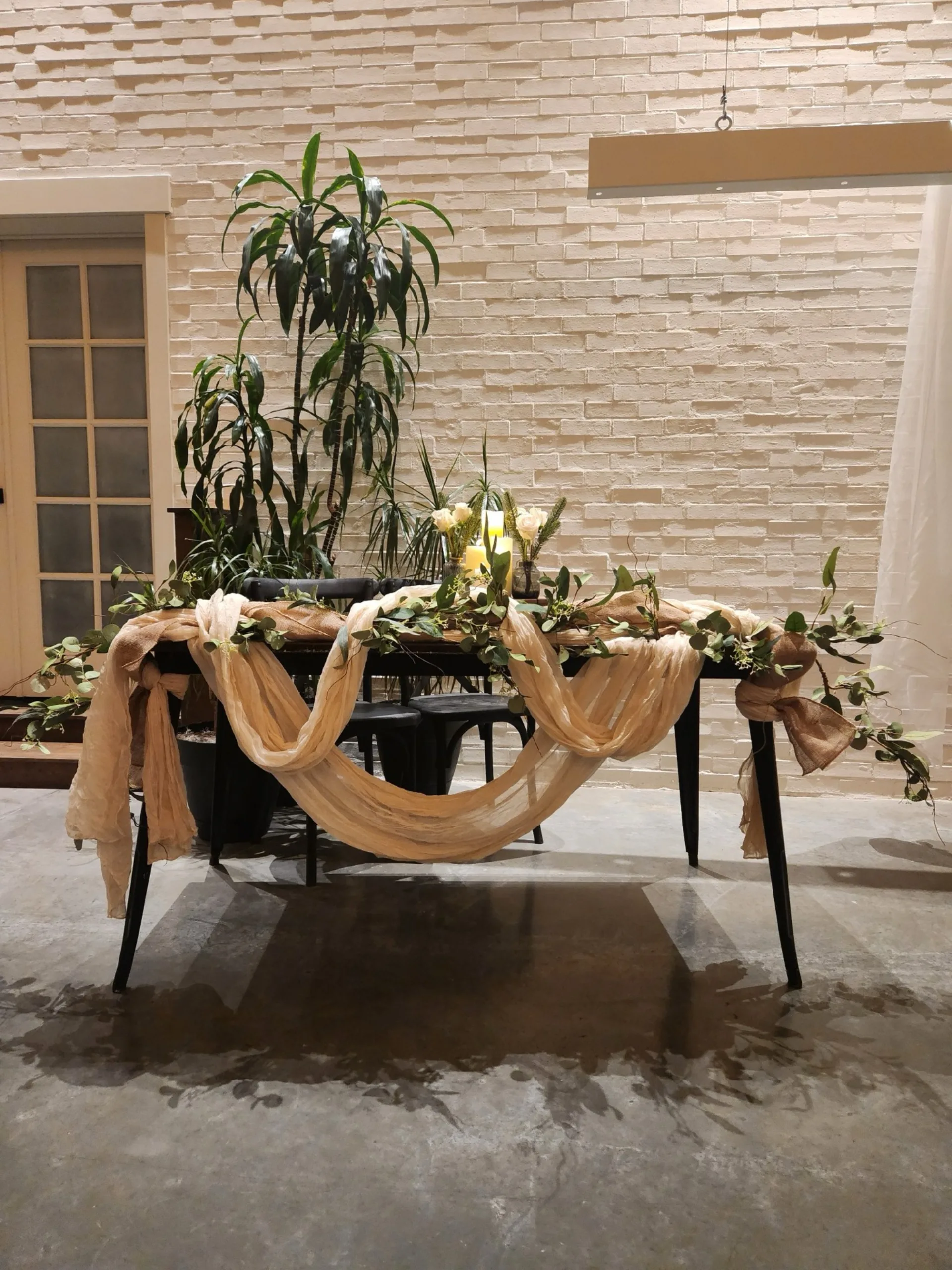
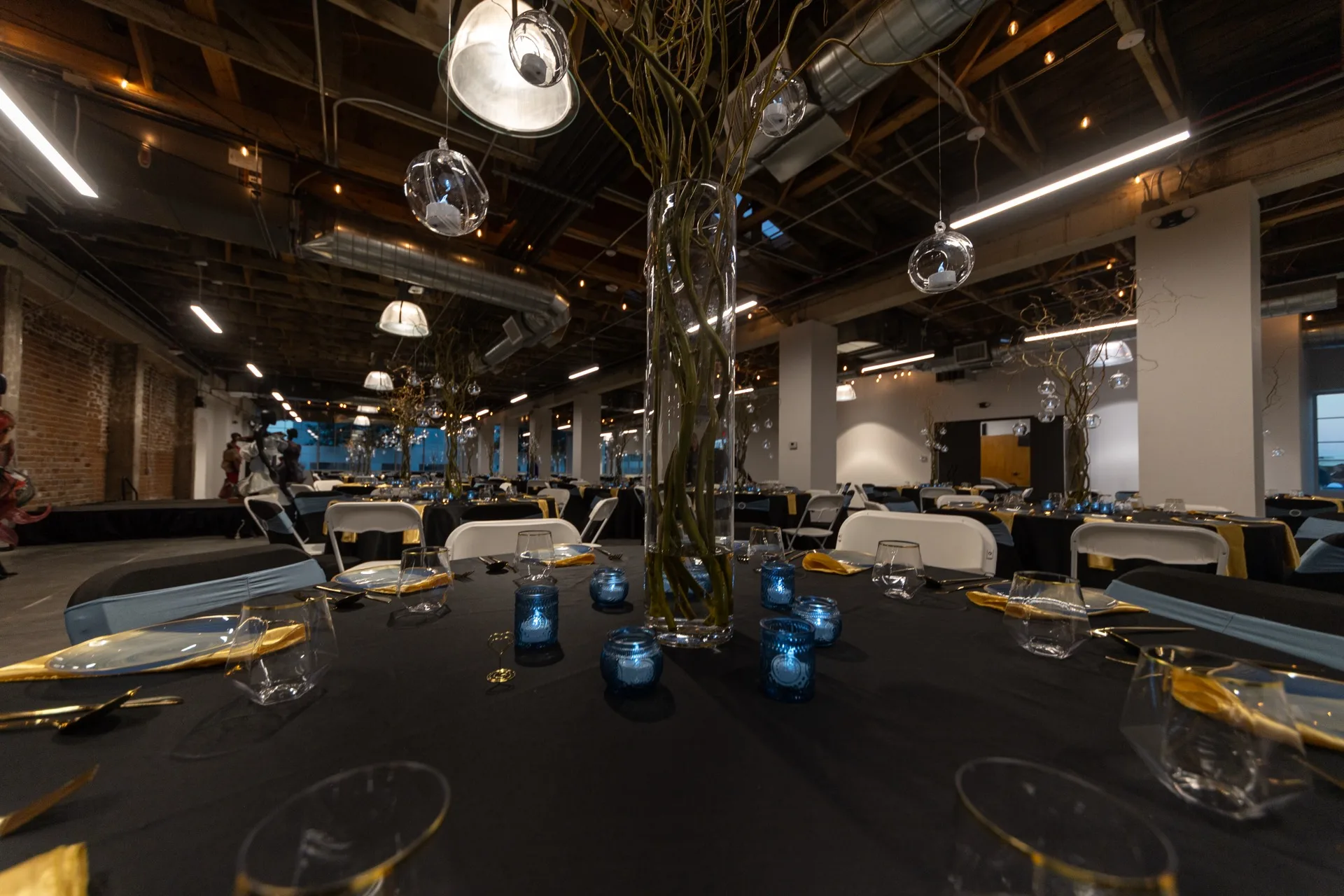
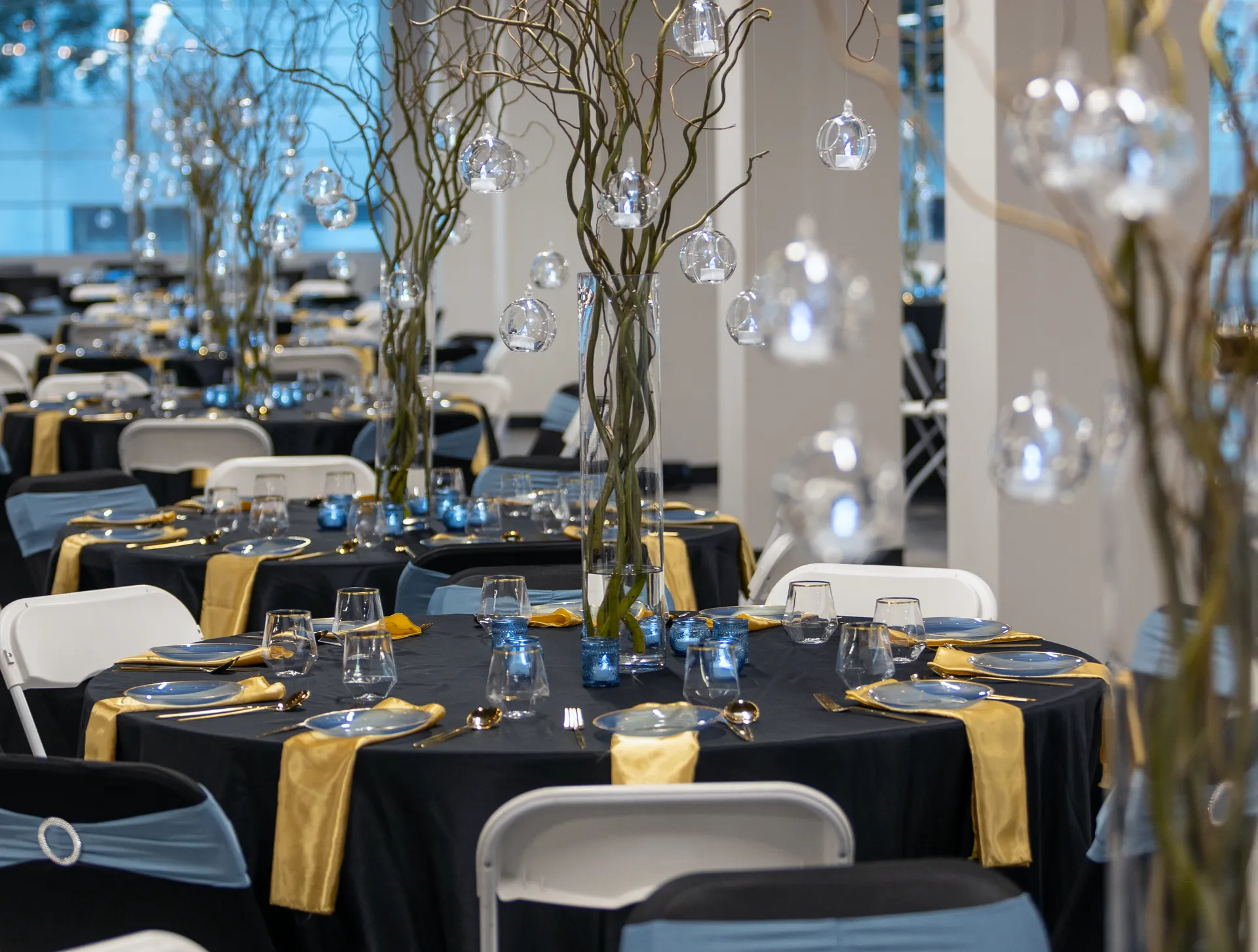
The short version: a corporate event needs one true statement piece the room gets built around, enough supporting layers to carry that piece through the space (lighting, a focused color palette, maybe a structural moment at the entrance), and real negative space around all of it. Coverage isn't the goal. A room can be fully decorated and still read as empty if nothing in it earns a second look. A room with three deliberate choices can read as finished.
We've written before about where the decor budget should actually go and how brand identity shows up in a room. Neither covers the question underneath both, which is how much decor a room actually needs.
Where the industry actually disagrees right now
Ask two event designers this question in 2026 and you'll get two different answers, and both of them are right for different rooms.
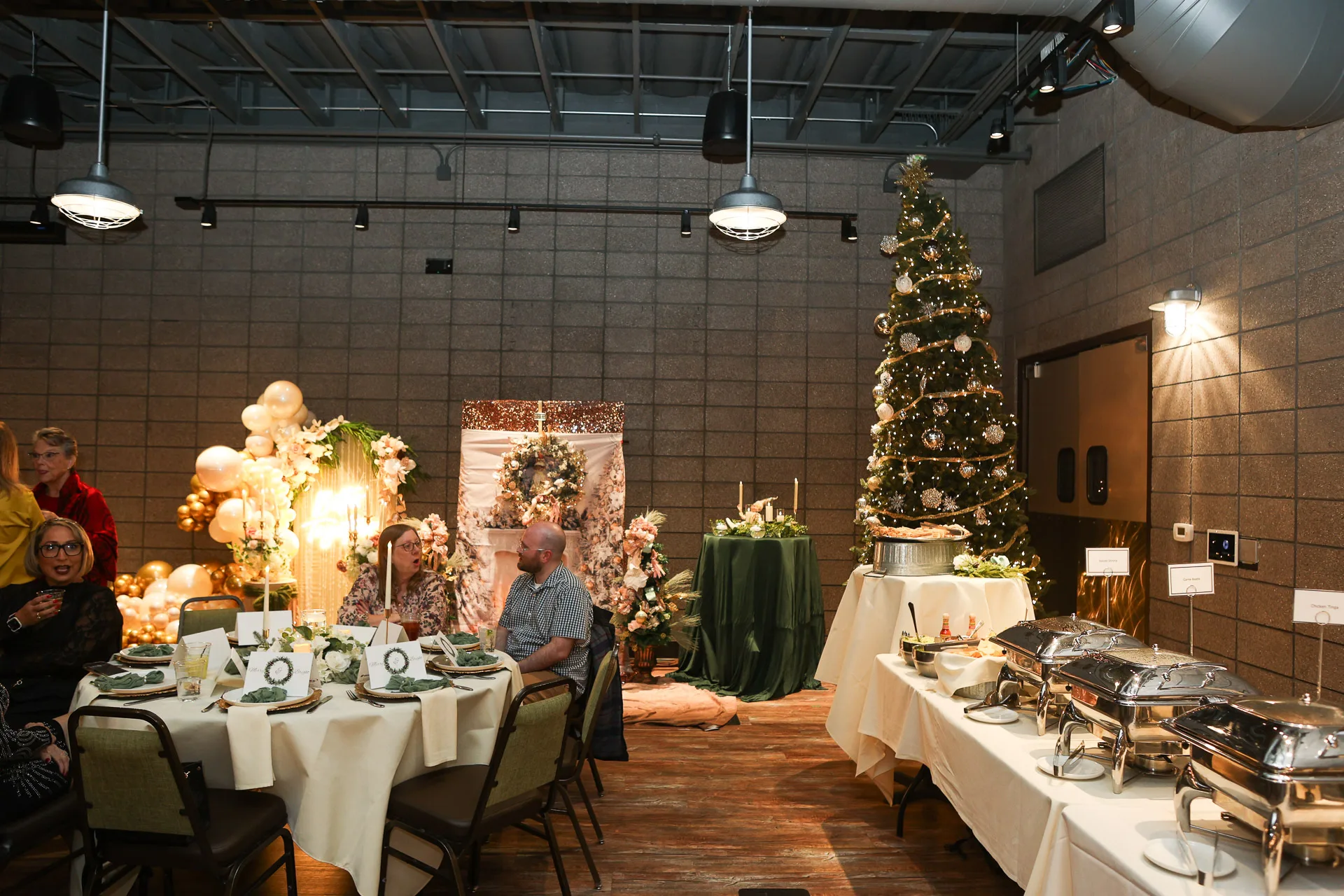
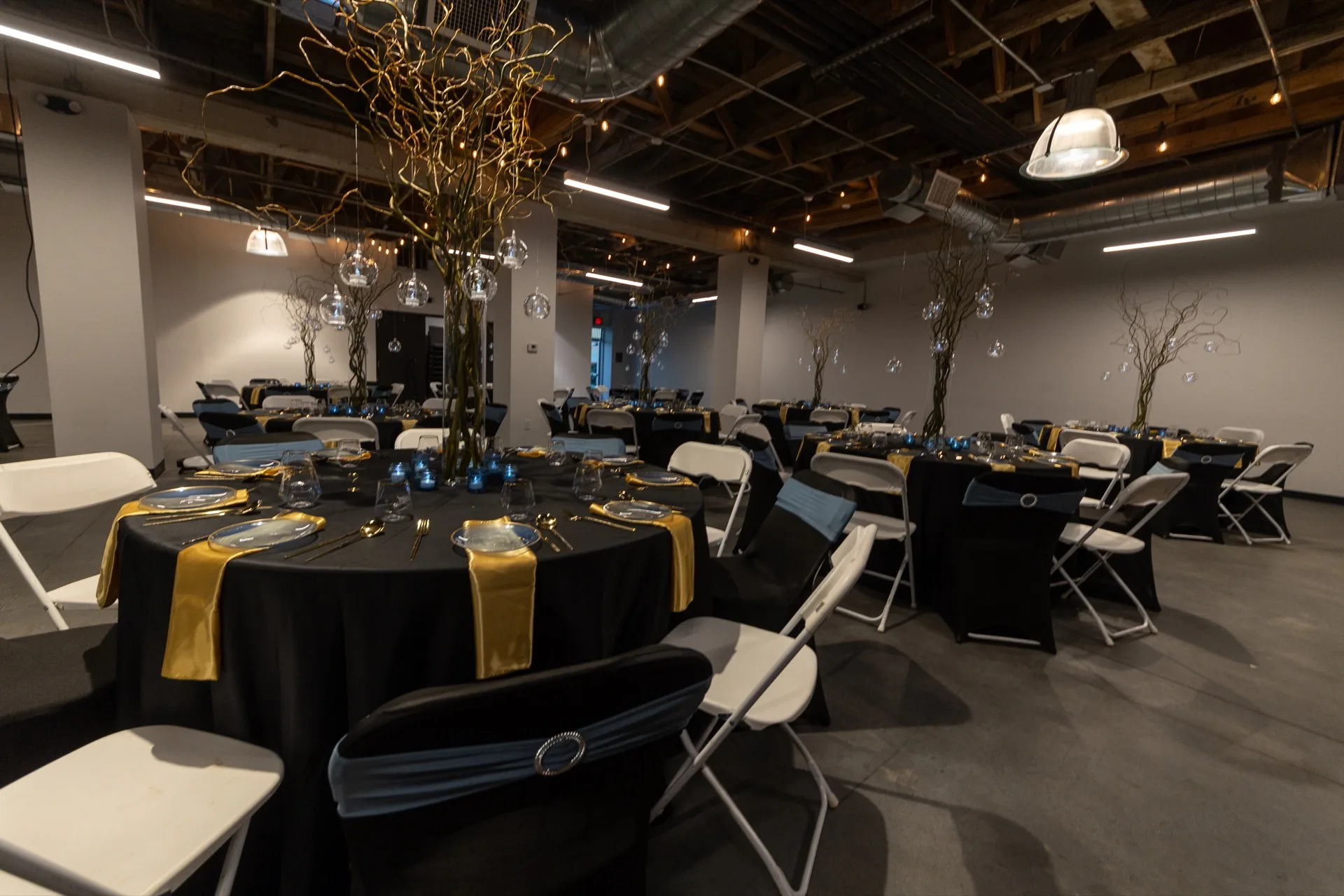
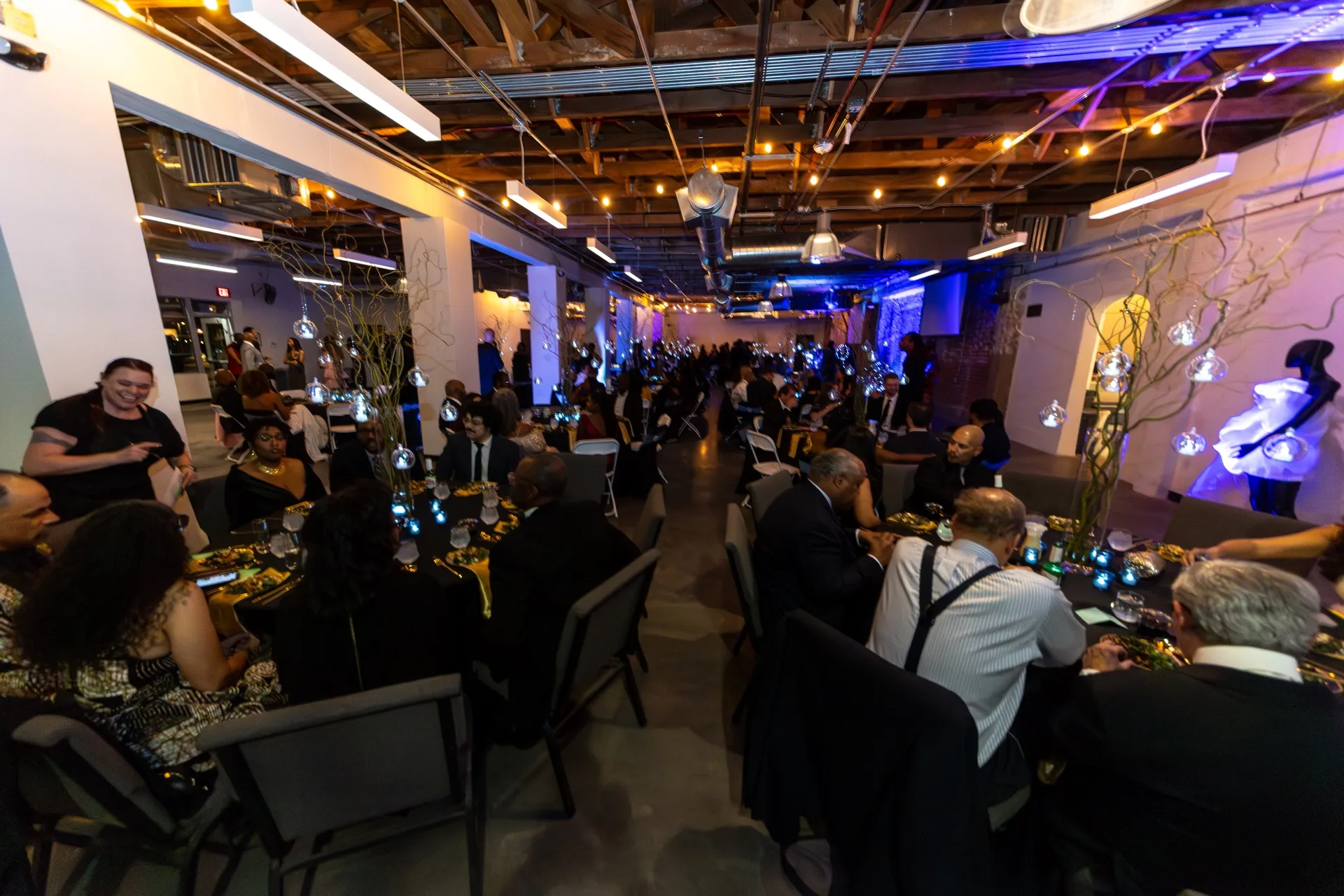
One camp is leaning into full room transformations: tall, sculptural centerpieces, coordinated draping, floral-heavy arrangements that turn the whole space into a designed environment (Event Central, 2026 Event Décor Trends). For a brand that wants the room to feel like an event, not a meeting with better chairs, that's a legitimate choice.
The other camp is pulling back on purpose. Even The Idea Hunter's 2026 corporate event design roundup, which leans toward richer color and texture, cites a survey where 68% of event designers said clients are asking for bolder, more confident color palettes. Its advice for conservative corporate brands still comes down to restraint: pick one or two trends and execute them well instead of trying to use all of them.
That advice is to choose less and commit harder. It describes the decision a corporate planner is actually making, with bare and busy as the two ends of it.
What actually earns a place in the room
The strongest guidance we've found on this comes from a design post by Hosts Global, an event design and production firm, on minimalist event design: "Every detail should serve a purpose," and sometimes the most powerful statement is the space you don't fill (Hosts Global, Minimalist Event Design). Their three working tools translate directly to a corporate ballroom:
A focused color palette, neutral tones plus a single accent color, instead of a room trying to do five things at once. Sculptural, clean-lined pieces in place of over-the-top centerpieces. Floor plans with actual room to move, so the eye has somewhere to land besides "everything at once."
A room built this way looks decided.
The question that matters more than a decor budget line
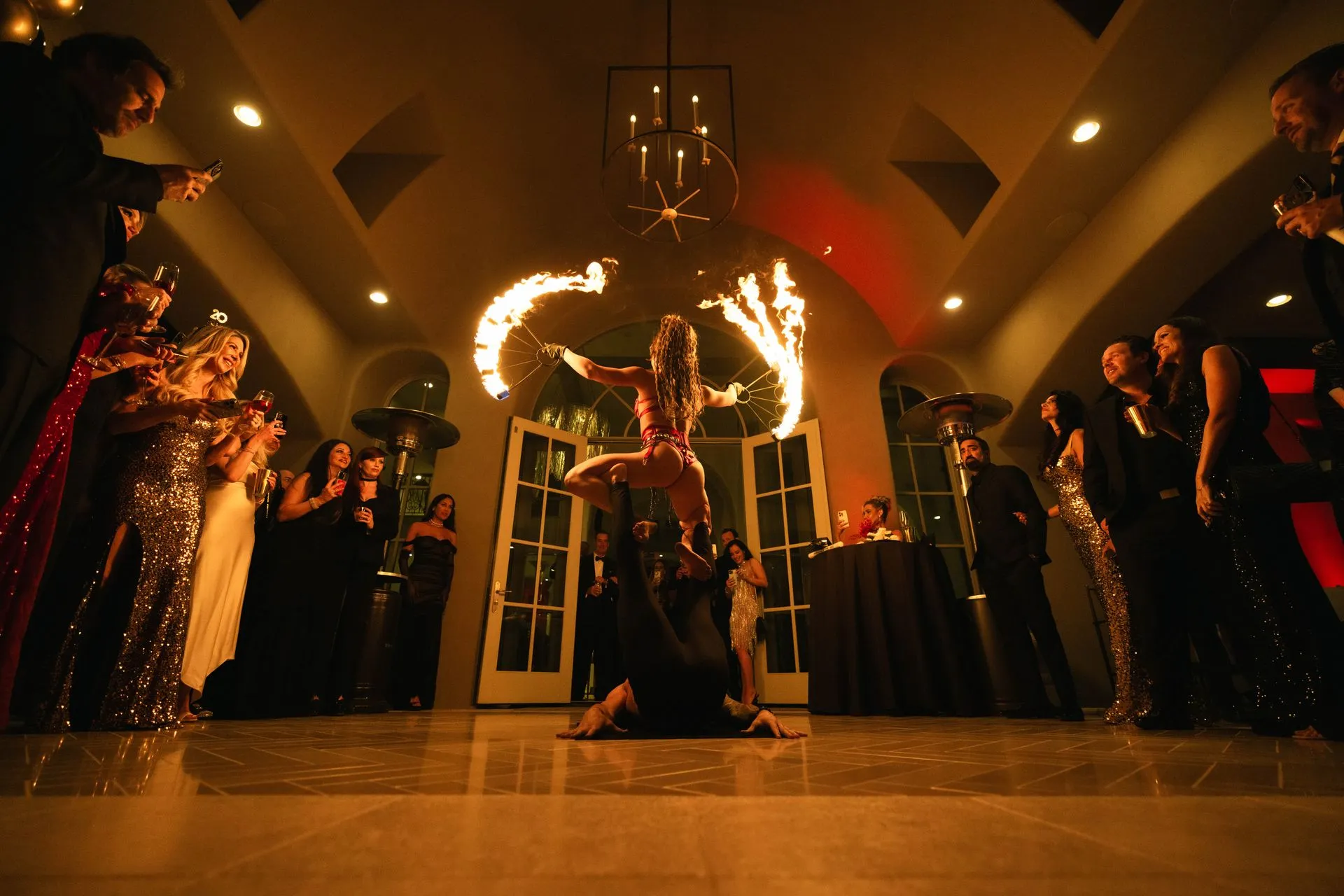
Before anyone picks fabric or floral, settle one thing: what a guest will remember seeing. Not describing, seeing. It might be the arrival moment, a single structural build behind the stage, or one color that shows up in the light, the linens, and nowhere else.
Once that's answered, the rest of the decor plan is support work, not competition. Lighting reinforces the one thing. Tabletop stays quiet so the entrance doesn't have to compete with dinner. A second or third accent piece only earns its spot if it's actually reinforcing the first one, not just filling a corner that felt empty in the walkthrough.
That is a different exercise from asking how much we can afford to put in the room. It starts from how much we can take out before the one thing we want remembered starts losing to the noise around it.
Where we land on it
We hold our own brand to a version of this same rule. Our visual identity runs on a strict ratio: one dominant tone carries most of the space, a light tone carries the rest, and an accent color shows up once or twice per composition and never more. It's the same math as a well-decorated room. Most of the space is doing quiet, structural work. A small amount of it is doing all the talking.
That's the standard we bring into a corporate ballroom. Decide what the room needs to say, build the smallest set of choices that says it clearly, and leave enough negative space that the choice actually gets seen.
If your room needs a second look before the invitations go out, tell us about your event and we'll walk it with you: what's actually earning its place, what isn't, and why. It's how we think about lighting and decor in a corporate room.
Questions planners ask us
Does more decor automatically look more expensive?
More decor does not automatically look more expensive. A room with one well-lit structural piece and clean sightlines often reads as more considered than a room with several competing focal points, even at a lower material cost. Guests register intention, not item count.
How many focal points does a ballroom actually need?
One primary focal point per major sightline, usually the entrance and the stage or head table. A third can work if it's genuinely visible from where most guests are seated, not just from the photo angle.
Is renting decor or building custom worth it for something like this?
Rental gets most corporate rooms to a strong, decided look without a full custom build. Custom earns its cost when the brand needs a specific structural statement, like a lit marquee element or a branded backdrop, that a rental catalog can't replicate.
Can a room have too little decor?
A room can have too little decor. Restraint without a real anchor just reads as unfinished, which is the problem the planner we pictured in our opening ran into. The floor is one true statement piece done well. Less than that usually reads as a budget gap, not a design choice.
New posts, straight to your inbox.
Real lessons from real corporate events, no filler.







-1920w.jpg)





-1920w.jpg)