Who Pulls the Permits for a Corporate Event: You or the Venue?
A venue says yes to the date. The client assumes the venue's team is handling the paperwork. The vendor assumes someone on the client's side already called the city. Three months later, nobody has filed anything & the fire marshal is at the door asking for a permit that doesn't exist. This mix-up happens at corporate events because everyone assumes someone else owns the permit.
There's no single answer to who pulls the permit. A venue's own special-event permit is usually filed by whoever's named on the booking, sometimes the venue, sometimes the client, depending on the city. Amplified sound rules & fire marshal sign-offs for anything unusual, open flame, rigging, pyrotechnics, often fall to the client or vendor, & the rules change city by city. The only safe assumption going into a venue contract is that nobody has it covered until someone says so in writing.
The three permits that actually show up at a corporate event
Most corporate events run into some combination of three categories, & they rarely sit with the same party. The venue or special-event permit covers the gathering itself & is usually tied to whoever's name is on the booking contract. Amplified sound rules cover anything louder than normal conversation, DJ, band, speakers, & depending on the city they may sit inside the special-event permit or be handled separately. The fire marshal sign-off covers anything the building code didn't already anticipate, open flame, draping, rigging, pyrotechnics, & is triggered by what's happening in the room, not by who booked it.
Why "the venue has it covered" is the assumption that causes the problem
FireFly Team Events' permit guide puts it plainly: some permits must be obtained directly by the client, the venue, or the named event organizer, & which one depends on the city & the location, not a fixed rule. Some parks & public spaces require the permit to be filed by the client, not the vendor booked to perform there, regardless of who's doing the actual planning.
That ambiguity is exactly where the risk lives. A venue that handles its own occupancy & fire-code paperwork can still have zero role in a city's amplified-sound permit. A production company that's happy to flag what's needed can't always be the one who signs for it. The fix is to name the owner for each permit in writing during event strategy & planning, before the venue contract gets signed, not after.
Same two Hana markets, two different rules
Phoenix & Scottsdale sit a few miles apart & handle amplified sound in different ways. The City of Phoenix's special event checklist says decibel level shall not exceed 100 per city ordinance.
Scottsdale works differently. Scottsdale's noise ordinance presumes a business with live entertainment is unreasonable when noise above 68 dB(A) can be heard at least 100 feet away in a residential district. An event held under a city special-event permit, run to that permit's conditions, is exempt from that threshold. Two cities, two different mechanisms, so a venue's say-so does not settle it.
When the fire marshal gets involved beyond occupancy
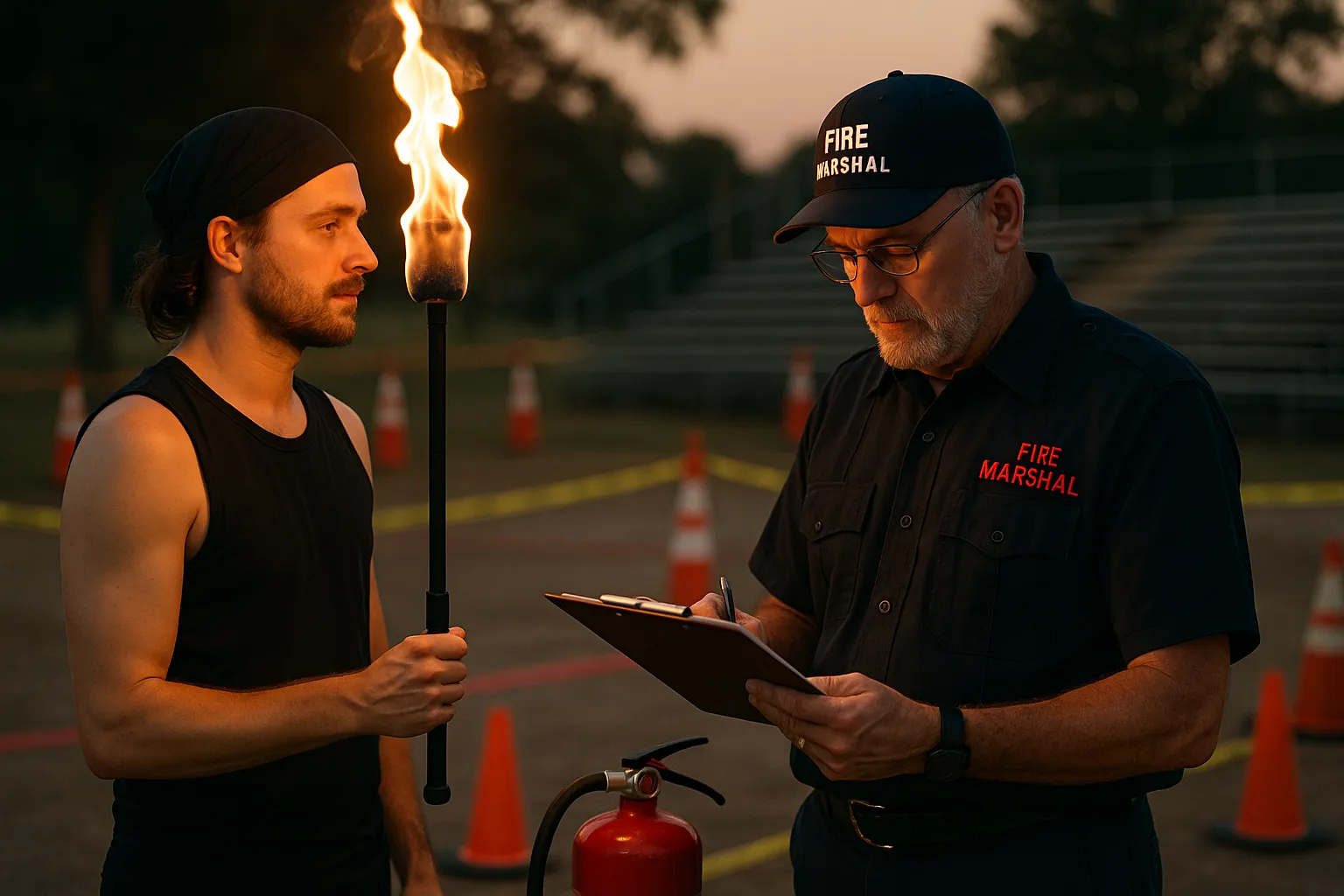
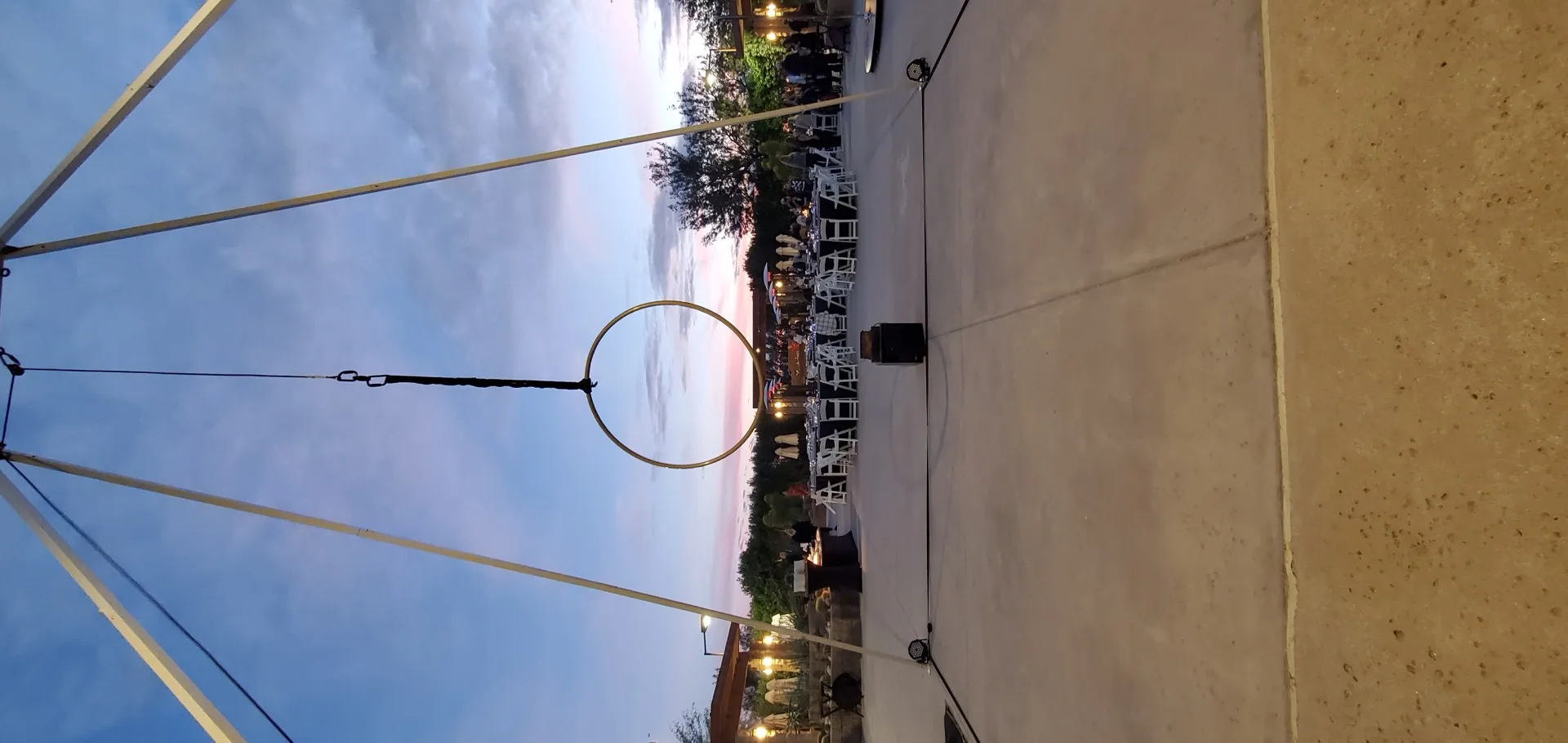
Every venue already has a posted occupancy limit the fire marshal set years ago. That's separate from the sign-off a specific event can trigger. Seattle Fire Department's special events guidance lists what requires its own permit: open flame or candles, flammable or combustible liquids or gases, cryogenics, pyrotechnics or special effects, a fuel-powered vehicle on display inside an assembly space, & tents past a size or attendance threshold. None of that is covered by the venue's standing occupancy paperwork.
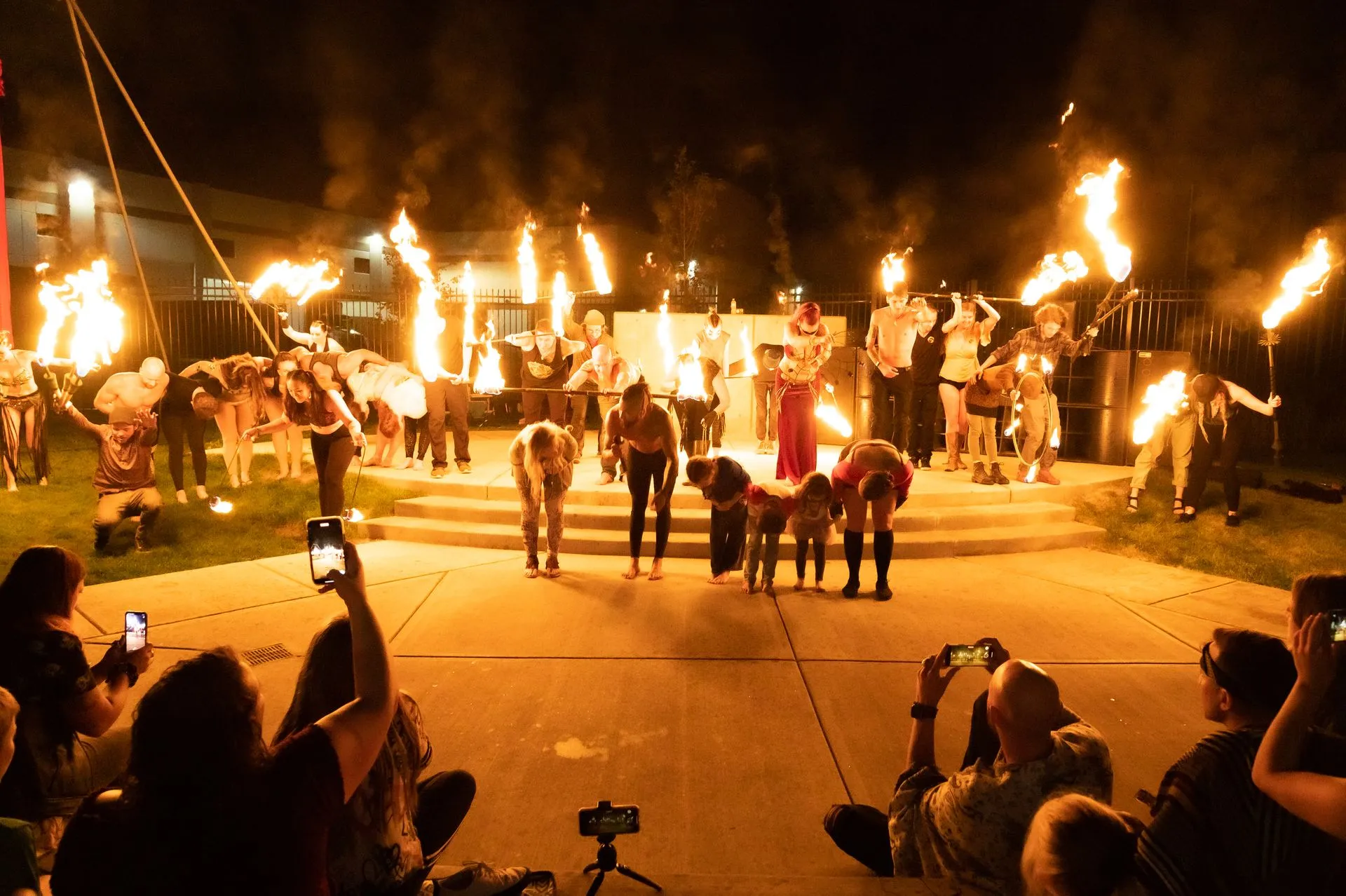
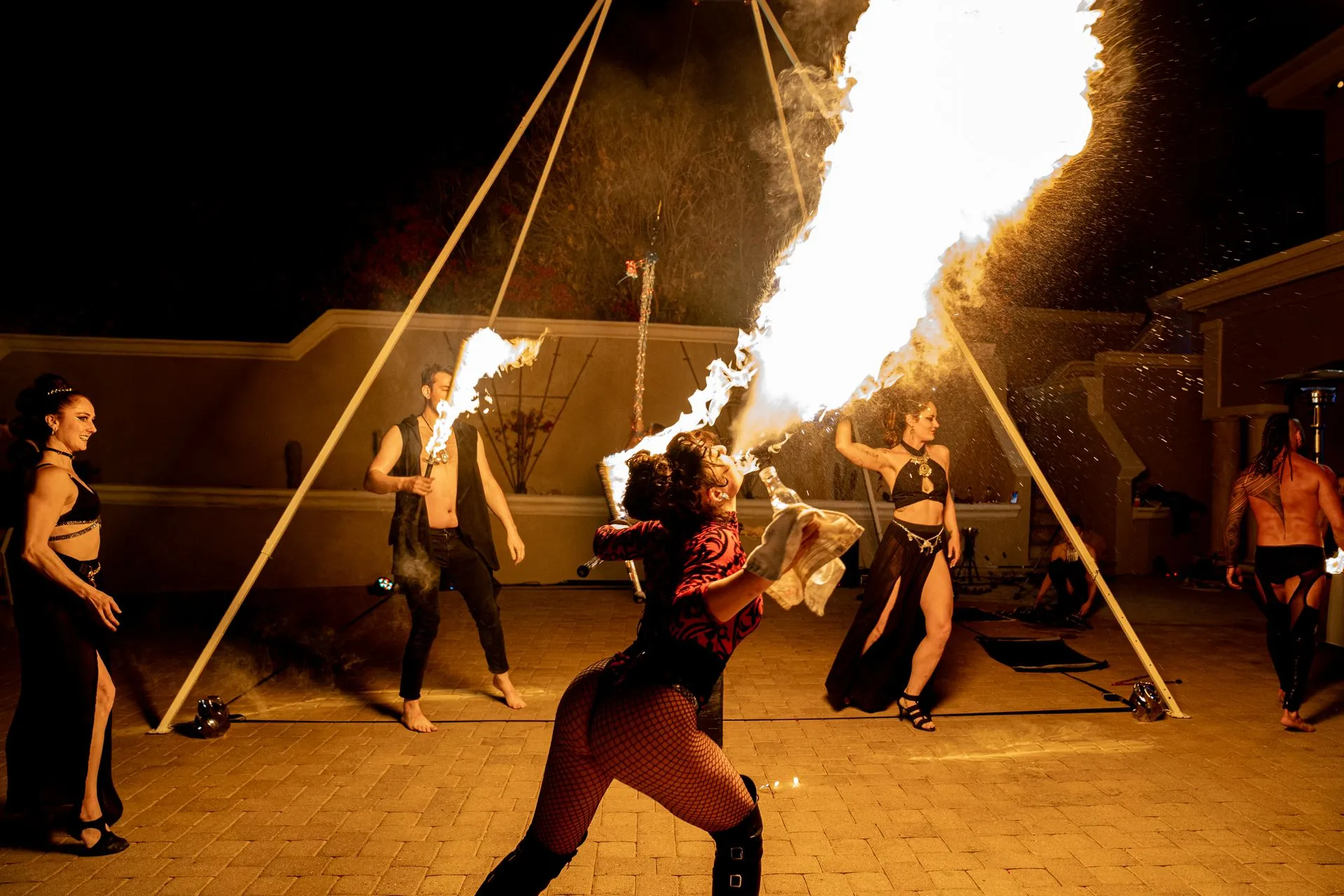
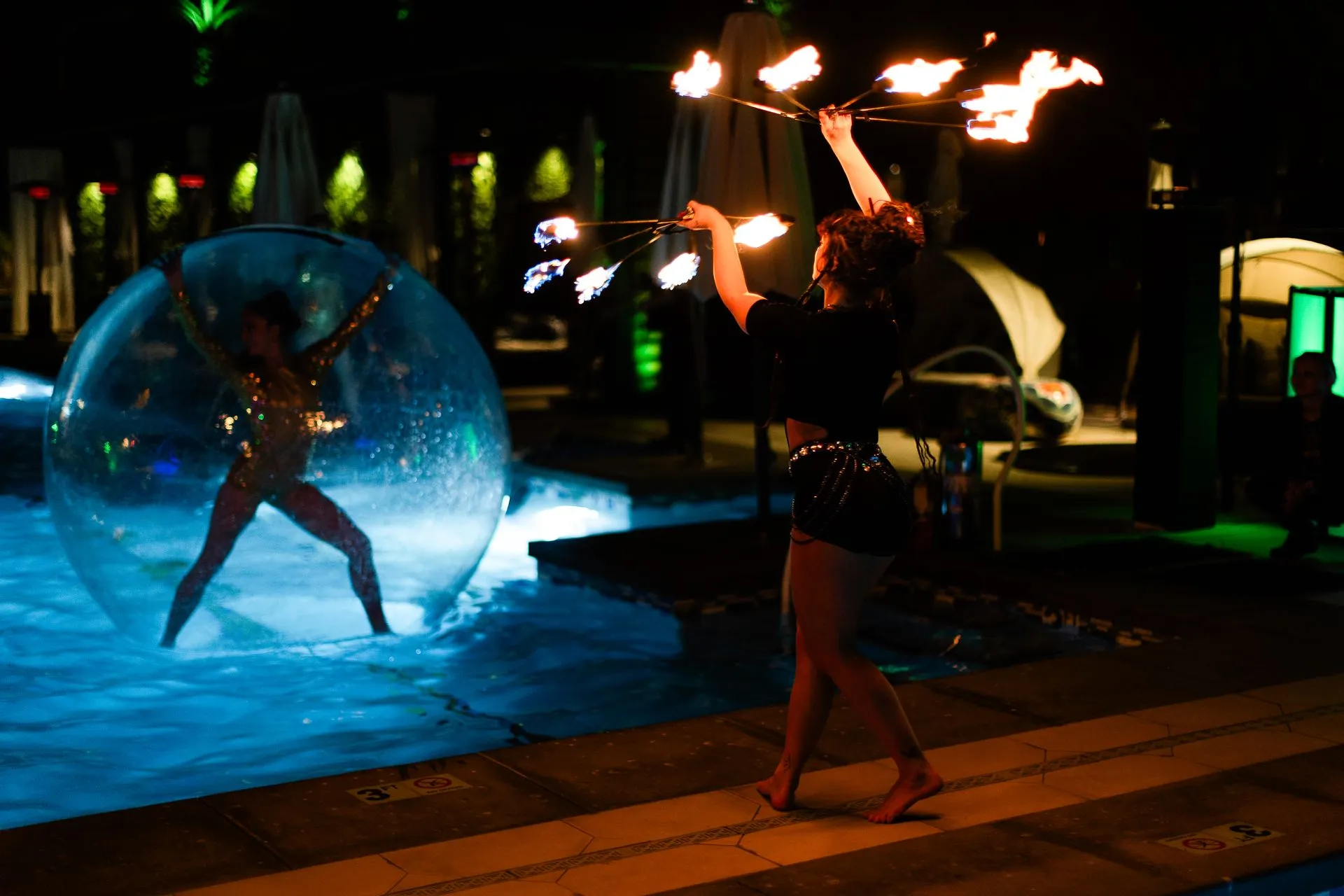
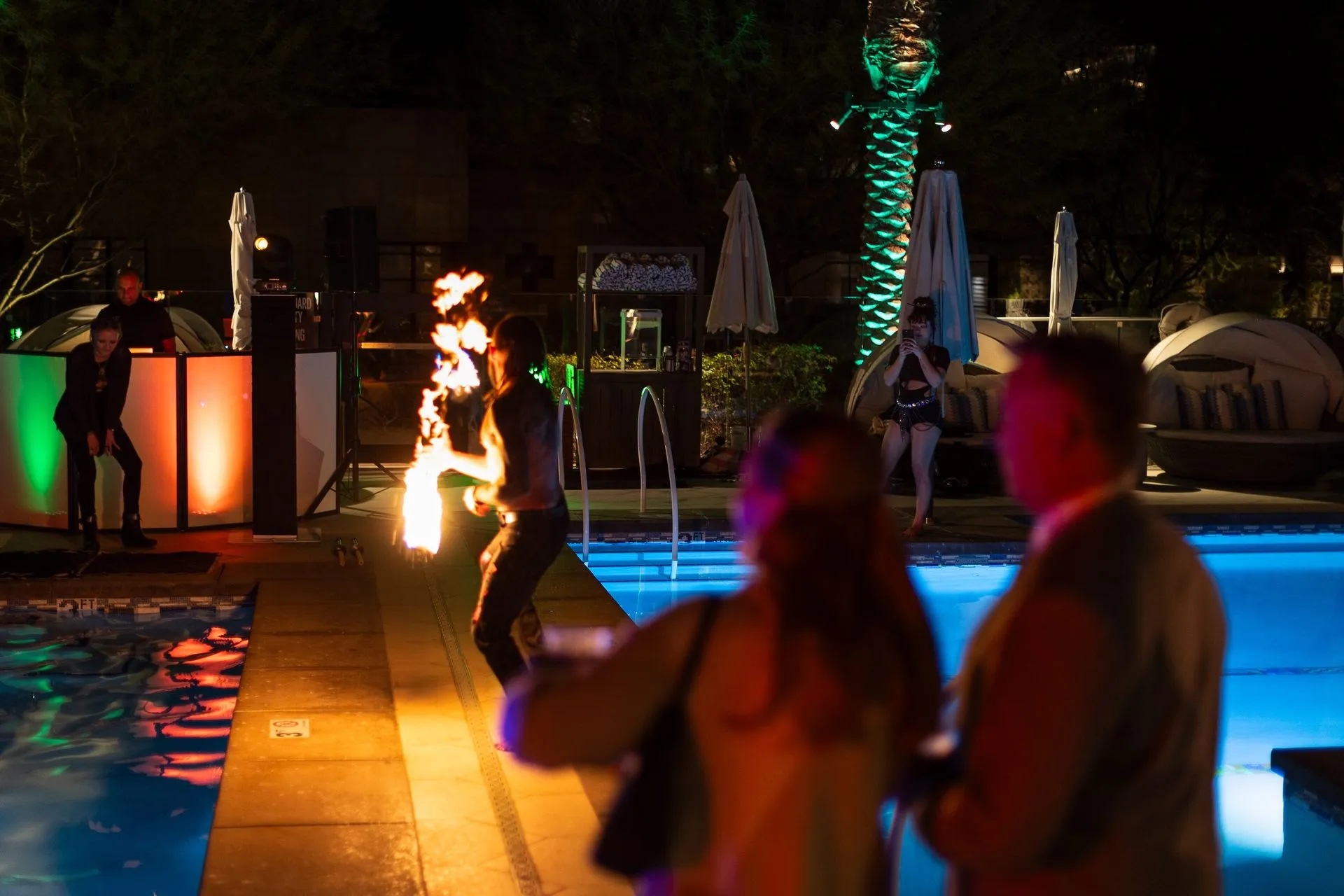
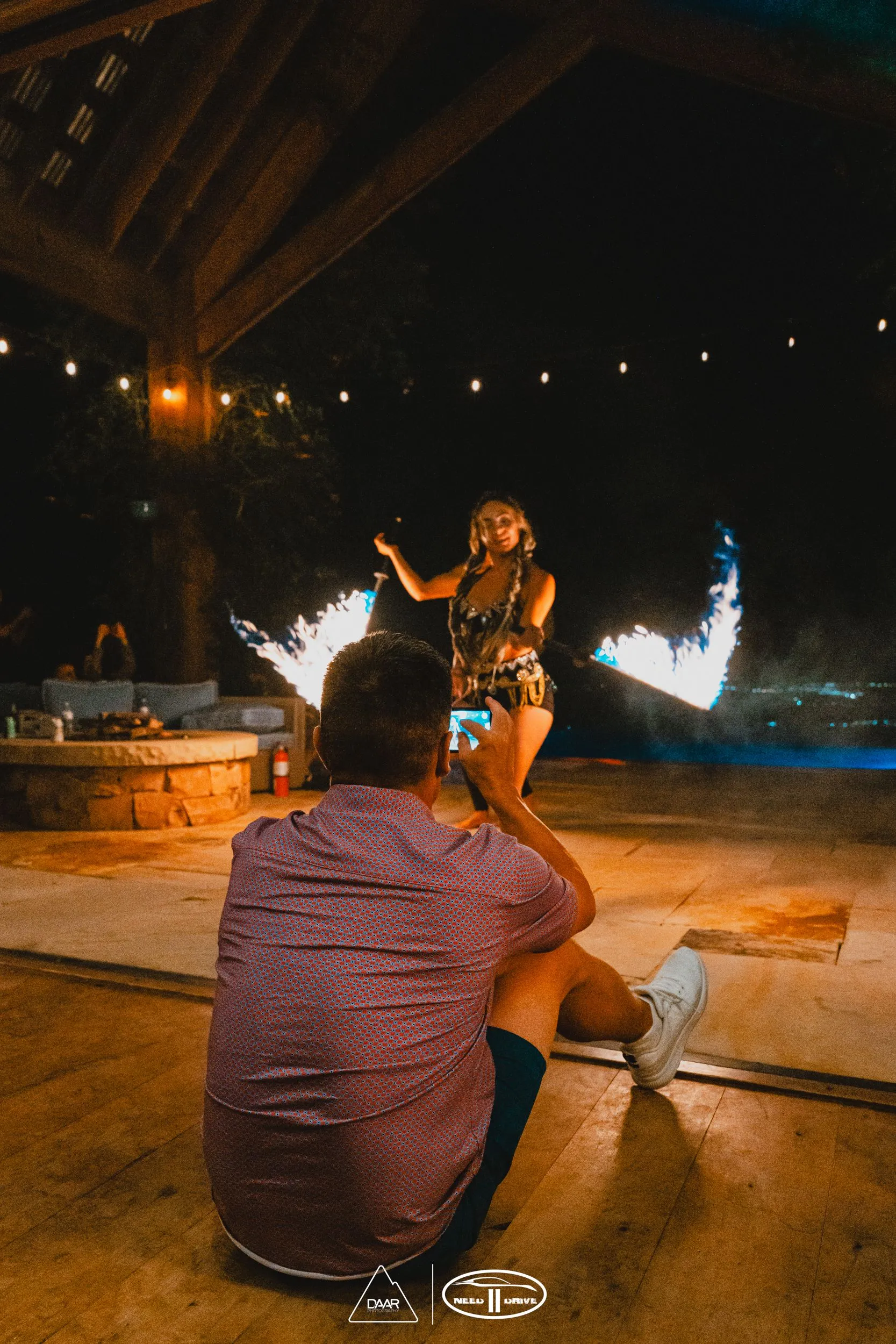
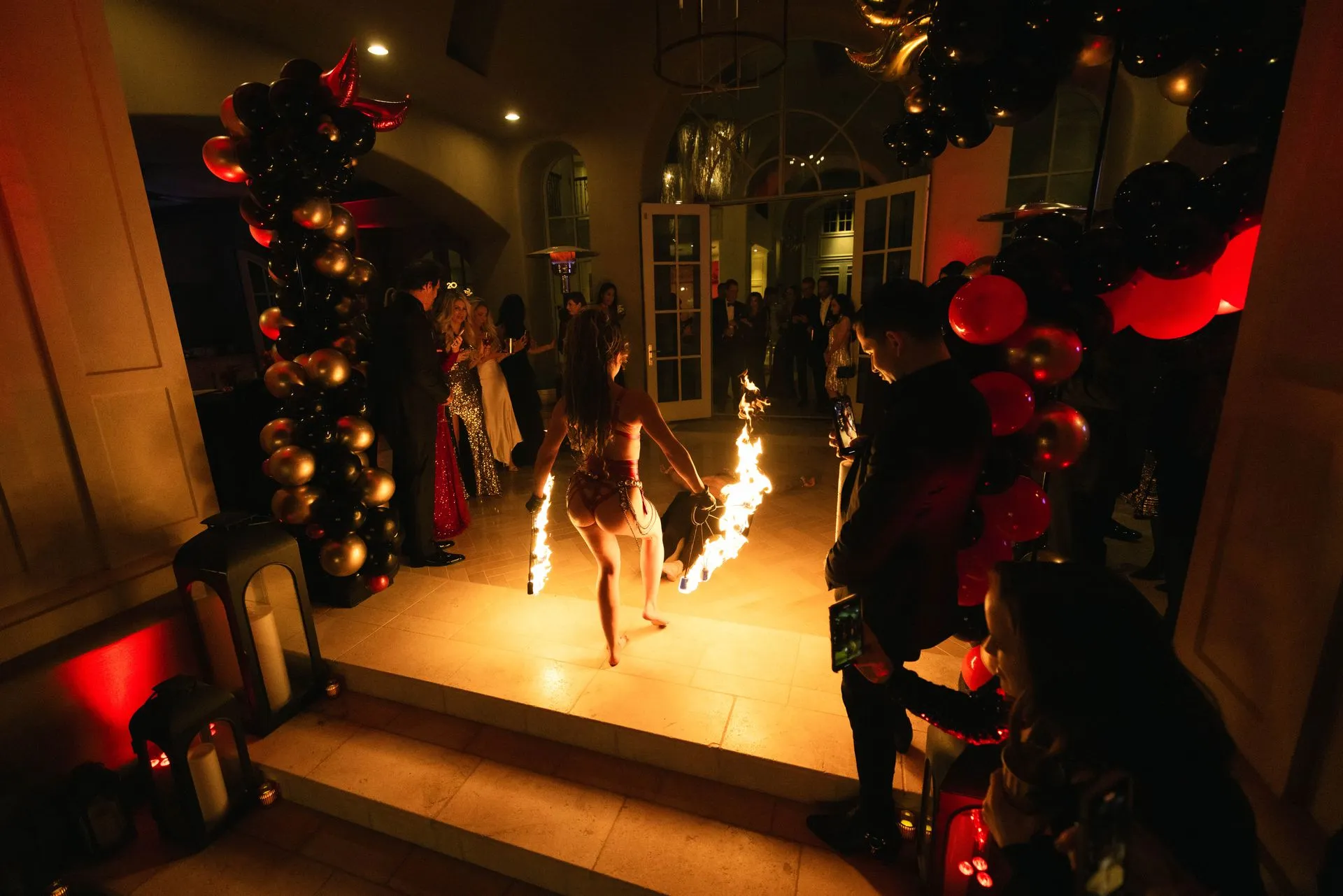
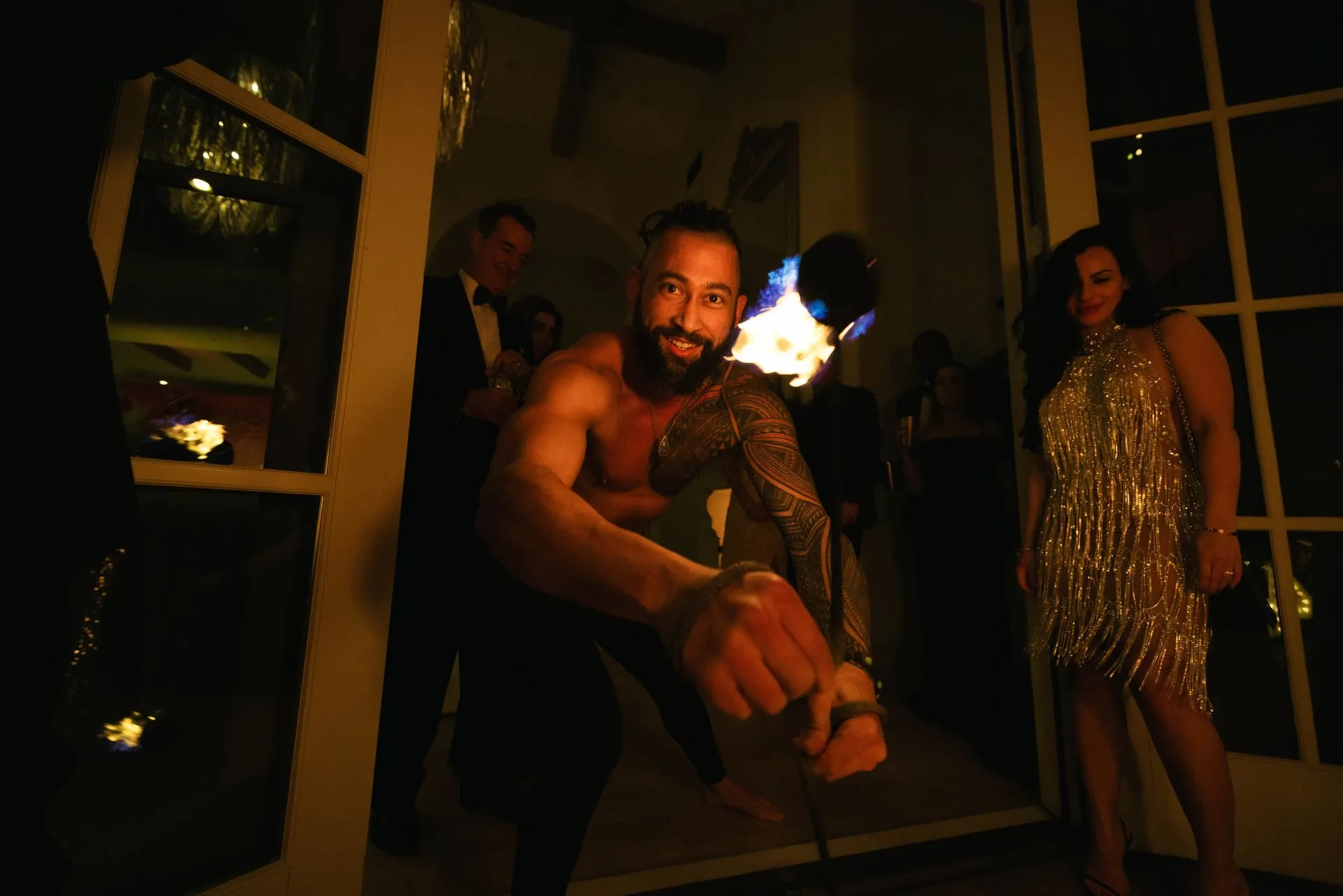
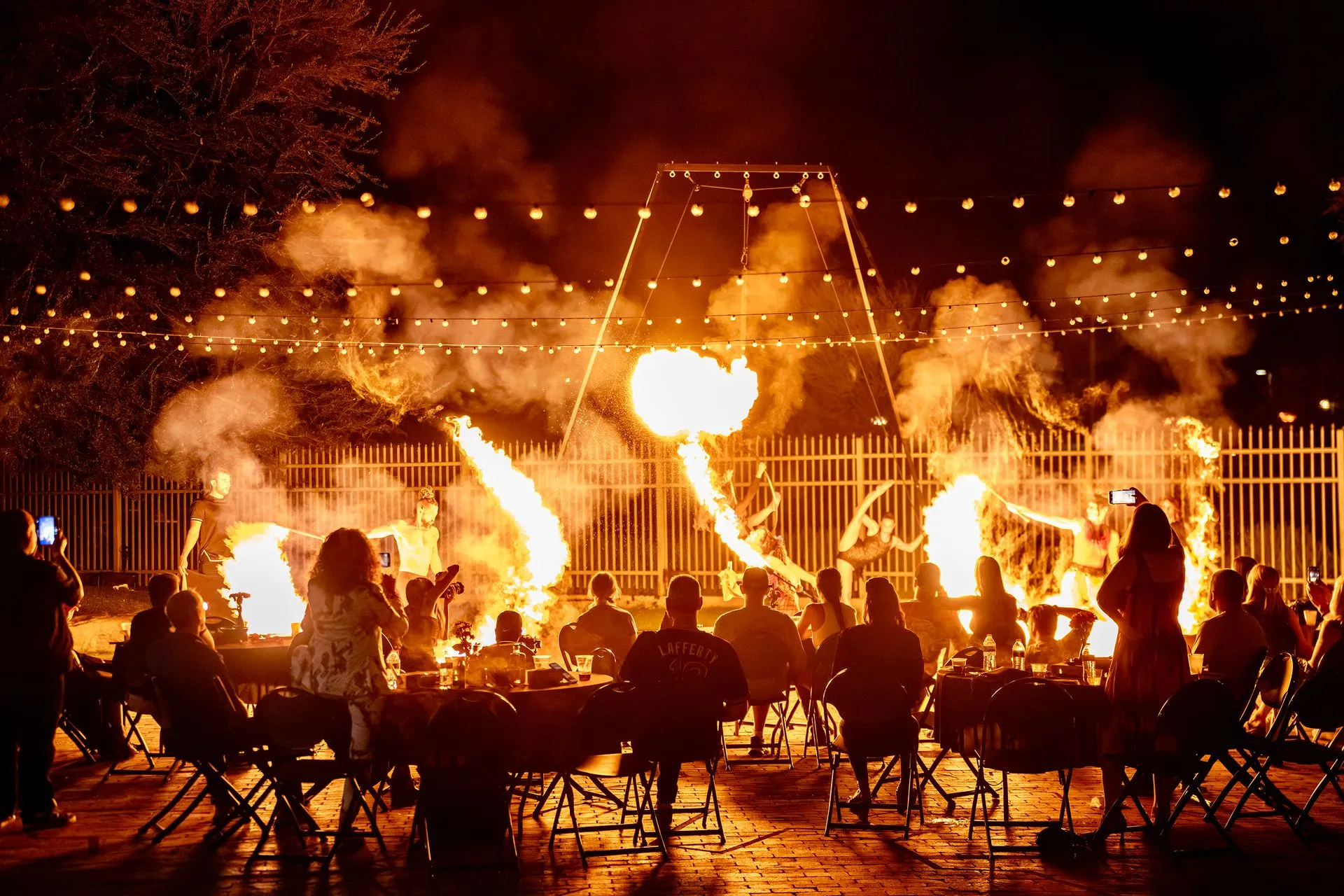
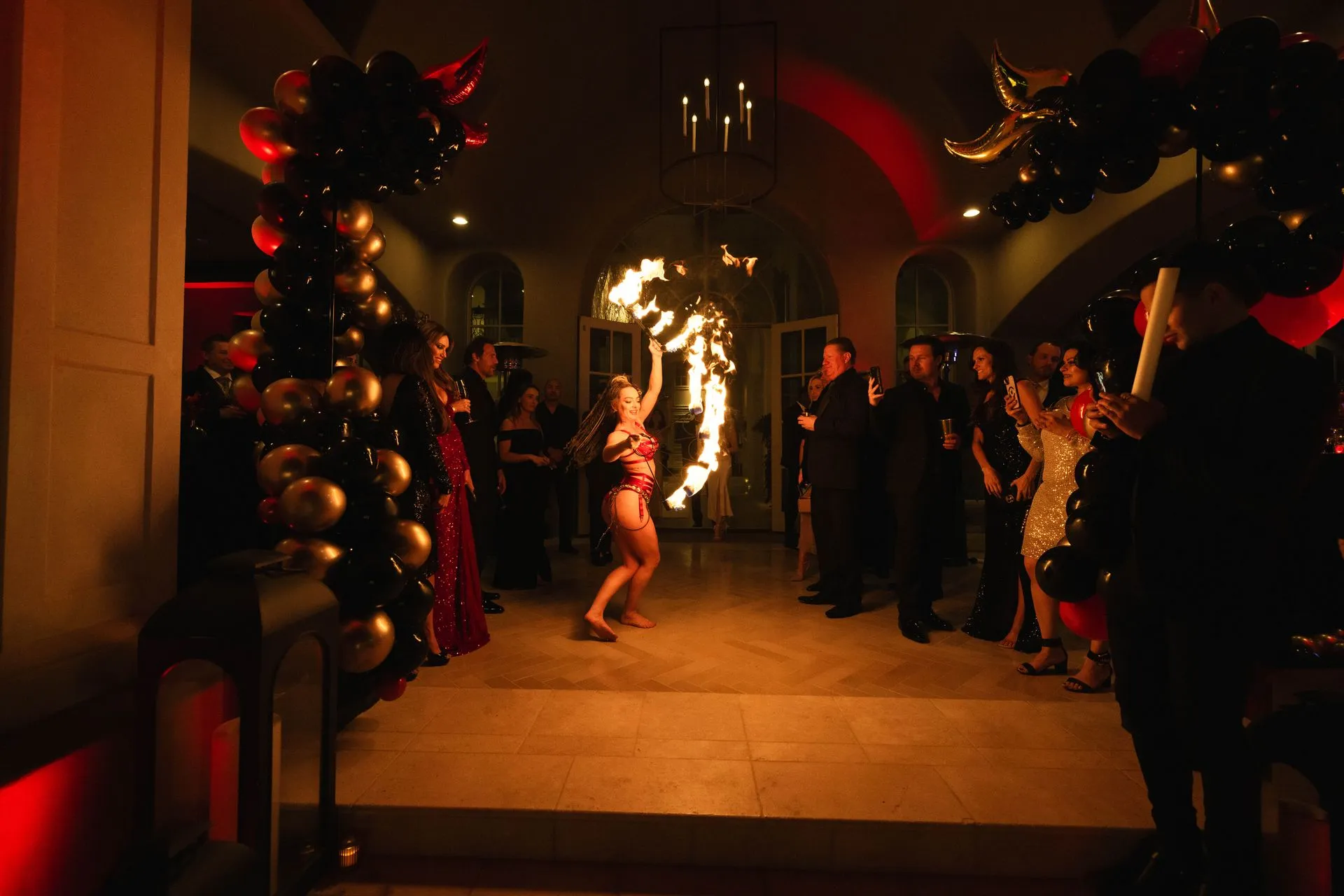
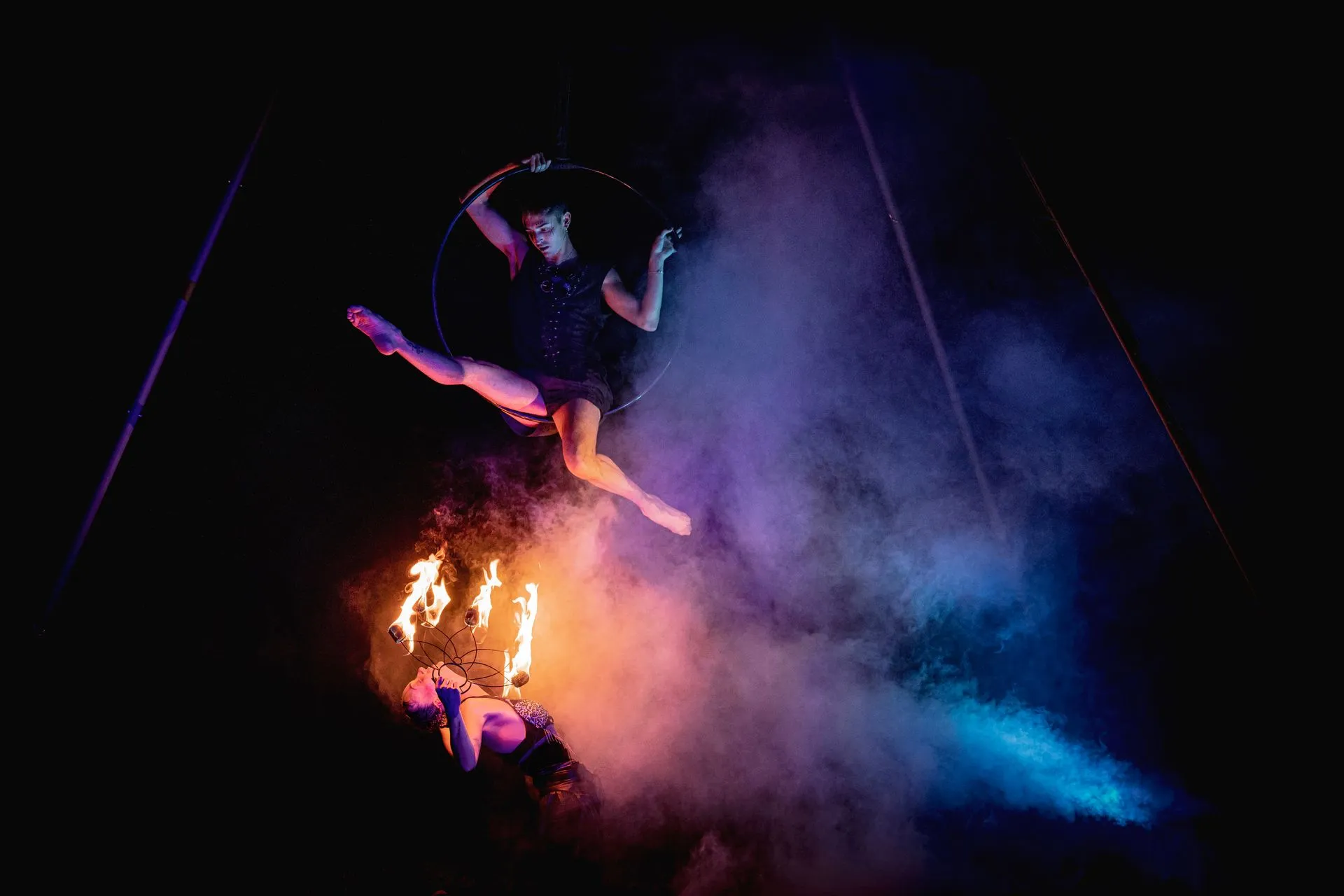
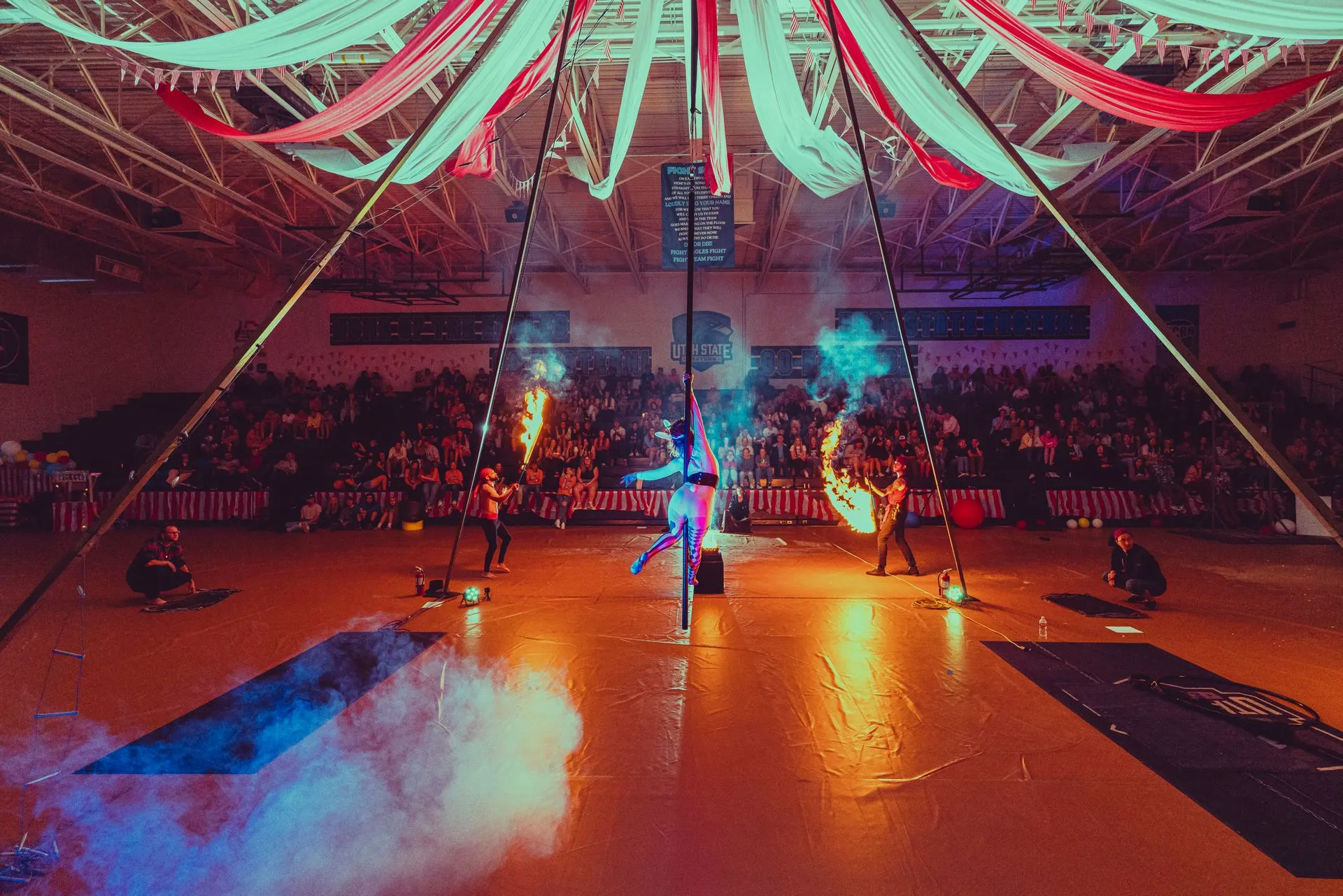
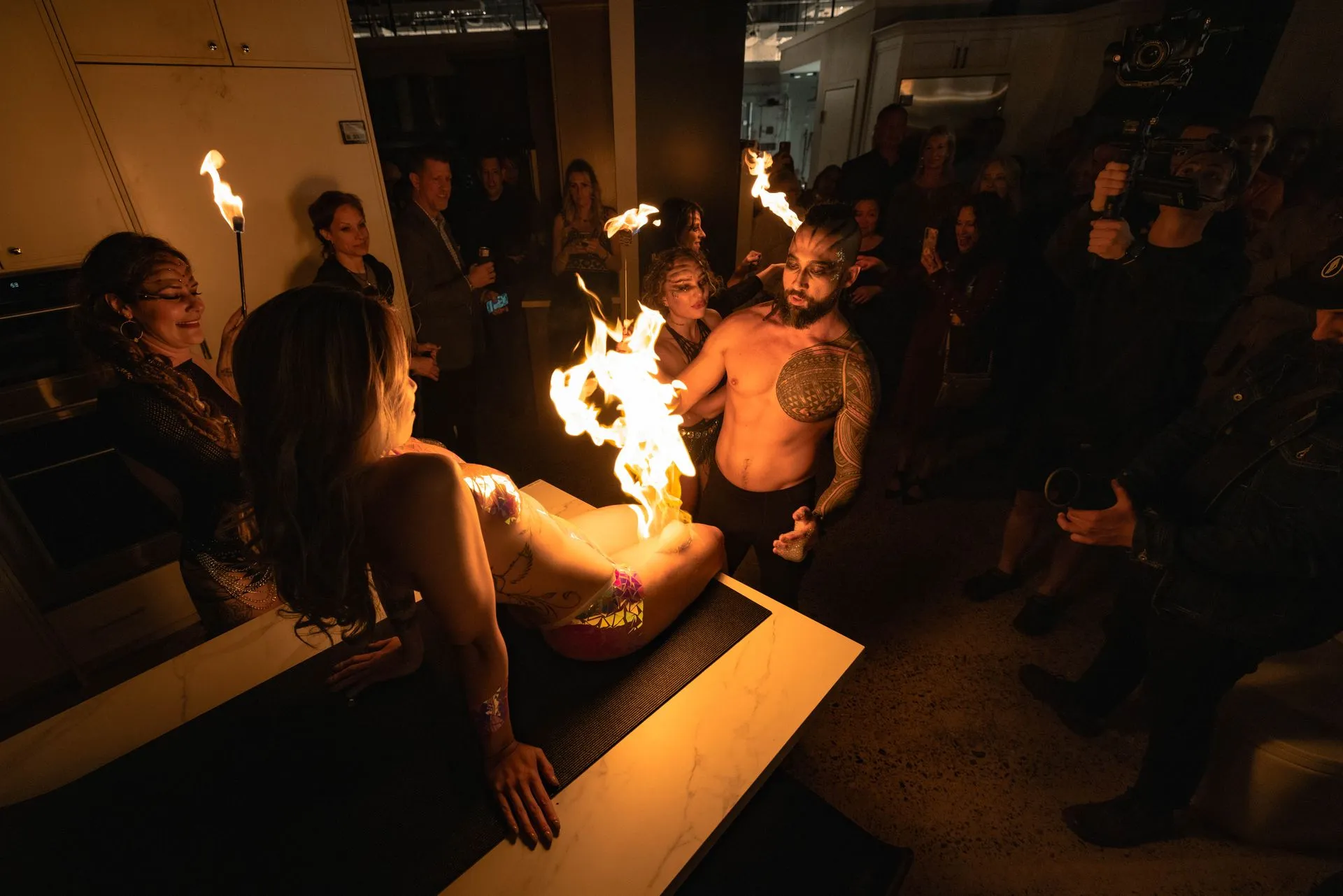
Live fire performance sits squarely in that category, which is why we've written separately about why fire permits aren't optional for that specific piece of a program. The same logic extends to anything else that introduces a hazard the room wasn't originally rated for: rigging weight, haze, draping near a heat source.
Who actually has to make the call
Someone on the event team has to list every permit the date, address & program could trigger, then assign a named owner to each one before the venue is locked. That gets confirmed at the same site walkthrough that checks occupancy & load-in, not chased down separately afterward. Do not rely on "the venue probably has it." Get an answer from the jurisdiction in writing.
Permit responsibility FAQs
Does the venue get the permit for my corporate event?
Sometimes, but never assume it. Venue-level special-event permits are often filed by whoever's named on the booking, which can be the venue or the client depending on the city. Amplified sound rules & fire marshal sign-offs are often handled separately & are rarely automatic.
Do I need a permit for amplified sound at a corporate event?
Often, yes, & the rules vary by city even a few miles apart. Phoenix's special event checklist says decibel level shall not exceed 100 per city ordinance. In Scottsdale, holding a valid special-event permit exempts the event from the city's standard 68 dB(A) threshold.
What triggers a fire marshal permit beyond a venue's occupancy limit?
Open flame or candles, flammable or combustible liquids or gases, pyrotechnics or special effects, a fuel-powered vehicle on display indoors, & tents past a certain size or attendance all typically require their own fire department permit, separate from the venue's standing occupancy paperwork.
Who is legally responsible if a required permit never gets filed?
Whoever the venue contract or vendor agreement names as responsible, which is exactly why that ownership needs to be written down per permit instead of assumed.
If you'd rather have one team map every permit your date, venue & program actually trigger, name who owns each one & confirm it before you sign, that's the job. Tell us about your event: start the conversation here.
New posts, straight to your inbox.
Real lessons from real corporate events, no filler.