Is Your Corporate Event Venue Actually ADA Accessible?
A venue passing its own ADA inspection on an ordinary Tuesday doesn't mean the layout built for your event keeps it that way. A registration table in the wrong spot, a bar blocking the one accessible route, or temporary staging with no ramp to it can turn a fully compliant building into a non-compliant event, & that's the gap most planners never actually check.
Whether a venue is actually accessible for YOUR event comes down to four things checked in person, not a certificate on file: accessible parking & drop-off close to the entrance, restrooms with grab bars & clearance reachable from the program floor, assistive listening devices available for anyone using amplified sound, & clear, level routes connecting all three. A venue can meet every one of those on a normal day & still fail a guest on event day, because the event layout is yours to build, not the venue's.
What the Venue Already Has Isn't What Your Event Needs
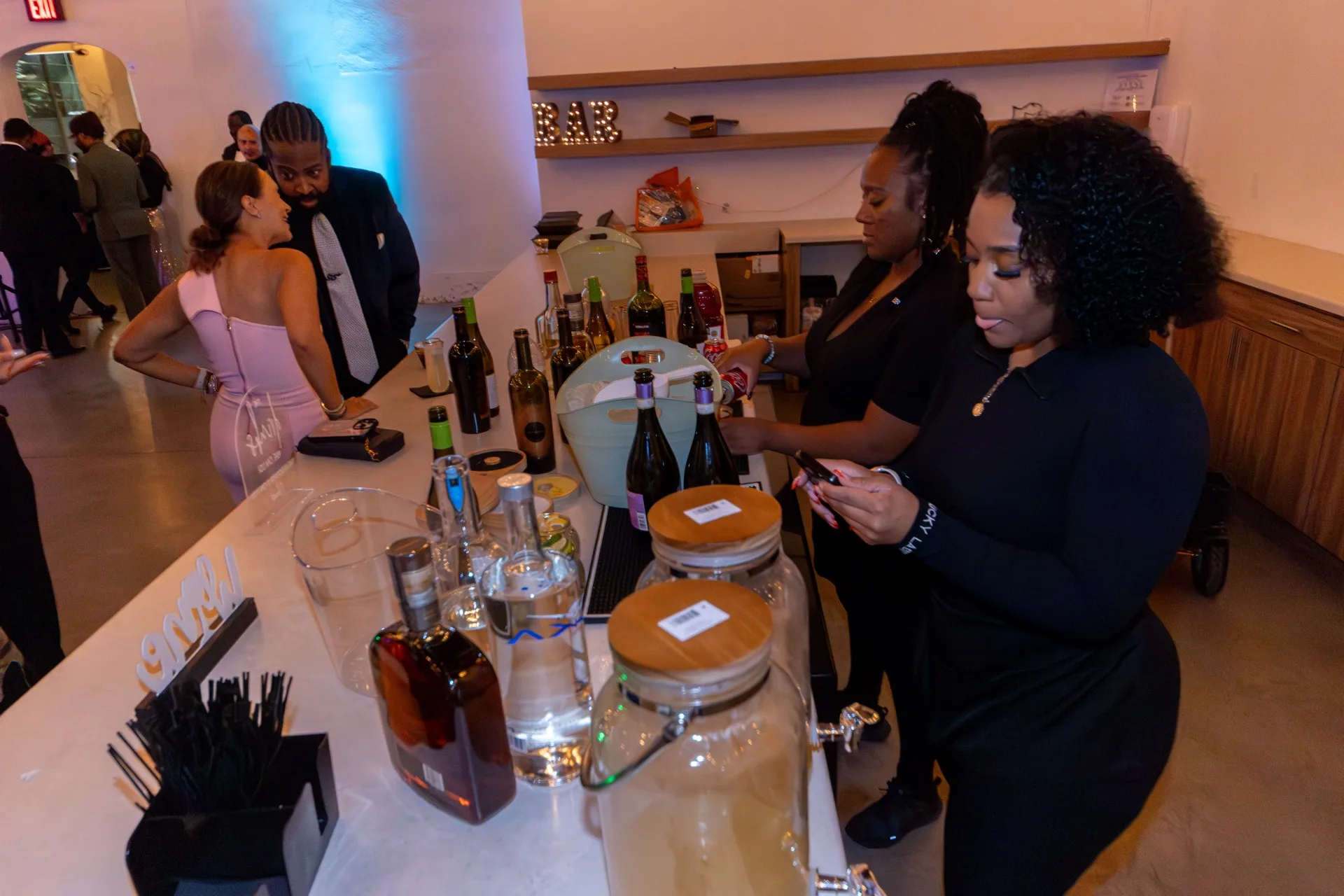
A venue's own construction has to meet ADA standards, which covers door widths, ramps & restroom construction built into the building itself. It says nothing about where your event puts the registration table, how close the bar sits to the accessible route, or whether the stage ramp you rented actually reaches the stage you booked. The building can be compliant & the event can still fail a guest in a wheelchair, because the layout belongs to the event, not to the venue's permit.
Four Things to Walk Before You Sign
Accessible parking & drop-off. Event compliance calls for accessible parking spaces with proper signage and proximity to entrances. If the accessible spots sit in an overflow lot three buildings away because valet took the close ones, that's not proximity, whatever the venue's permit says.
Restrooms reachable from the program floor. WeAreSpin is direct about the standard: "Restrooms must include accessible stalls with proper grab bars and clearance space." A venue can have a compliant restroom on another floor & still leave your event failing, because nobody checked whether it's actually reachable from the room your program is running in.
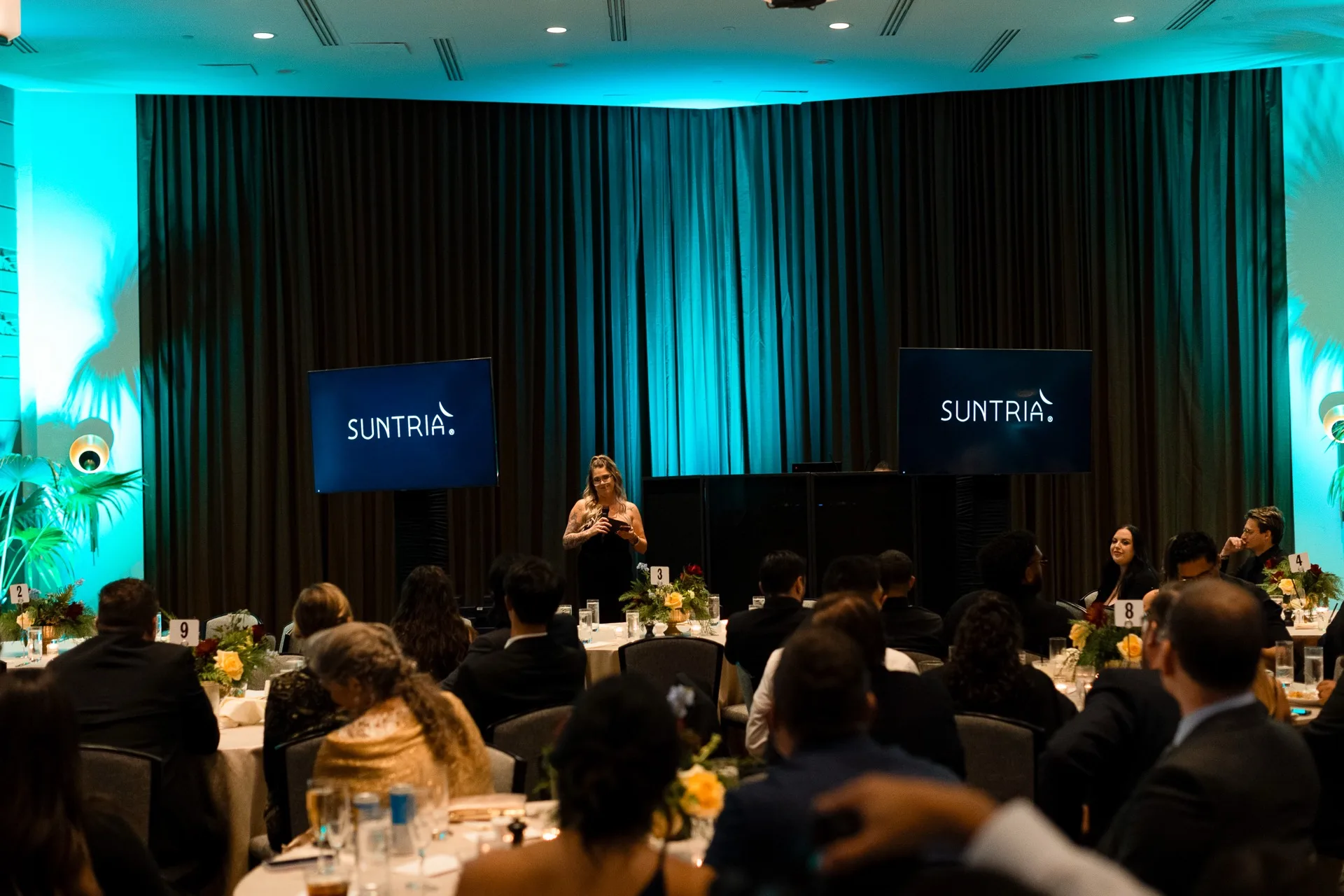
Assistive listening for amplified sound. Any program running a mic needs a plan beyond speaking clearly. The real options are FM, infrared, or induction loop systems for attendees with hearing aids. WeAreSpin's baseline guidance still applies even without a system in place: "offer assistive listening devices, ensure speakers use microphones." Neither works if nobody asked for it in advance, which is why this belongs on the registration form, not the day-of checklist.
Clear, level routes connecting all three. A ramp at the entrance means nothing if the path from parking to restroom to seat crosses a step, a loose rug edge, or a cable run with no ramp cover over it. This is the walkthrough item planners skip, because it covers the whole path, not one location.
Who's Actually Liable If It's Not
This isn't only the venue's exposure. A federal ADA lawsuit over a cannabis festival at a state fairgrounds named both the event organizer & the venue operator as defendants, seeking the "removal of access barriers, and affirmative changes to policies and procedures," & an order "ordering Defendants to make wheelchair accessible future [...] events." Defendants, plural. Under Title III, both the venue hosting a non-compliant event & the organizer that booked it can end up named, which is exactly why "the venue handles that" isn't a plan.
The Contract Clause That Actually Settles It
Hospitality Lawyer's sample hotel contract language splits the obligation by who controls what, instead of leaving it assumed: "The Hotel shall be fully responsible for compliance with the Americans with Disabilities Act of 1990" for "architectural, communications and transportation barriers in the Hotel," while "the Group shall be fully responsible for compliance with the ADA with respect to... architectural, communication and transportation barriers created by or within the control of the Group," including the Group's own "policies, practices, procedures" & even "the availability of wheelchair seating spaces" wherever the Group arranges its own seating. The article's reasoning for including it at all is the actual risk: without it, "one or both parties violate the law while assuming the other party will handle compliance."
That's the clause worth asking for before signing, not after a guest in a wheelchair can't reach the seat your event arranged. It names who owns the building's barriers & who owns the ones your event creates, so neither side is guessing on the day it matters.
If accessibility hasn't come up yet in your venue conversation, that's worth raising before the contract does it for you. Tell us the room & the guest list & we'll walk the accessibility checklist with you before you sign. Related reading: the full venue logistics checklist, & what else is worth negotiating in the contract itself.
Questions planners ask us
Is my corporate event venue ADA accessible?
Having an ADA-compliant building isn't the same as having an ADA-compliant event. Check accessible parking & drop-off proximity, restrooms reachable from the actual program floor, assistive listening availability for amplified sound, & a level, clear route connecting all three, in person, not from a certificate on file.
Who is responsible for ADA compliance at an event: the venue or the organizer?
Both can be. A federal ADA lawsuit over a cannabis festival at a state fairgrounds named the event producer & the venue operator together. Industry contract language splits it by control: the venue owns barriers built into the building, & the organizer owns the barriers its own event layout, seating & policies create.
What assistive listening is required for a corporate event with amplified sound?
FM, infrared, or induction loop systems for attendees using hearing aids, offered alongside clear microphone use. The requirement does nothing if it isn't arranged ahead of time, so ask on the registration form rather than waiting for a day-of request.
What should go in the venue contract to cover ADA accessibility?
A clause naming which barriers the venue owns, because they're built into the building, & which ones the organizer owns, because they come from the event's own layout, seating arrangement & vendor policies. Without that split, both sides tend to assume the other is handling it, which is how the gap happens.
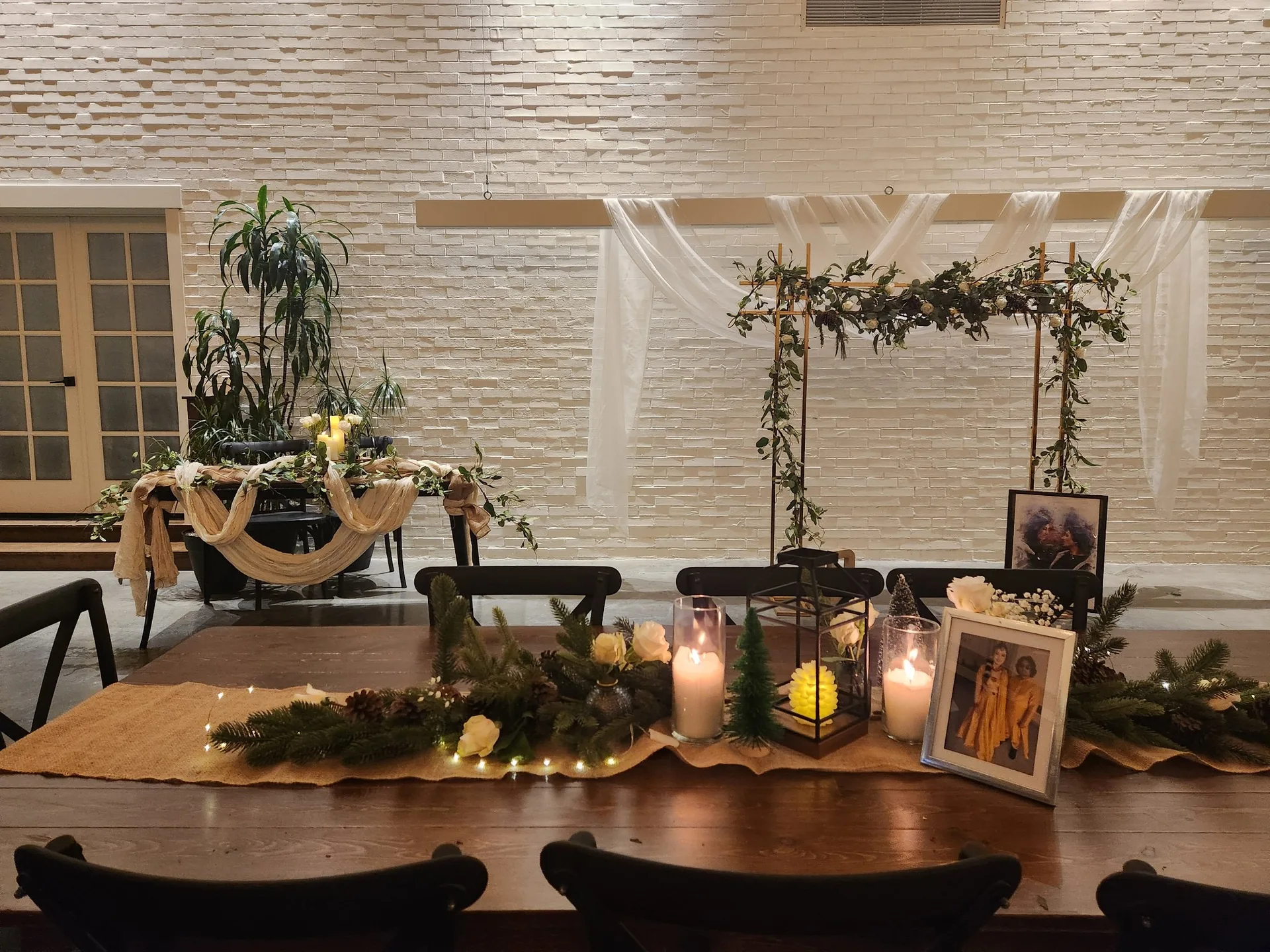
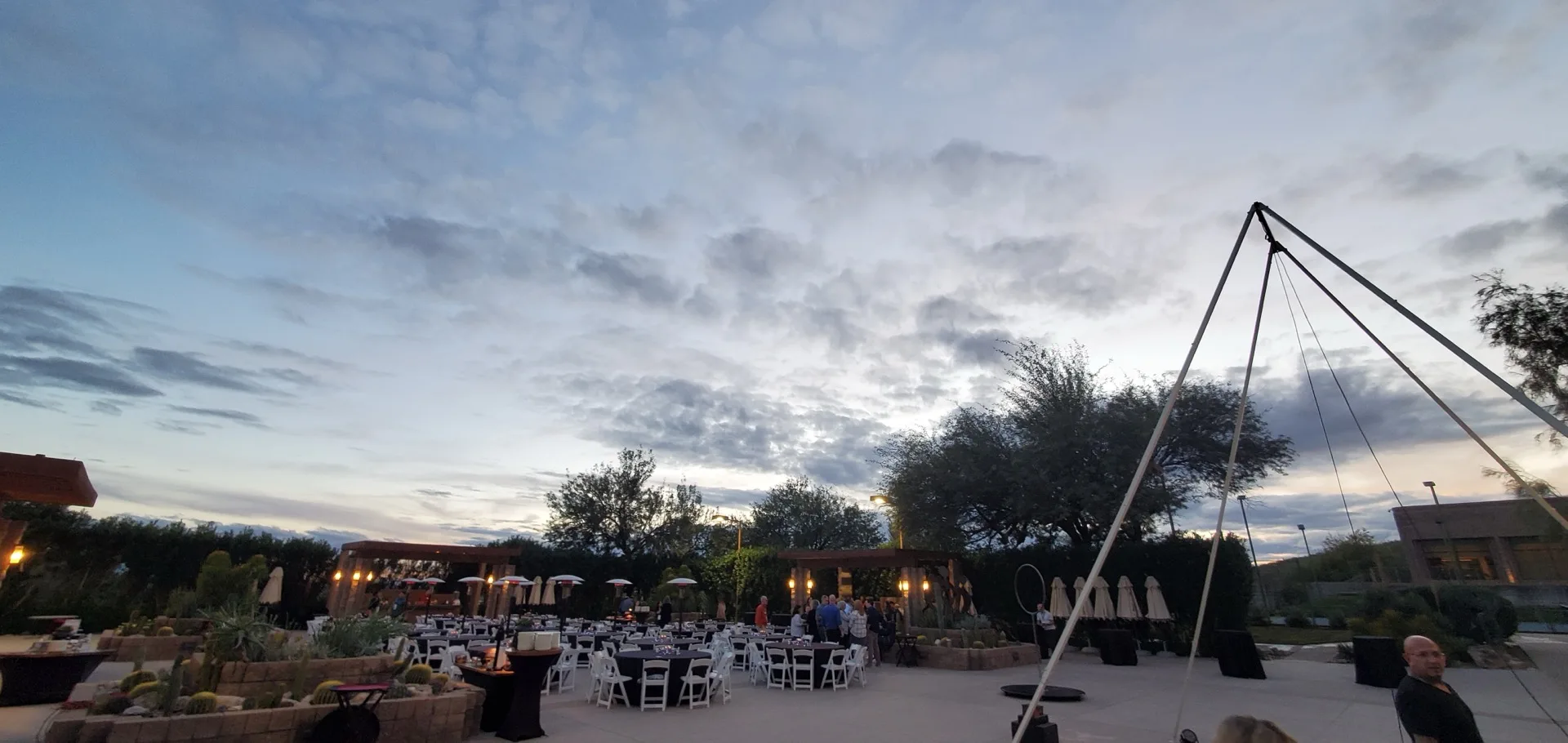
Photo: Hana Events + Experiences.
New posts, straight to your inbox.
Real lessons from real corporate events, no filler.