
How Much Audience Participation Should Entertainment Have?
An emcee asks the room to raise a hand if they agree. Hands go up, politely, because nobody wants to be the one who doesn't. The moment reads as participation on a run sheet & reads as nothing to the people in the room, who were already paying attention before they were asked to prove it.
How much audience participation a corporate event actually needs depends on what the entertainment is trying to do: interactive, meaning the crowd takes a visible action, & engaged, meaning the crowd is actually paying attention, are not the same thing, & forcing the first doesn't guarantee the second. Corporate audiences in particular tend to resist being put on the spot because visibility in front of coworkers & leadership carries real career risk, not shyness. The fix is designing participation people can opt into, so the room that wants to join in can, & the room that doesn't isn't performing engagement it never had.
Interactive and Engaged Are Not the Same Thing
DJ Will Gill draws the line this way: "Interactive means people are doing something. Engaged means people are with you." One is an action, the other is attention, & an event can have plenty of one without the other. His piece is direct about what that gap looks like in practice: activity doesn't necessarily equal engagement, because audience members "can participate in polls and comment in breakout rooms while at the same time be mentally checked out." The reverse is just as real. "Silence at a well-designed corporate keynote is often the sound of engagement," & as he puts it plainly, "Silence is not failure."
Why Corporate Rooms Resist Being Put on the Spot
The hesitation has little to do with personality. DJ Will Gill names the actual mechanism: "in corporate environments, participation often carries an unspoken sense of risk," because "Corporate audiences suppress visible interactivity because visibility carries career risk." A VP who hesitates to volunteer is calculating how it looks in front of the people who sign their review. That's why "peer to peer interaction is often more powerful than open plenary discussion," since "participation feels shared rather than exposed." It's also why a forced group prompt tends to flatline instead of land: an emcee's "Everyone raise your hand if you agree!" is the example he gives of exactly this, where "The audience politely raised hands" & nothing moved. His conclusion is the one planners skip past: "Adding forced interactivity to this room does not deepen engagement. It interrupts it."
Design Participation People Can Opt Into
Momentus's guidance points at the same fix from the planning side: "Attendees choose their level of participation rather than having it dictated." In practice, that means offering more than one way in rather than one mandatory moment: "Multiple entertainment options let people self-select into experiences that resonate," instead of the whole room being "herded through a one-size-fits-all program." Some formats are built for exactly this. Interactive trivia, for instance, "gives quieter attendees a structured way to participate" without being singled out, & in a room where hierarchy usually sets the tone, something as simple as clean comedy "breaks tension and gives people permission to relax." The common thread is choice, not volume. More options people can step into beats one bigger ask everyone has to take.
If You Do Ask the Room to Join In
When a moment genuinely calls for direct participation, DJ Graffiti's approach is to lower the entry cost instead of raising the stakes: "make it obvious, make it easy, make it fun." The practical version of that is modeling the activity before asking anyone to do it cold. "Staff facilitators should actively invite small groups, demonstrate a sample interaction," showing the room what it looks like before a single person has to volunteer first. That's the difference between "come up here" & "here's what this looks like, who wants in," & it's the difference between a moment people remember enjoying & one they remember surviving.
If you're not sure whether your program calls for a participation moment or a watch-and-enjoy one, that's worth talking through before the run of show is locked. Tell us the room, the crowd & the goal, & we'll help you design the right amount. Related reading: how much entertainment a corporate event actually needs, & what to ask before you book it.
Questions planners ask us
Does corporate event entertainment need audience participation?
Not automatically. What it needs is engagement, the room's actual attention, & interactive moments are only one way to get there. A quiet, well-designed performance can hold a room just as hard as an interactive one. The real question is whether this specific program benefits from participation.
Why do corporate audiences resist raising a hand or volunteering?
Shyness is rarely the cause. Visible participation in front of coworkers & leadership carries a real, if unspoken, career-risk calculation, which is why peer-to-peer formats tend to outperform open plenary asks: shared participation feels safer than exposed participation.
How do you get a reluctant corporate audience to participate?
Offer more than one way in rather than one mandatory moment, so people can self-select into what they're comfortable with. If direct participation is the ask, have a facilitator demonstrate the activity with a small group first, so nobody has to go first cold.
What's the difference between an interactive audience and an engaged one?
Interactive means people are visibly doing something. Engaged means they're actually paying attention. The two can overlap, but activity alone doesn't prove engagement, & a silent, attentive room during a strong performance is the engagement working.
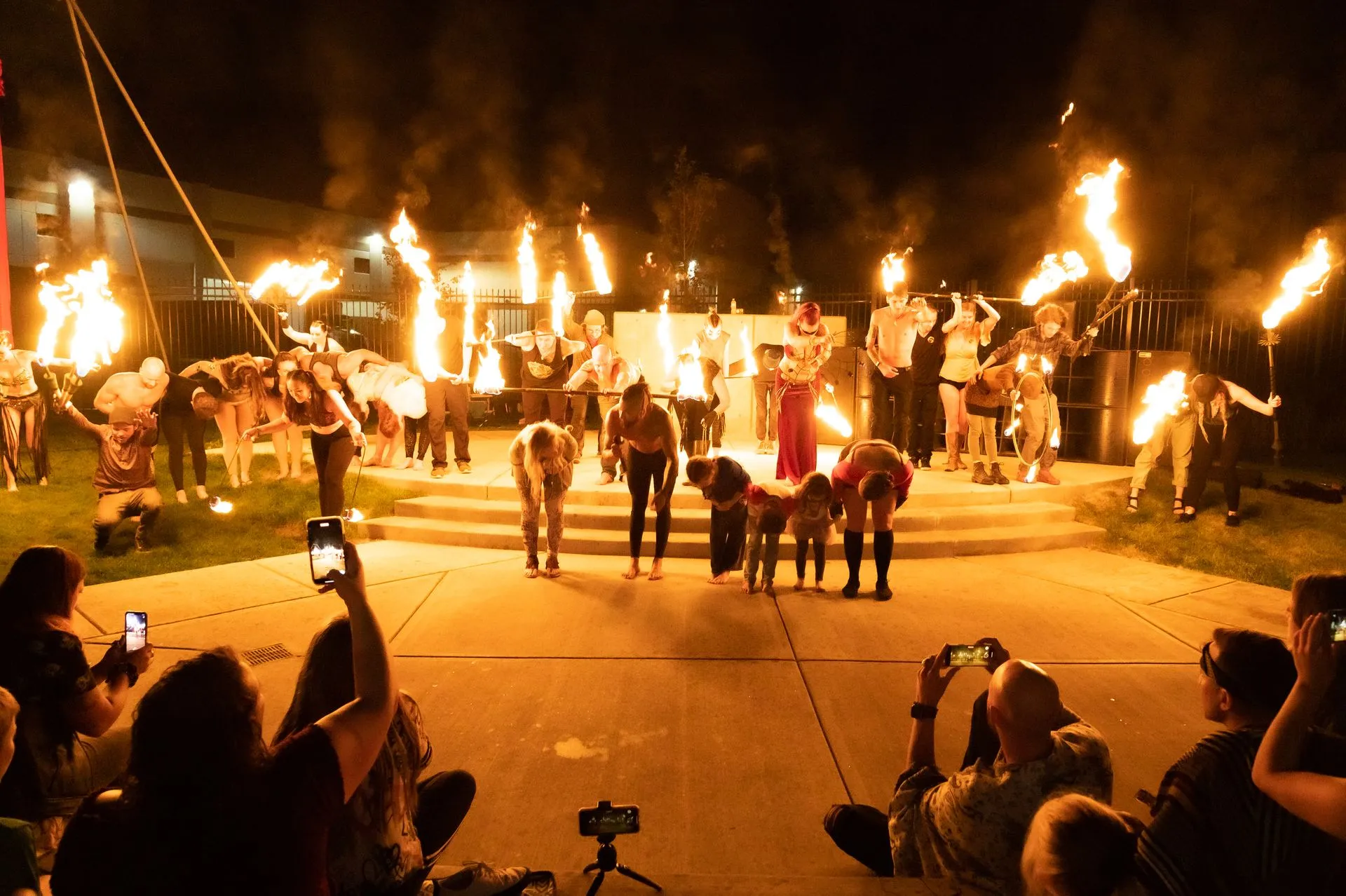
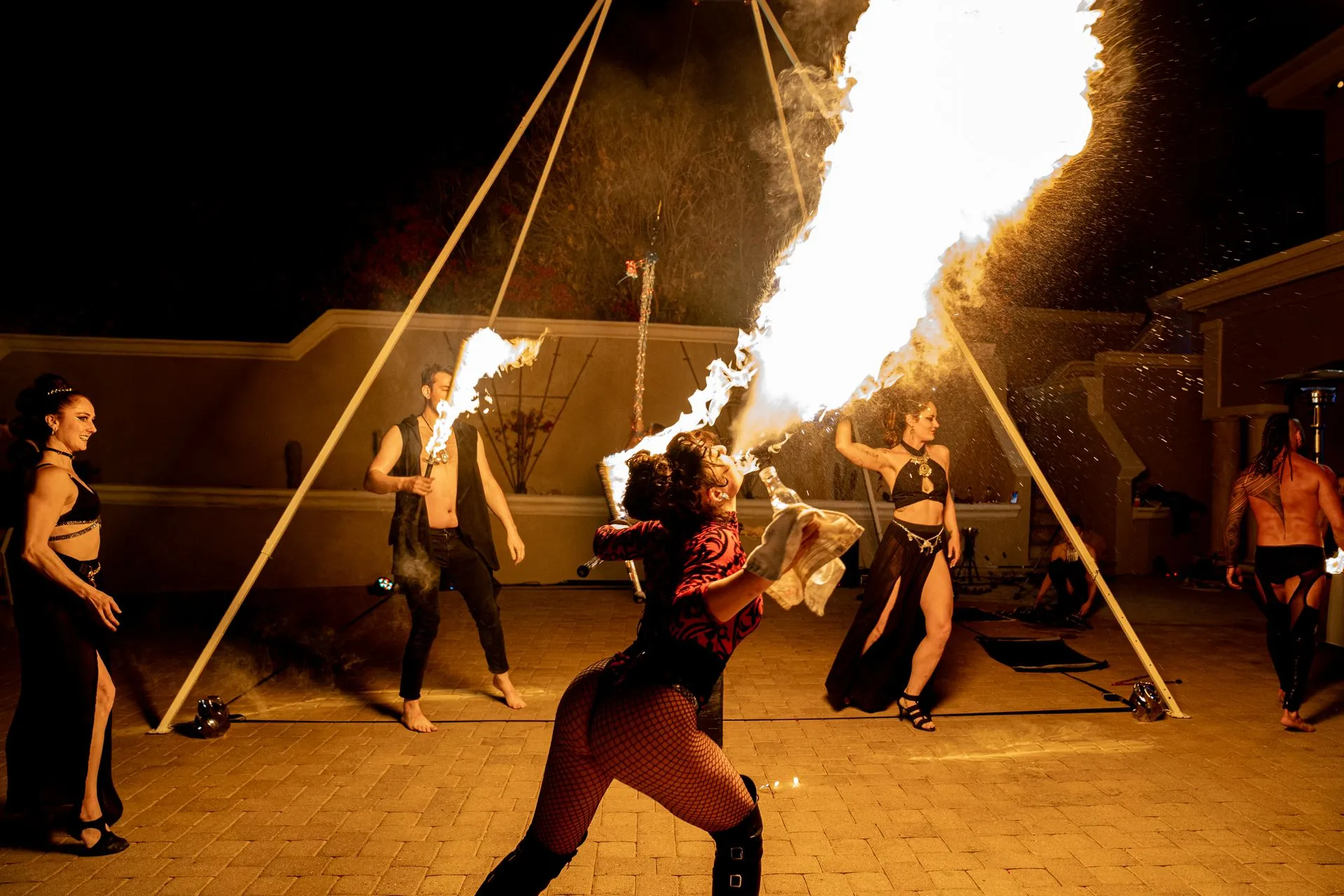
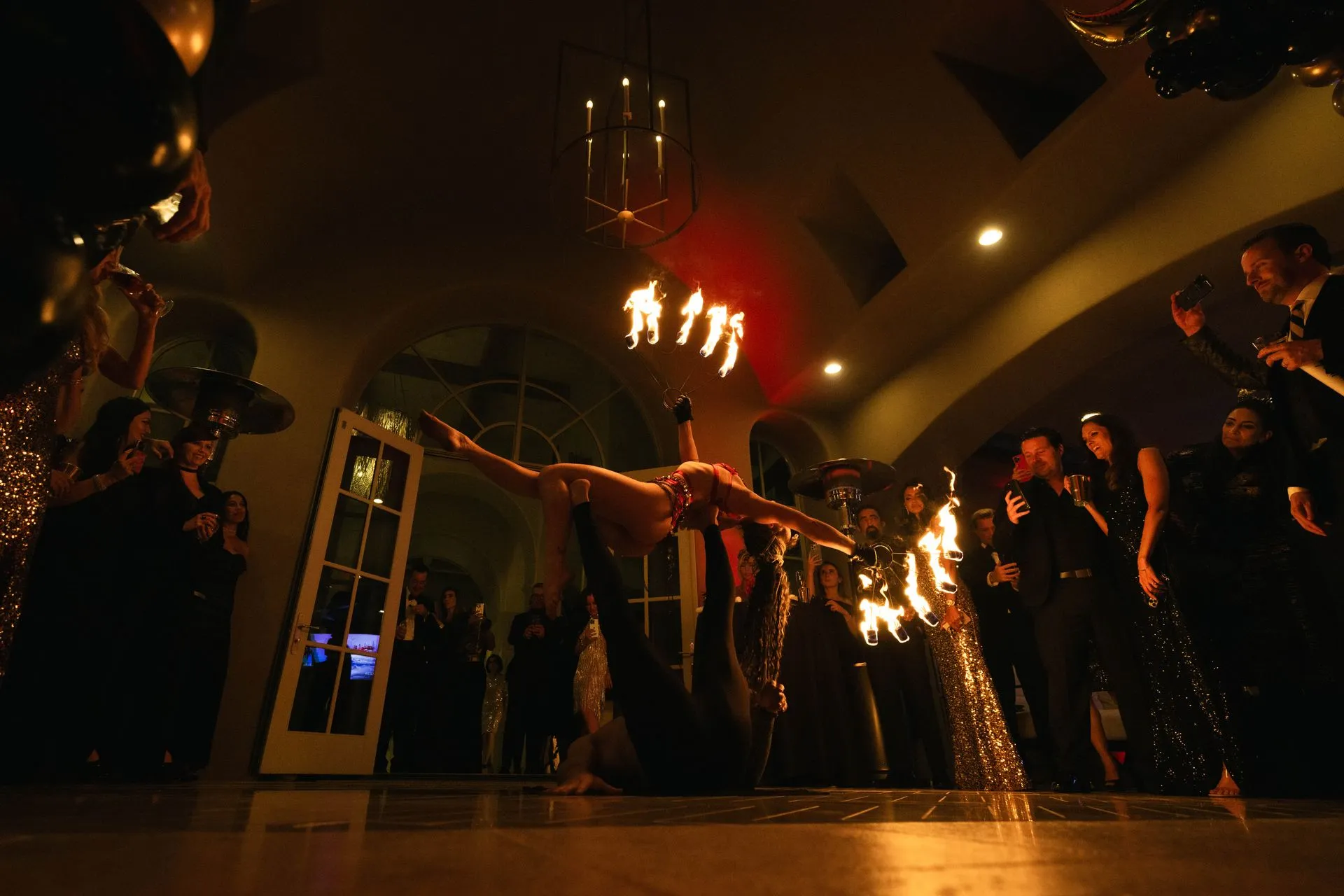
Photo: Hana Events + Experiences.
New posts, straight to your inbox.
Real lessons from real corporate events, no filler.