What Ambient Lighting Adds to a Corporate Event That Stage Lighting Can't
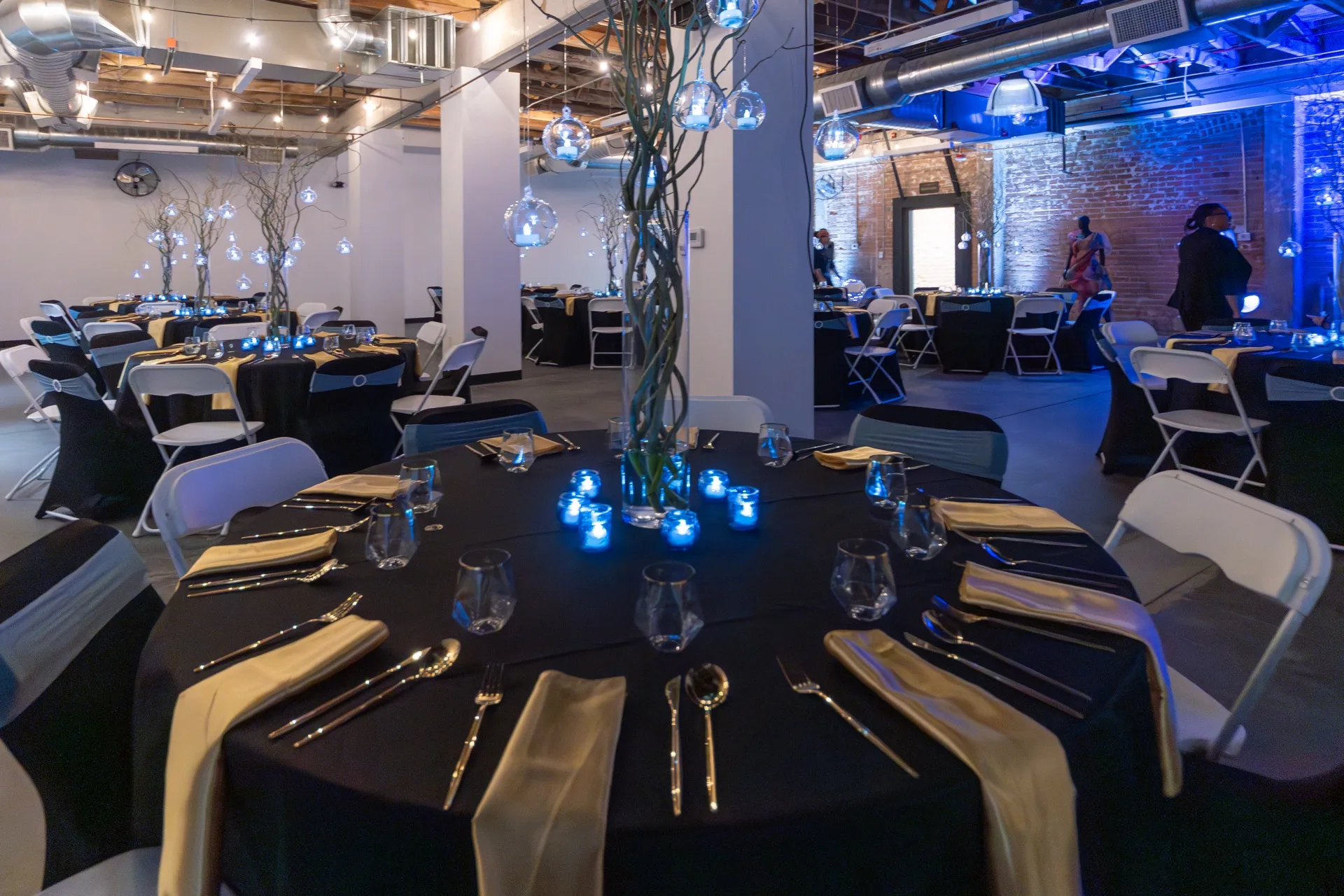
The lighting plan gets signed off weeks before the event: stage wash, a few uplights on the ballroom columns & enough amps on a dedicated circuit so nothing trips mid-keynote. Then the keynote ends, the house lights come up for the reception & the room looks like a conference center that rented some color.
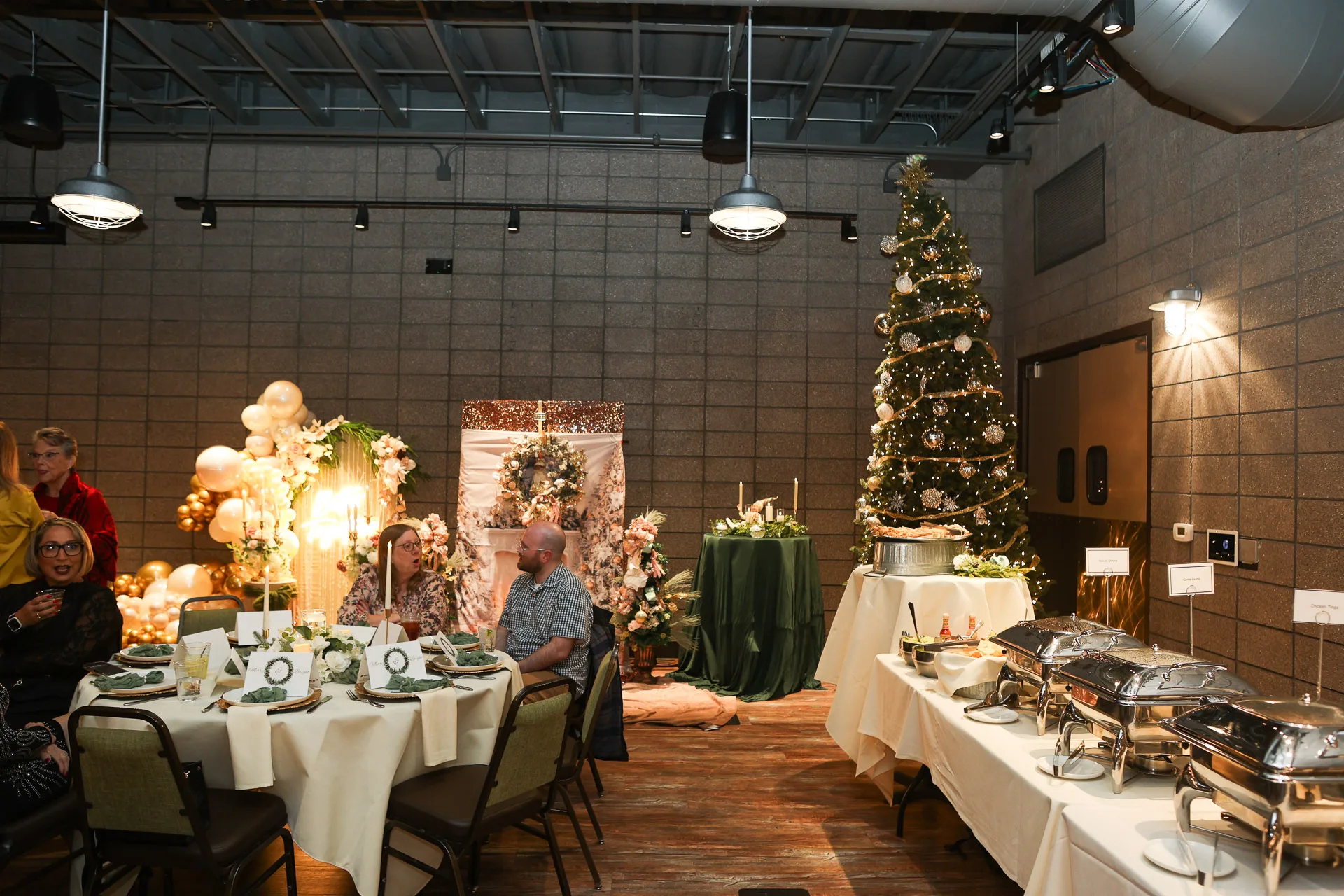
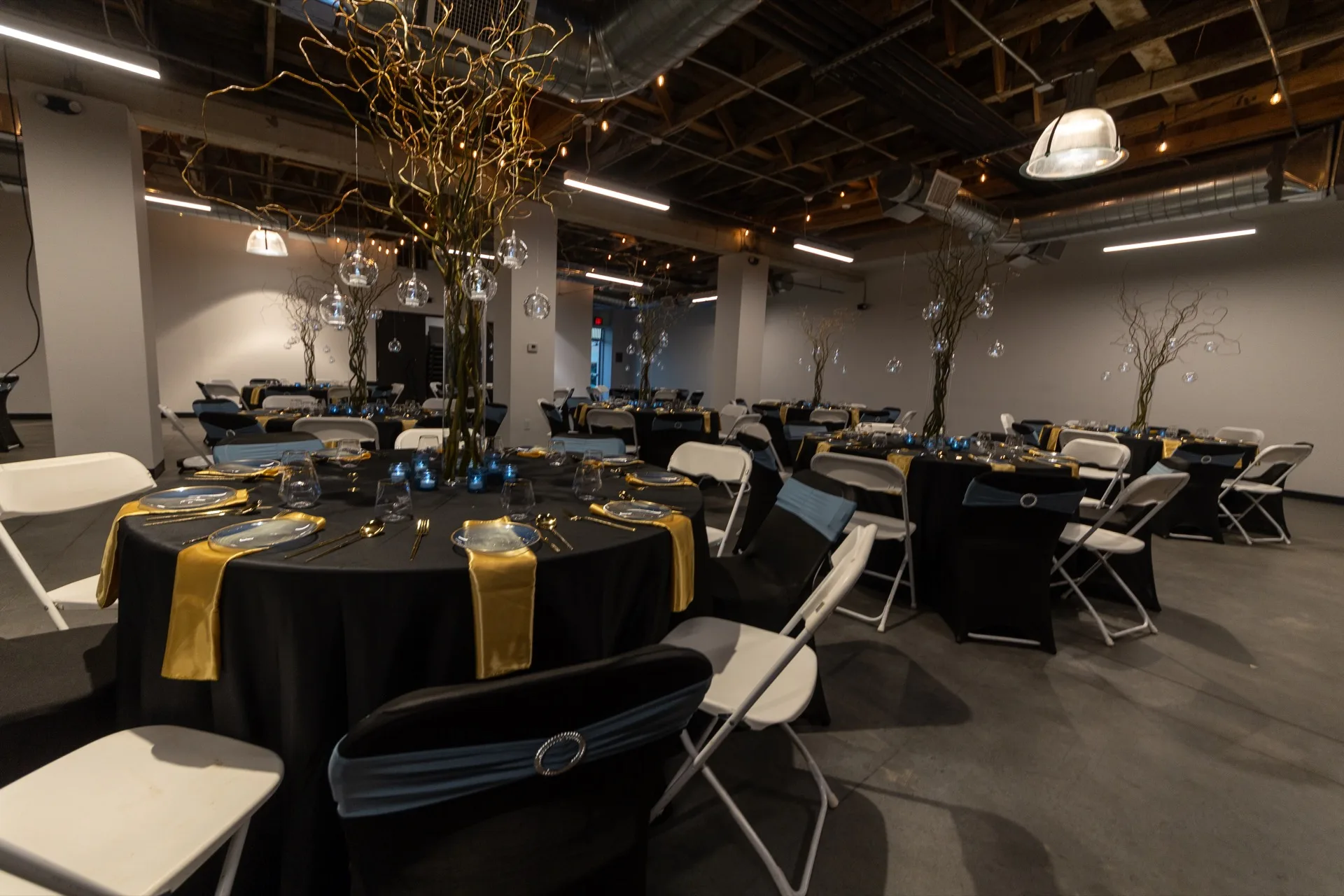
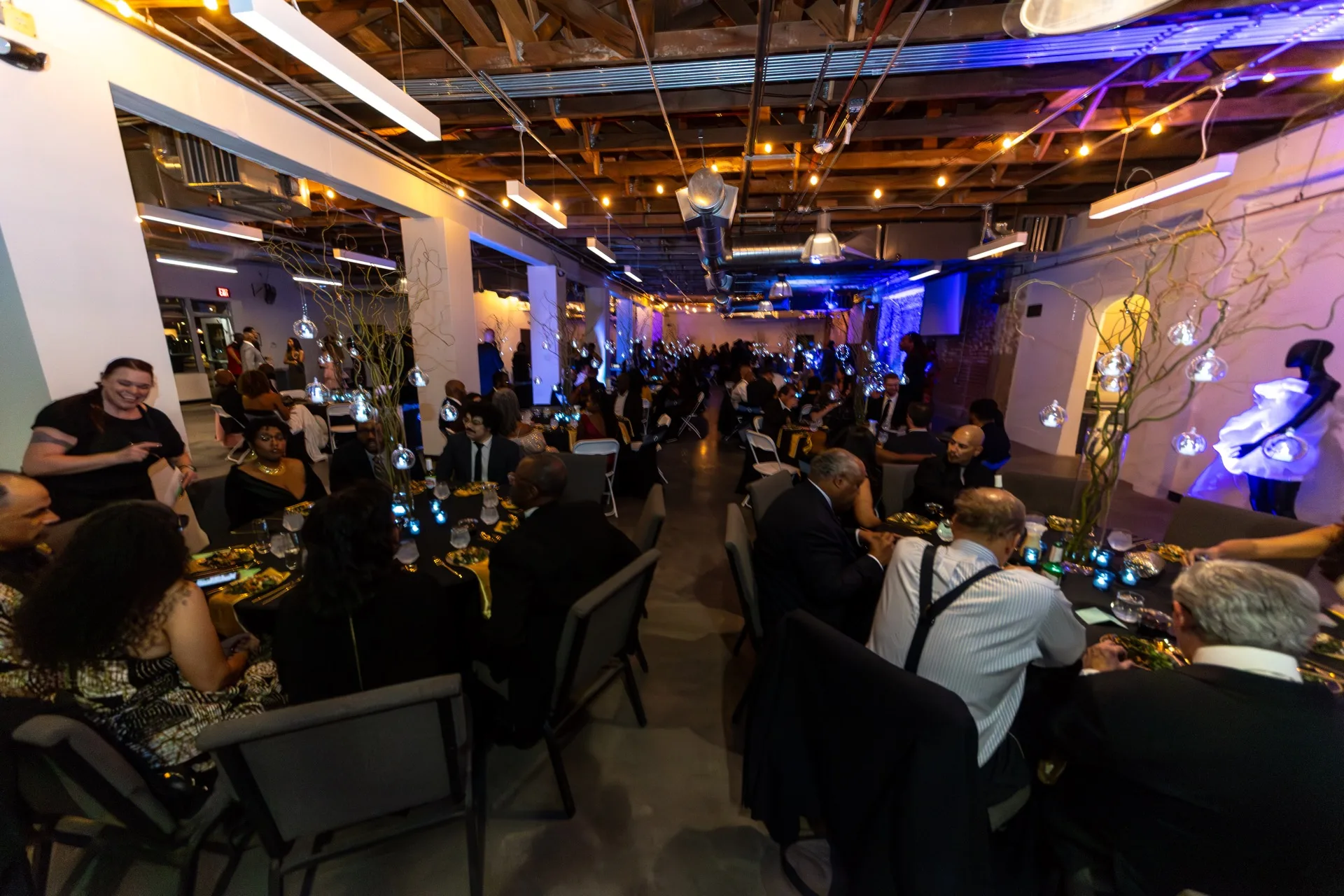
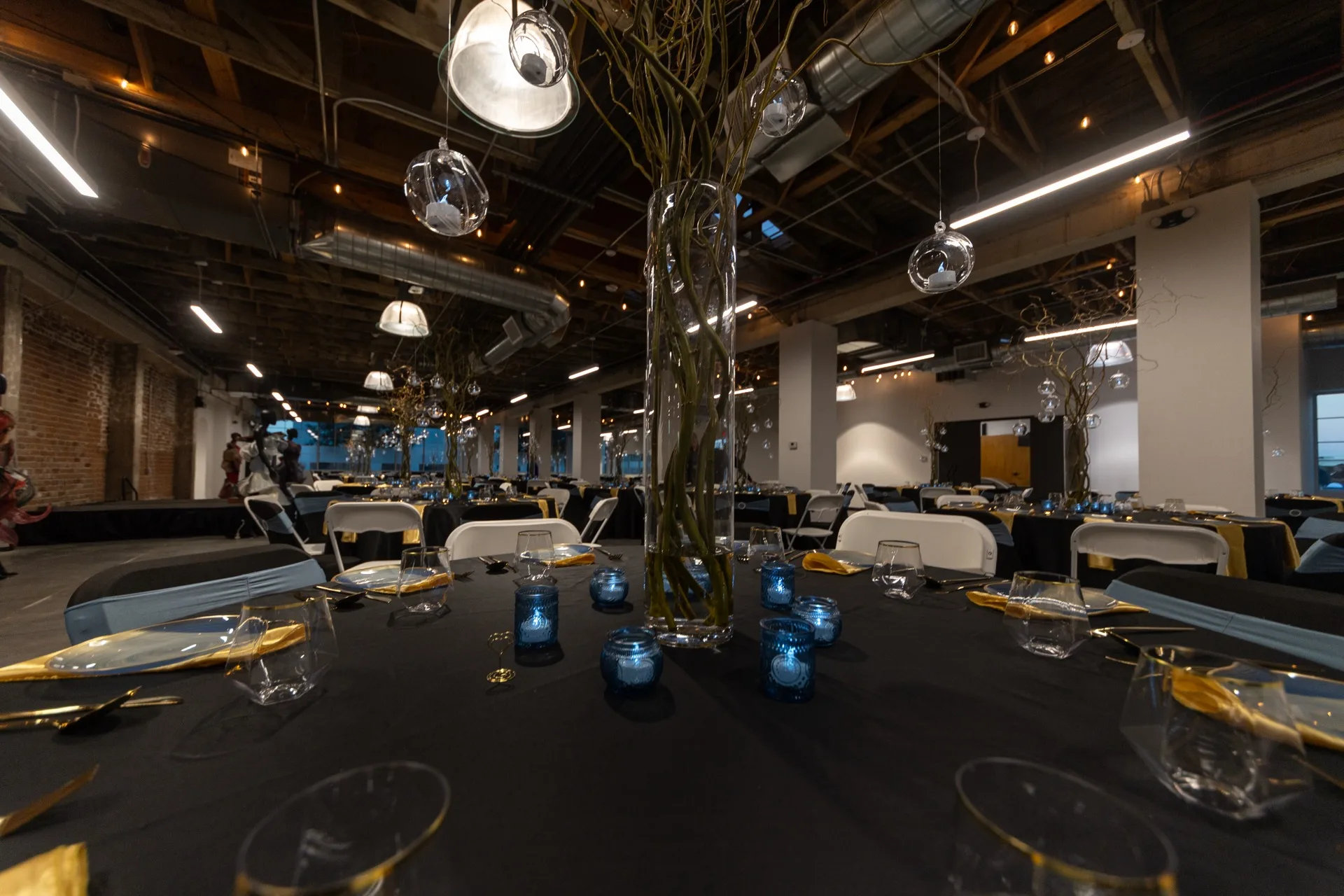
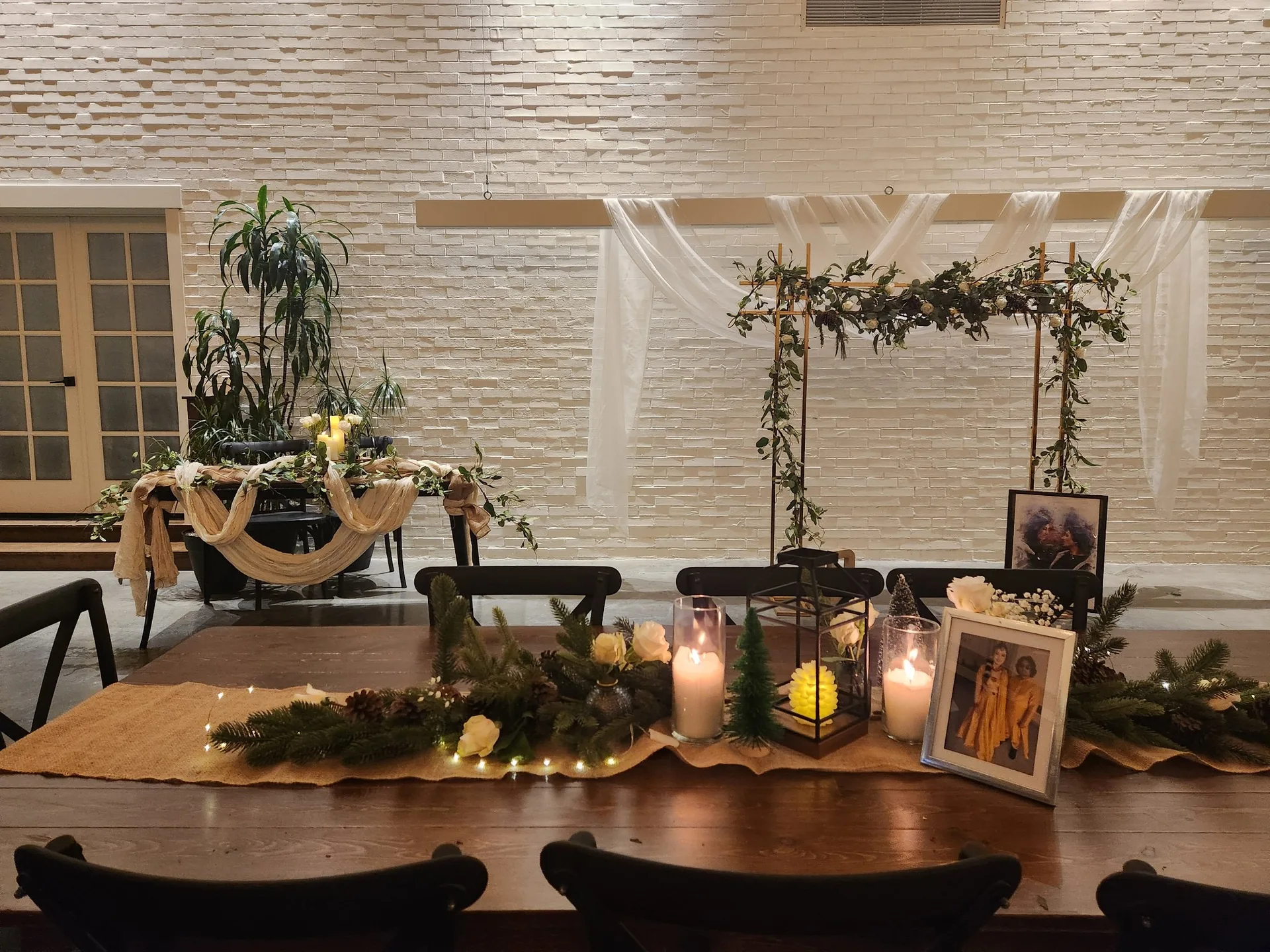
Ambient lighting is the soft, decorative layer that fills that gap, string lights, lanterns & candlelight that doesn't run the program the way stage lighting or uplighting does. It fills what production lighting leaves dark once the speaker walks off & it's the difference between a room that feels intentional & one that just got lit.
Ambient Lighting as Its Own Layer
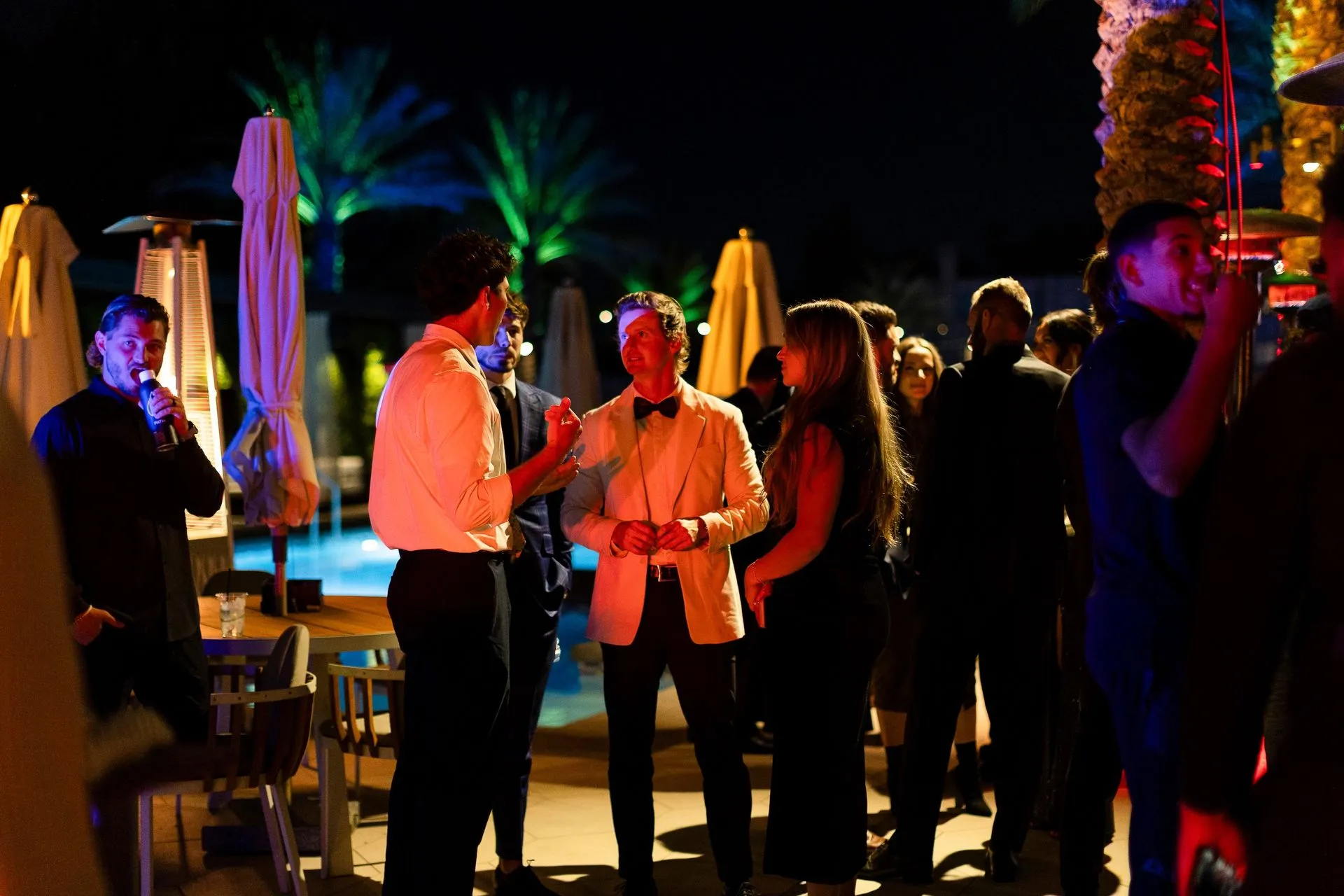
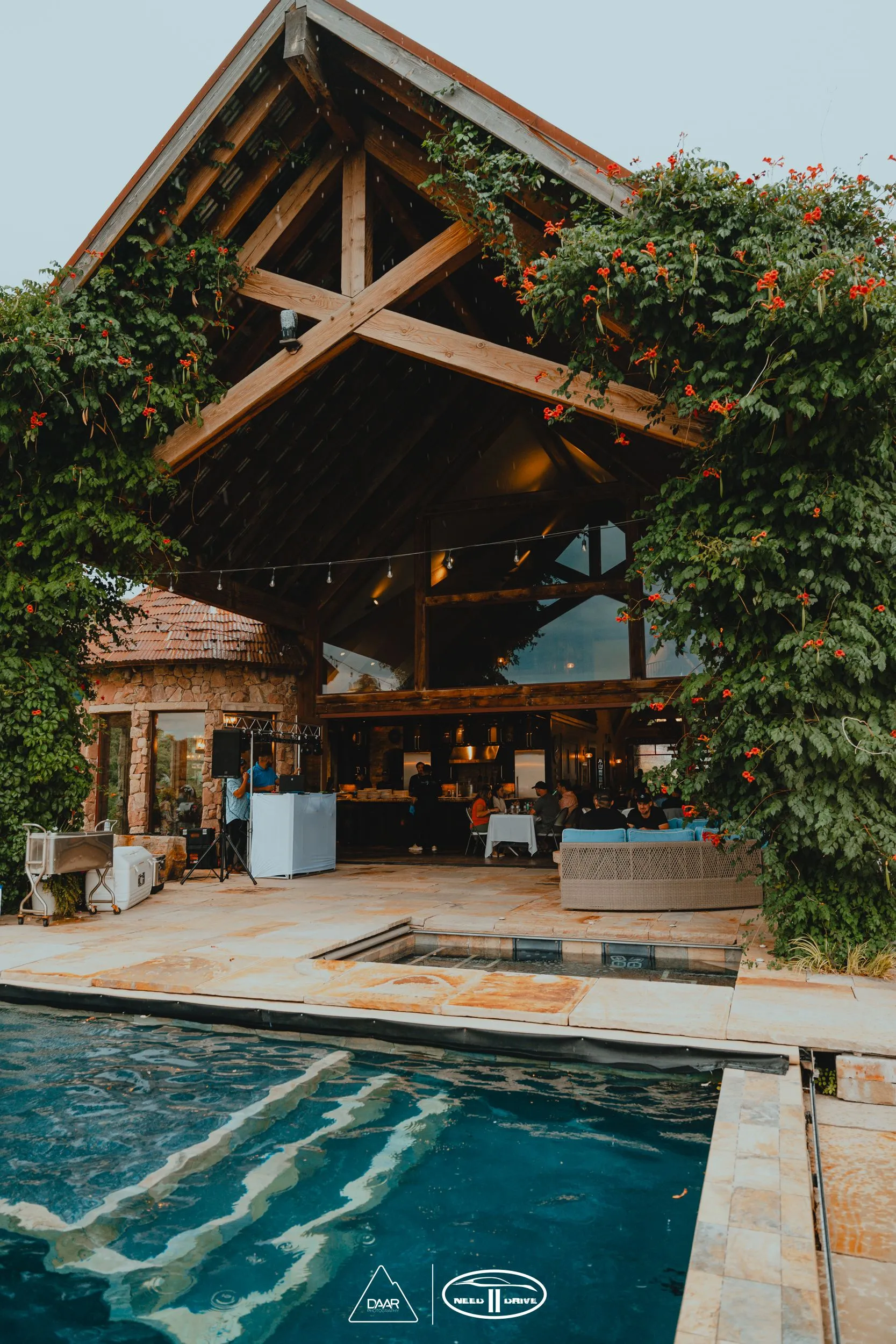
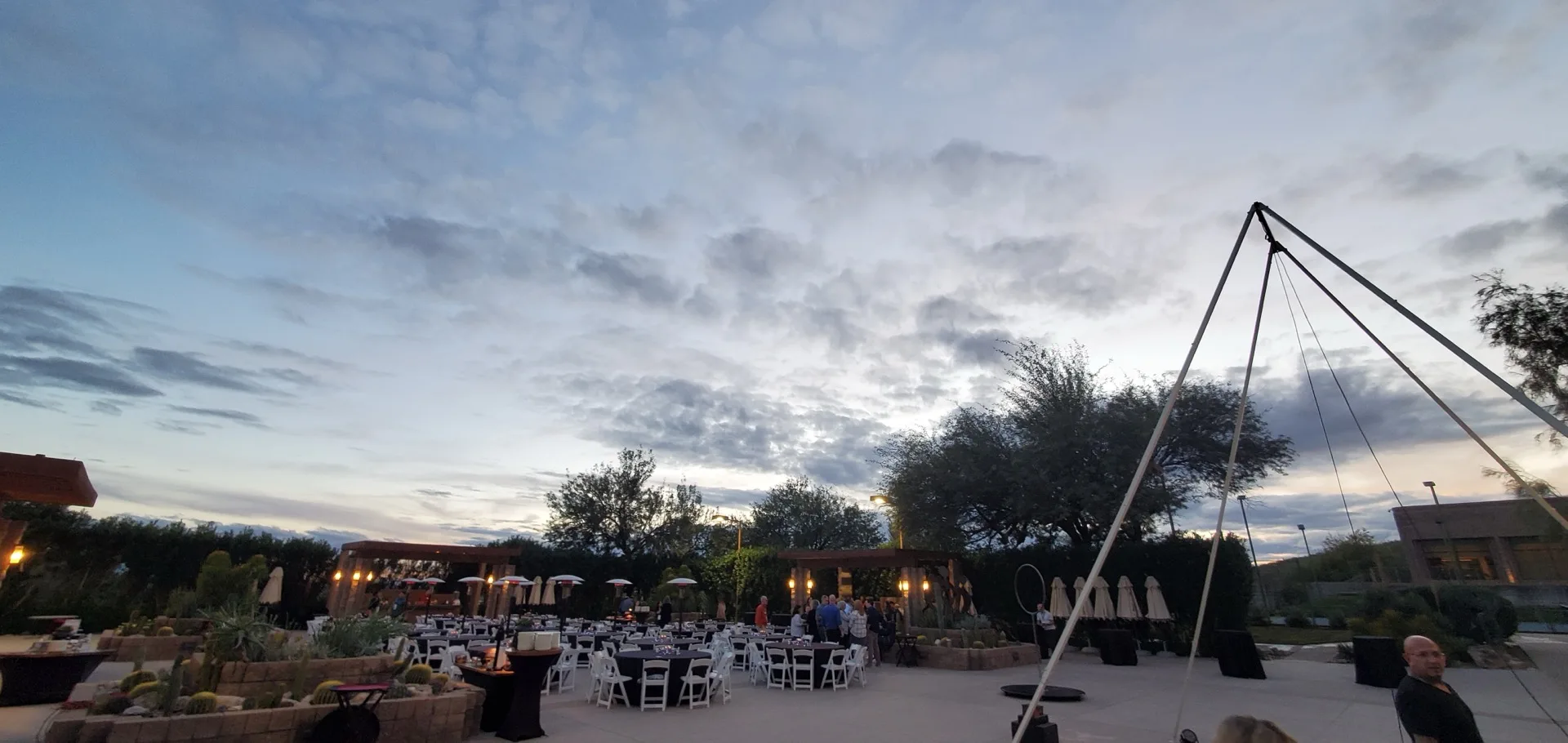
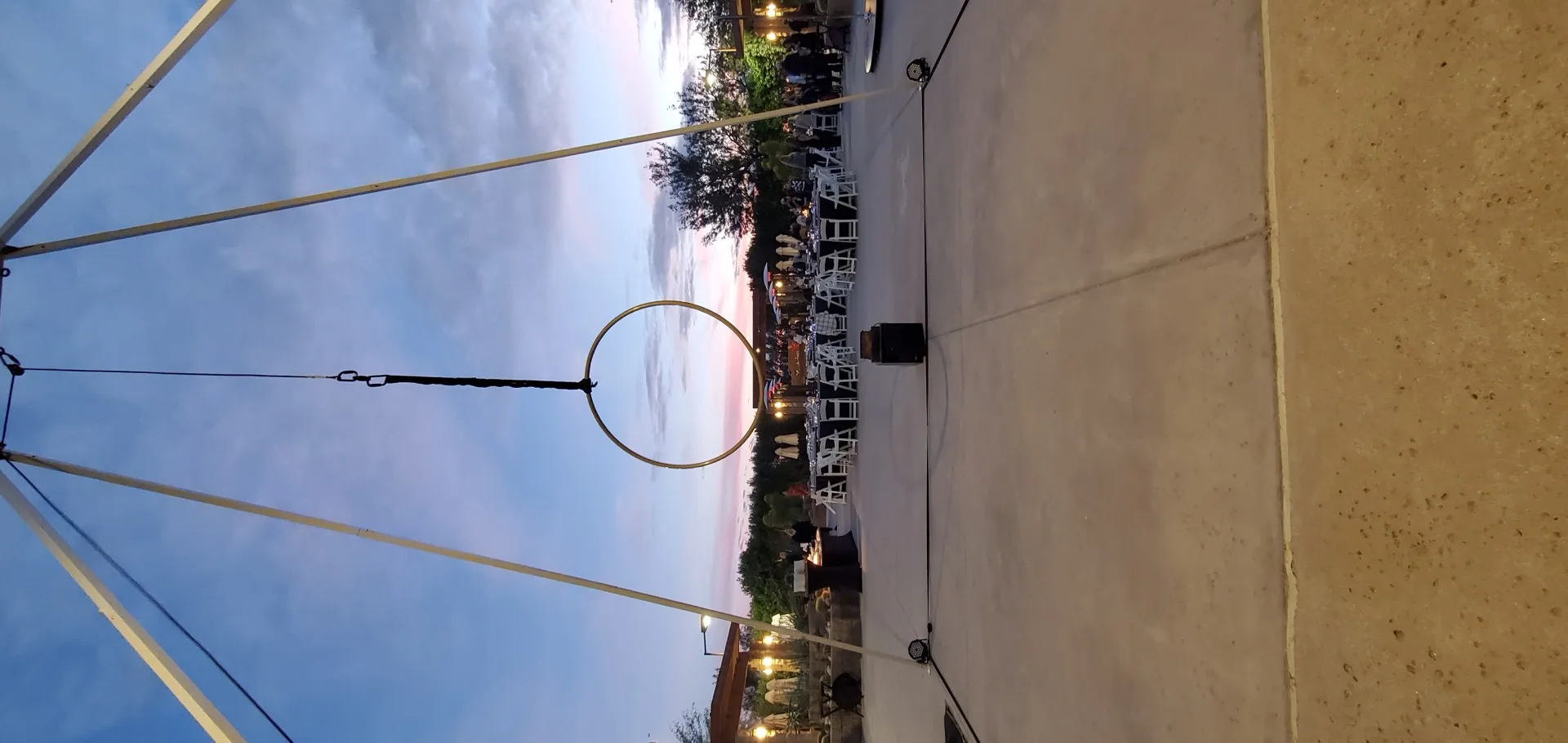
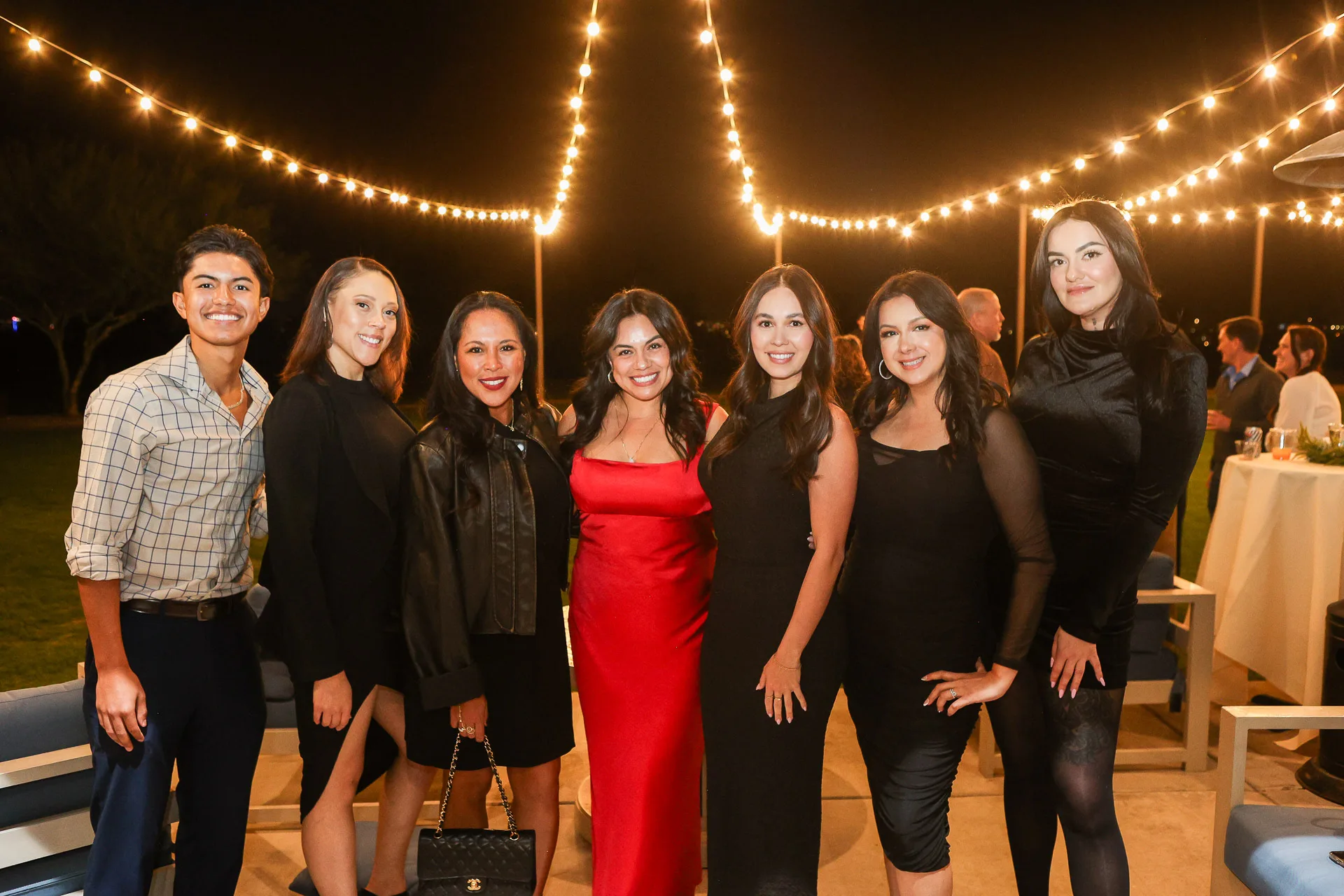
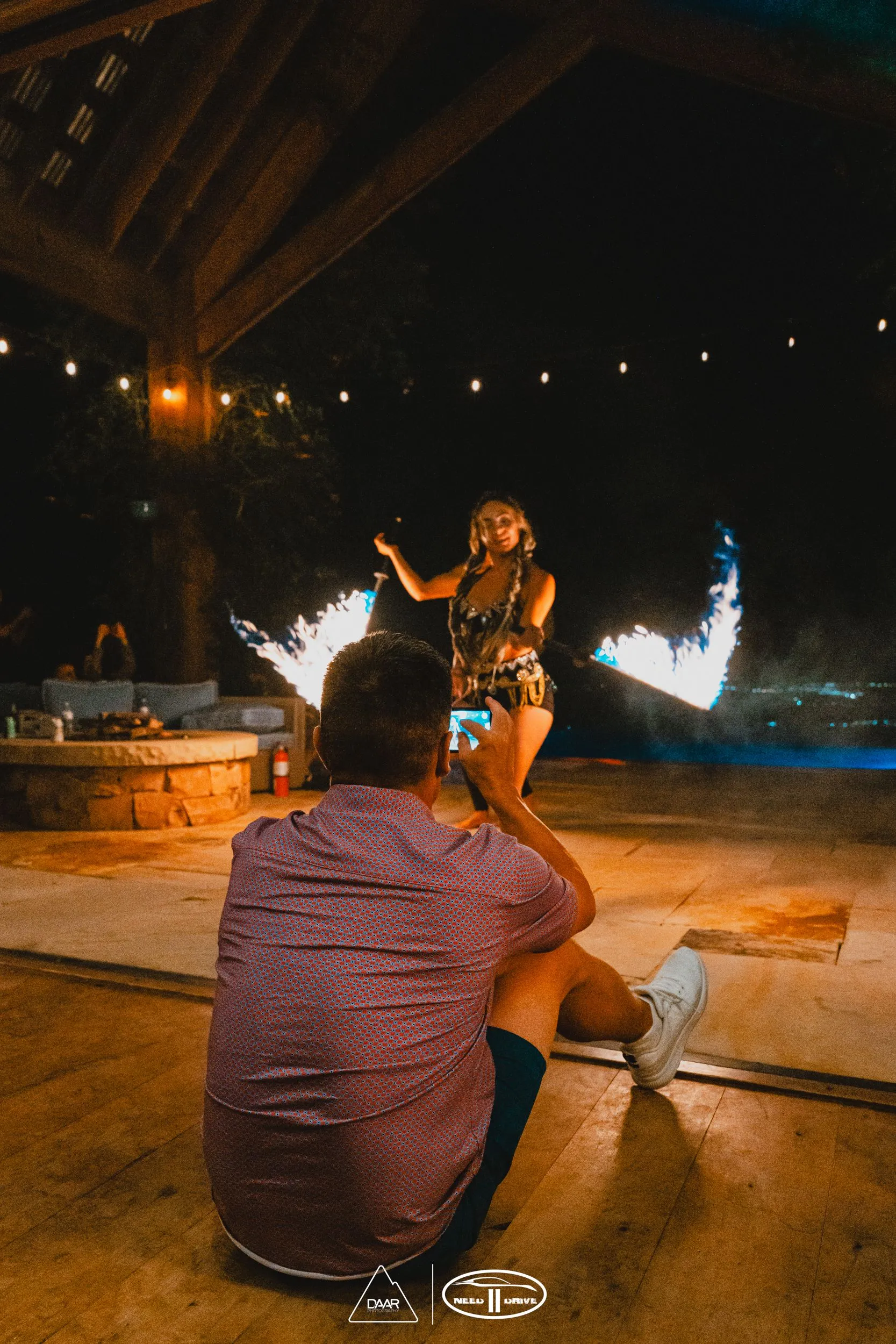
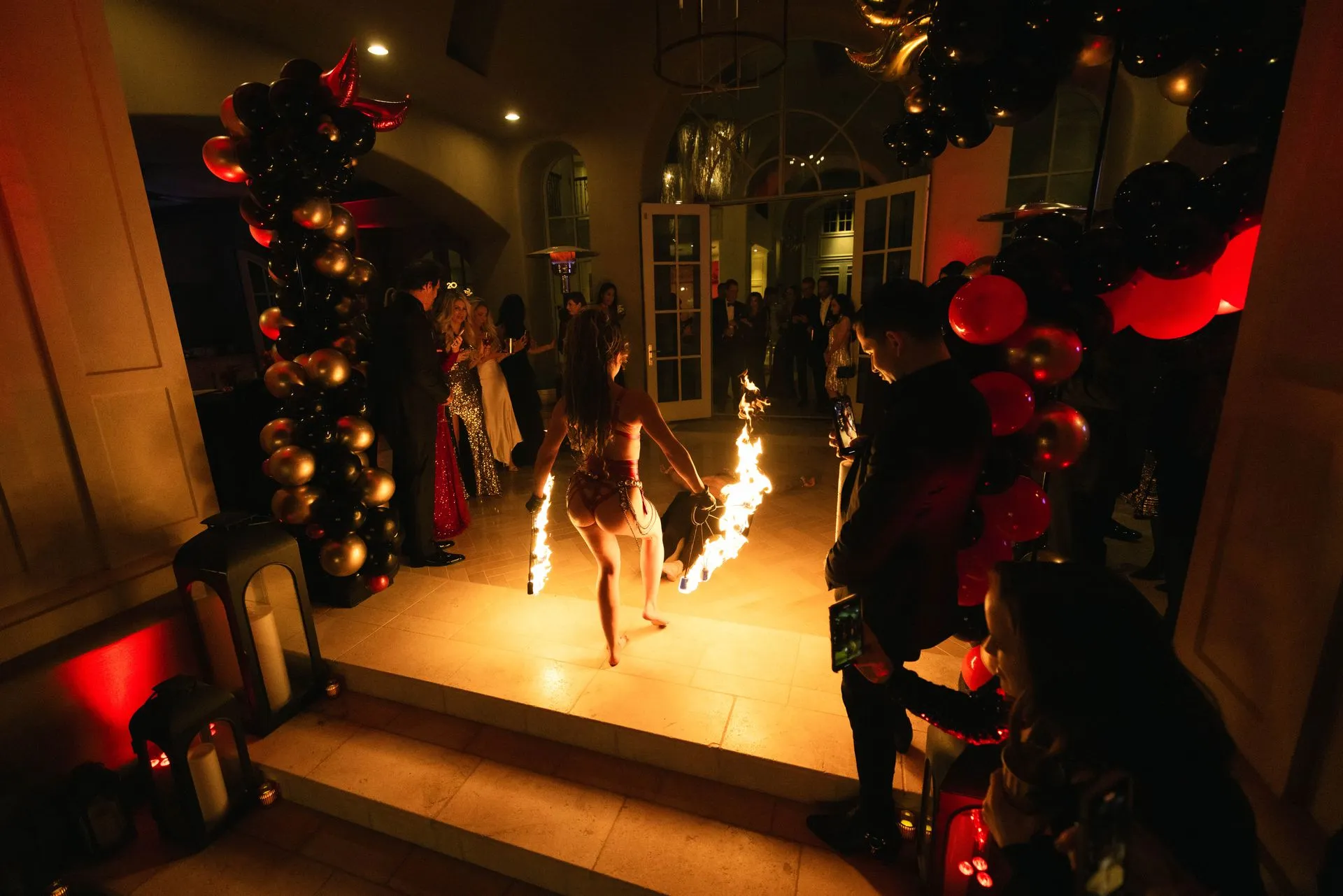
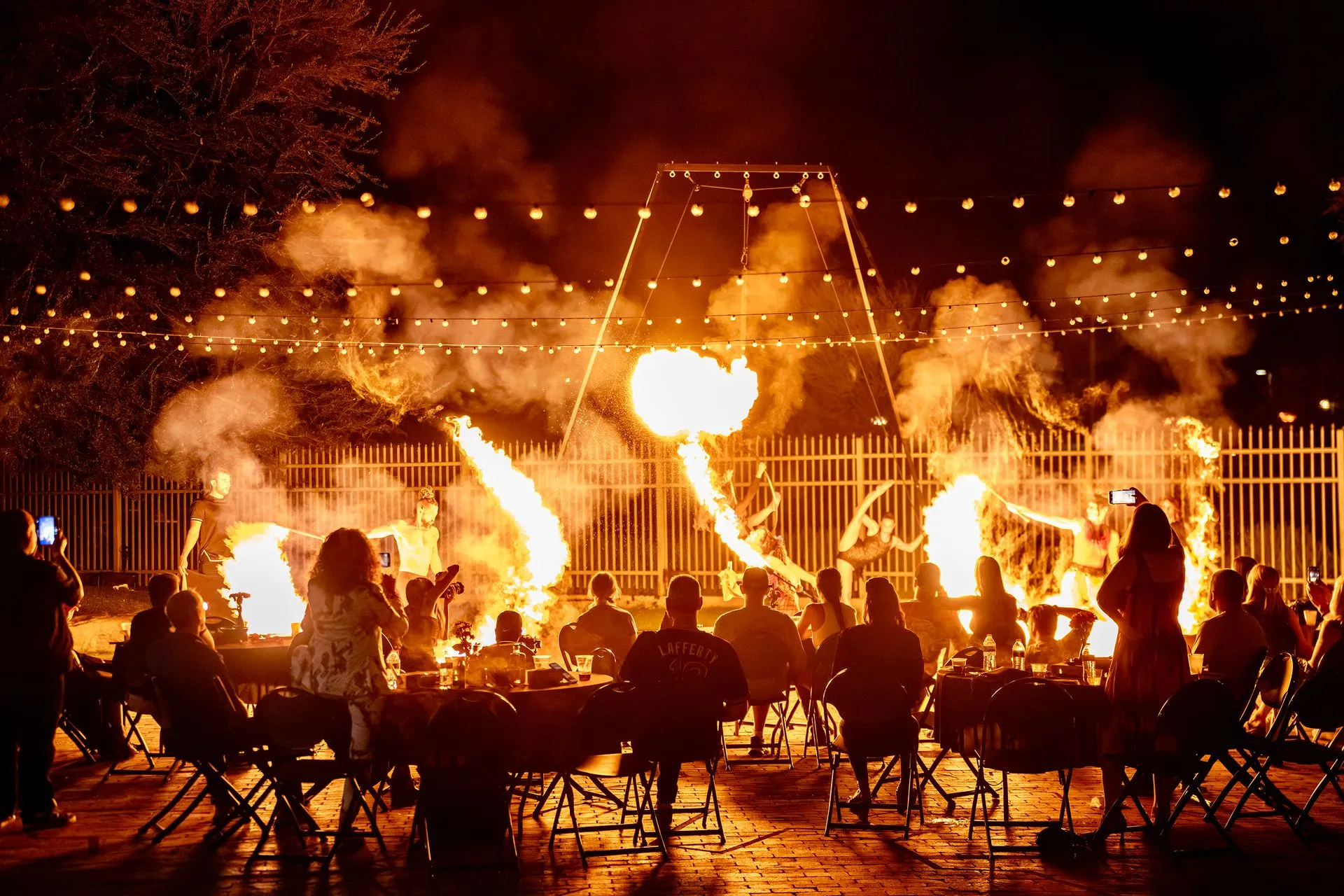
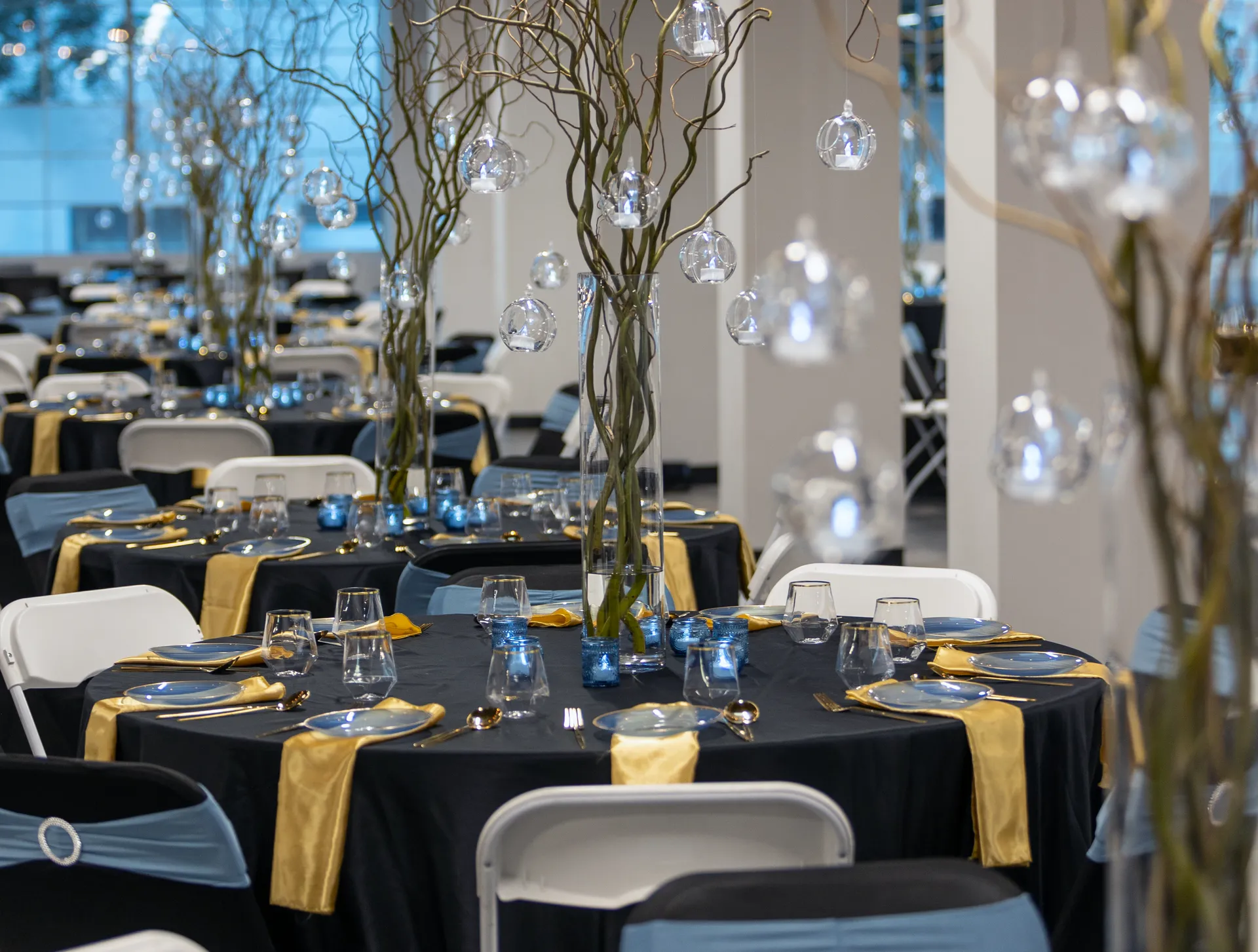
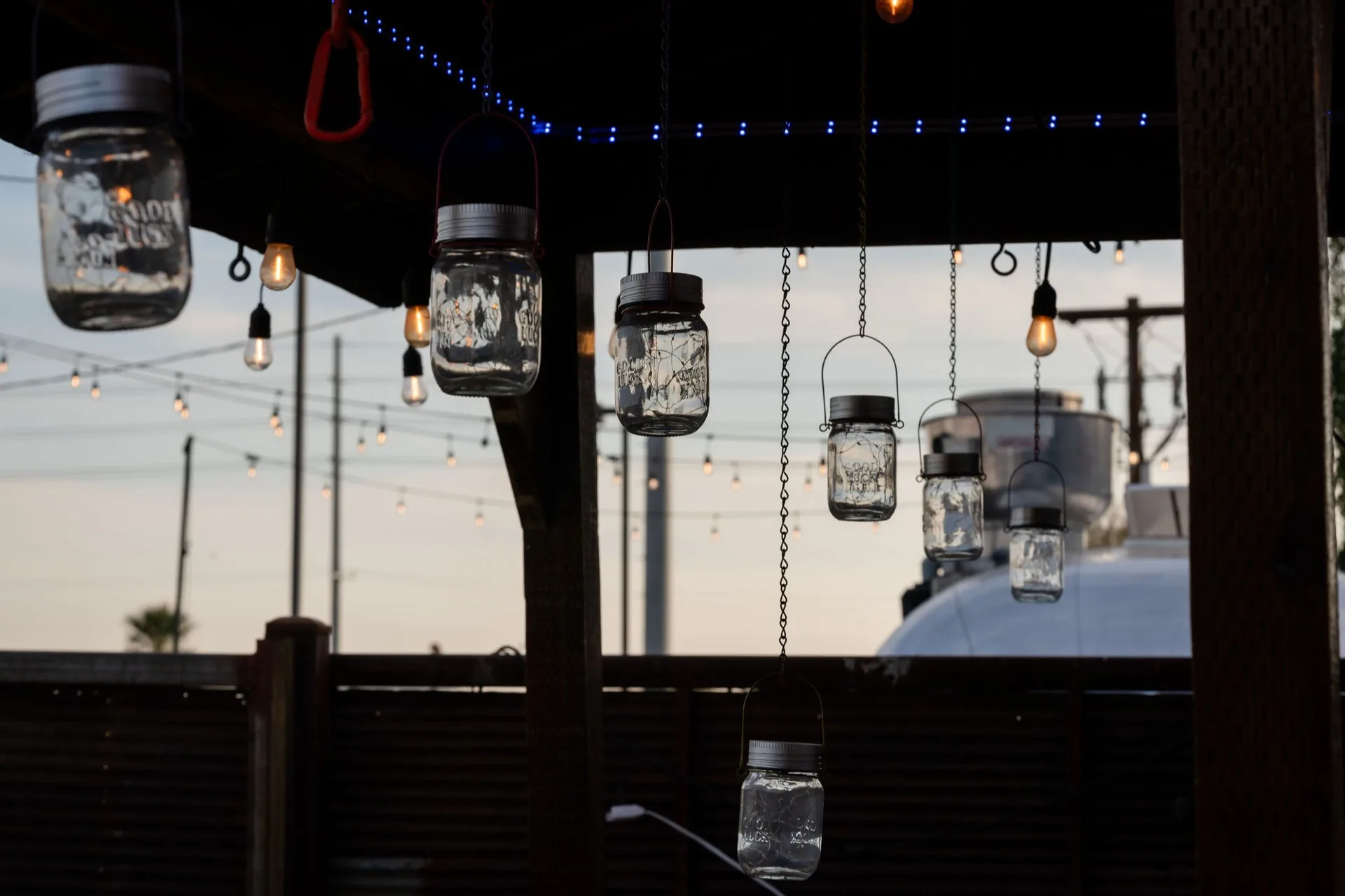
A row of hanging lanterns over a patio bar. A string of warm bulbs threaded along a fence line. A scatter of candles on cocktail tables once the sun's down. None of it runs off the lighting console & none of it is on the AV rider. It's closer to decor than production, which is exactly why it gets left off the plan: it belongs to nobody's line item, & the room that reads as intentional instead of produced is usually the one where somebody claimed it anyway.
- String lights or festoon, run along a fence, tent line, or overhead structure
- Lanterns, hung or clustered, lit warm rather than bright
- Candlelight or votives on tables once ambient light drops
- Fairy lights tucked into greenery, florals, or a bar display
Super Bright LEDs puts a number on the glow: warm ambient fixtures for wedding & event venues typically run "around 3000 to 3500K", & the same guide notes that "restaurants, bars, wedding and event venues, concert venues, etc., utilize lower light levels with multiple warm layers of light." Backline Studio adds that festoon & string lighting are "perfect for festivals, garden parties, and street fairs", the same outdoor, mingling-heavy settings where a corporate reception or cocktail hour actually lands.
Where Production Lighting Stops
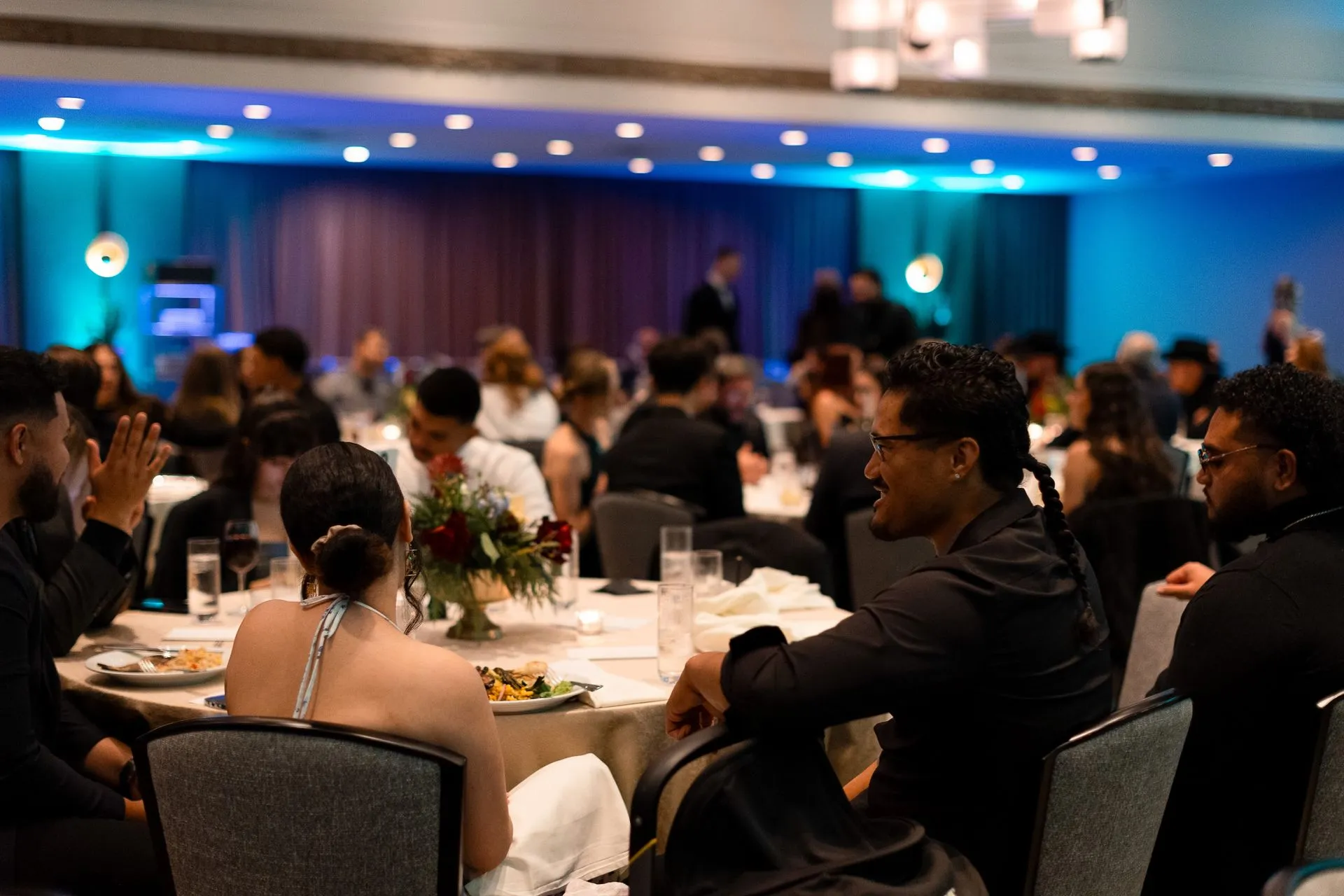
Hana's already covered what lighting design actually controls: color temperature, camera-safe angles for a speaker on stage & where lighting zones split a room so the dance floor & the dinner tables each run their own wash. That system runs the program. It answers to a cue sheet. Ambient lighting answers to nothing but the room, & it's still working after the cue sheet is done for the night.
Warm Light's Effect on a Room
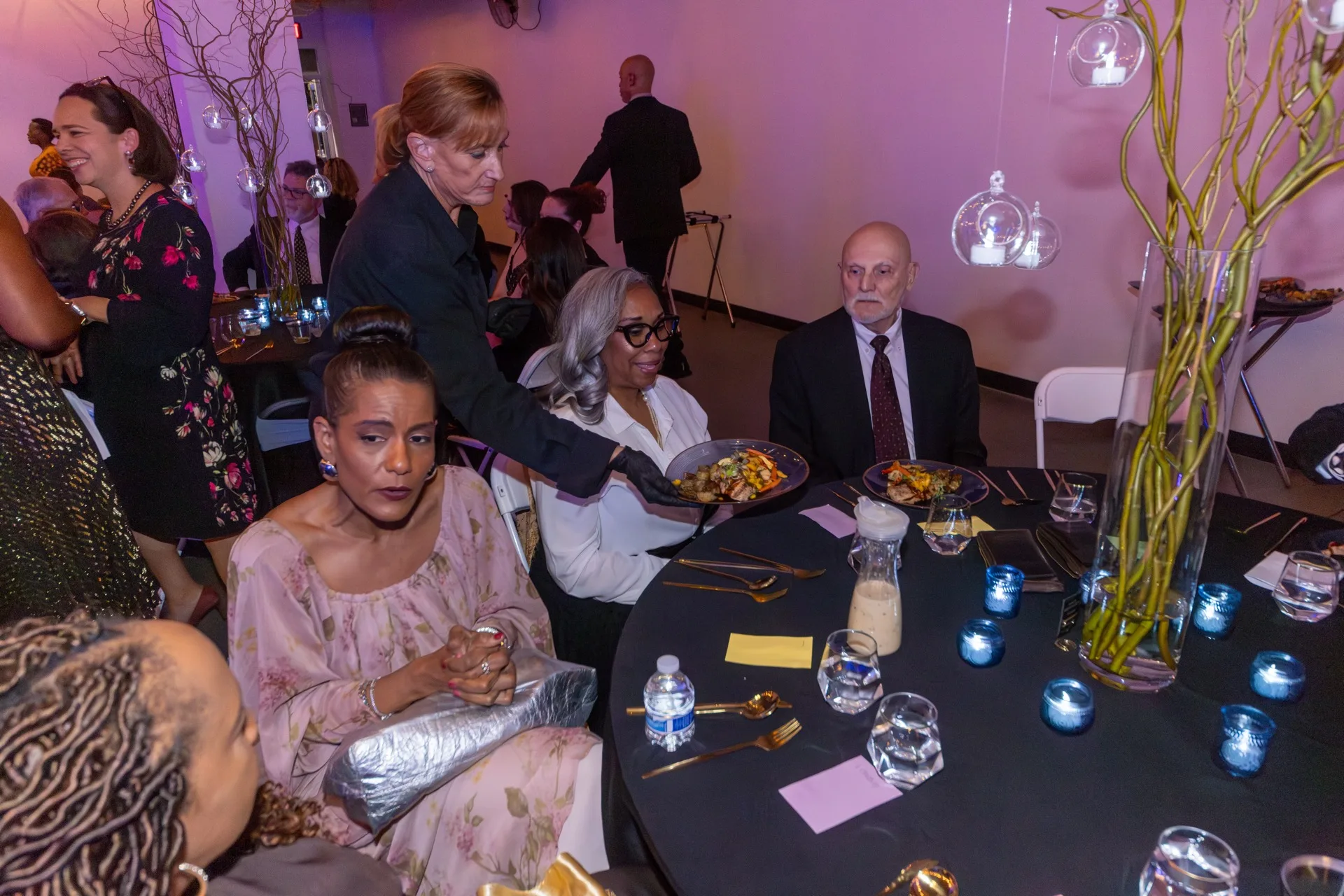
Environmental psychologist Sally Augustin names the mechanism directly: "under warm light, we're generally more relaxed than we are under cool light, and we get along better with others when we're in a warmer glow." A ballroom's house lighting & a stage wash are built to be seen & controlled, not to feel like anything in particular. Lanterns & string bulbs are built for the opposite job. Warm light is doing real, measured work on a room full of people who are about to network with each other instead of watch a stage.
The Planning Gap Between Decor and AV
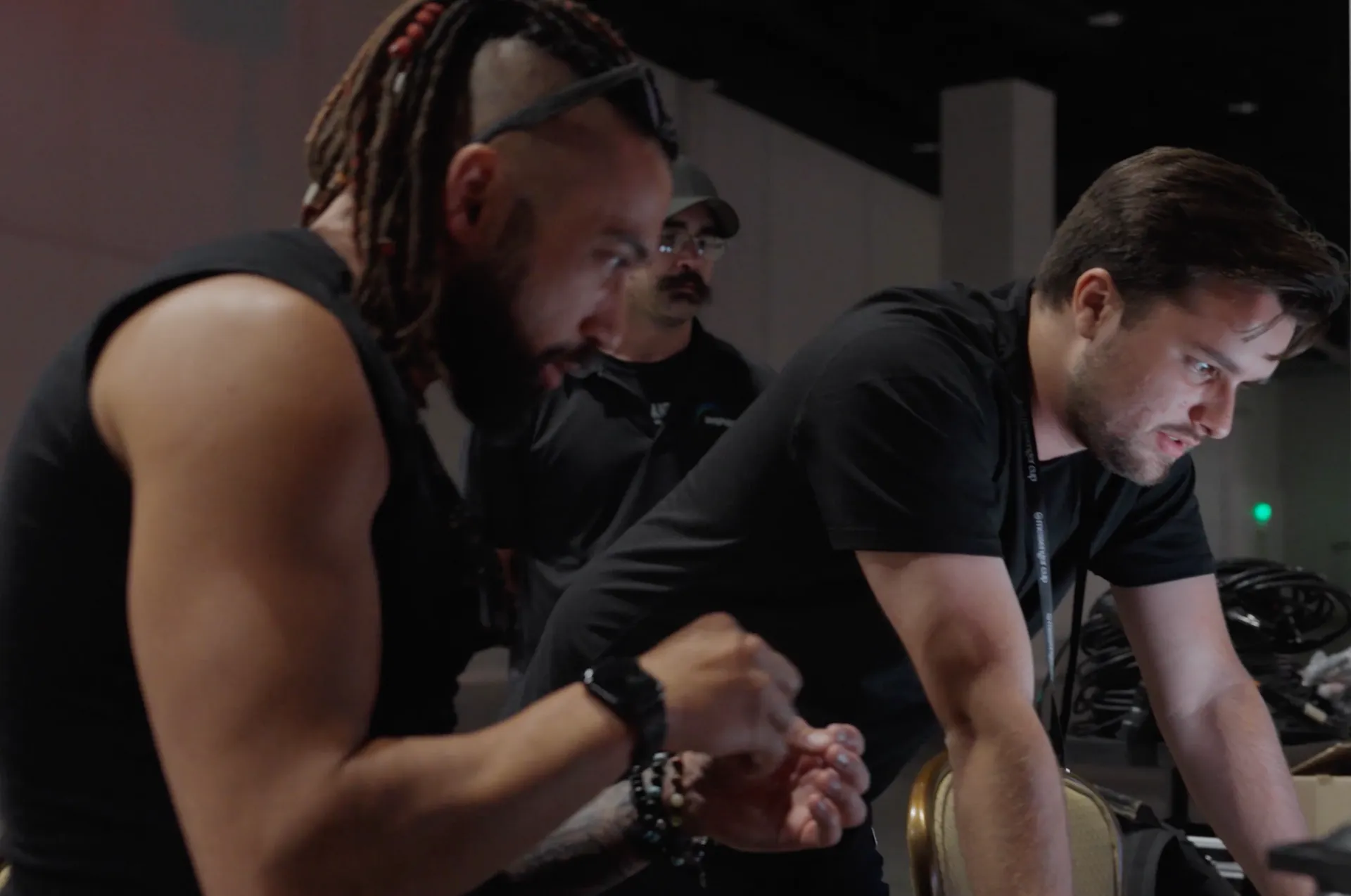
UK lighting designer Jessica Ball calls lighting "the invisible framework that holds the entire event experience together," & adds that most organizations underestimate how critical it is until they see a properly designed setup next to one that skipped it. Ambient lighting is the part of that framework most likely to get skipped, because it's rarely anyone's assigned job. The AV vendor owns the rig. Decor owns the florals & the linens. A string of bulbs over the bar sits in the gap between the two.
Centric's 2026 trends piece names the real problem underneath that gap: how a planning budget gets allocated matters more than its total, & "beautiful design can look cheap under flat ballroom lighting." Ambient lighting is cheap relative to a full production rig. The real cost of skipping it shows up after the line item, in a room that reads as unfinished right where the formal program ends & the part people actually remember, the conversations, starts.
A row of lanterns over the patio bar or a line of warm bulbs along the tent line costs less than most people assume, & it's one more thing worth checking on the walkthrough alongside zones & power. Tell us what the room looks like once the formal program ends & we'll tell you what's missing. Related reading: where decor budget should go first, & what lighting design is actually built to control.
Questions planners ask us
What is ambient lighting at a corporate event?
Ambient lighting is the soft, decorative lighting layer, string lights, lanterns & candlelight, that sets the mood of a room rather than running the program. It's different from stage lighting or uplighting, which are built to control what guests can see & when.
Is ambient lighting the same thing as uplighting?
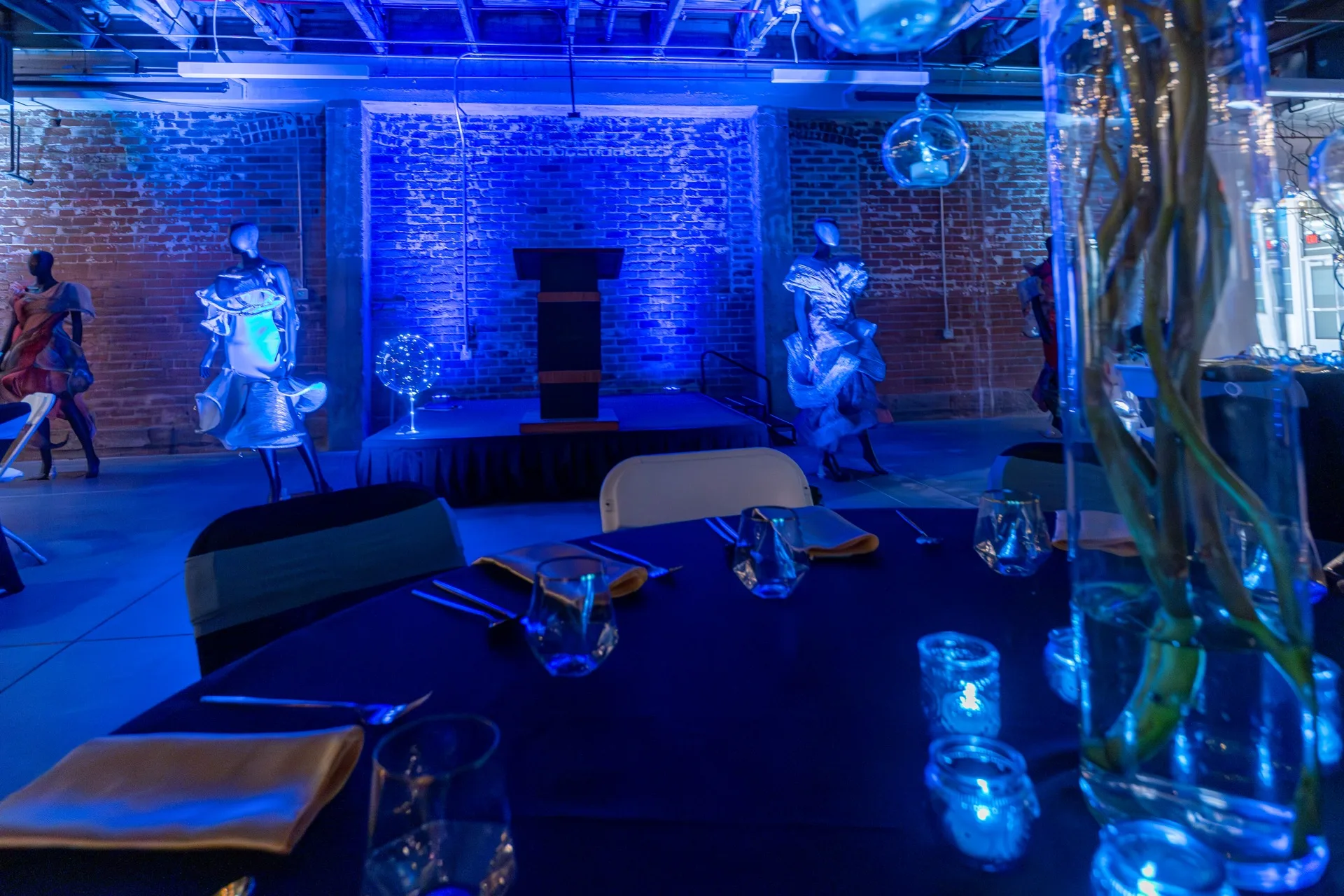
Uplighting is production lighting: it washes a wall or column in color & runs off the same console as the stage. Ambient lighting, string lights, lanterns, candles, runs independently & keeps working after the production lighting cues are done for the night.
Who's responsible for ambient lighting, decor or AV?
Neither owns it automatically, which is exactly why it gets missed. The AV vendor's rider covers the production rig. Decor covers florals & tabletop. Ambient lighting needs to be named as someone's job during planning, the same way power & zones already are, or it falls through the gap between the two.
Does ambient lighting cost much on top of a production lighting budget?
Not usually. String lights, lanterns & candles run far cheaper than a production rig, which is part of why skipping them is a planning oversight more than a budget one. The bigger cost is a room that reads as unfinished once the stage lighting's job is done for the night.
New posts, straight to your inbox.
Real lessons from real corporate events, no filler.