When Should the Big Moment Happen at a Corporate Event?
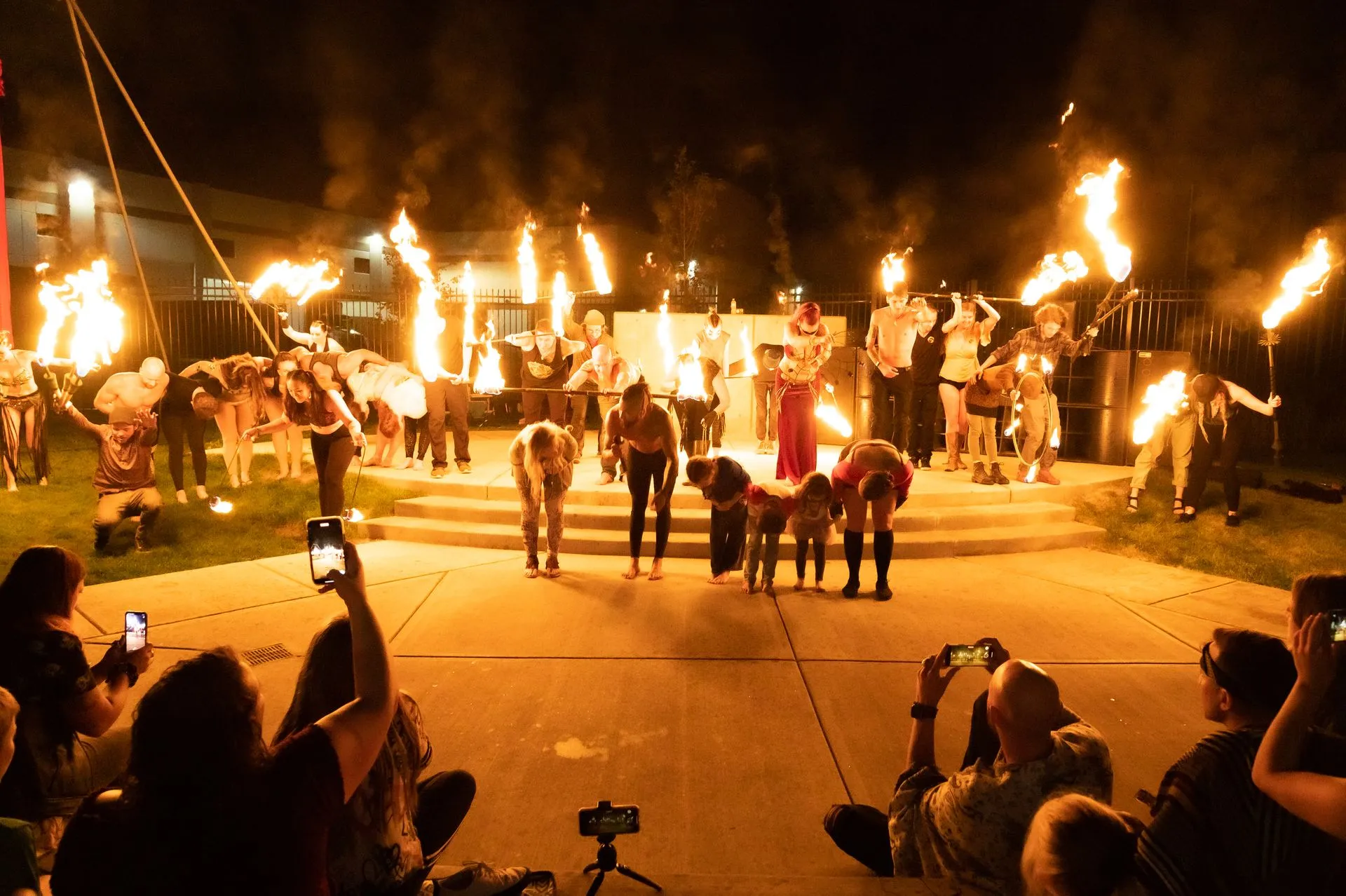
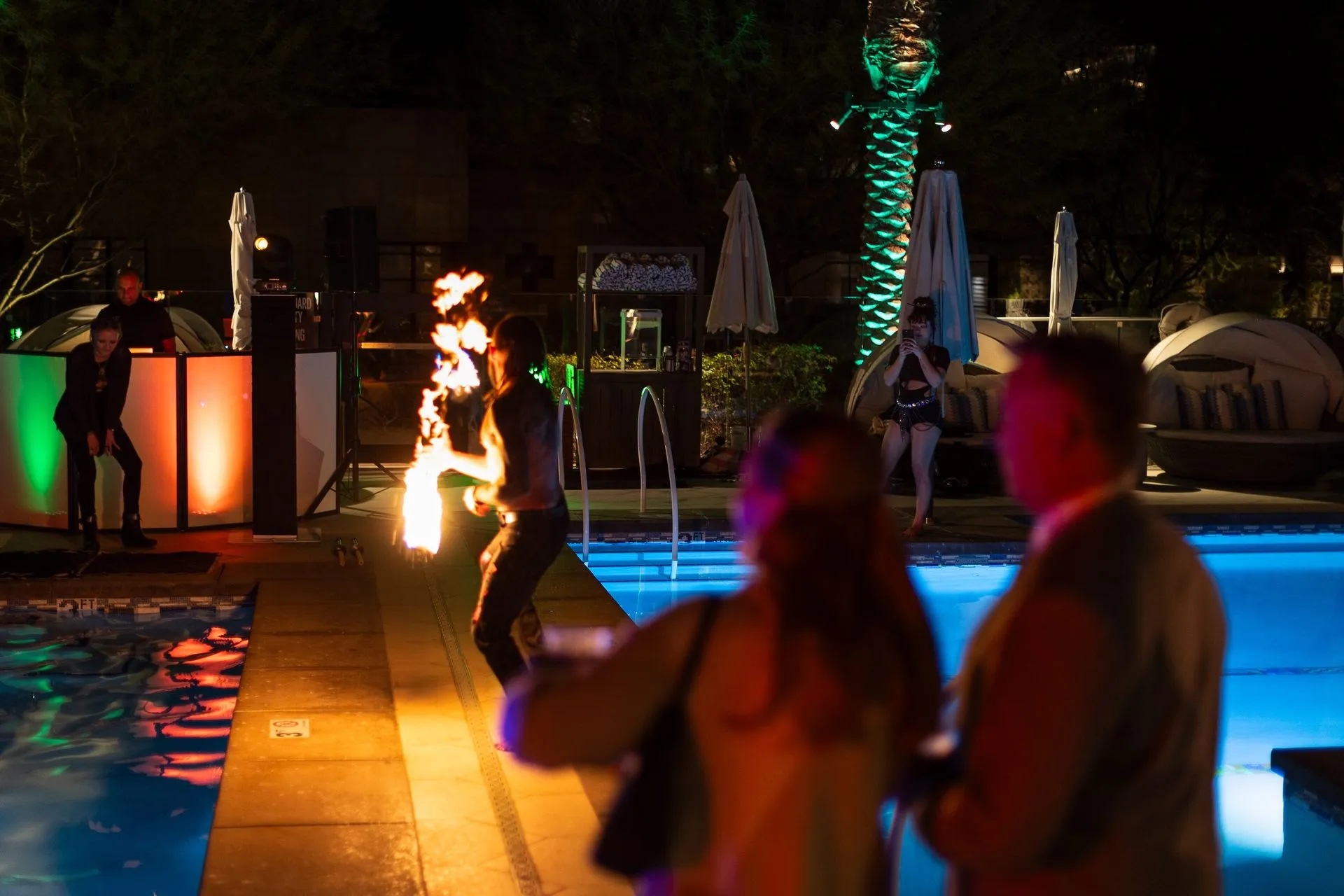
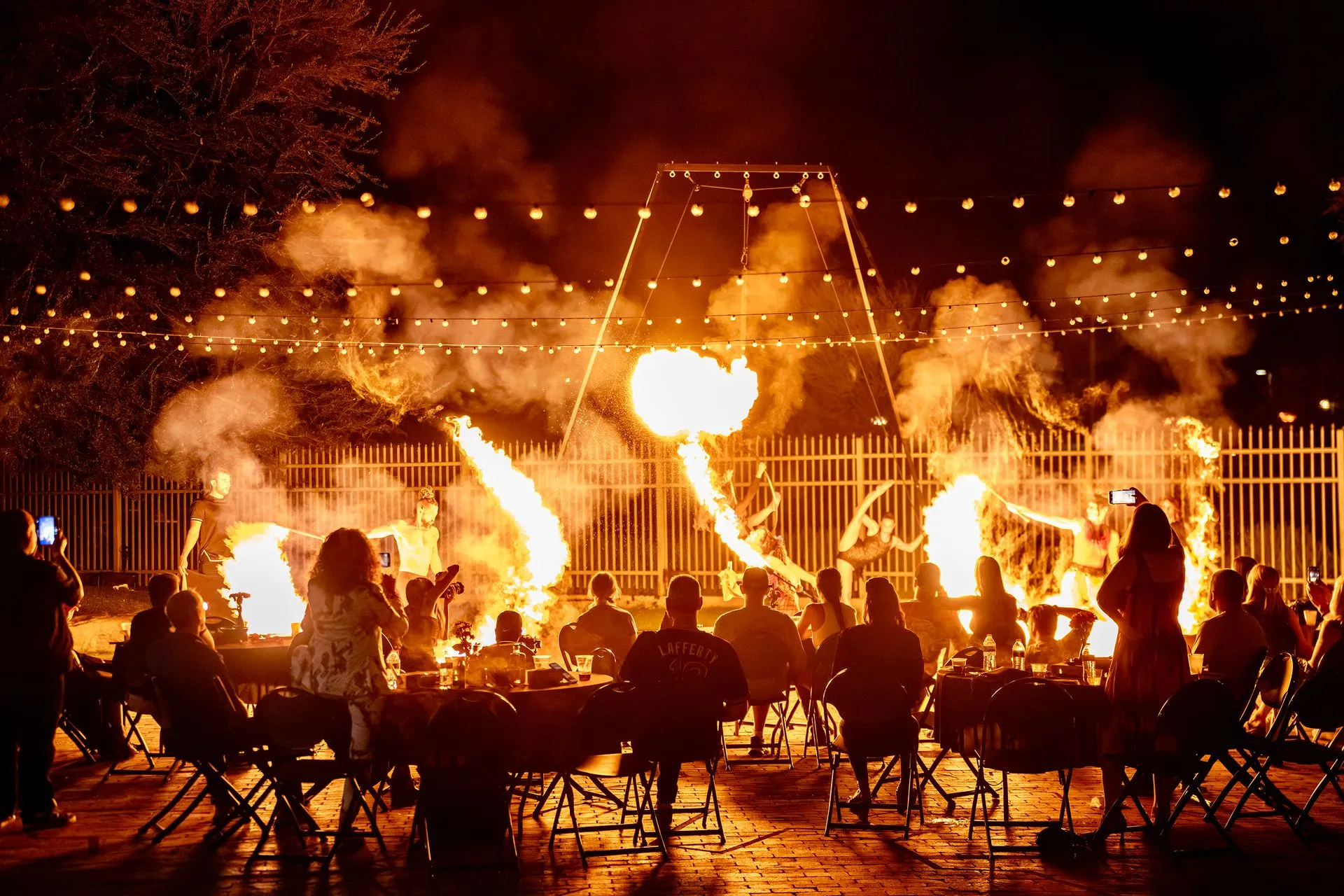
At 11:58, the room goes quiet without anyone asking it to. A few hundred people turn to face the same corner of the lawn, waiting on a countdown clock that hasn't started yet. For a second, nothing is happening. That stillness is the half-beat before the one moment everyone actually came for.
A corporate event's entertainment works best built around one clearly placed high point, not spread out evenly across the whole night. The reasoning comes from how people actually remember an experience afterward: judgment leans hard on the most intense moment & how the night ends, not on averaging out everything that happened in between (researchers call that averaging-out effect duration neglect). Event designers plan for this on the agenda itself, mapping where the room's energy is already rising & placing the one big moment there instead of forcing it into a lull. One strong peak, two at most. A third tends to flatten the first two instead of adding to them.
The Room Remembers the Peak, Not the Average
This is close to what psychologists call the peak-end rule: "people judge an experience largely based on how they felt at its peak (i.e., its most intense point) and at its end." The same source notes "the effects of the duration of an experience upon retrospective evaluation are extremely slight." It isn't an exact formula. Later studies call it only an approximate predictor, & researchers have found it holds up less over very long days. What it tells a planner is still useful: a program that spreads equal weight across every segment is asking the room to average something it was never built to average. One real high point, timed well, carries more of a night's reputation than an hour of evenly distributed activity.
Build Toward It, Don't Compete With It
Umbrex's experience design playbook treats this as a mapping exercise before it's anything else: "Map opening, rising action, peak moment, and resolution across your agenda," then "Identify Natural Beats" by charting "agenda highs and lows to see where energy dips or anticipation builds." The point of doing this on paper first is finding where the room is already climbing & putting the moment there, instead of dropping a big surprise into a dead stretch & hoping the room catches up on its own.
The same playbook is direct about the failure mode on the other side. "Too many surprises fatigue rather than thrill," it warns, recommending planners "cap major moments at two or three." A night that tries to deliver five distinct peaks usually delivers zero, because nothing in it has room to actually land as the moment.
Tie It Back to Why You're Doing This at All
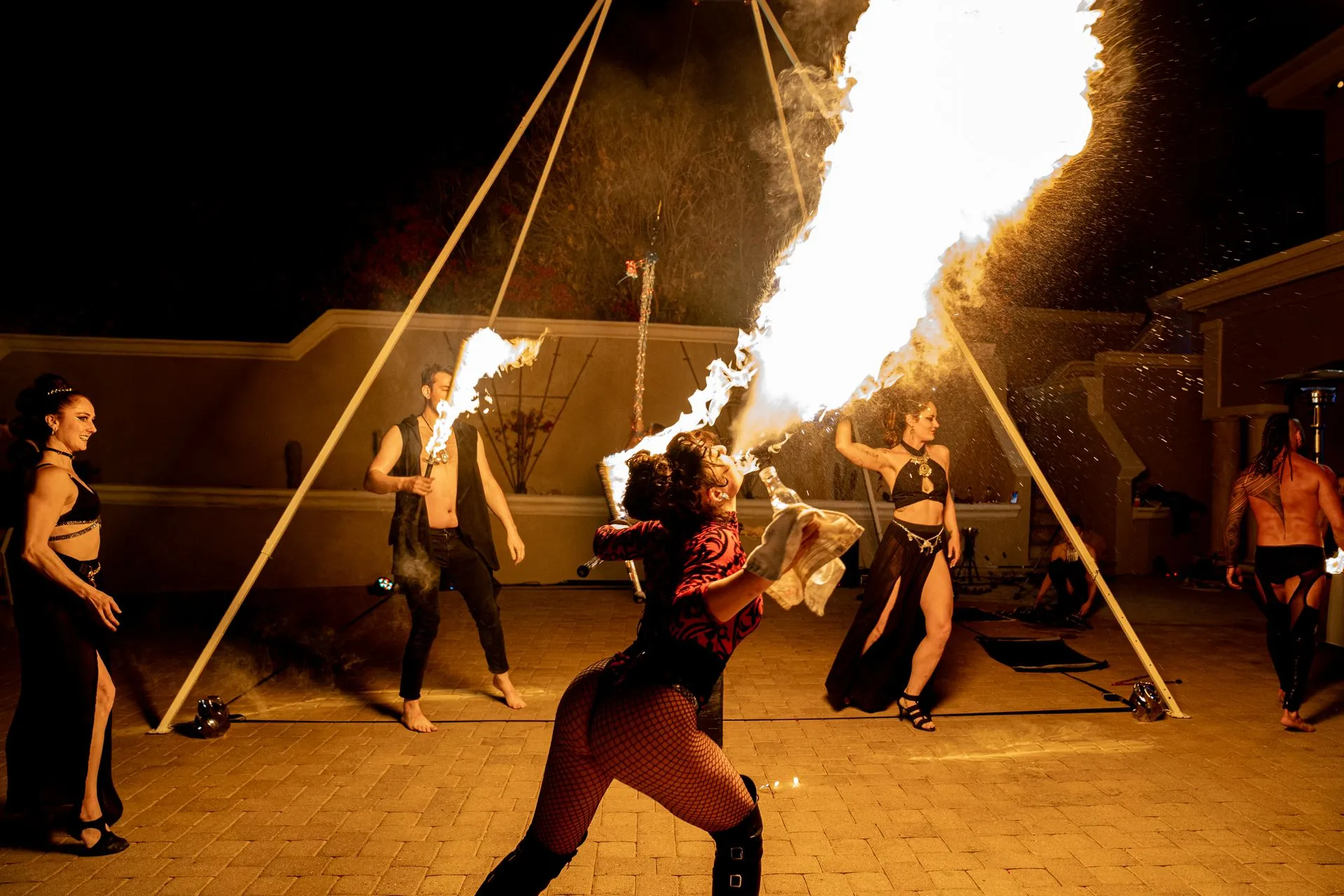
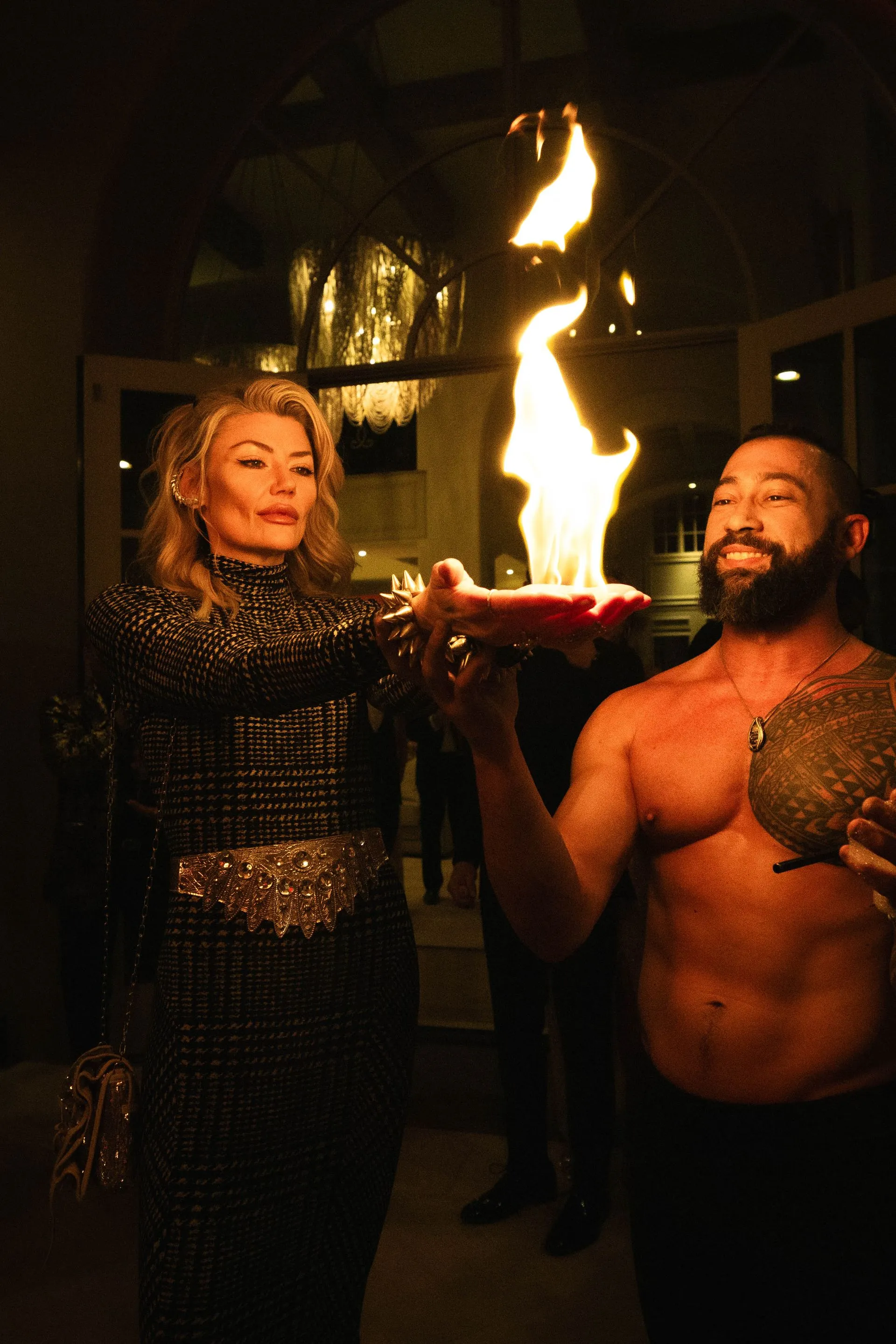
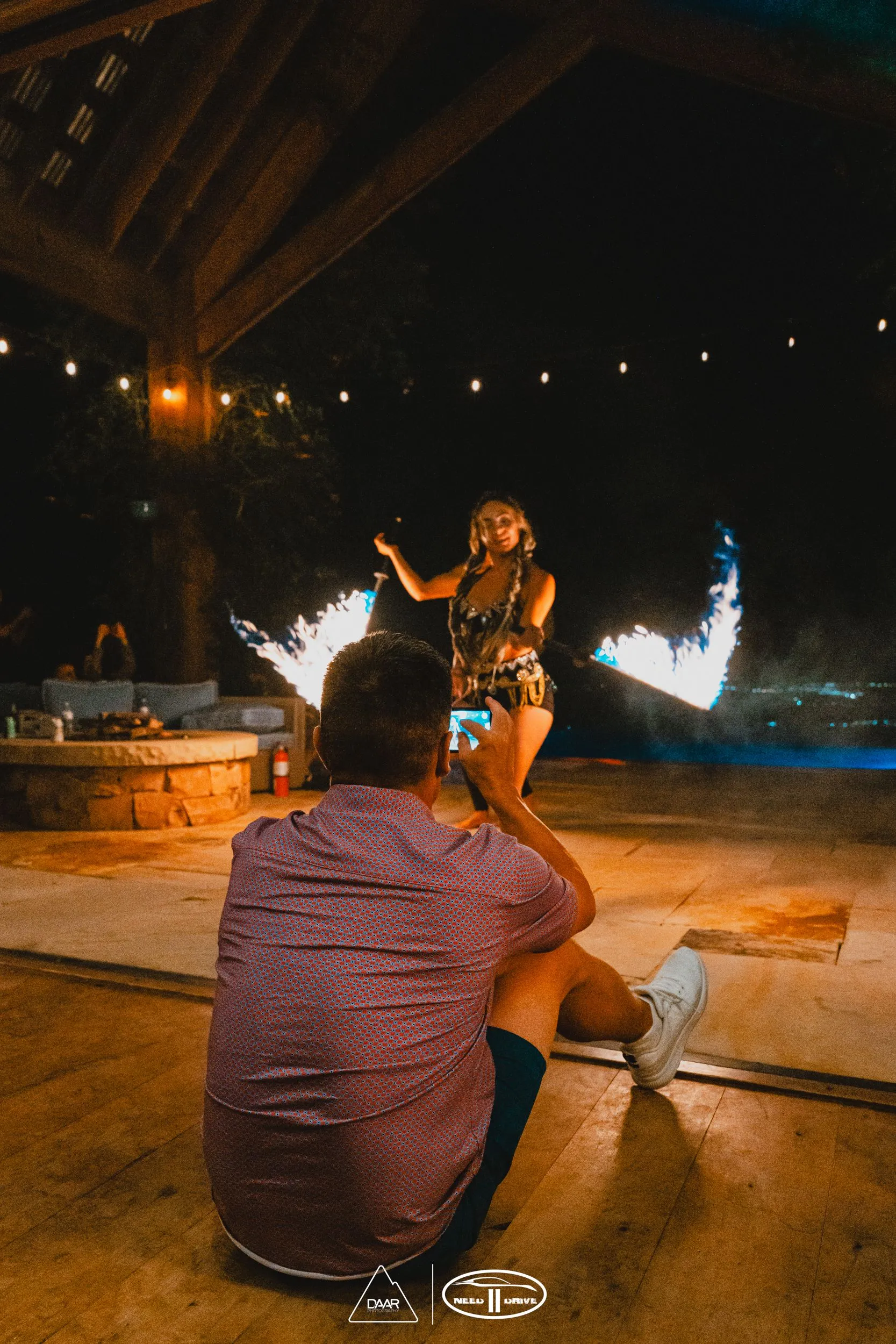
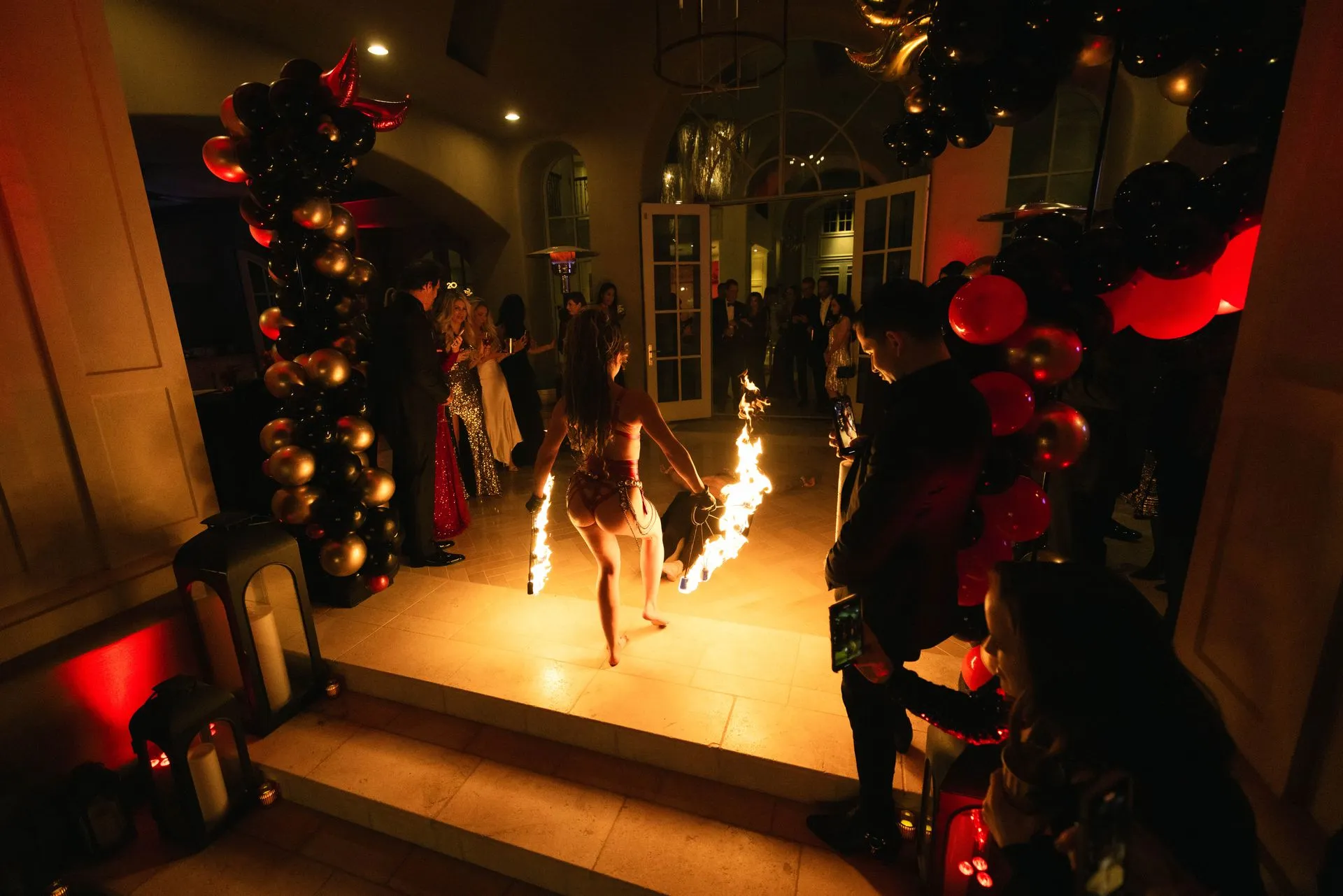
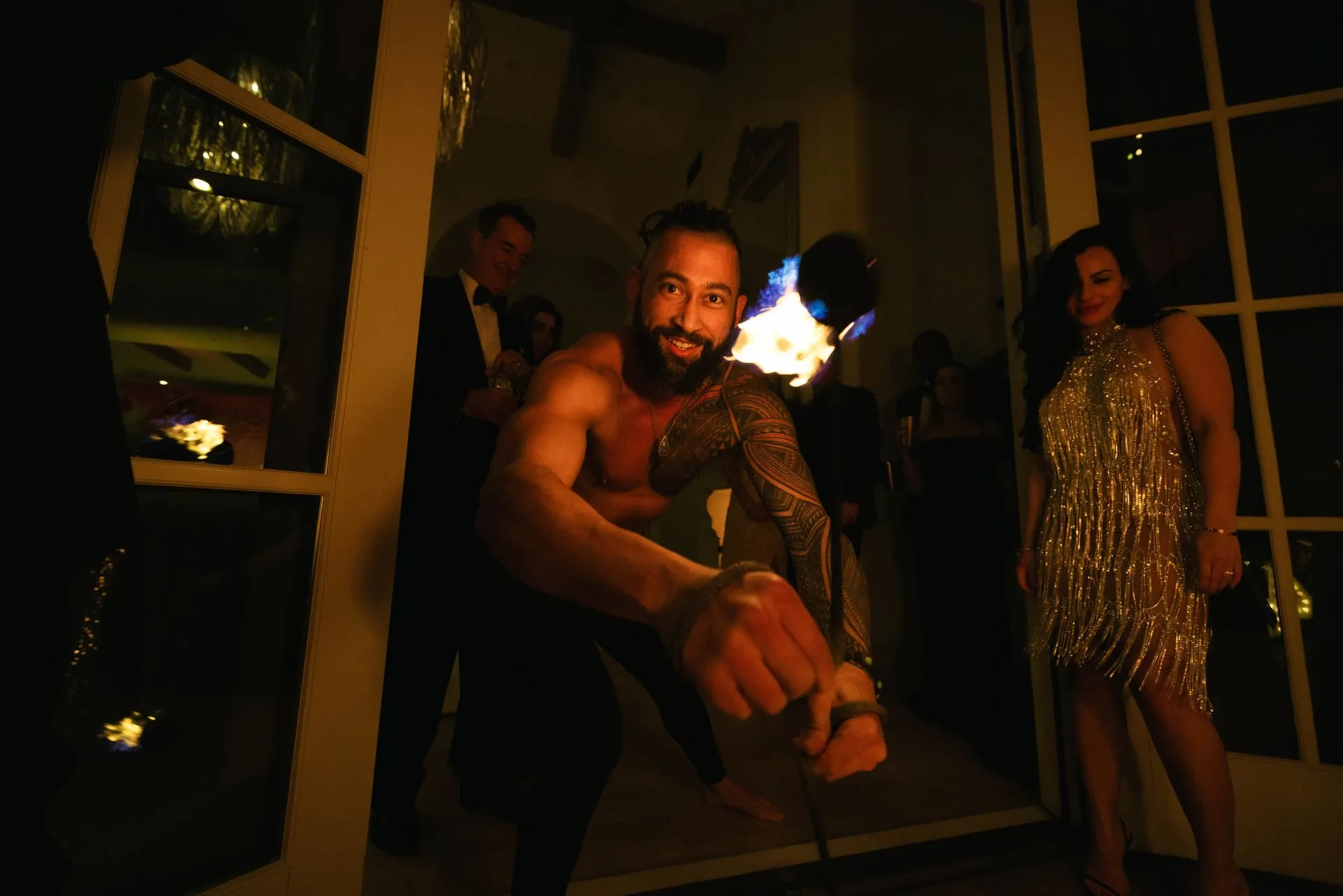
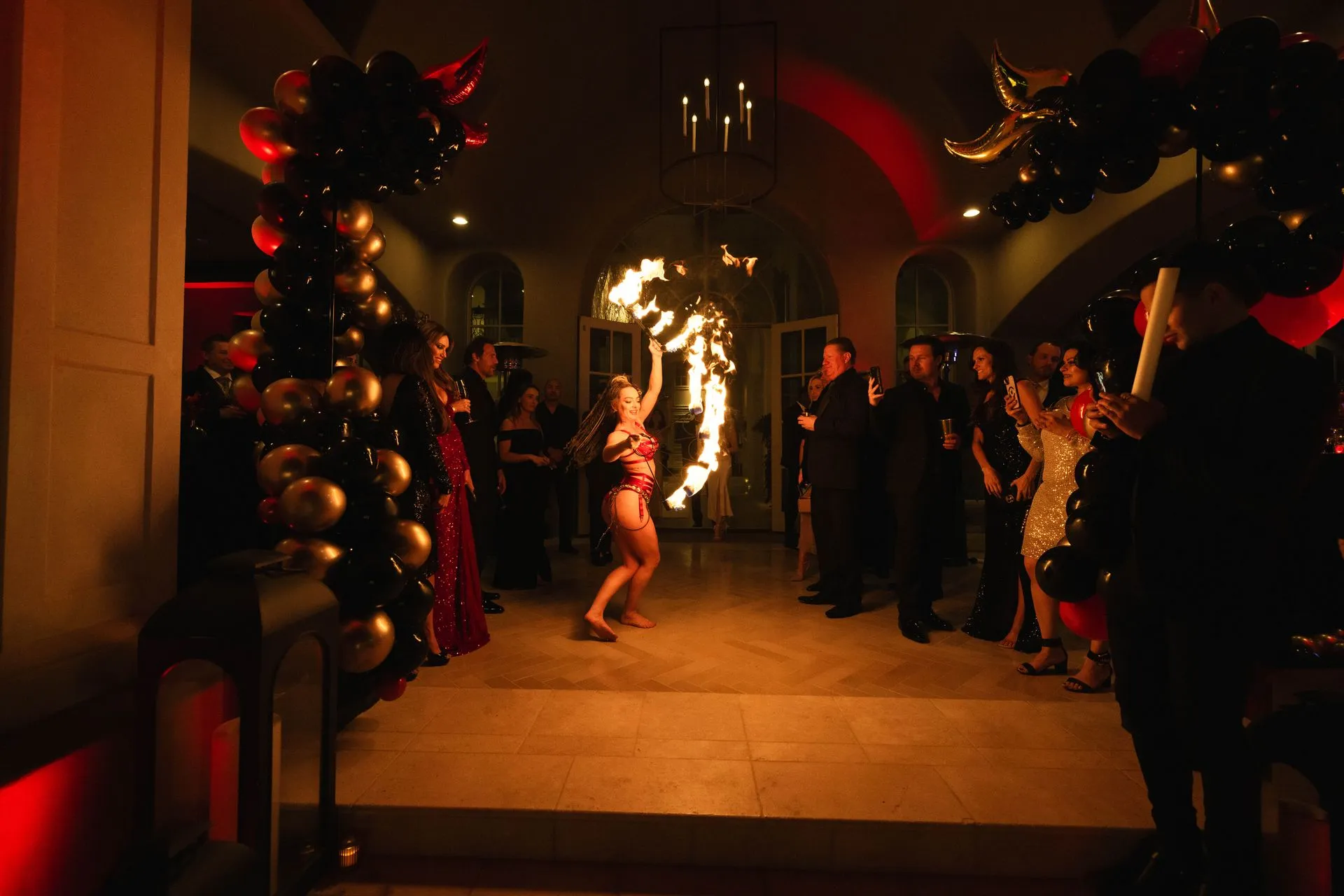
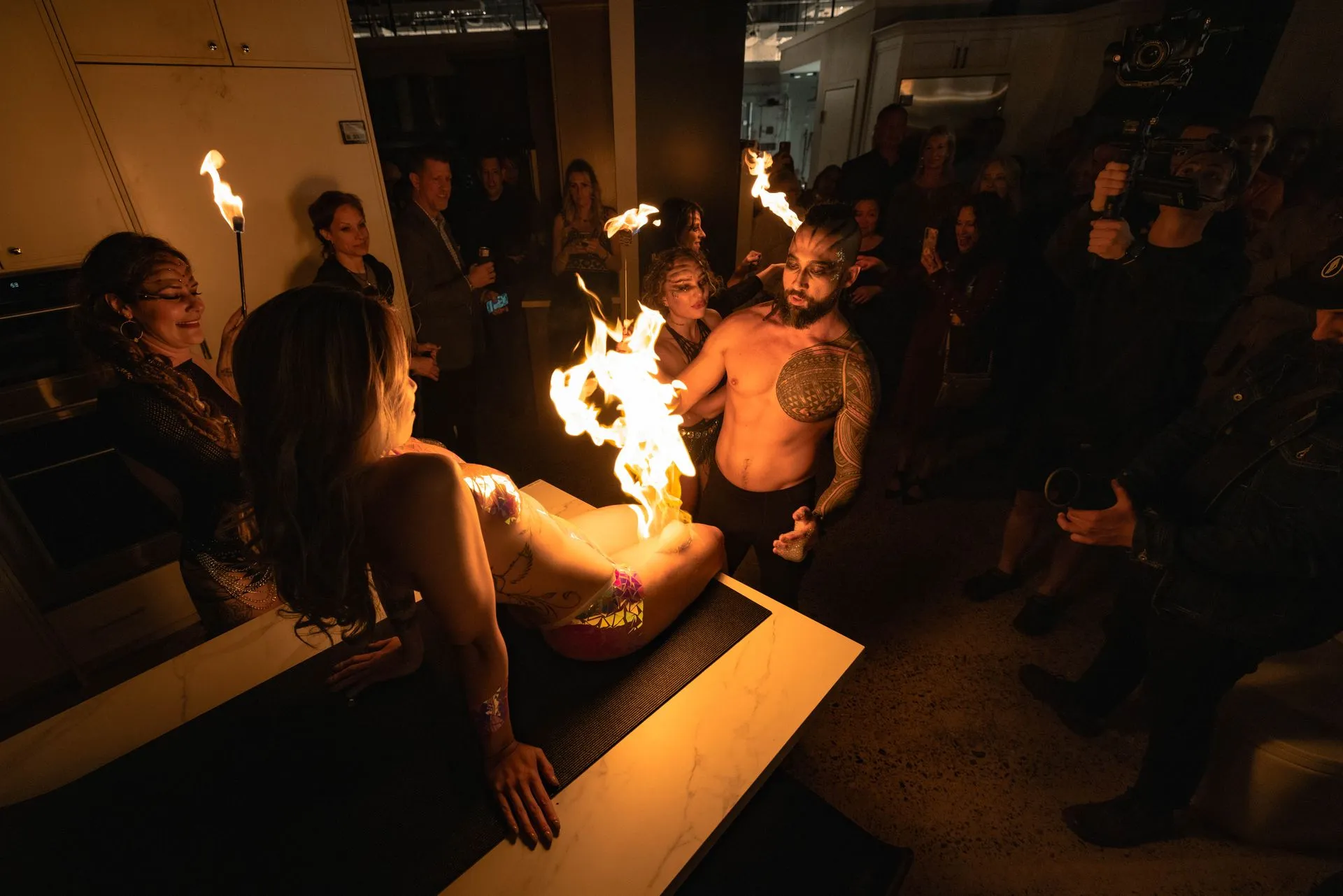
Umbrex's last step in building a planned moment is making sure it connects to something real: "Reinforce and Close the Loop" so the moment "ties back to the theme or story" & "feels purposeful, not gimmicky." A fire finale timed to a company's tenth anniversary, a confetti drop on the exact line where the CEO says thank you, a countdown built around the actual year ahead, all read as intentional. The same moment dropped into a program with no connection to what the room is actually there for reads as a vendor doing a trick.
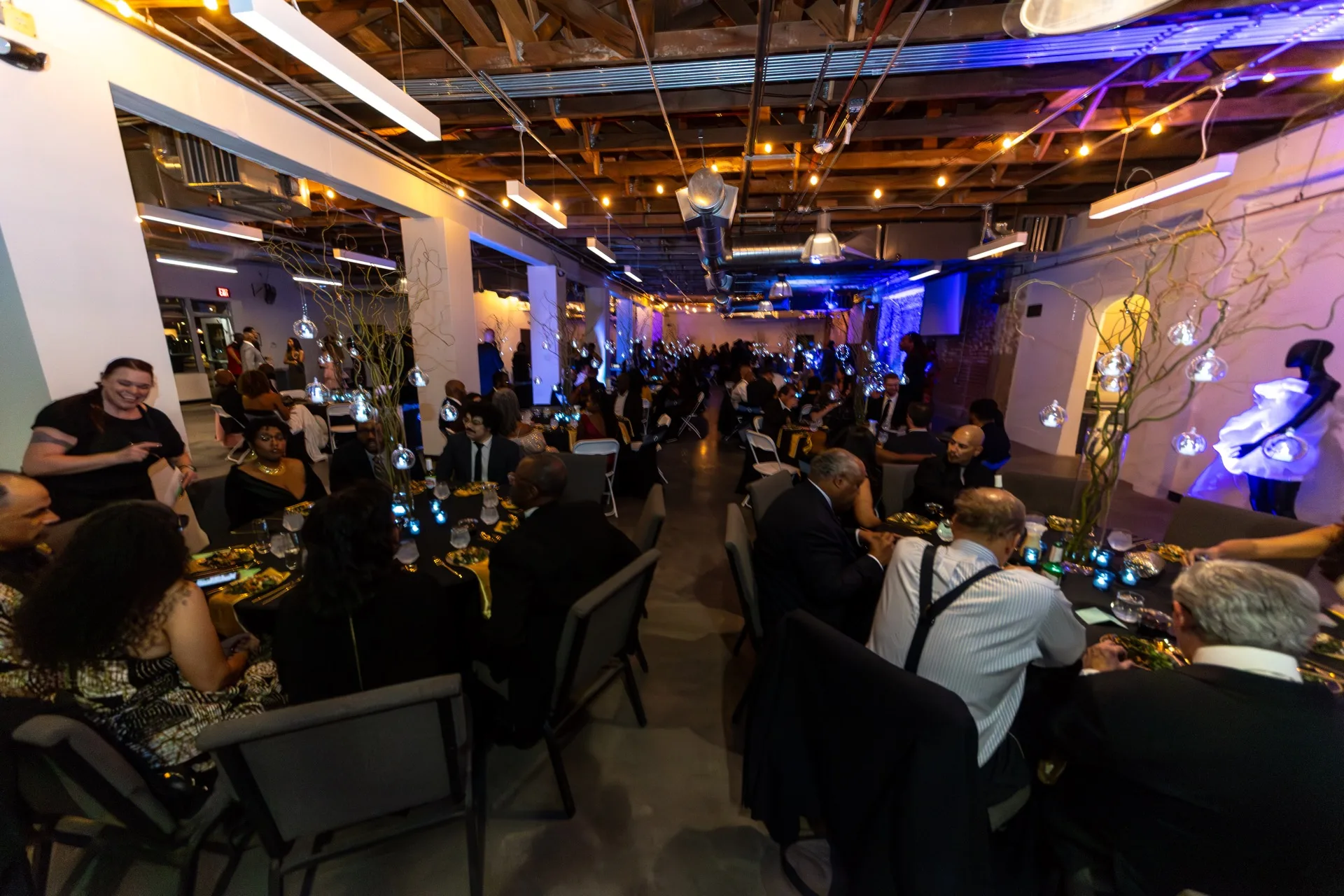
BizBash makes a related point worth holding onto. The goal isn't a flat, quiet room punctuated by one flash of excitement. Its advice names the moment as something that sits on top of a night that's already warm, "at least one standout 'wow' moment" inside an evening meant to be captivating "from start to finish." The signature moment works because the rest of the night was already holding people's attention. It's the highest point on top of that, and that's why the room has energy left to give it when it finally arrives.
If you're planning the program & still deciding where the one real moment should land, raise it before the run of show gets locked. Tell us the night, the room & the reason you're doing it, & we'll help you find where it belongs. Related reading: how to build a run of show that protects that kind of timing, & how much entertainment the rest of the night actually needs.
Questions planners ask us
Should corporate event entertainment have one big moment or several?
One main moment, with two as the practical ceiling. Stacking three or more distinct peaks tends to dilute all of them, because surprise doesn't repeat well inside a single night. Smaller touches can run throughout the evening, the signature moment just shouldn't have to share the spotlight with more than one other true peak.
When should the big moment happen during a corporate event?
Wherever the room's energy is already climbing, not wherever looks most dramatic on paper. Mapping the agenda's natural highs & lows before deciding where the moment goes prevents the common mistake of forcing a peak into a lull the room hasn't recovered from yet.
Does the peak-end rule actually apply to planning an event?
Loosely, not as an exact formula. The underlying research shows people's memory of an experience leans on its most intense point & its ending more than on the average of everything in between, though later studies call it an approximate predictor at best, & it holds up less for very long days. Treat it as a reason to plan a real high point & protect the close, not as a precise science.
How do you make a signature moment feel intentional instead of gimmicky?
Tie it to something true about why the event exists. A moment built around the actual reason the room is there, an anniversary, a launch, a thank-you, reads as purposeful. The same moment with no connection to the occasion reads as a trick, no matter how well it's executed.
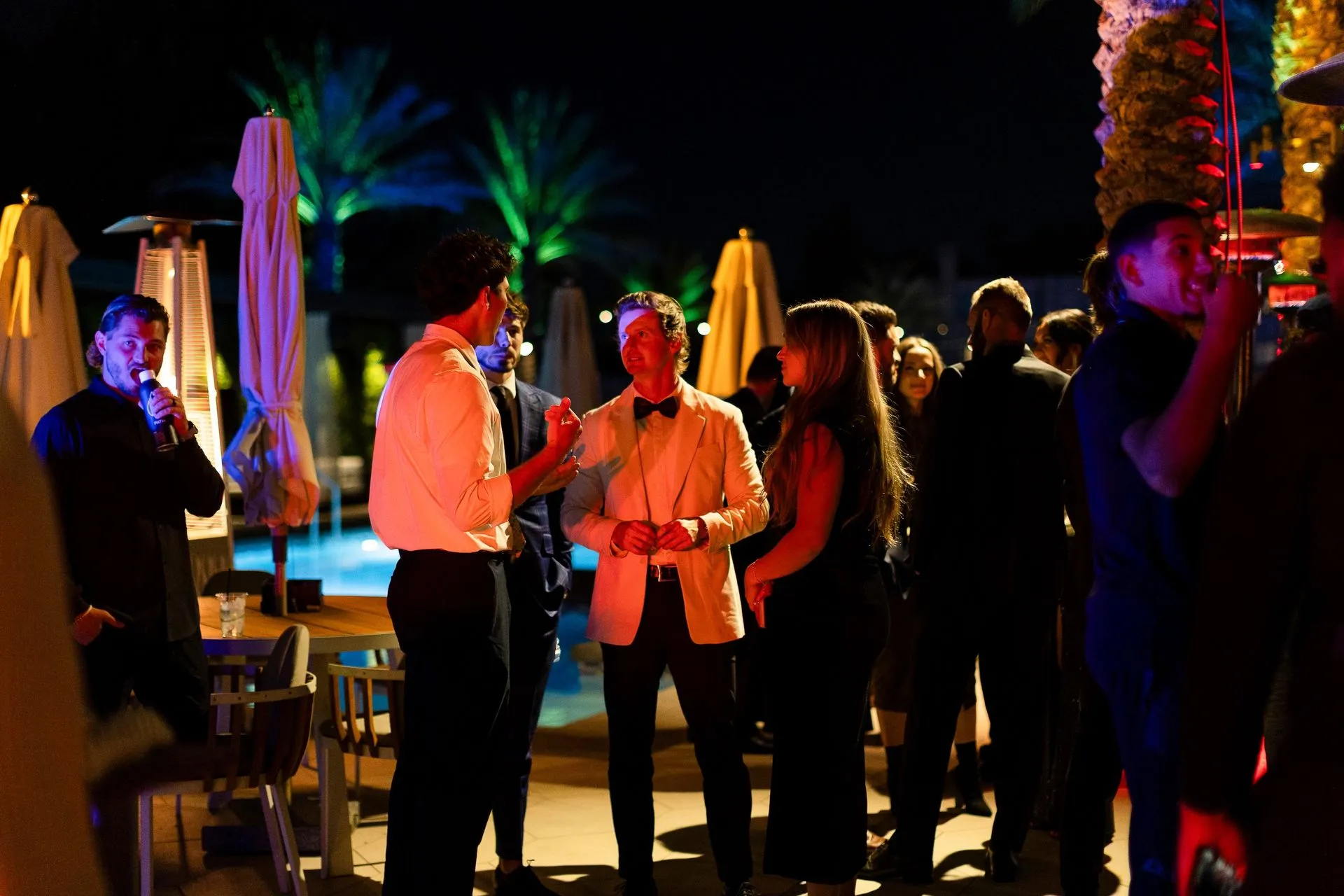
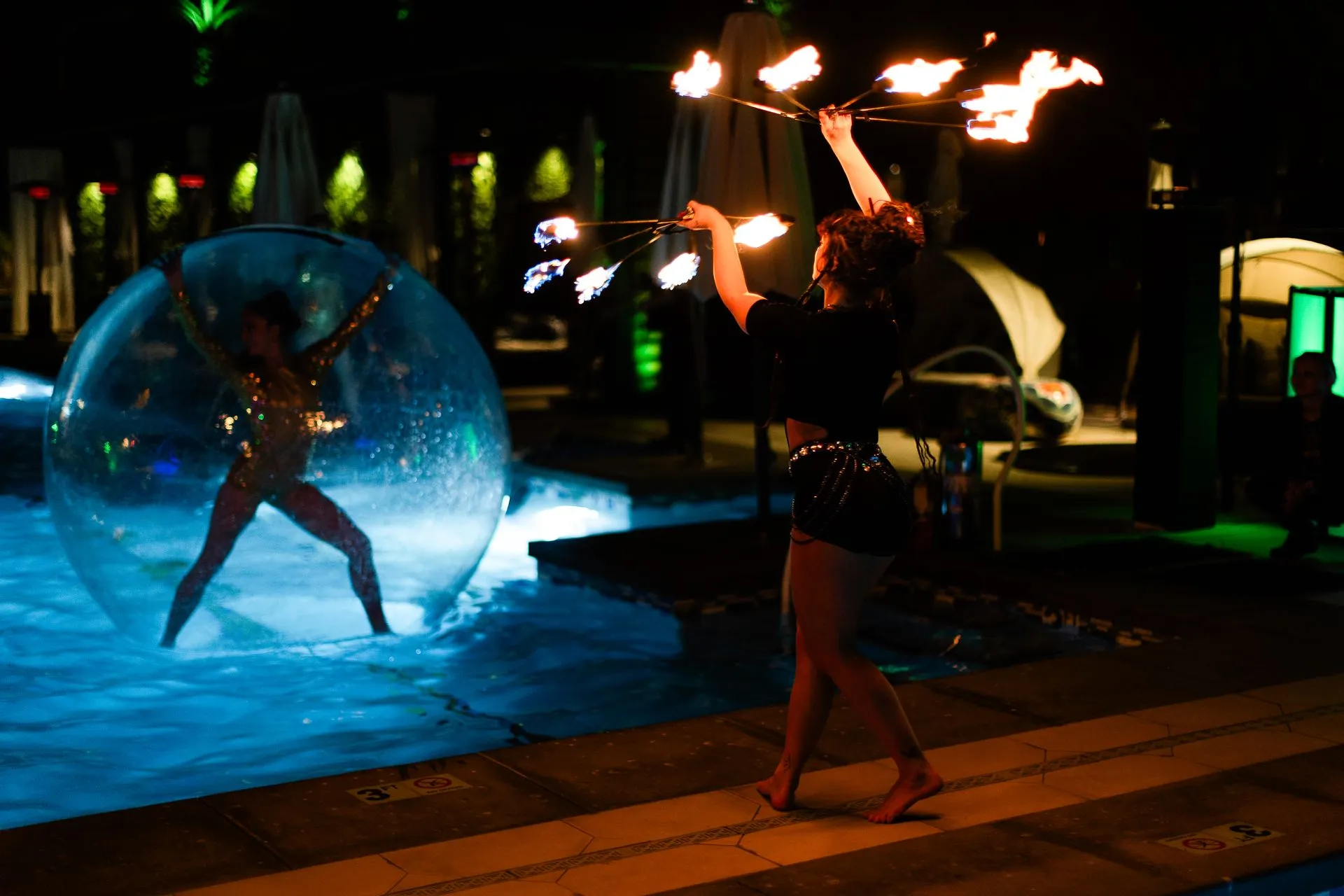
Photo: Hana Events + Experiences.
New posts, straight to your inbox.
Real lessons from real corporate events, no filler.