
How to Pick a Theme for a Corporate Event (Without It Feeling Costumey)
The theme usually gets picked in the first planning meeting, before the venue's even confirmed. An island night. A black & white masquerade. A retro skate night with roller rink lights & a DJ booth. Everyone in the room likes the sound of it. Then decor gets built around that one word, the invitation goes out with the theme in the subject line, & six weeks later the room looks like a party store aisle, not something a VP is willing to stand up in front of.
A corporate event theme works when it answers one question before decor ever gets involved. What is this event actually for, & does the theme make that reason easier to feel in the room. A theme picked because it sounds fun, with that question unanswered, is the one that reads as a costume party. A theme picked because it reinforces the real reason for the gathering, a work anniversary, a product launch, a thank-you to the team that hit the number, reads as intentional even behind modest decor.
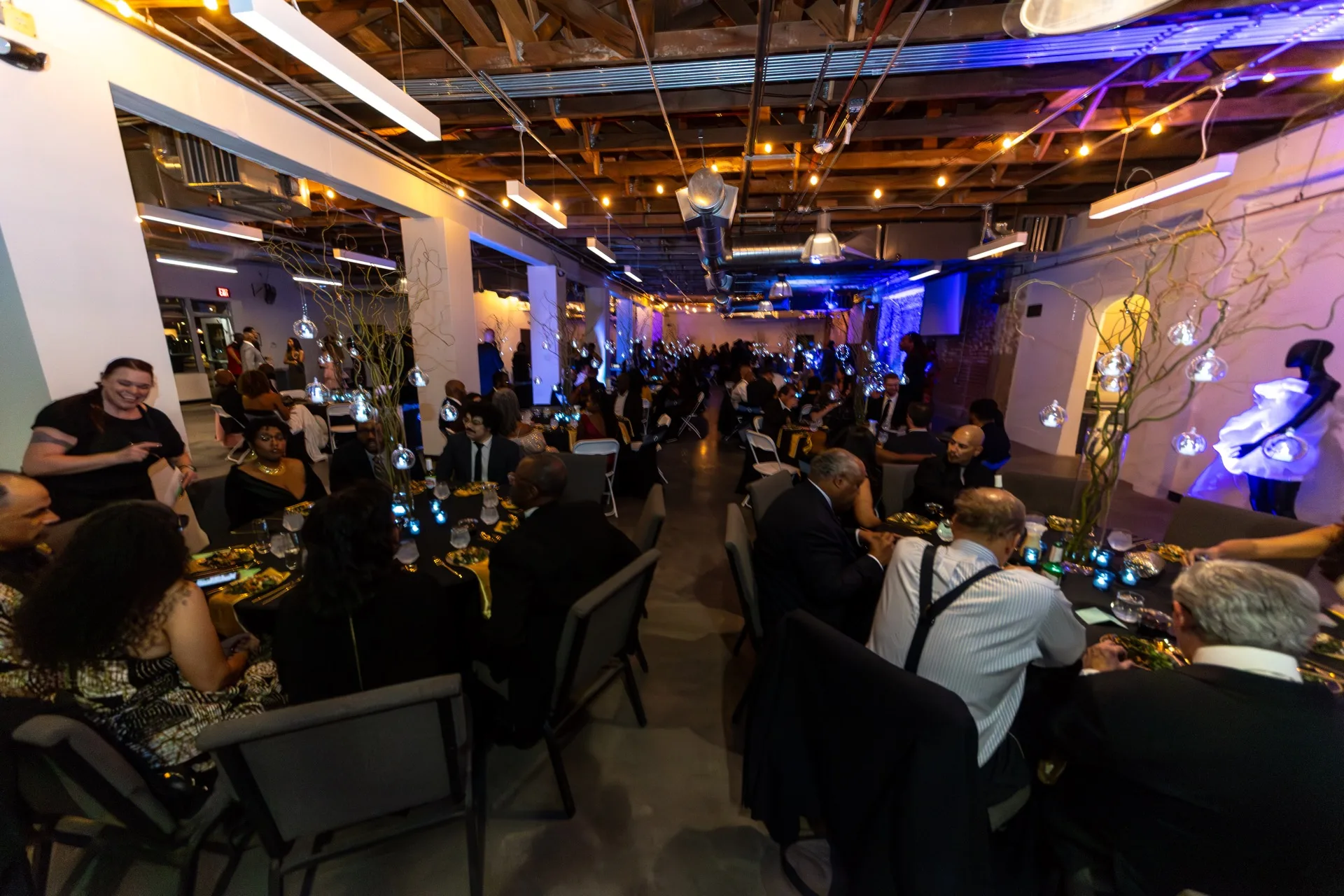
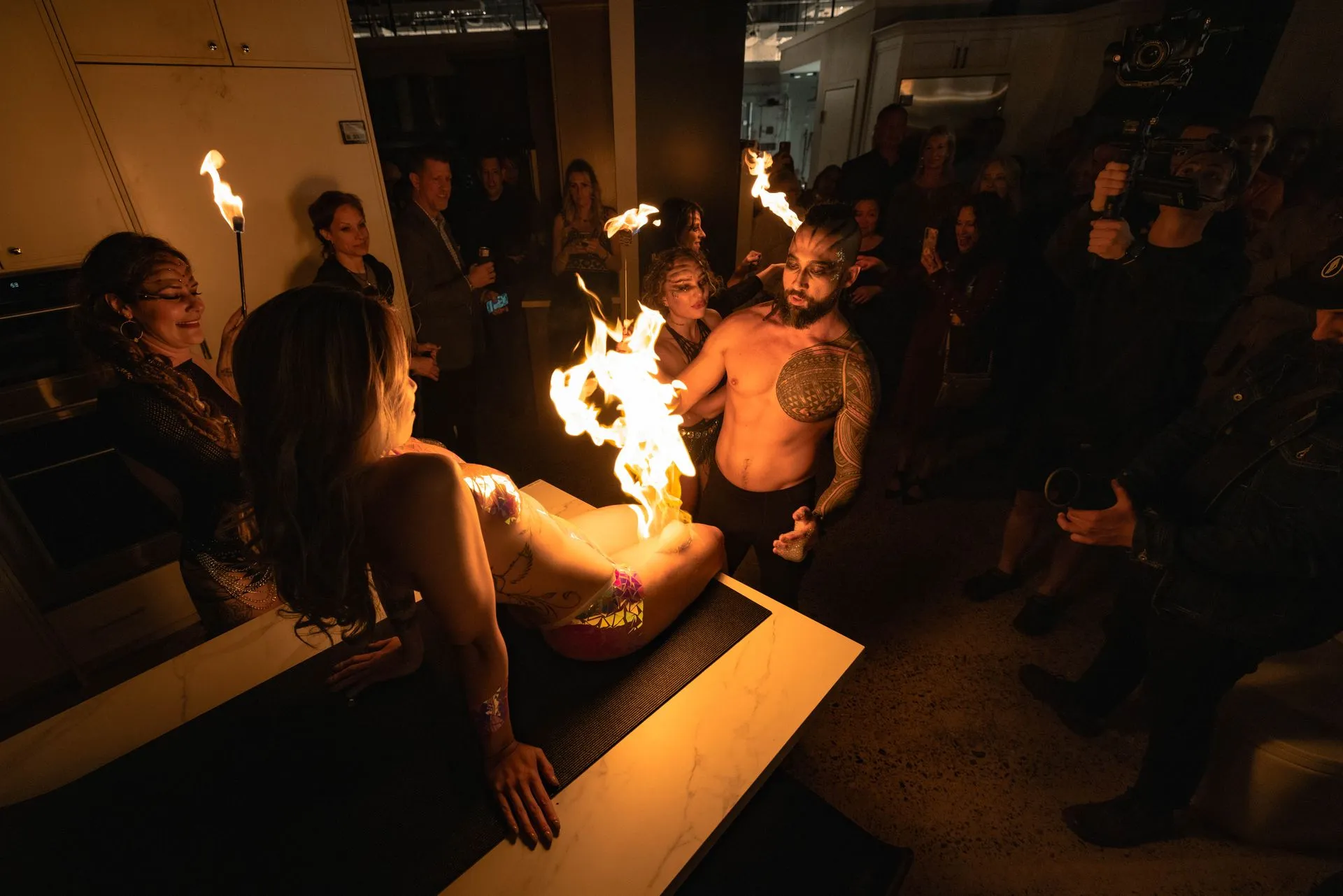
The tell is usually in what guests do on their own, not what got rented. A themed room that only works because of the backdrop & the centerpieces is a set. A themed room where people showed up already carrying it, in what they wore, in a small detail they added without being asked, is a room that actually bought in.
Start With the Reason, Not the Mood Board
Social Tables puts the order plainly: choosing the best corporate event theme starts with the event's goal, not a list of fun ideas. FCM Travel's planning checklist adds the practical half of that same question: who's actually in the room, where the event is happening, the message the company wants to land, & whether the theme can be built inside the real budget & the venue's limits, not just inside a mood board. A theme chosen before those questions get answered is a theme chosen backward.
Where a Theme Turns Into a Costume Party
GigSalad names the most common slip directly: "Avoid flashy for the sake of flashy. Any exciting technology should tie closely back to your event goals and your brand." The same logic runs through a theme choice. A theme borrowed from a culture or a holiday purely for how it photographs, with nothing tying it back to why this event exists, is the version that puts a company's name on something it didn't think through. A smaller theme does not fix that; a theme with a reason behind it that someone can say out loud in one sentence does.
What a Theme Should Touch Beyond Decor
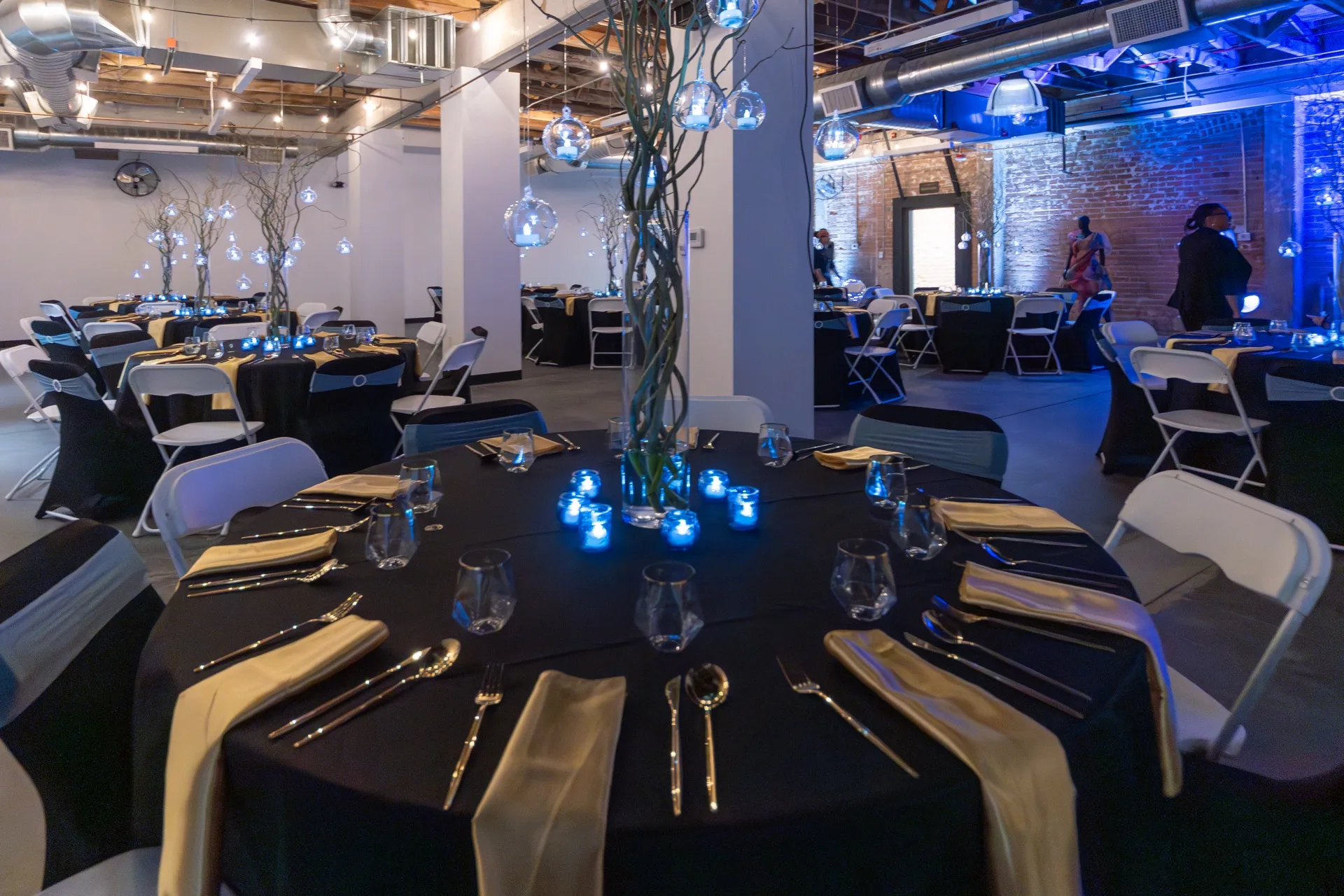
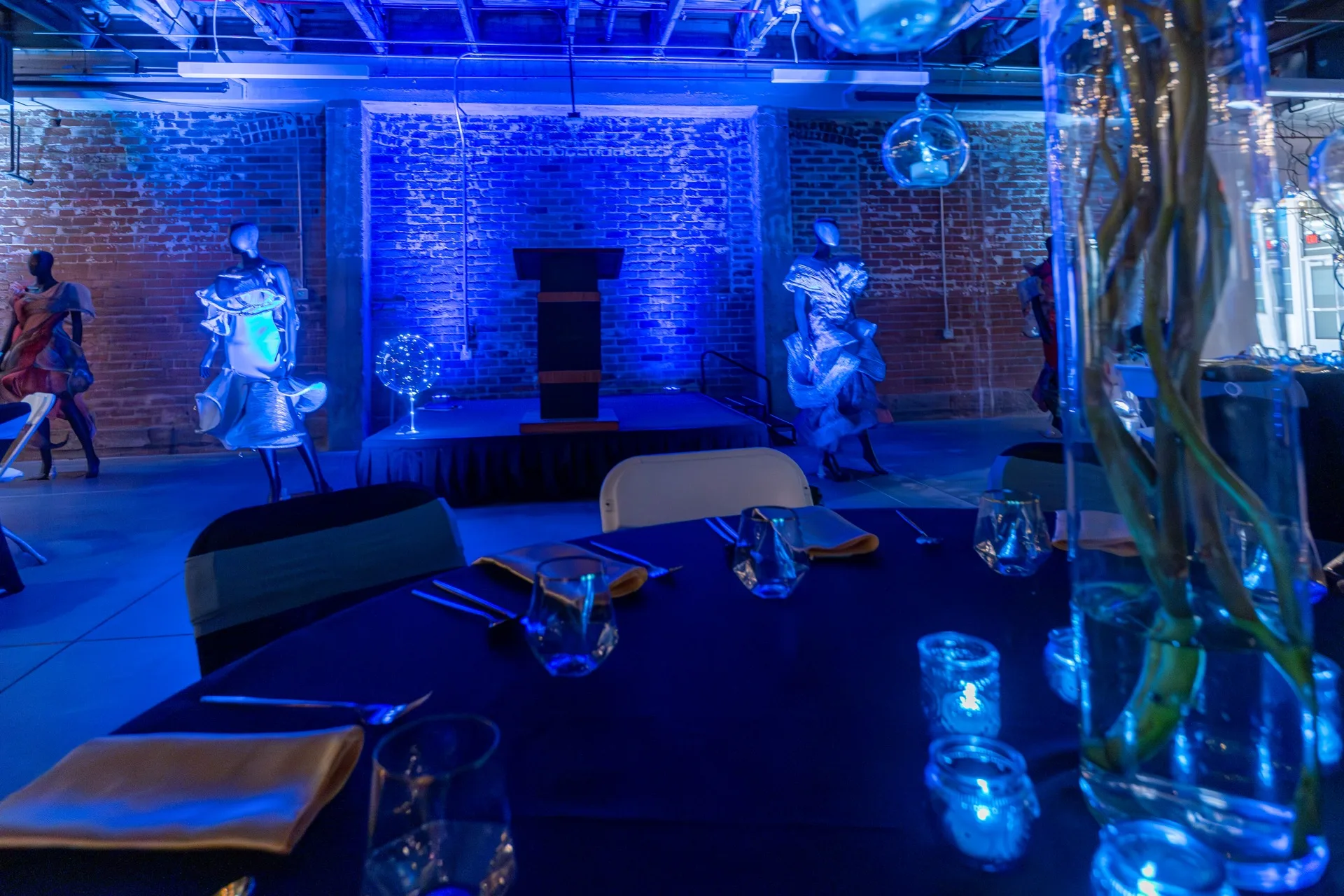
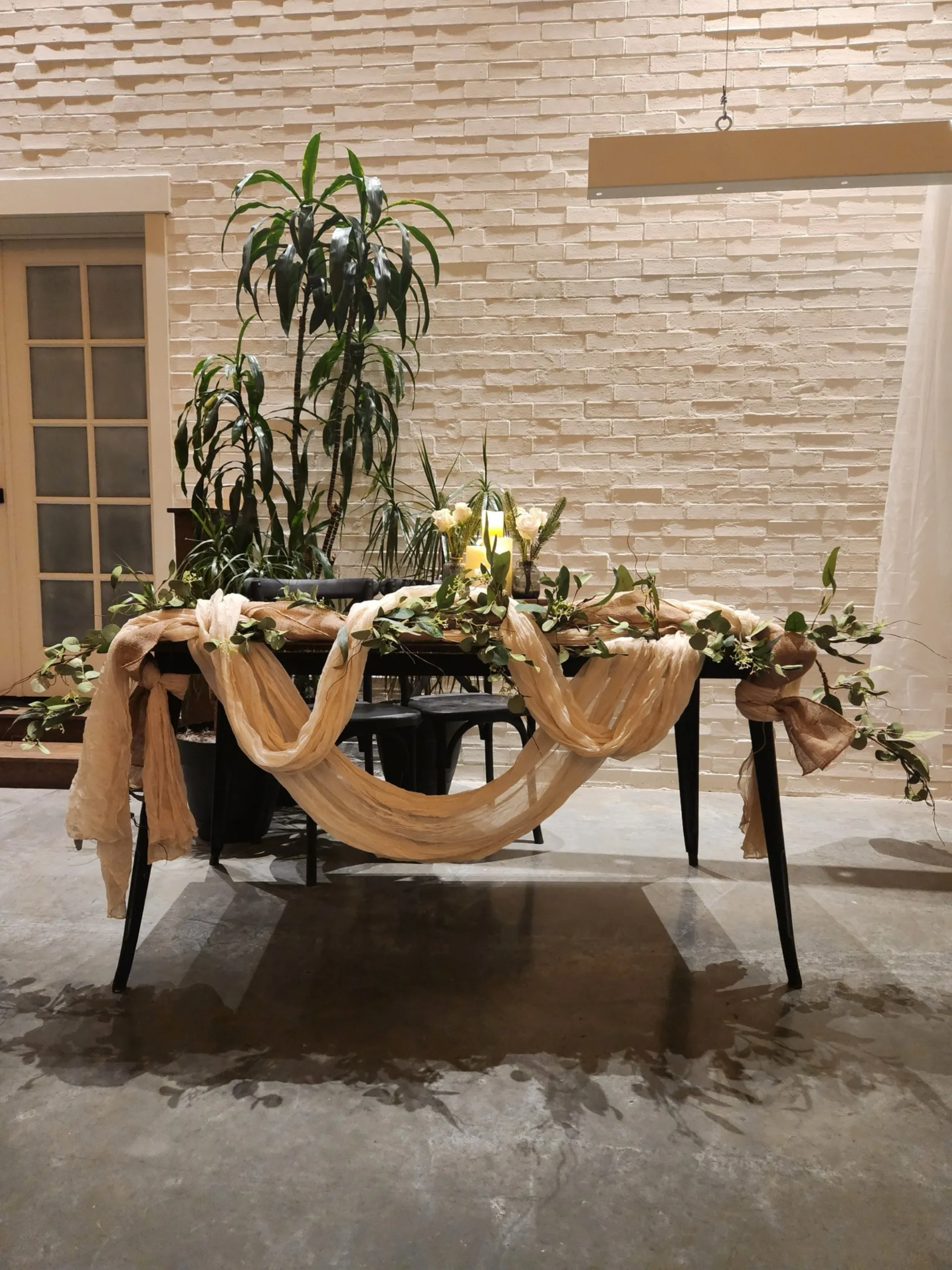
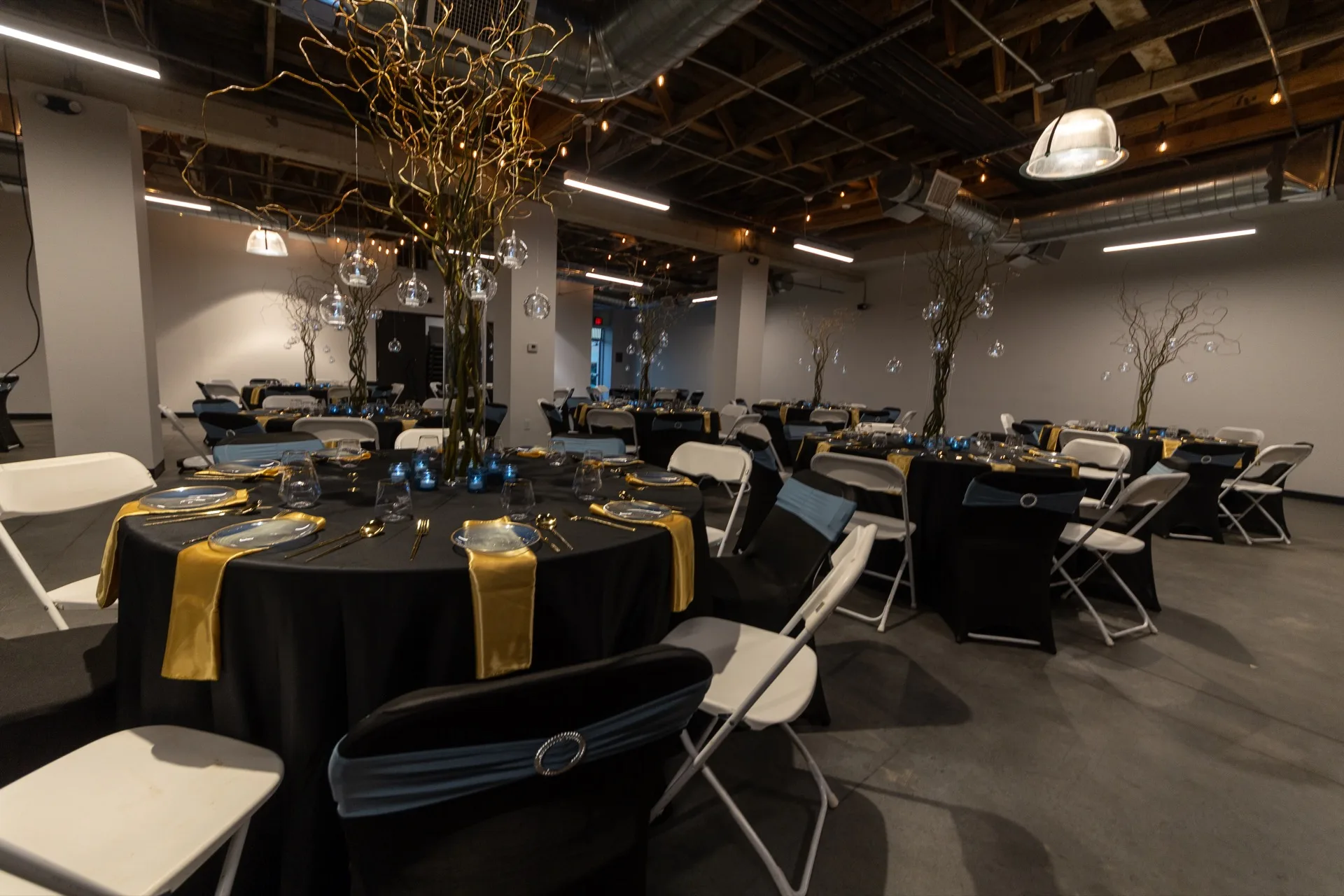
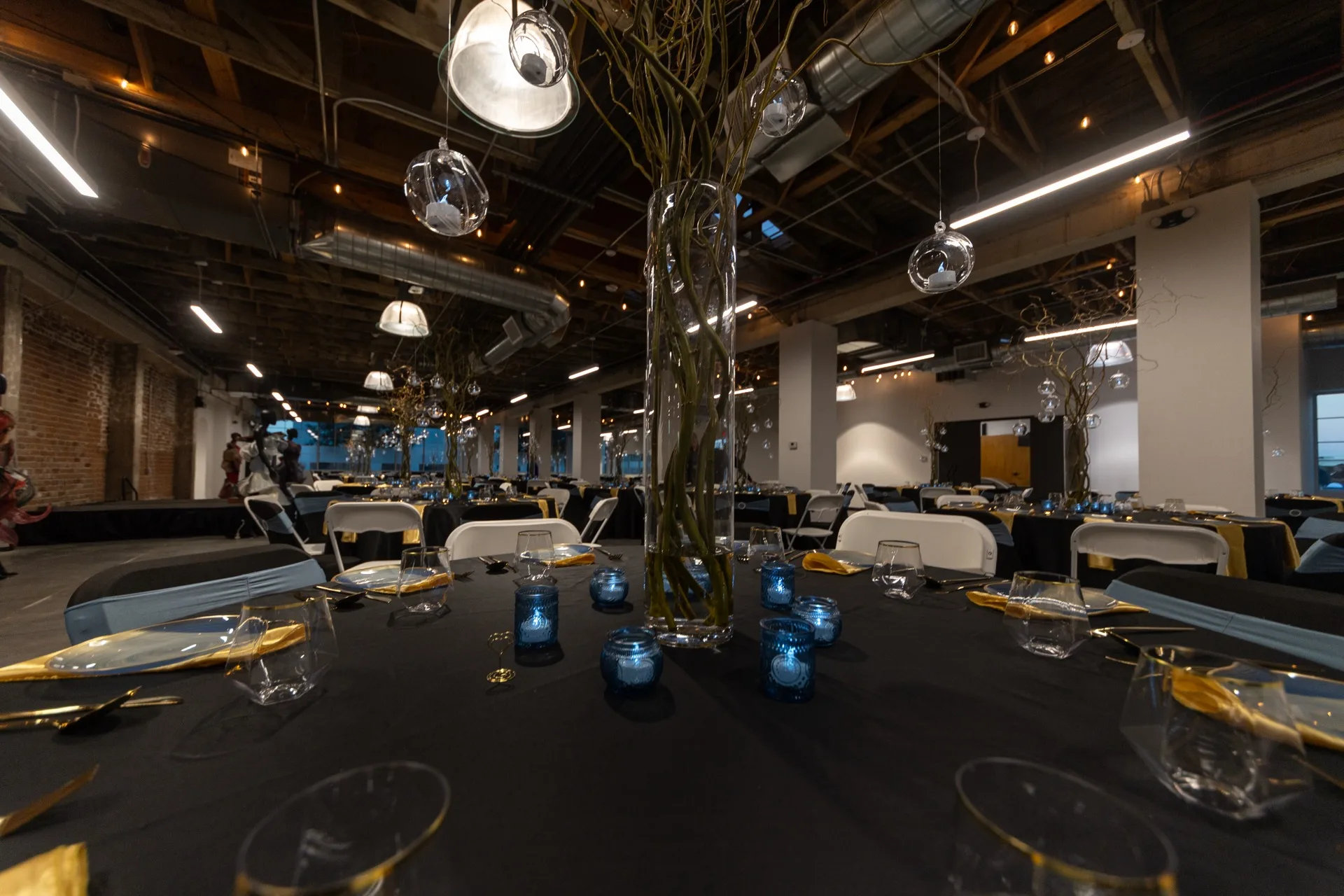
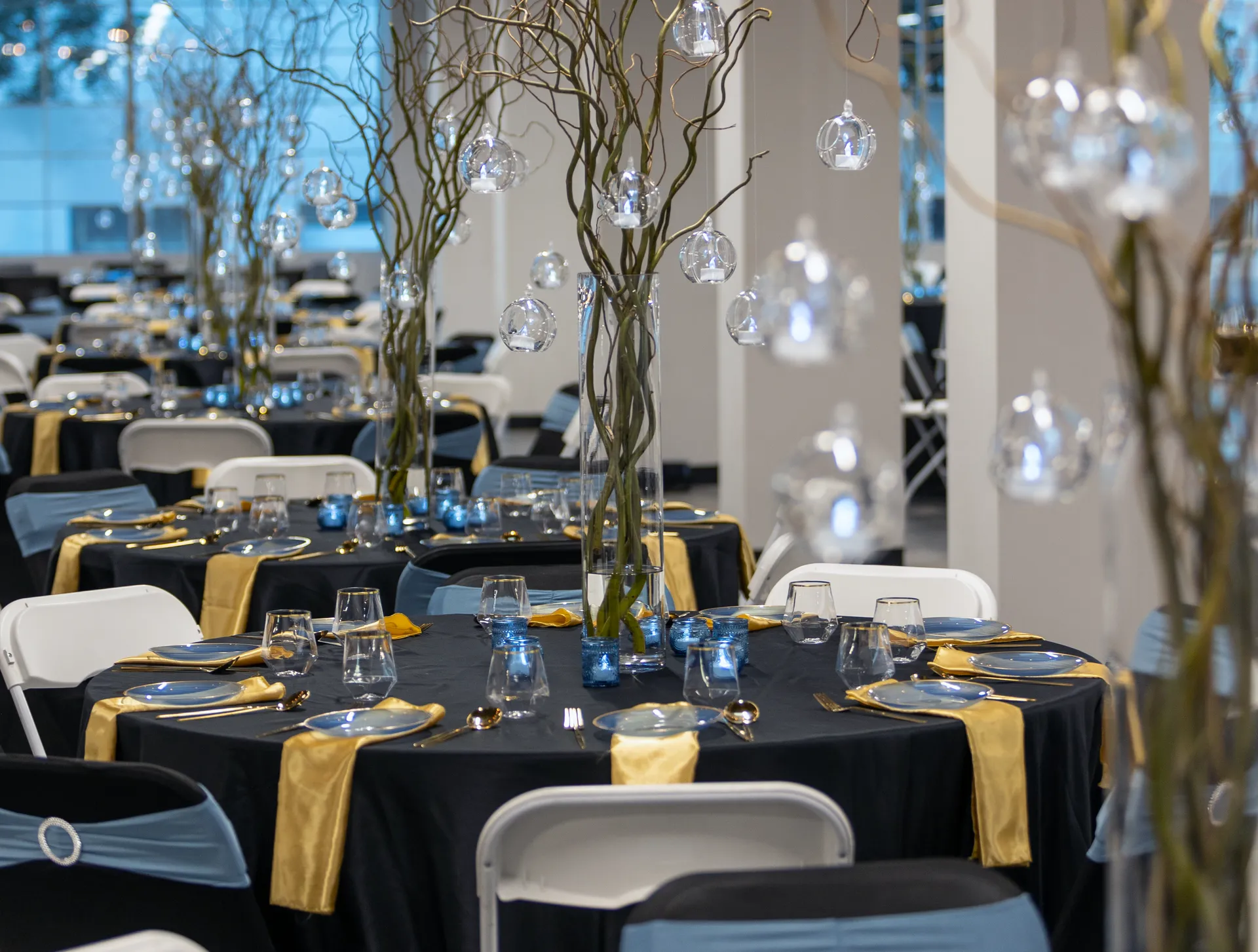
Cvent's rundown of corporate event themes points out that a working theme can guide venue choice, menu selections, messaging, graphics, music & entertainment, not just the centerpieces. If a theme only shows up on the tablecloths, it was never really the theme. It was a color palette with a name on it. Planners working Arizona venues run into this fast, since the climate & the market both shape what a theme can actually carry. Hana's free Phoenix corporate event guide walks through what the market actually supports before the concept gets locked.
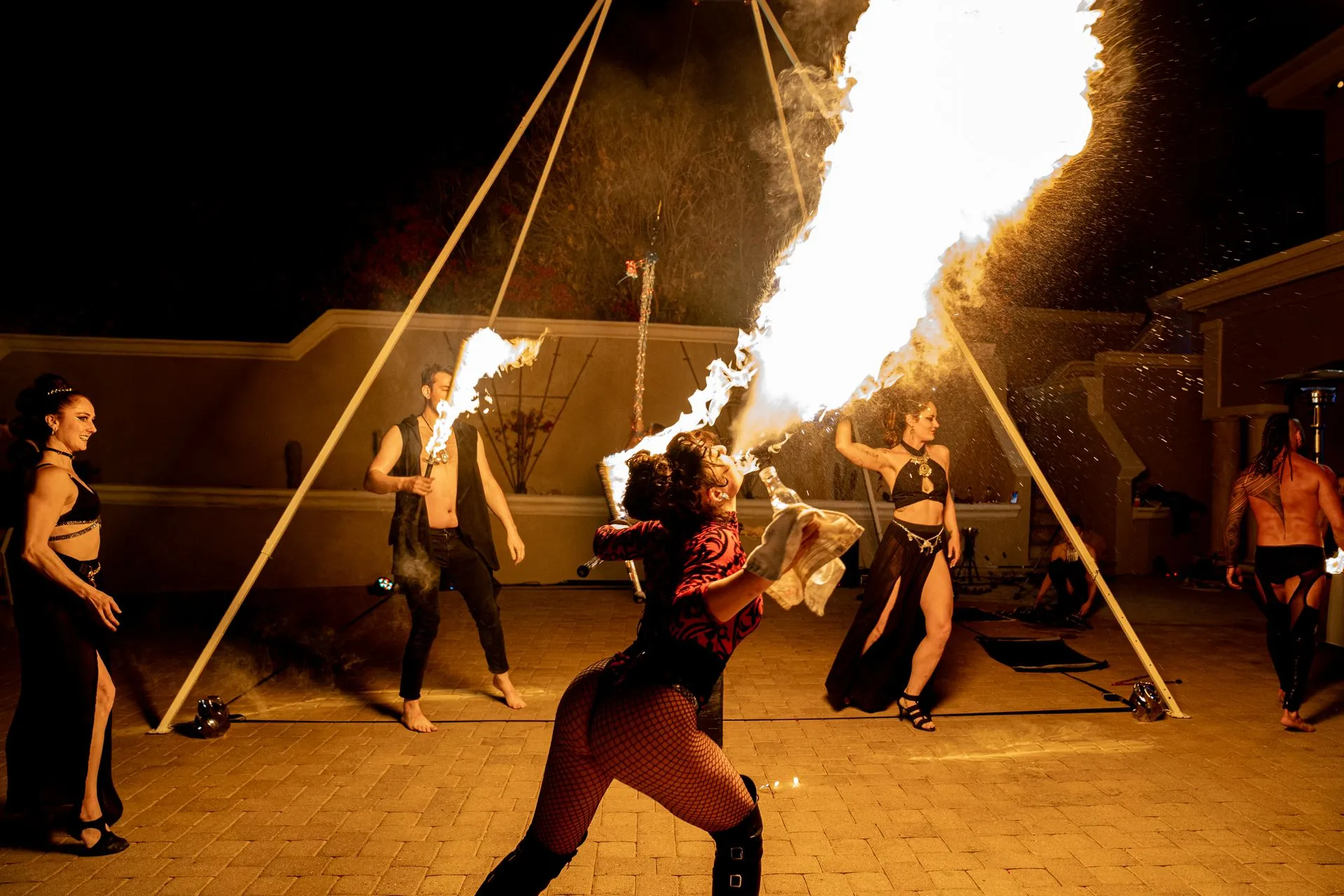
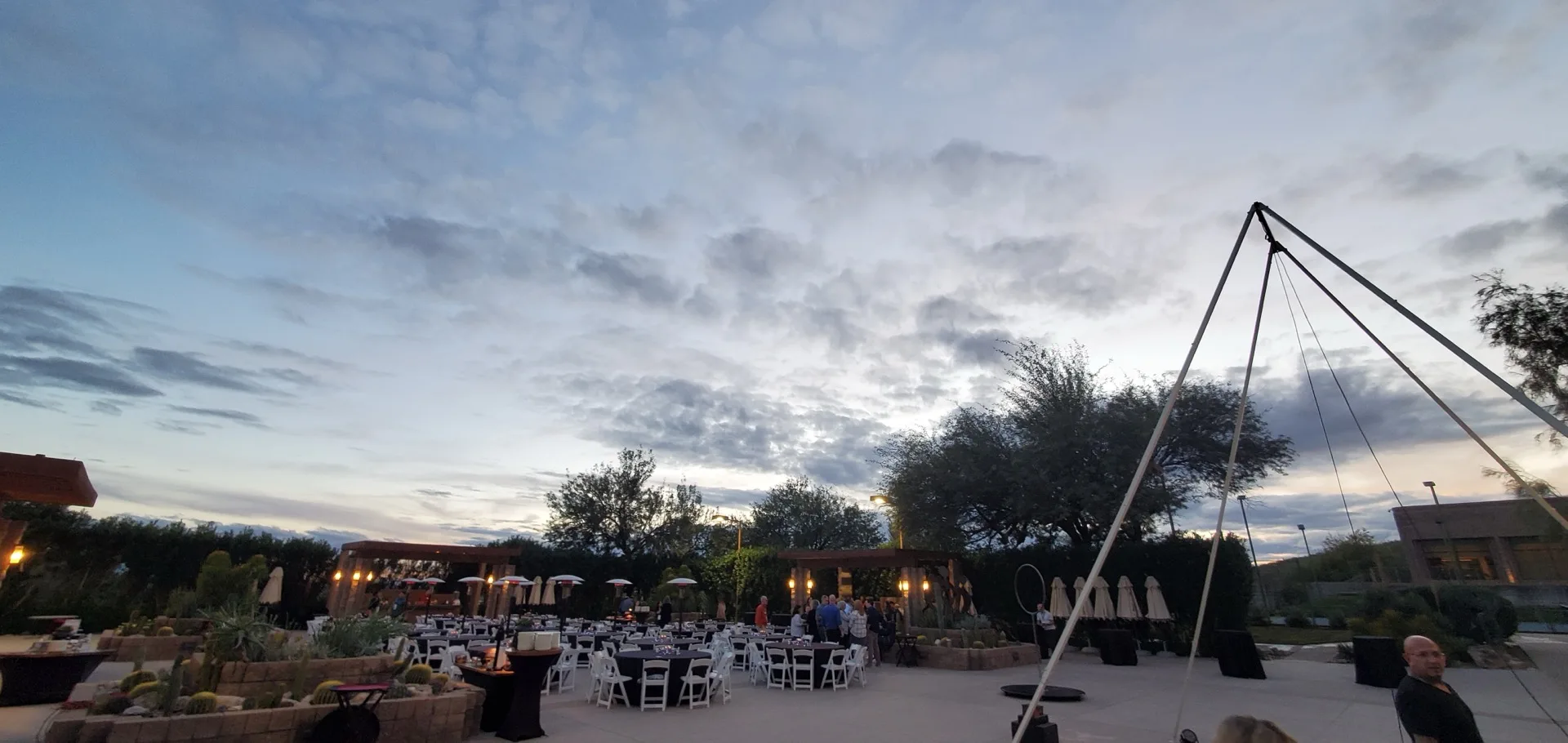
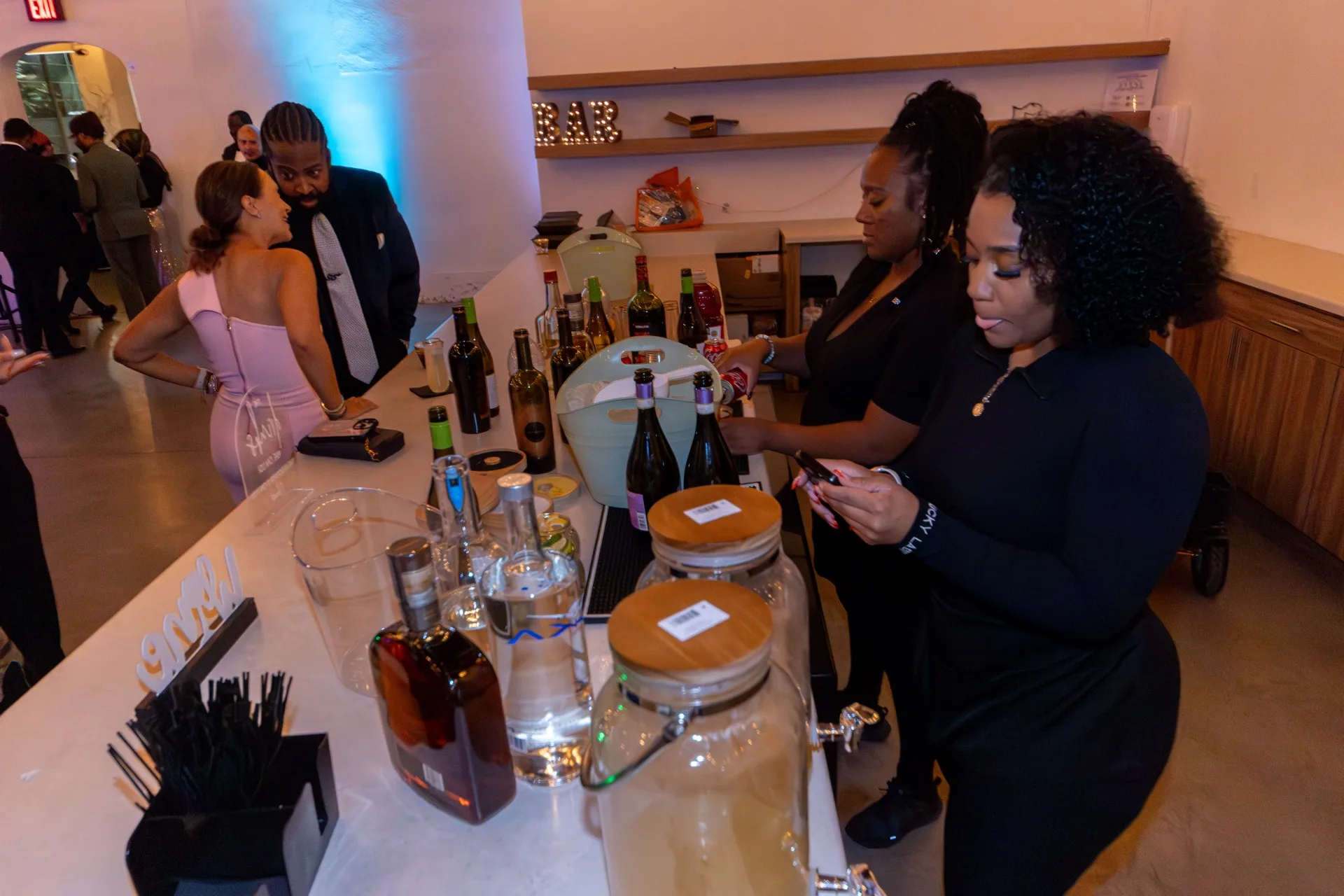
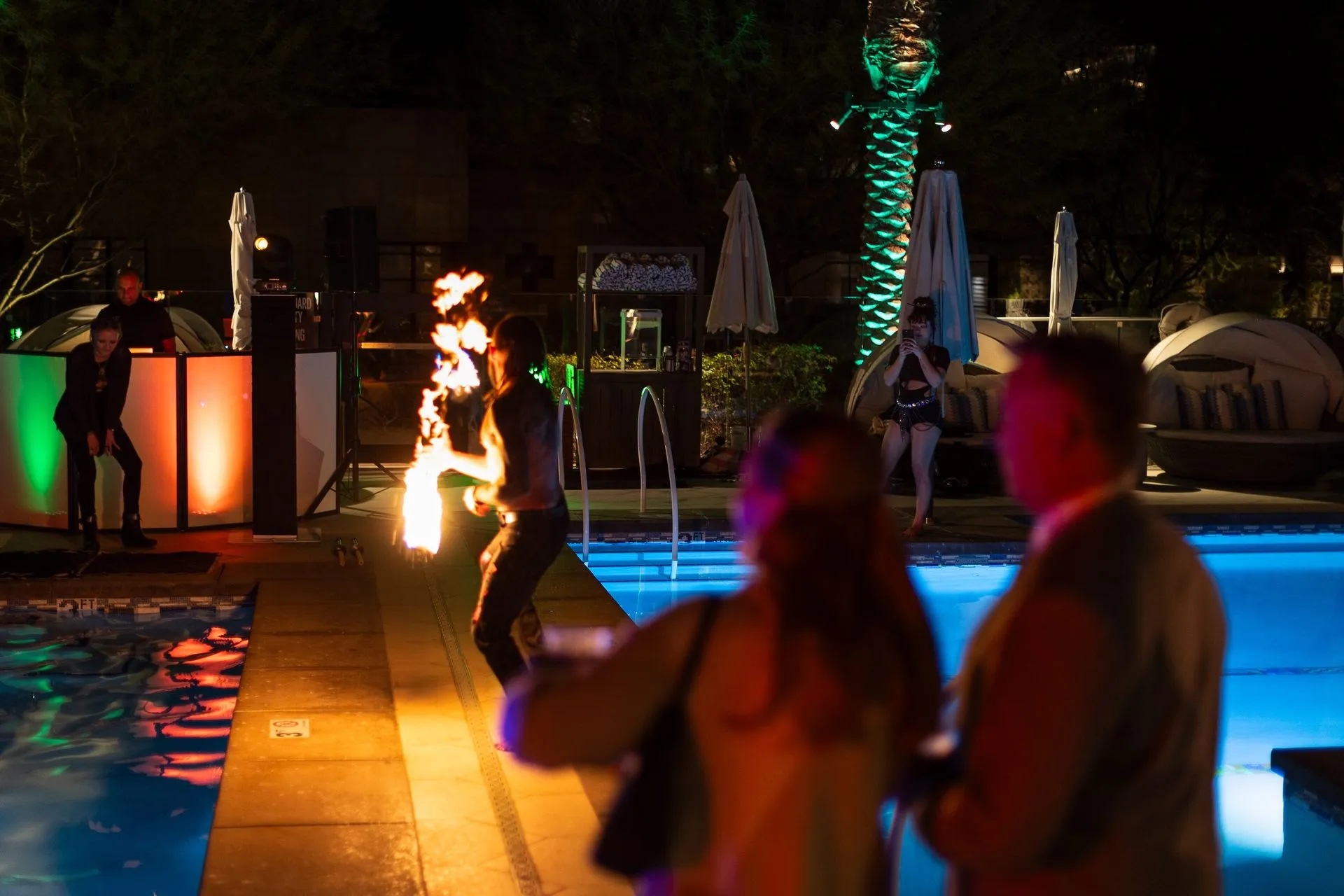
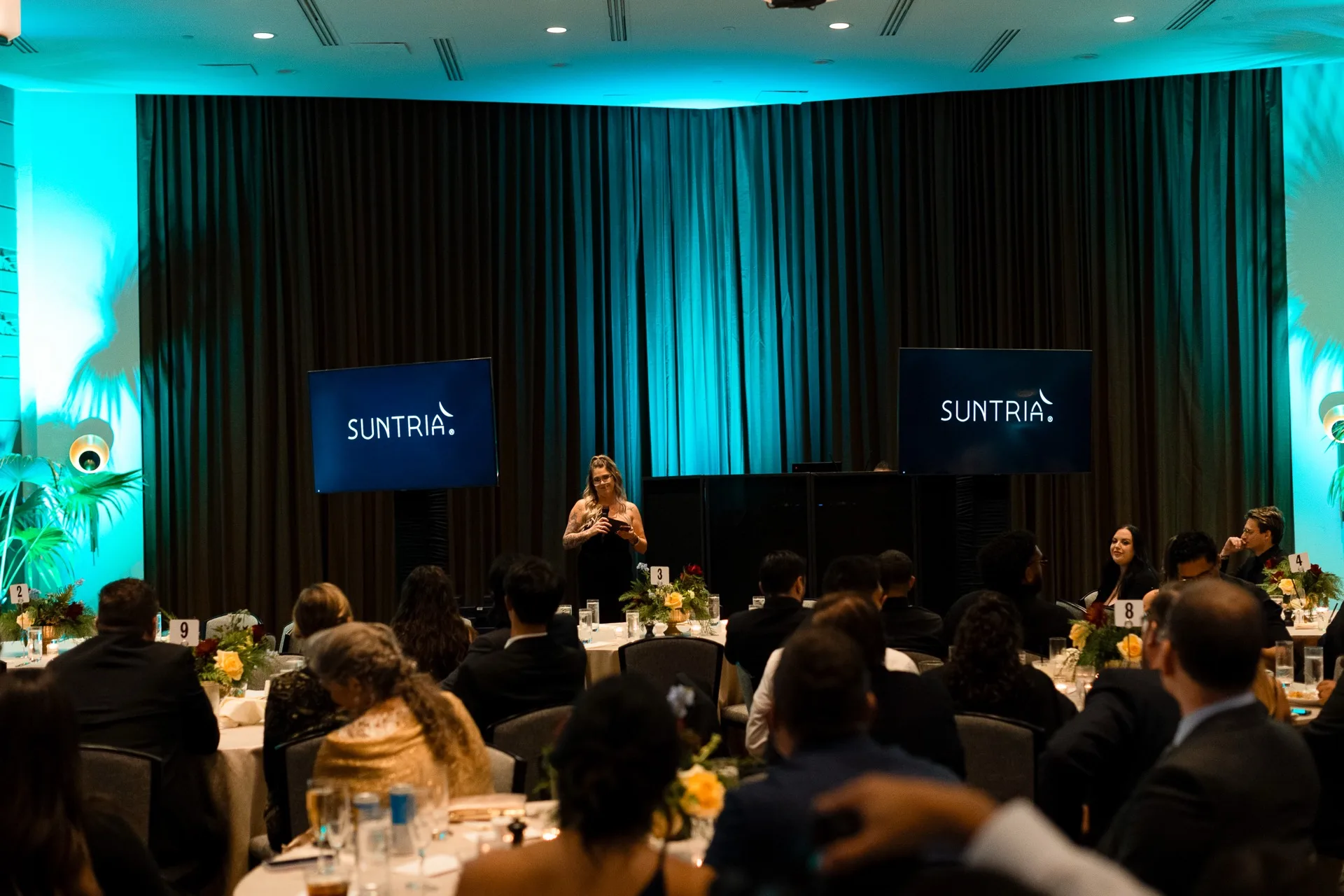
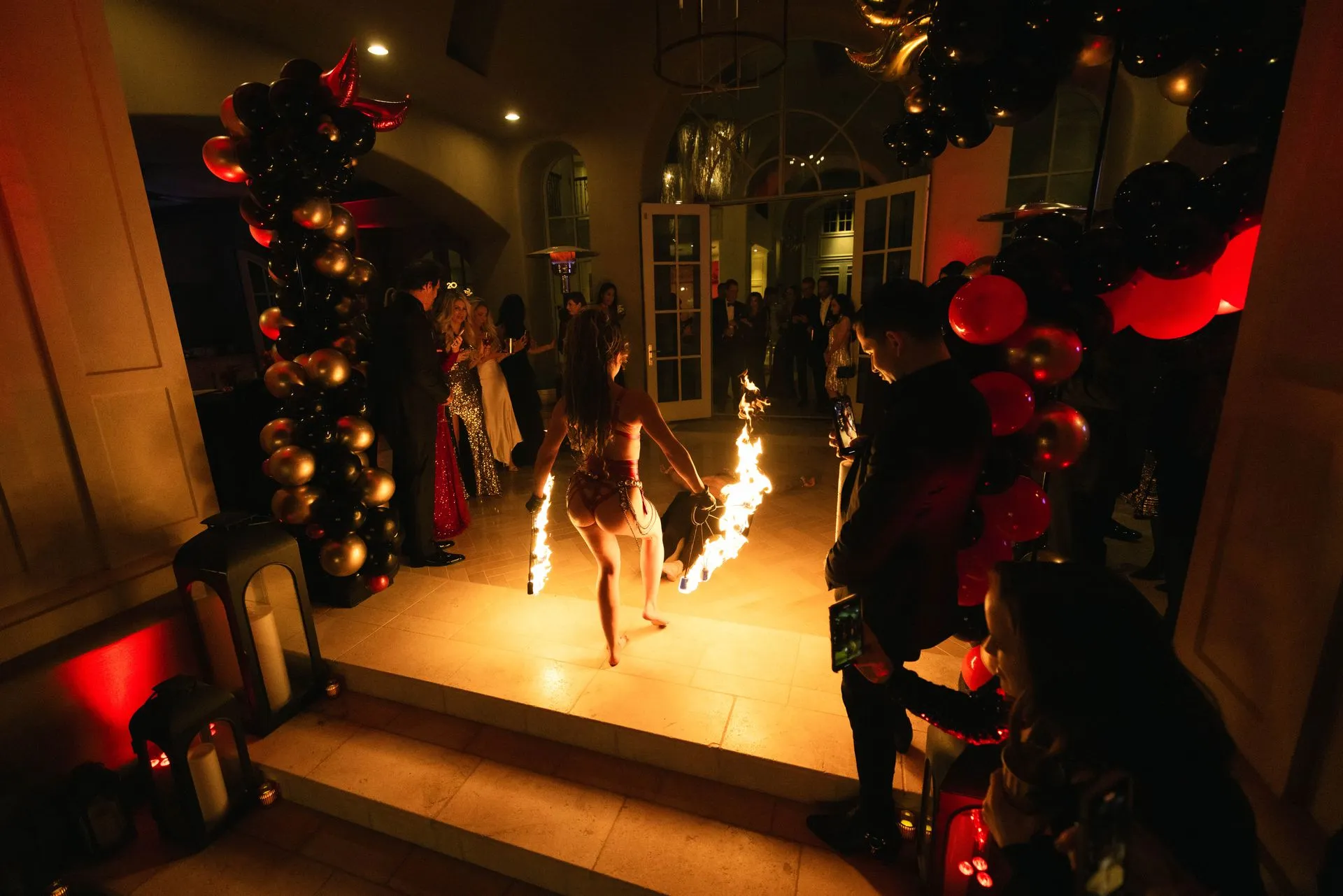
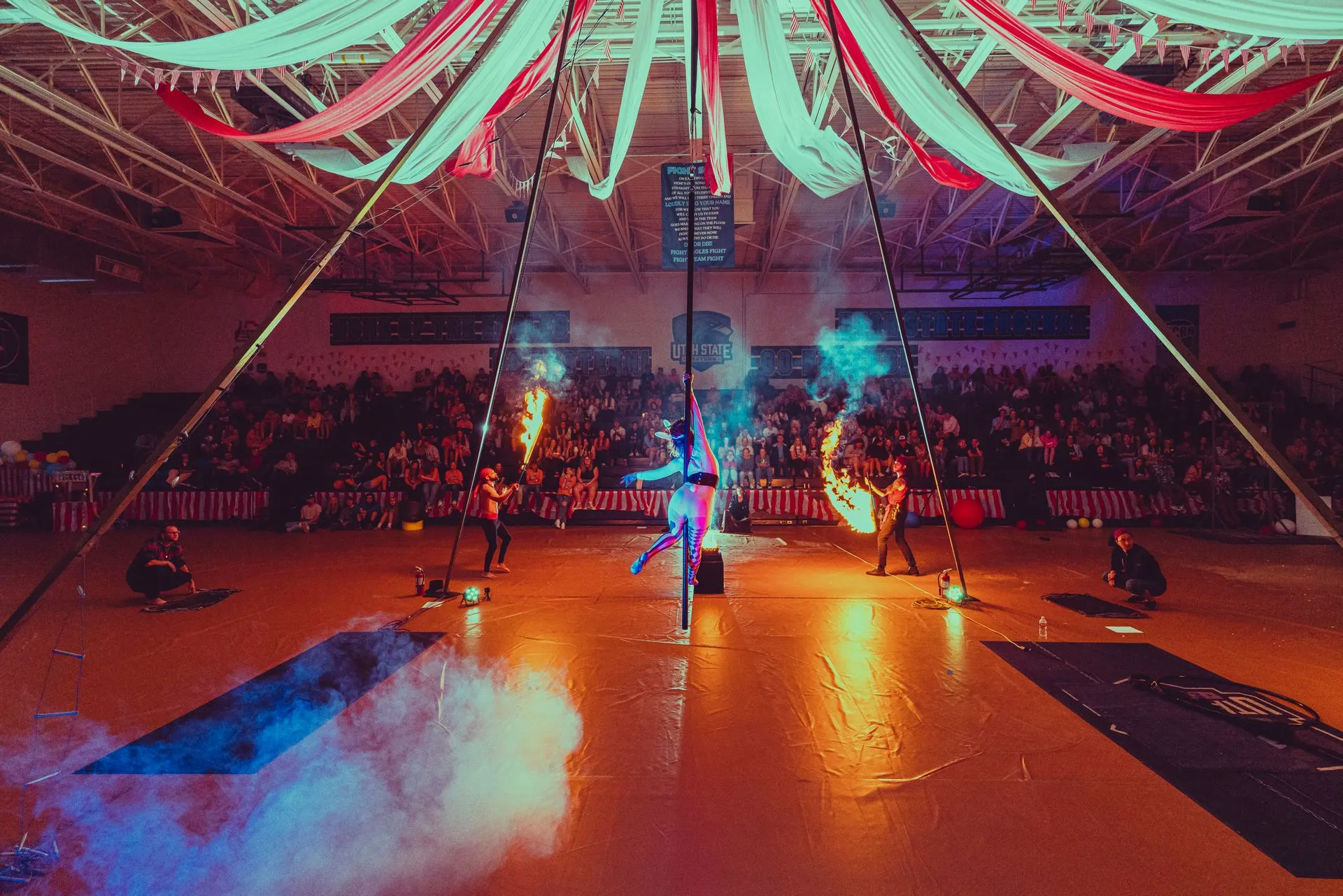
Hana's run both ends of this: a full roller rink night with a DJ booth & skate rentals, & an island evening where the bar & the playlist carried as much of the theme as the decor did. Neither needed a company logo on anything to work. They needed a reason & a room willing to go along with it. Tell us what the event's actually for & we'll tell you what theme earns its place. Related reading: how decor should carry a brand without a logo on every surface, & how to decide between a unique venue & a standard ballroom before the theme gets picked at all.
Questions planners ask us
What makes a corporate event theme feel gimmicky?
A theme chosen because it sounds fun, without a clear answer for why this event needs it, is the one that reads as a costume party. Tie the theme to the real reason for the gathering & it holds up even with modest decor.
Does a corporate event theme have to match the company's brand?
Not exactly match. It has to serve the same reason the event exists. A theme can sit outside the brand's usual colors & still work, as long as it reinforces why the room is gathered instead of just decorating around it.
Can executives take part in a themed event without it feeling juvenile?
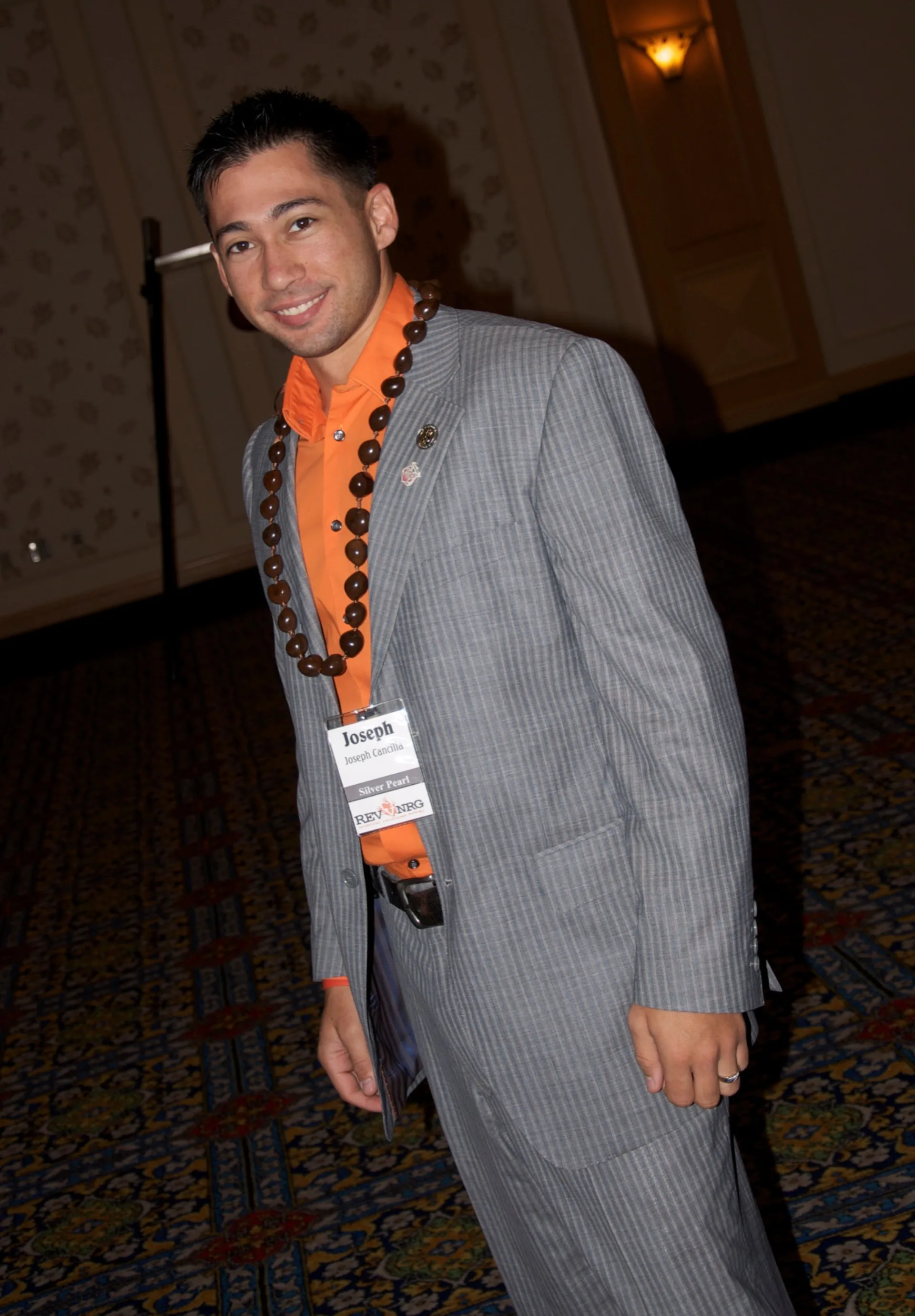
Yes, when the ask is specific & tied to the reason for the event rather than a full costume. A small, optional detail reads as buy-in. A mandatory outfit reads as a performance, which is usually where the discomfort actually comes from.
What should a corporate event theme influence besides the decor?
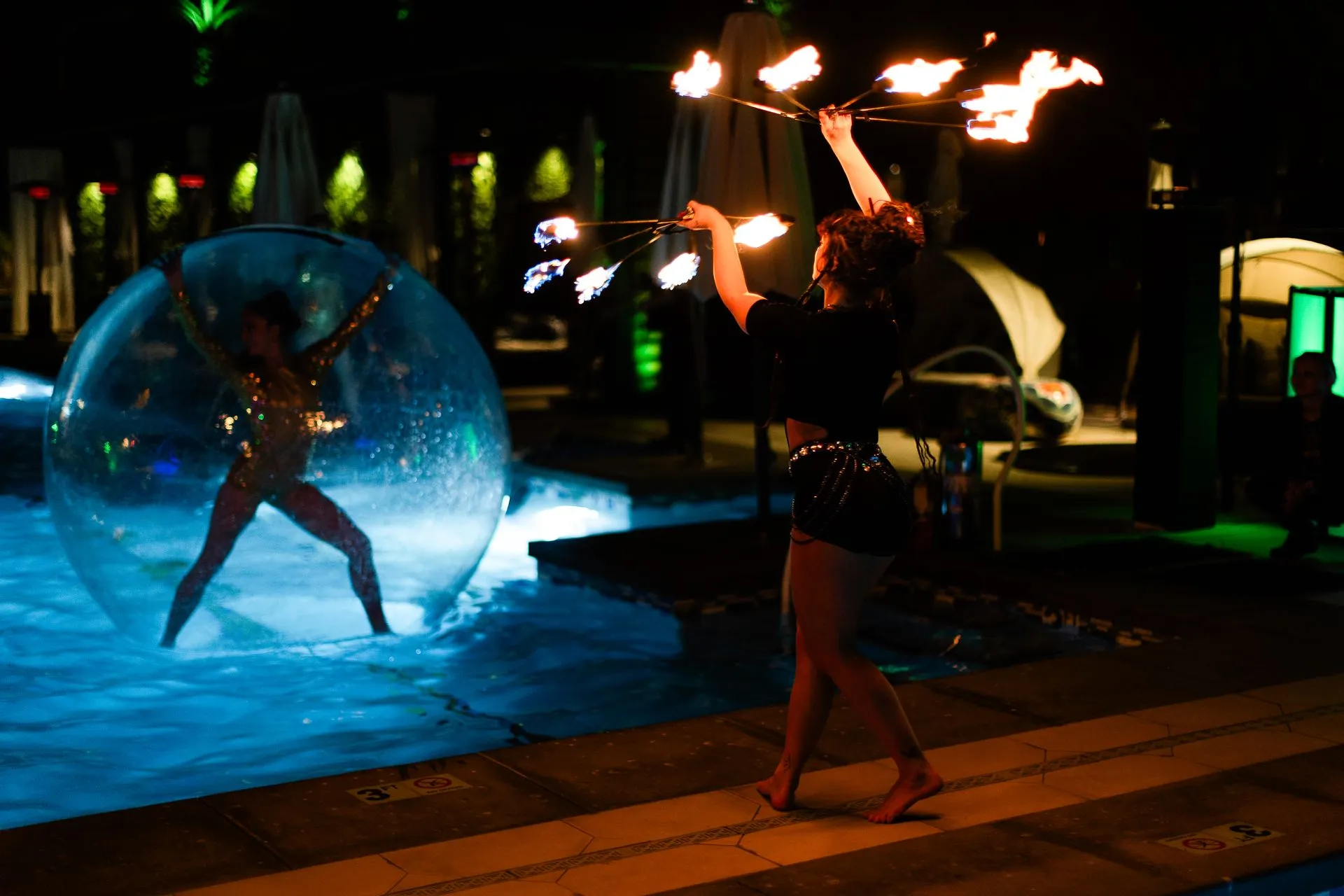
Venue choice, invitation language, the playlist, the menu & how entertainment gets booked all take direction from the theme once it's tied to the event's purpose. A theme that only shows up in the centerpieces was never carrying the room.
New posts, straight to your inbox.
Real lessons from real corporate events, no filler.
Planning a Phoenix corporate event? Get the free planning guide.